Benin’s Pendjari National Park Quietly Rivals Burkina Faso for Elephant Wanderers

The Park That Safari Routes Keep Skipping
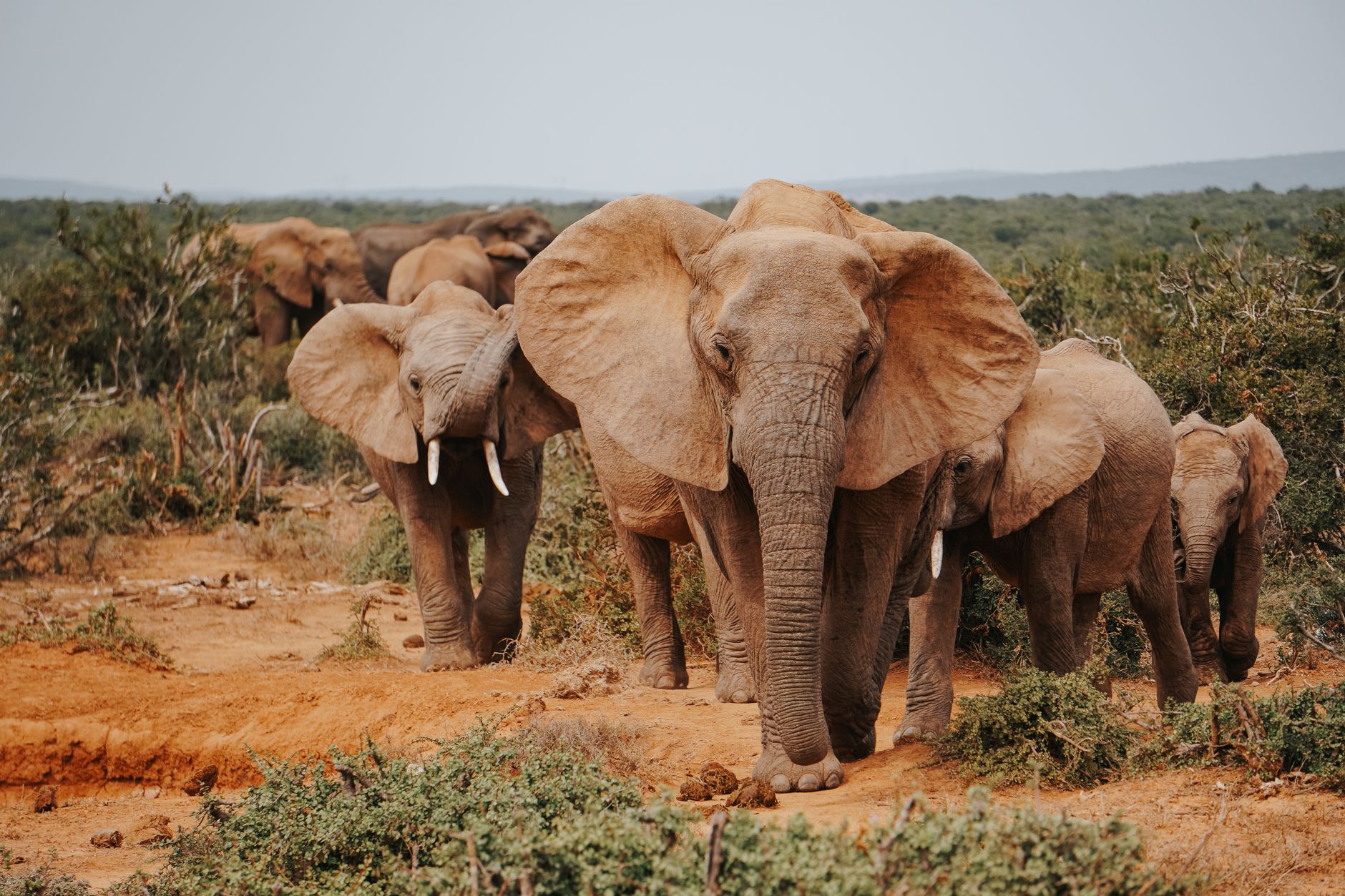
Burkina Faso’s W-Arly-Pendjari complex has long been the name that wildlife conservationists drop when discussing West Africa’s best remaining elephant habitat. But that framing shortchanges Benin’s contribution to the equation. Pendjari National Park, which forms the southern anchor of that transboundary reserve, holds somewhere between 2,000 and 3,000 elephants – a population density that rivals anything the Sahel corridor can offer, packed into terrain that most international safari itineraries never bother to route through.
The oversight is partly logistical and partly a matter of reputation. West Africa doesn’t carry the safari brand equity of East or Southern Africa, and Benin – a small coastal republic better known for its Vodoun traditions and historic slave trade sites – rarely appears on adventure travel shortlists. Pendjari sits in the country’s far northwest, hours from Cotonou, and the infrastructure has historically lagged behind demand. That gap is closing, and the park’s relative obscurity is exactly what makes the timing interesting for serious wildlife travelers right now.
What the Landscape Actually Delivers
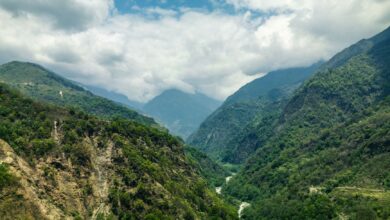
Pendjari covers roughly 4,800 square kilometers of Guinea savanna, gallery forest, and rocky outcroppings along the Pendjari River. The terrain shifts fast – open floodplains give way to dense riparian woodland within a few kilometers, and the Atakora escarpment provides a dramatic backdrop that distinguishes this park visually from the flatter bush you’d find across the border. Elephant herds move through those transitions daily, using the riverbanks for water and the denser woodland for shade and cover during midday heat.
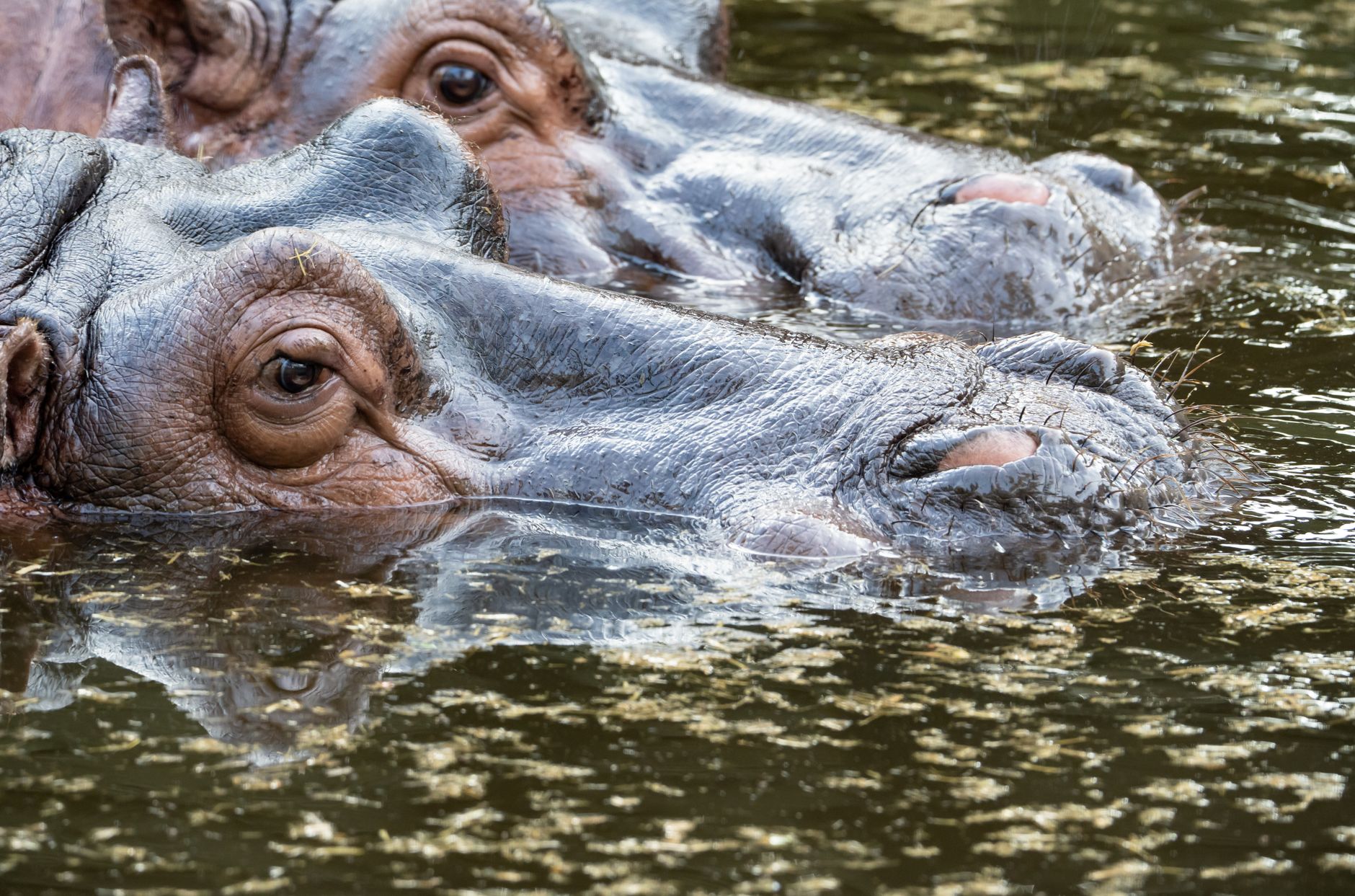
What surprises most first-time visitors is the mammal diversity beyond the elephants. Lion populations here have been the subject of sustained conservation work, with camera trap surveys documenting a small but reproducing pride structure across the park’s northern zones. Hippos crowd the Pendjari River during dry season in numbers that feel almost implausible for West Africa. Buffalo, roan antelope, waterbuck, and kob fill out the grazing communities. It is not a park that delivers one signature sighting and then coasts – the density of encounters across species tends to build through a multi-day visit rather than peak early.
African Parks, the conservation nonprofit that took over Pendjari’s management in 2017, has made measurable progress on anti-poaching enforcement. Before the handover, elephant numbers had declined sharply due to ivory pressure and weak ranger capacity. The recovery since then has been documented through aerial surveys, and the trajectory is upward. That management shift is the single biggest reason Pendjari now warrants serious attention – the wildlife is genuinely recovering, not simply surviving.
Stacking It Against Burkina Faso
The comparison with Burkina Faso’s portion of the reserve is worth making directly, because travelers choosing between the two are essentially choosing between access and wildlife. Burkina Faso’s Arly National Park and the W complex to its west have historically drawn slightly more visitor infrastructure, but the country’s ongoing security situation has effectively closed large portions of that circuit to independent and even organized travel. Foreign ministry advisories from multiple governments currently warn against non-essential travel to Burkina Faso’s northern and eastern regions – which covers the safari zones entirely.
Benin, by contrast, remains stable. The northwest has seen some spillover tension from the Sahel security environment, and the situation requires monitoring, but Pendjari itself has maintained operations and continues to receive visitors under organized tour conditions. For elephant seekers who had built Burkina Faso into their West Africa plans, Pendjari is not a consolation prize – it is where the viable alternative already exists, with overlapping habitat and connected elephant populations that cross the border seasonally.
The Logistics of Getting There
Cotonou is the entry point for most international visitors, with direct connections from Paris, Brussels, Istanbul, and several African hub cities. From there, reaching Natitingou – the gateway town for Pendjari – involves either a long overland drive of roughly eight hours or a domestic flight when services are running. Most lodge packages build the transfer in, and the drive itself passes through the Atakora highlands, which adds scenic value to what could otherwise feel like dead travel time.
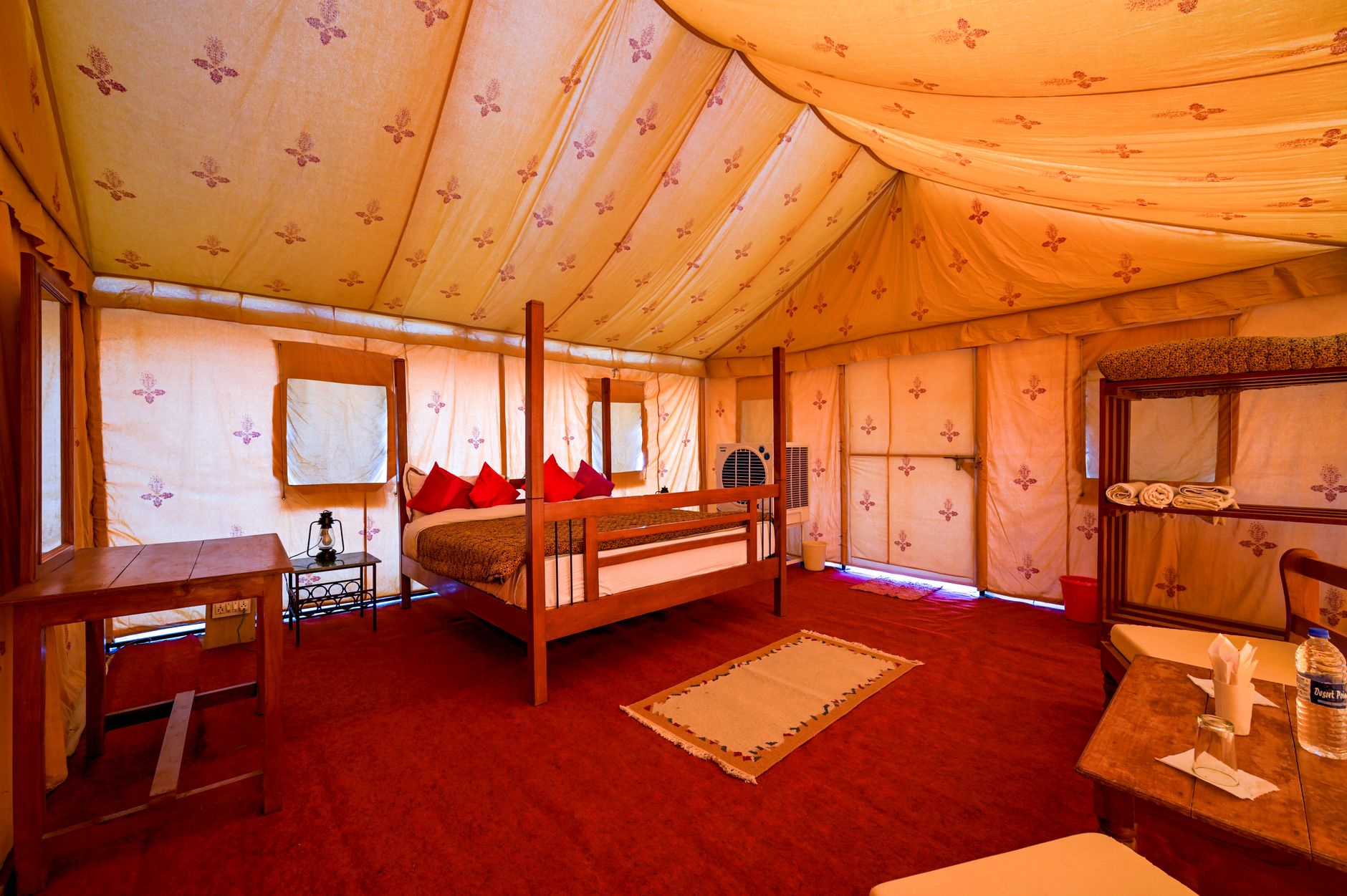
Accommodation options remain limited compared to East African parks, but the lodges operating inside or adjacent to Pendjari are purpose-built for the wildlife experience. Tented camps along the Pendjari River deliver the kind of proximity to hippo and elephant activity that turns an evening into something memorable without any deliberate effort. The trade-off is that the supply of beds is genuinely small, which means booking lead times need to be longer than travelers might expect for a destination this far off the mainstream circuit.
Dry season – roughly November through May – is the window for wildlife viewing, with peak concentration of animals around water sources running from January through April. Elephant herds are most predictably visible during this stretch, using the river crossings that guides know well after years of tracking movement patterns. Green season, while largely impractical for game drives due to grass height and road conditions, transforms the landscape visually and attracts a different category of visitor interested in birding – Pendjari holds over 300 recorded bird species, and migratory activity during the wet months adds considerably to that count.
The park’s connection to wildlife corridors that support recovering predator populations elsewhere in Africa points to a pattern worth watching: parks under professional conservation management in politically stable countries are quietly outperforming their more famous neighbors. Pendjari’s lion population – once functionally absent – now includes cubs documented on camera trap footage, which means breeding is occurring. That detail, more than any infrastructure upgrade or marketing campaign, is the argument for adding Benin to a serious Africa wildlife itinerary before the word fully spreads and the lodge beds become impossible to book.
Frequently Asked Questions
Is Pendjari National Park safe to visit?
Benin remains relatively stable, and Pendjari operates under organized tour conditions. Travelers should monitor foreign ministry advisories and book through established operators familiar with the region.
When is the best time to visit Pendjari for elephant sightings?
January through April offers peak wildlife concentration around water sources, with elephant herds most predictably visible during this dry season stretch.