
The Valley That Paro’s Crowds Have Not Found Yet
Paro is Bhutan’s calling card – the valley most visitors see first, largely because its airport is the only one in the country. The Tiger’s Nest Monastery clings to its cliffs like a postcard that sells itself, and tour operators have built entire itineraries around that single image. But roughly 30 kilometers to the south, separated by a mountain road that discourages casual detours, Haa Valley has been sitting quietly, holding something that Paro increasingly cannot offer: genuine solitude in a genuinely sacred place.
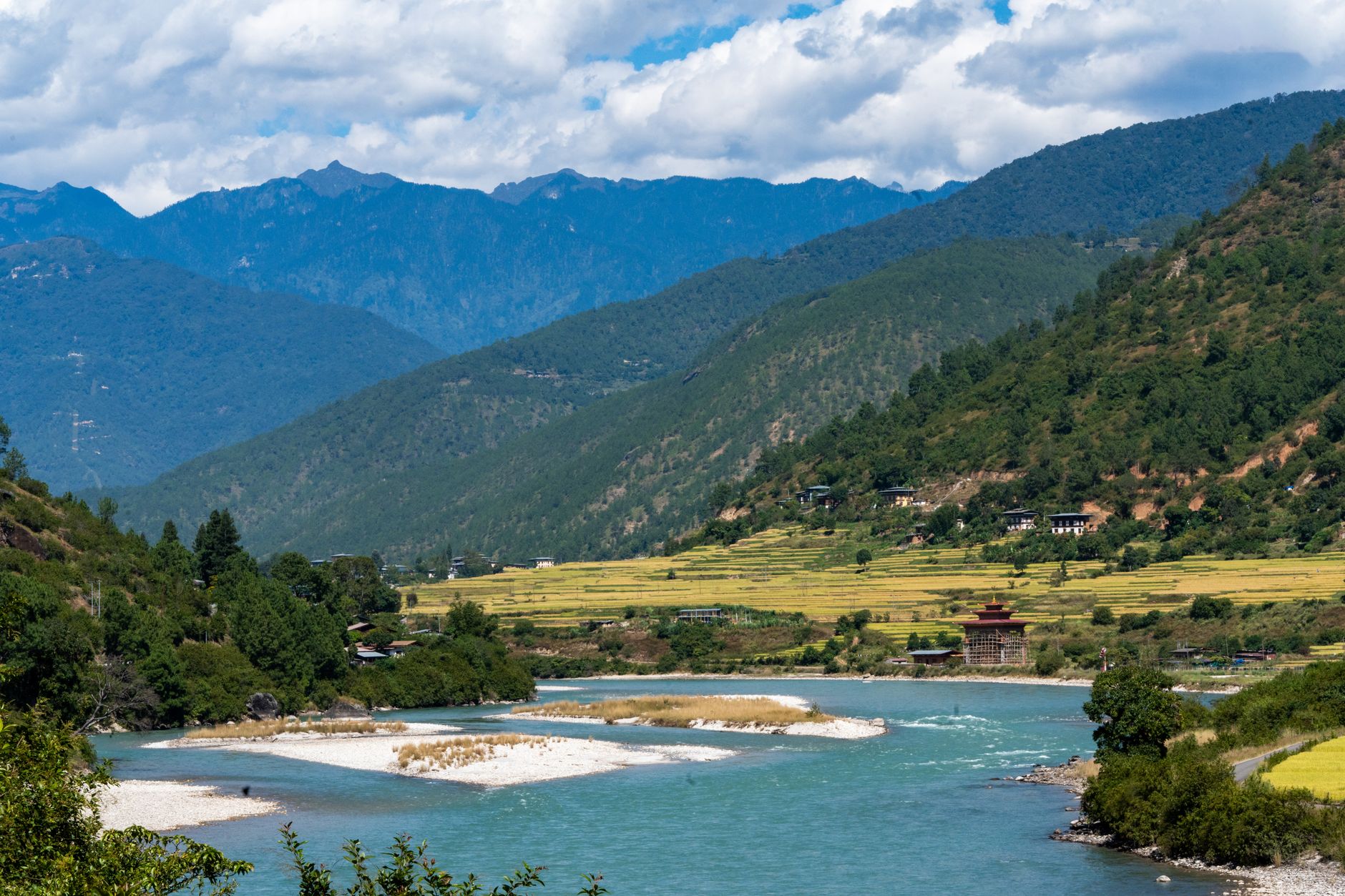
Haa was closed to foreign tourists entirely until 2002, and even after opening, it attracted little infrastructure and less marketing. That slow start is now its defining asset. The valley floor is wide and green, its villages are small and unwired in the way that matters, and its monasteries see local monks more often than tour groups. For travelers who have grown tired of chasing spiritual experiences through crowds, Haa represents the kind of destination that requires no manufactured mystique – the place does the work.
What Haa Actually Offers
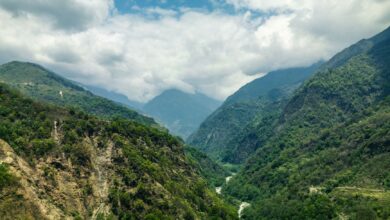
The valley sits at roughly 2,700 meters and is framed by peaks that push well above 5,000 meters. That geography alone shapes the experience – the air is noticeably thinner than in the lower valleys, the light shifts quickly, and the sense of enclosure created by the surrounding ridgelines gives the landscape an almost theatrical quality. Walking the valley floor in the early morning, with mist still clinging to the pine forests above, is the kind of scene that Bhutan’s tourism board would photograph if more people knew it existed.
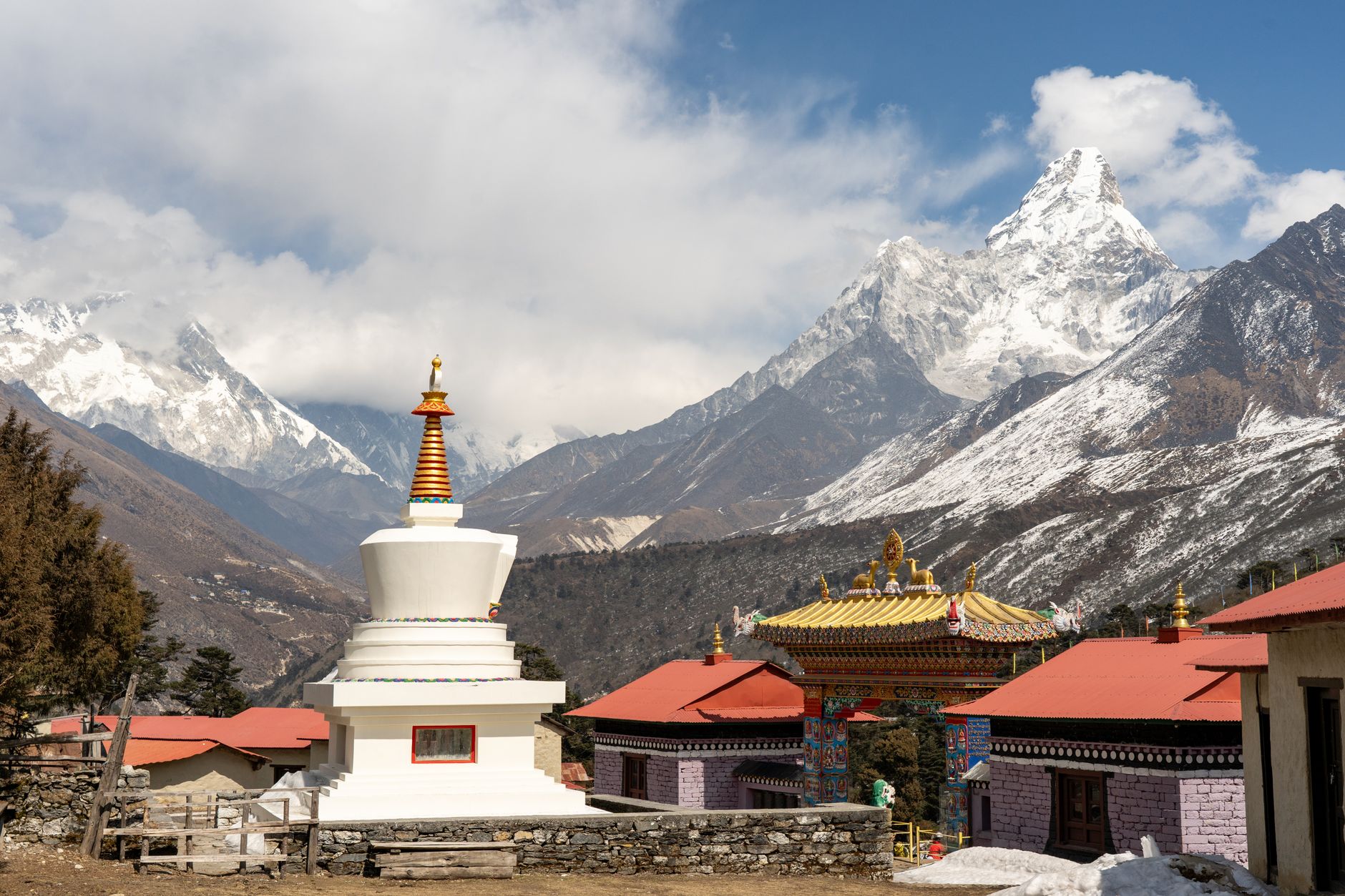
The Lhakhang Karpo and Lhakhang Nagpo – the White Temple and Black Temple – anchor the valley’s spiritual identity. Both are ancient, both remain active, and neither has been renovated into a museum piece. The Black Temple in particular carries a reputation for powerful protective deities and draws Bhutanese pilgrims from neighboring valleys, especially during festivals. Visiting during the Haa Summer Festival, held annually and designed partly to showcase the region’s nomadic Brokpa culture, gives travelers access to traditions that have no equivalent showcase elsewhere in the country.
The Brokpa are semi-nomadic herders whose cultural practices differ noticeably from the sedentary farming communities that dominate most of Bhutan’s tourist-facing identity. Their felt hats, woven textiles, and seasonal grazing patterns represent a living tradition rather than a preserved one. Spending time in Haa during the right season means encountering this community in the context of actual daily life, not a curated performance.
The Logistics of Getting There
Access is the honest obstacle. Haa requires a dedicated decision – it is not on the way to anywhere else in Bhutan’s standard circuit. Most visitors approach from Paro via the Chele La Pass, which at nearly 3,800 meters is the highest motorable pass in Bhutan and offers views of Himalayan peaks including Jhomolhari and Jichu Drake on a clear day. The drive from Paro takes roughly two to three hours depending on road conditions and the season.
Accommodation in the valley is limited and intentionally small-scale. A handful of boutique lodges and homestays handle most visitors, which effectively caps how crowded the valley can become even during peak travel months. That ceiling on capacity is not a temporary condition – it reflects both the valley’s infrastructure and, to some degree, a deliberate pace of development that Bhutan’s broader tourism philosophy supports. The country’s high daily tariff system for foreign visitors, which bundles accommodation, guide, and meals into a mandatory fee, naturally filters for travelers with a longer planning horizon and a genuine interest in the destination.
Why Sacred Travelers Are Paying Attention
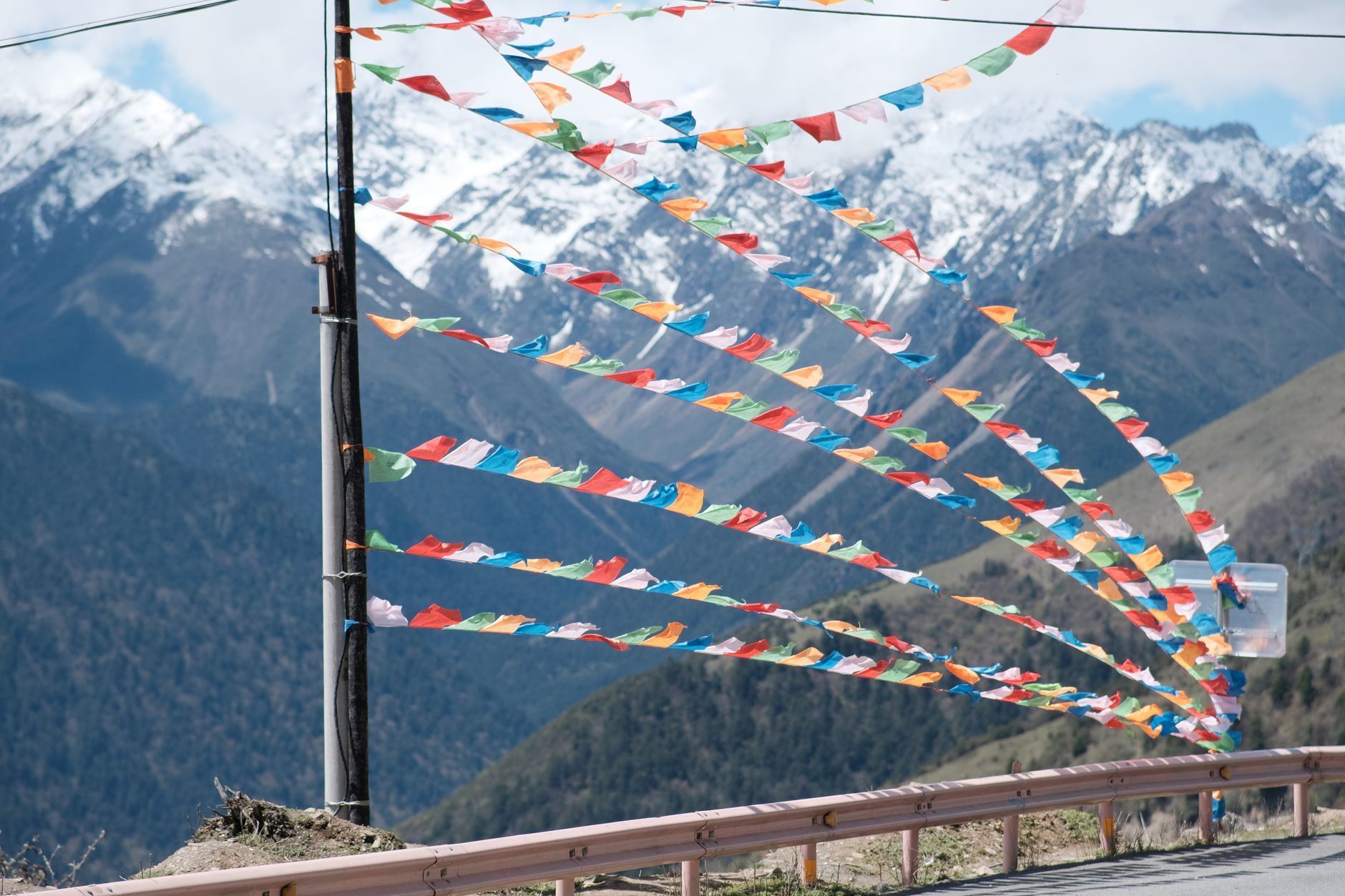
There is a growing cohort of travelers who specifically seek out what might be called spiritual geography – places where the relationship between landscape and religious practice is still legible in the everyday environment. Haa Valley reads clearly on that register. Prayer flags stretch between trees along trails that double as pilgrimage routes. Chortens appear at road bends and field edges, placed not for tourism but for the same reasons they have always been placed. The valley’s sacred architecture does not feel curated for outside interpretation.
Paro has not lost its significance, but it has gained the self-consciousness that comes with heavy visitation. The Tiger’s Nest experience now involves a timed entry system, visible crowd management, and the ambient noise of other people’s cameras. None of that diminishes the monastery’s power, but it changes the register in which a visitor encounters it. Haa offers an encounter without that mediation – the approach to its temples is quiet because the trails are quiet, not because quietude has been engineered into the experience.
The comparison to Paro is worth making carefully. Haa is not better in the way that ranking destinations implies – it is different in ways that matter to a specific kind of traveler. Someone visiting Bhutan for the first time, with limited days and a need to understand the country’s headline offerings, should absolutely include Paro. But a second visit, or a first visit by someone who has done serious research, increasingly points toward Haa as the place that delivers what Bhutan’s broader reputation promises.
What may shift the equation in coming years is attention itself. Travel writers have begun including Haa in roundups of undervisited Himalayan destinations, and the valley’s Summer Festival has started appearing in curated itineraries from boutique operators. The infrastructure, for now, cannot absorb a sudden surge – which means the window for experiencing Haa at its current pitch of quiet is real, and it is not indefinitely open. The monastery courtyards are still empty at dawn. The Brokpa herders still move through the upper pastures without an audience. That will not automatically change, but it will not automatically stay the same either.
Frequently Asked Questions
Is Haa Valley open to foreign tourists?
Yes, Haa Valley has been open to foreign visitors since 2002, though it remains far less visited than Paro or Thimphu due to limited infrastructure and its off-circuit location.
How do you get to Haa Valley from Paro?
The most common route is via the Chele La Pass, Bhutan’s highest motorable pass at nearly 3,800 meters. The drive from Paro takes approximately two to three hours.
What is the best time to visit Haa Valley?
Summer months are ideal for attending the Haa Summer Festival, which showcases Brokpa nomadic culture. Autumn offers clearer mountain views and stable trekking conditions.
What are the main attractions in Haa Valley?
The White Temple (Lhakhang Karpo) and Black Temple (Lhakhang Nagpo) are the valley’s spiritual anchors, along with Brokpa cultural traditions and the Chele La Pass scenery.