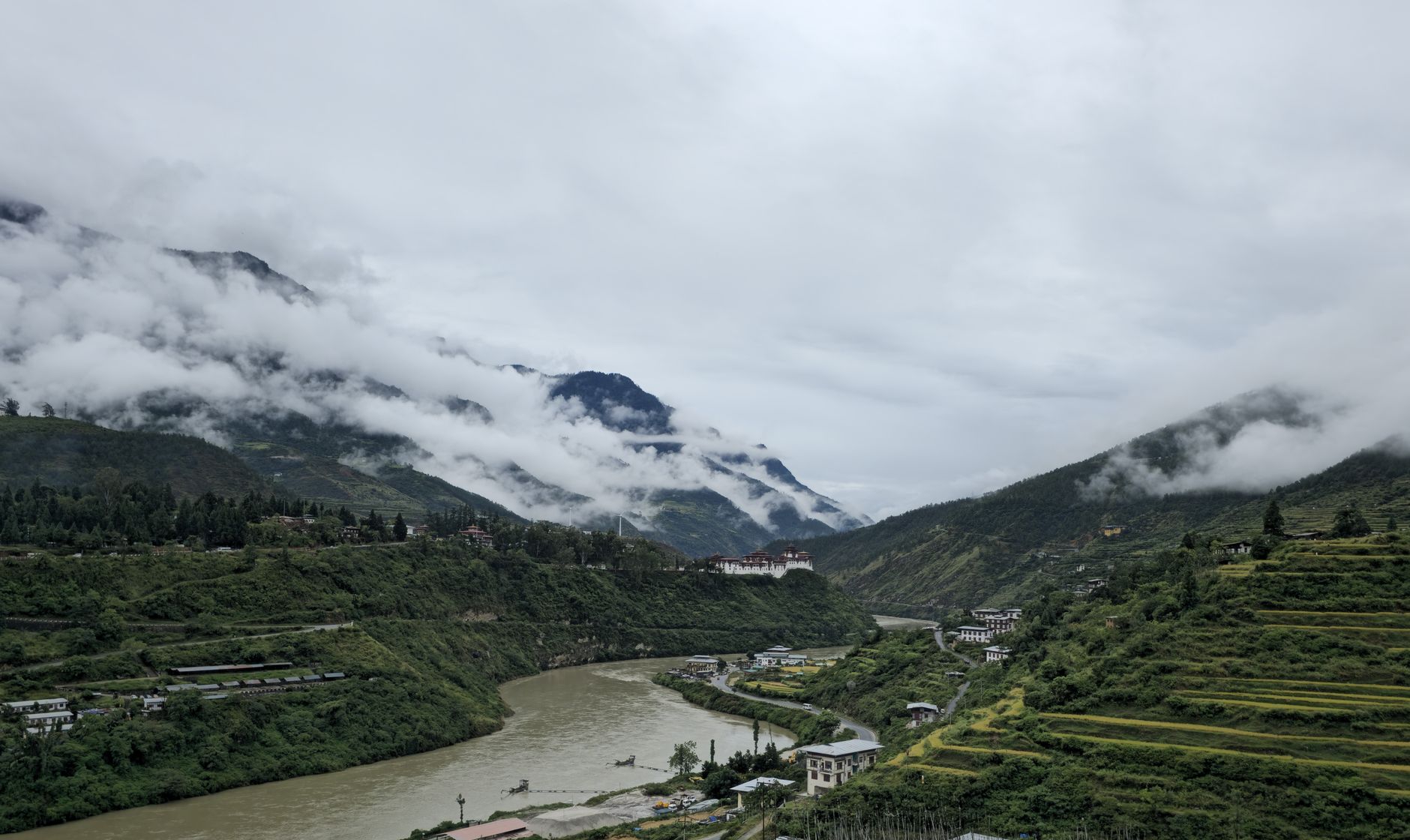

Paro gets the postcards. Haa gets the silence. Tucked into Bhutan’s southwestern corner near the Tibetan border, the Haa Valley remained closed to foreign visitors until 2002, and it has spent the two decades since quietly accumulating everything that made Bhutan worth visiting before the crowds found it.
A Valley That Bhutan Kept to Itself
The restricted access that defined Haa for so long was not an accident of geography. The valley sits along a militarily sensitive stretch of the China-Bhutan border, which meant the Royal Bhutanese Government had every practical reason to keep foreign footprints out. When it finally opened, no rush of infrastructure followed. There are no luxury eco-lodges with rooftop fire pits, no curated tasting menus featuring foraged ingredients, and no Instagram-optimized viewpoints with carved wooden railings. What arrived instead were a handful of small guesthouses, a scattering of farmhouse stays, and a festival that Bhutanese families from Thimphu now road-trip to attend every summer.
Paro’s fame rests on two things: the Tiger’s Nest Monastery and the country’s only international airport. Both are spectacular, and both create the particular problem of spectacle – you share them with everyone who has ever read a travel magazine. The Tiger’s Nest trail on a peak-season morning resembles a very slow, very photogenic queue. Haa offers something structurally different: monasteries with caretakers who are genuinely surprised to see you, trails where the only boot prints are your own, and valleys so wide and green they feel borrowed from a country that hasn’t been discovered yet.
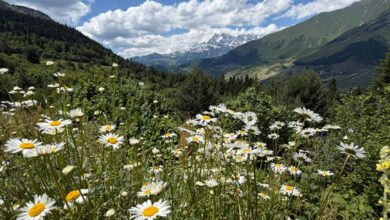
The landscape runs along a corridor flanked by high ridgelines, with the valley floor sitting at roughly 2,700 meters. Three rivers – called locally the White, Black, and Blue – thread through the district, each named for the mood of their water at different times of day. Pastoral yak herding still operates here on a seasonal cycle, and in late spring the high pastures above the treeline fill with animals moving toward summer grazing grounds. Walking those routes puts you on paths that predate trekking tourism by centuries.
The cultural texture is equally distinct. The Haa district has its own dialect, its own architectural microvernacular – slightly heavier roof overhangs than elsewhere in Bhutan, darker wood tones – and a relationship with Tibetan trade traditions that the border closure froze and preserved. Local festivals are not staged for visitors. The Haa Summer Festival, held annually in late July, exists primarily because the valley’s own community wanted it. Foreign travelers who show up find themselves as observers at a genuinely local event rather than participants in a performance designed around them.
What Sacred Wanderers Actually Find Here
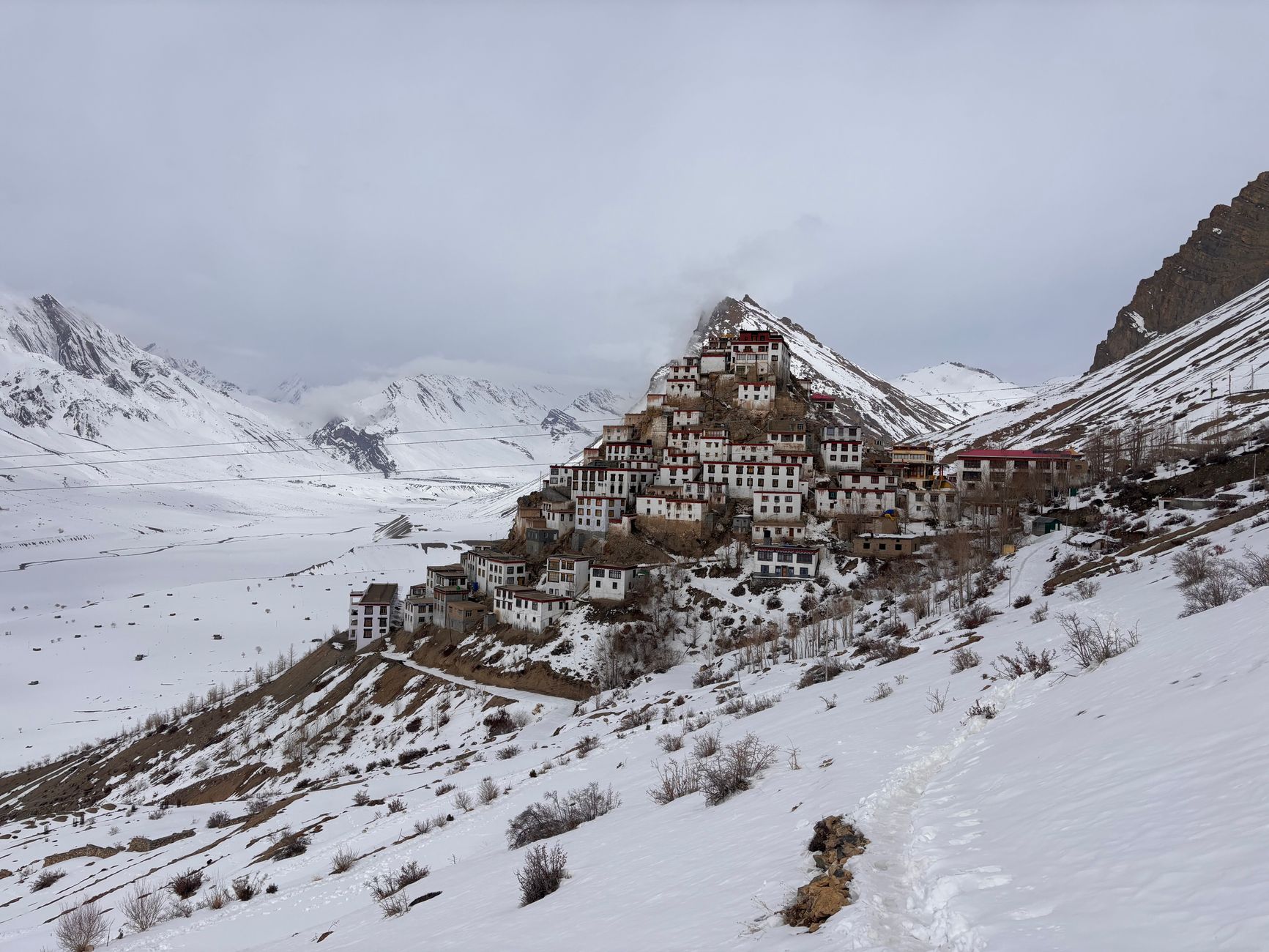
The valley’s two most significant religious sites sit at opposite ends of a short road that most travelers cover in a single morning. Lhakhang Karpo, the White Temple, and Lhakhang Nagpo, the Black Temple, are said to have been built simultaneously in the seventh century on the orders of the Tibetan king Songtsen Gampo – part of a legendary campaign to pin down a supine demoness whose body allegedly covered the Tibetan plateau. Whether or not you arrive with any belief in that cosmology, the effect of standing between two temples that a civilization considered important enough to build at the edge of a remote valley is not easily dismissed. The Black Temple in particular retains a quality of charged stillness that Paro’s more trafficked sites have partially lost to familiarity.
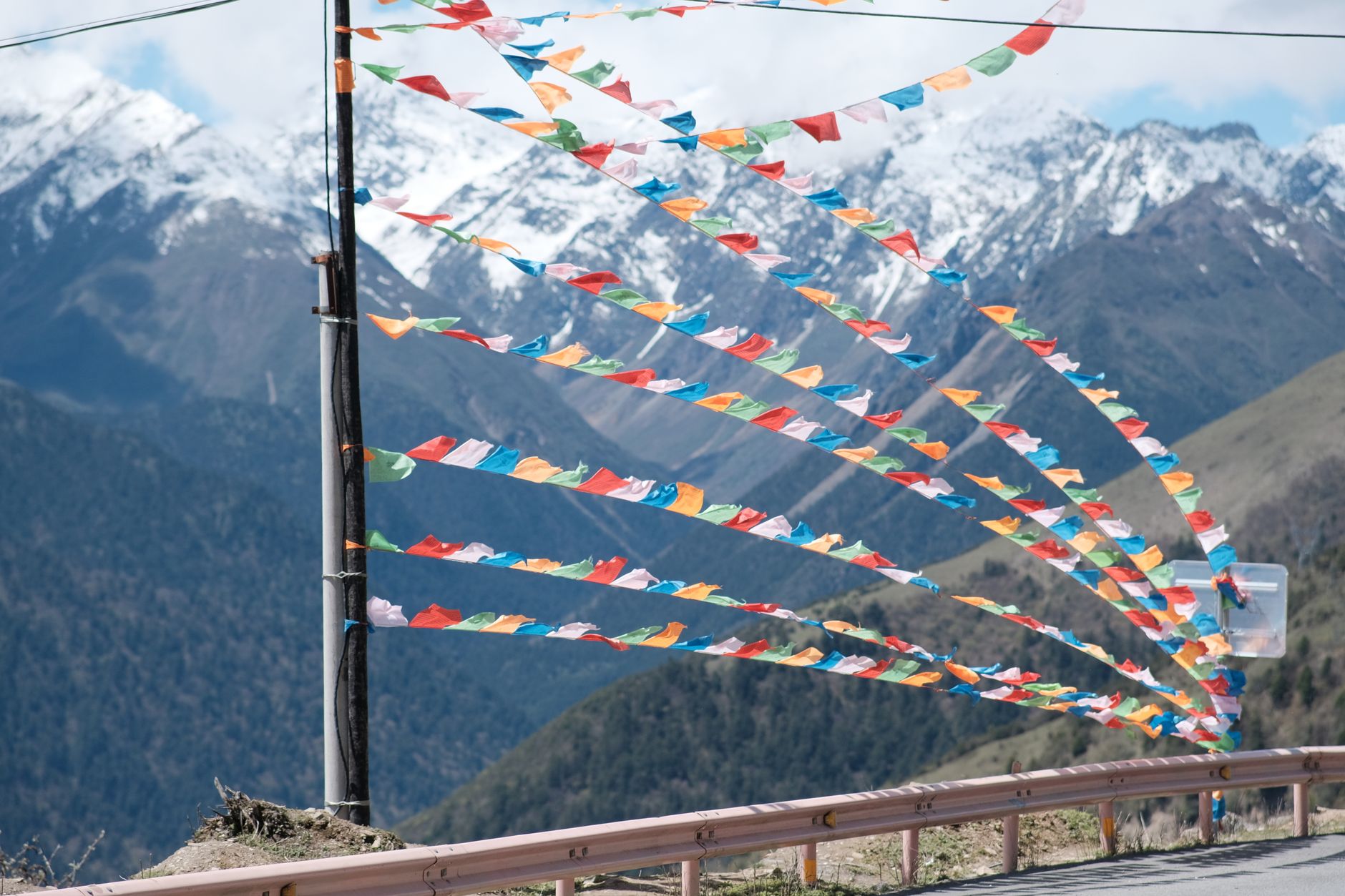
Above the valley floor, the trekking options range from afternoon walks to multi-day routes connecting Haa with the Paro Valley through high mountain passes. The Chele La Pass, which sits at roughly 3,988 meters and marks the boundary between the two districts, is genuinely one of the more dramatic short drives in the Himalayas – prayer flags by the thousands strung across a ridge that, on a clear day, offers unobstructed sightlines to Jhomolhari and Jichu Drake. That crossing alone justifies building an itinerary that treats Haa and Paro not as competitors but as a single extended circuit.
The wildlife situation is quietly remarkable. Snow leopards move through the upper elevations, though sightings require patience and a degree of luck that borders on the devotional. The forests below the treeline hold red pandas, Himalayan black bears, and a bird list that draws serious ornithologists who know that Bhutan’s protected status has kept species counts healthy in ways that surrounding regions cannot match. A growing number of travelers who come specifically for birds find Haa more productive than Paro simply because disturbance levels are lower – fewer vehicles, fewer people, less noise.
Accommodation is spartan by the standards of Bhutan’s more visited valleys. Farmhouse stays are the defining format: you sleep in a family home, eat what the family eats, and wake to a view that the family has been waking to for generations. This is not a curated rustic experience with artisanal butter lamps and a playlist. The blankets are heavy and slightly rough, the wood stoves take a moment to learn, and the food – buckwheat noodles, red rice, dried yak meat, chili in quantities that Westerners reliably underestimate – is exactly what it is, without apology or presentation. For travelers who find that kind of unmediated contact with a place worth seeking out, Haa is almost unfairly good at delivering it.
The Bhutan Development Fund’s high daily tourist tariff – a policy that applies across the country and is designed to limit volume while funding free healthcare and education – means that anyone reaching Haa has already committed to a certain level of financial and logistical investment. The irony is that the tariff, which some travelers view as a barrier, is precisely what keeps Haa from becoming the thing it could easily become: a valley full of people who came to experience a valley without people.
How to Actually Get There
From Paro, Haa is a roughly two-and-a-half to three hour drive, depending on road conditions and how long you stop at Chele La. There is no domestic flight option, no train, and no bus service oriented toward tourists. You arrive by car, through a landscape that changes altitude and character several times over a single route. Most travelers visit as part of a longer Bhutan itinerary rather than in isolation, pairing Haa with Paro and Thimphu for a circuit that covers the western districts without rushing any of them.
The practical window for visiting runs from spring through early fall, with July and August bringing the festival but also the monsoon. The valley handles rain differently than Paro – the topography channels weather systems in ways that make Haa wetter on some days and clearer on others within the same afternoon. October is the conventional recommendation, the light sharp and cold and the high passes open. But travelers who go in May, when the rhododendrons on the ridgelines above the valley are still finishing their bloom and the yaks are just beginning to move upward, report that the timing feels like a coincidence almost too good to plan.
Frequently Asked Questions
Is Haa Valley open to foreign tourists?
Yes, Haa Valley has been open to foreign visitors since 2002. Travelers still require the standard Bhutan tourist visa and must pay the national daily tariff.
How do you get from Paro to Haa Valley?
The drive from Paro to Haa takes roughly two and a half to three hours by car, crossing the Chele La Pass at nearly 4,000 meters. There is no flight or bus service for tourists.
What is the best time to visit Haa Valley?
October is the most recommended month for clear skies and open mountain passes, though May offers rhododendron blooms and the beginning of yak migration season.
What religious sites are in Haa Valley?
The two primary temples are Lhakhang Karpo (White Temple) and Lhakhang Nagpo (Black Temple), both attributed to the seventh-century Tibetan king Songtsen Gampo.