
Beyond the Paro Valley Postcard
Bhutan’s Paro Valley gets all the attention – the Tiger’s Nest Monastery clinging to a cliff face, the international airport, the magazine spreads. Travelers arrive there expecting revelation and largely find it, but they also find tour groups, fixed itineraries, and the quiet anxiety of a destination that knows it is being watched. About 70 kilometers to the south, Haa Valley sits behind a military permit zone that kept foreign visitors out entirely until 2002, and the infrastructure gap between the two valleys is still wide enough to filter out anyone who isn’t genuinely committed to going slow.
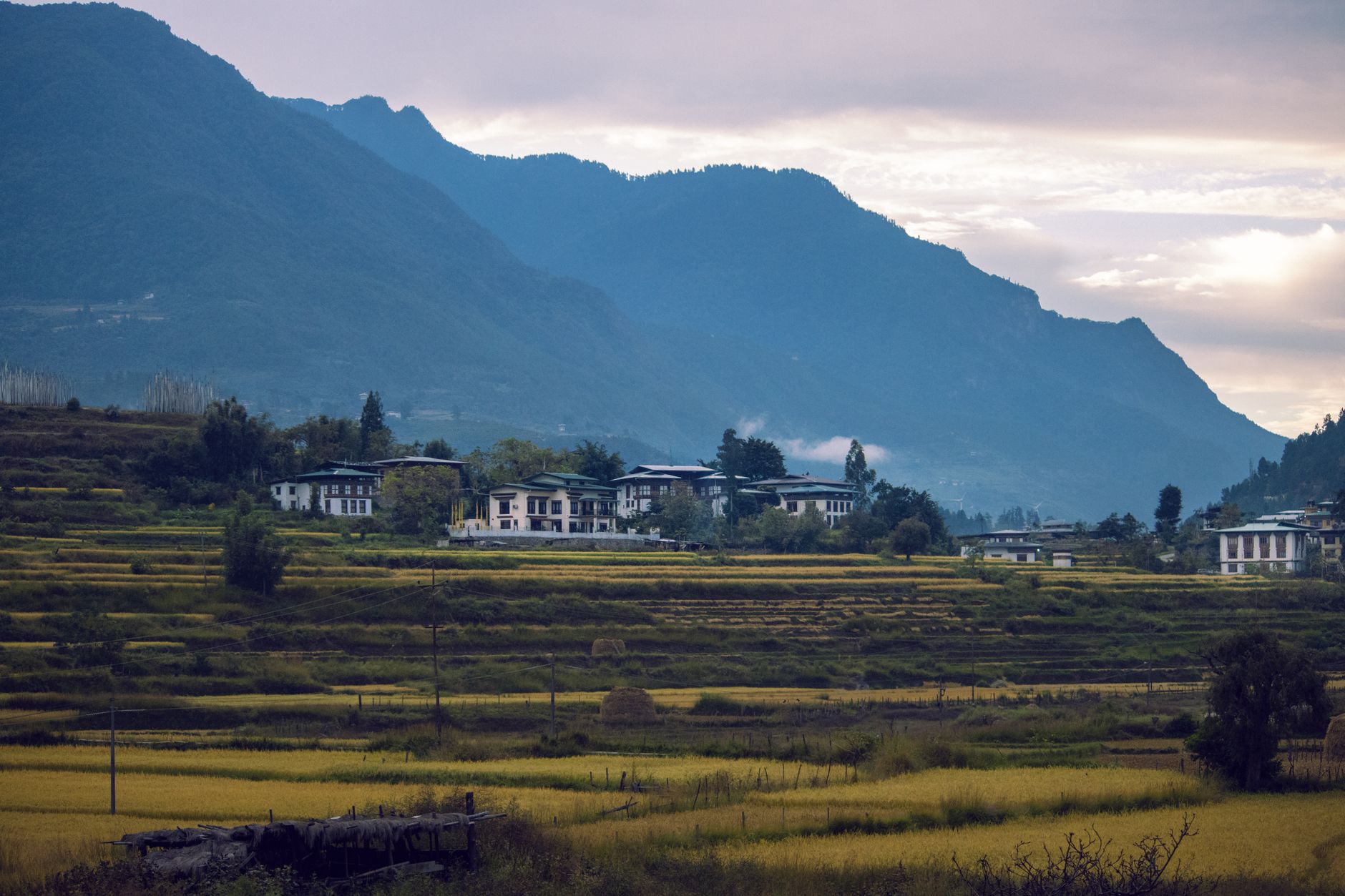
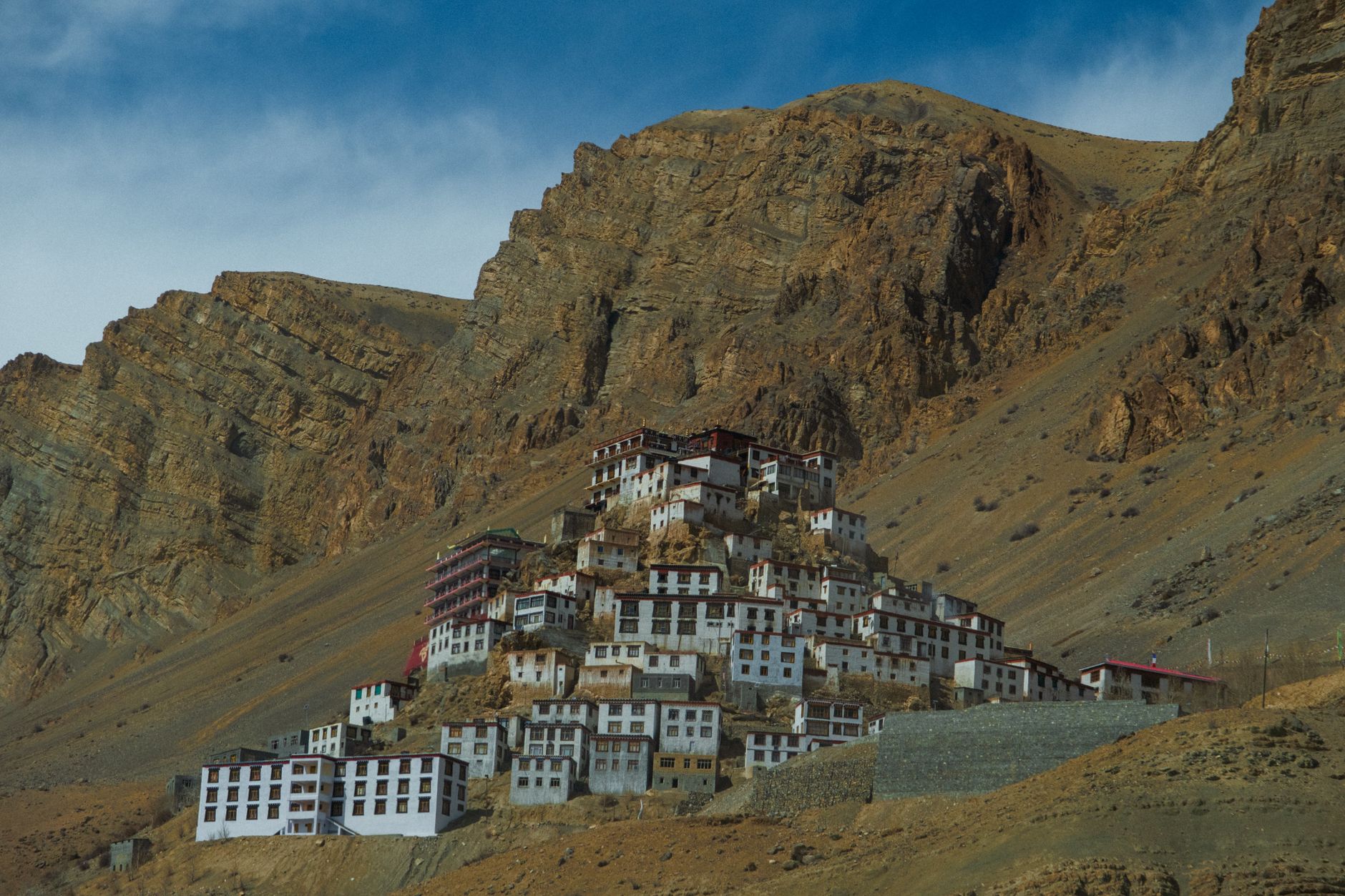
The valley runs roughly north to south, flanked by forested ridgelines that push above 4,000 meters and shelter a string of villages that look much the same as they did two generations ago. There are no luxury lodges with infinity pools oriented toward dramatic peaks. There is no branded trekking circuit. What Haa does have is a density of sacred sites, a living Bon religious tradition that predates Tibetan Buddhism in this region, and the particular quality of silence that comes from a place where tourism is still a curiosity rather than an industry.
The Sacred Geography of Haa
The valley’s spiritual architecture is organized around three main lhakhangs – temple complexes known locally as the Black, White, and Blue temples. The White and Black temples, Lhakhang Karpo and Lhakhang Nagpo, are attributed to the 7th-century Tibetan king Songtsen Gampo, who according to tradition built 108 temples across the Himalayan region in a single day to pin down a demoness whose body was stretched across the landscape. Whether that origin story is literal or allegorical, it places Haa’s temples inside one of the oldest sacred cartographies in the Buddhist world. Paro’s Kyichu Lhakhang shares the same origin mythology, but Haa’s versions draw a fraction of the visitors.
The Bon tradition gives Haa a different texture than most Buddhist valleys in Bhutan. Bon is the pre-Buddhist animist and shamanist religion that Buddhism largely absorbed and partly displaced across the Himalayas, but in Haa it retained enough practitioners and ritual specificity to feel like a living parallel tradition rather than a historical footnote. Local festivals here include Bon ceremonies that look unfamiliar even to travelers who have done time in Buddhist Bhutan – the ritual objects, the chanting patterns, and the cosmology behind them all carry a distinctly older register.
The Chhumolung trekking route, which crosses from Haa into the Paro Valley, is not widely marketed and requires advance planning through a licensed Bhutanese tour operator. That friction is exactly what keeps the trail in the condition it is in. The route passes through high-altitude meadows used by nomadic herders who summer their yaks above the treeline, and the human traffic on any given day in the off-season can be close to zero. Experienced trekkers who have done the Annapurna Circuit or Nepal’s Langtang route will recognize the landscape type but find the solitude ratio dramatically different.
Why Permits Actually Help Here
Bhutan’s tourism model operates on a daily sustainable development fee, a structure that prices out budget travelers and limits overall visitor numbers. For most of Bhutan, that fee grants access to the main circuits. Haa requires an additional restricted area permit, which adds a layer of documentation and cost that functions as a secondary filter. The result is that the people who end up in Haa tend to be repeat visitors to Bhutan who already did Paro and Punakha and are looking for something less mediated – or first-time visitors who did enough research to seek the valley out deliberately.
That visitor profile matters for the quality of the experience on the ground. The town of Haa itself is small – a main street, a few guesthouses, government buildings in traditional Bhutanese architectural style, a Friday market where local farmers bring produce down from surrounding villages. The guesthouses are run mostly by local families, which means the income from tourism stays inside the community in a way that resort economics rarely allow. Conversations over dinner are not a service transaction; they tend to be actual exchanges about the valley’s history, the government’s development policies, or whatever festival is coming up on the Bhutanese lunar calendar.
Comparing the Sacred Weight of Two Valleys
Paro’s Tiger’s Nest – Taktsang Monastery – is genuinely extraordinary. The building site alone, a monastery carved into a cliff 900 meters above the valley floor, is an architectural and spiritual statement that holds up under scrutiny regardless of how many Instagram posts have preceded your arrival. No honest account of Haa suggests it competes with that specific experience. What Haa offers instead is the version of Bhutan that existed before Tiger’s Nest became the country’s default thumbnail image – the version where sacred sites are maintained by and for local communities rather than managed for a visitor experience.
The Amo Chhu river runs through the valley and the area around it is one of the last habitats for the black-necked crane in Bhutan, a bird that carries significant cultural weight in Bhutanese Buddhism. The cranes arrive from Tibet in late October and winter in the lower valleys before returning in March. Local reverence for them is not performative; the cranes and the valley’s human residents have coexisted at close range for long enough that the relationship feels genuinely embedded rather than ecotourism-branded. Visiting during the crane season – and stacking that against the timing of local festivals – is the kind of trip logistics that rewards the traveler who does their homework rather than booking a standard package.
The comparison to Paro ultimately depends on what a traveler is actually looking for. Paro delivers a high concentration of Bhutan’s most famous sites in a relatively compact geography with better tourist infrastructure. Haa delivers access to a version of Bhutanese highland life that has not yet fully adjusted itself to being observed. The distinction matters because Bhutan as a whole markets itself on authenticity, and Haa is one of the remaining places in the country where that word carries actual weight rather than functioning as a branding strategy.
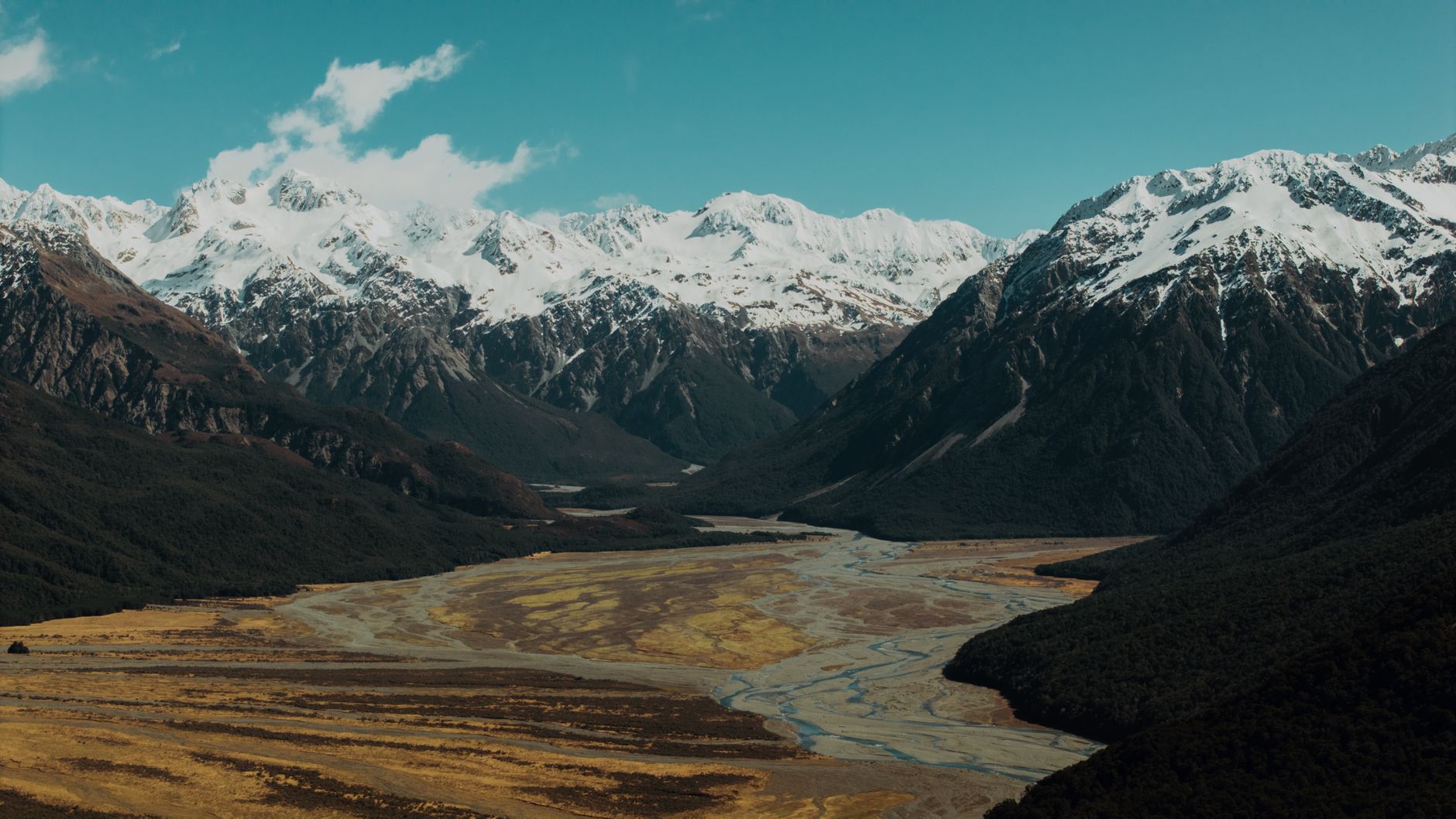
The Haa Summer Festival, held annually in July, is the valley’s most visible public event – a two-day showcase of traditional sports, food, and cultural performances that draws a mix of local Bhutanese and foreign visitors. The government has invested in promoting it as an entry point to the valley, which is a reasonable strategy for building awareness. The more interesting question is what happens to the festival’s character if it succeeds too well, and whether the valley can absorb significantly more visitors without the silence becoming a selling point that cancels itself out.