Bolivia’s Cordillera Apolobamba Quietly Rivals the Andes for Glacier Wanderers

Where Bolivia’s Glaciers Go Largely Unnoticed
Mention glacier trekking in South America and most travelers immediately picture Patagonia’s grey towers, or perhaps the Peruvian Andes around Huaraz. Bolivia gets cited for the salt flats, for Lake Titicaca, occasionally for the Death Road – but rarely for its ice. That oversight has quietly preserved one of the continent’s most rewarding high-altitude wilderness corridors: the Cordillera Apolobamba, a remote mountain range wedged against the Peruvian border in Bolivia’s La Paz department, where glaciers hang off peaks above 5,000 meters and the trekking routes see a fraction of the foot traffic that comparable Andean circuits attract.
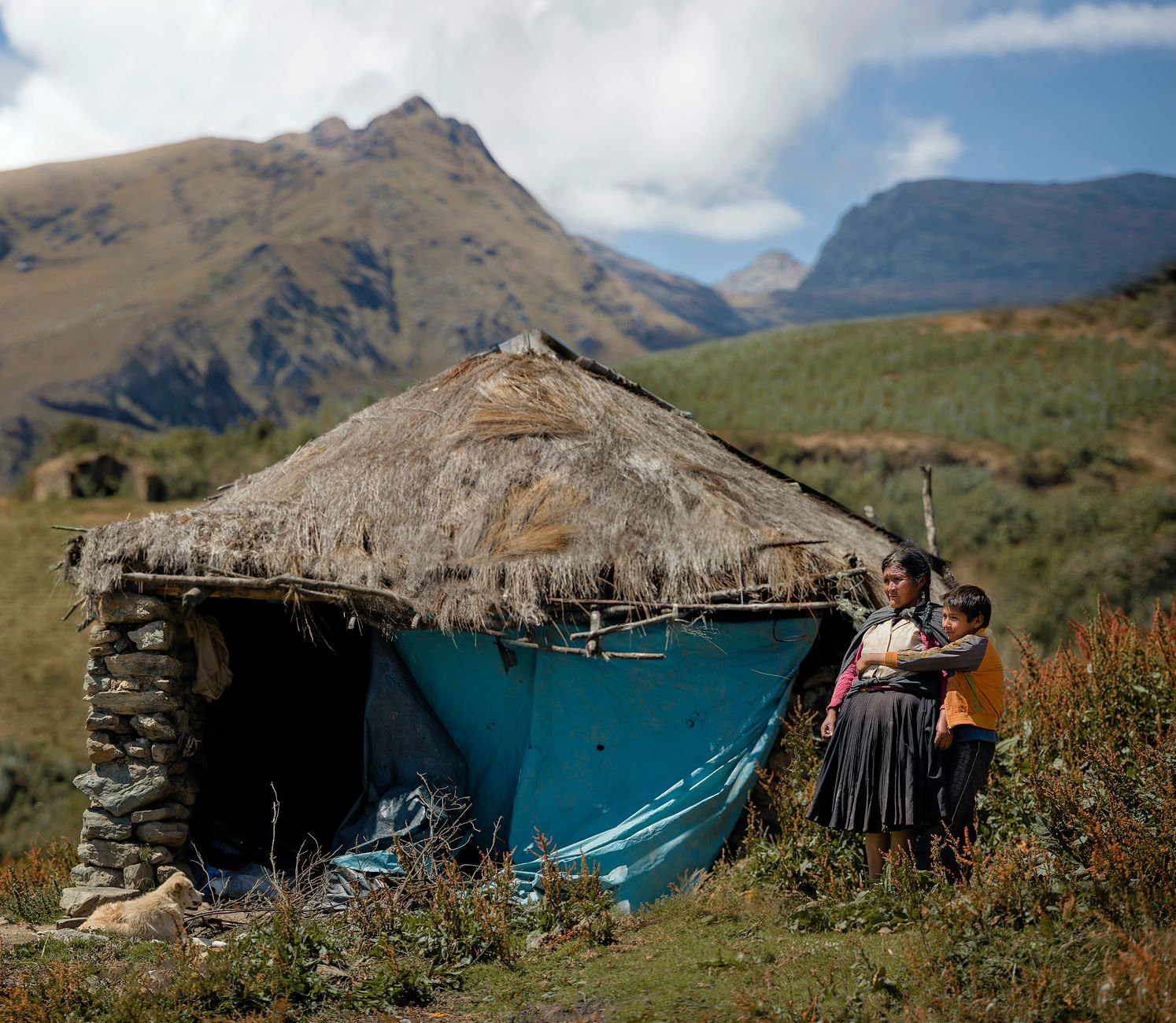
The range sits within the Apolobamba Integrated Management Natural Area, a protected zone covering roughly 483,000 hectares of high puna grassland, wetlands, cloud forest, and glaciated peaks. It is the kind of place that rewards travelers who do their research before they arrive, because infrastructure here is minimal by design – no branded gear shops at the trailhead, no laminated route maps at every junction. What exists instead is a landscape that still operates largely on its own terms, shaped by the Kallawaya people who have inhabited these valleys for centuries and who carry an oral tradition of herbal medicine that UNESCO has formally recognized.
The Lares Alternative Nobody Talks About
The classic Lares Trek in Peru pulls thousands of visitors each year as an alternative approach to Machu Picchu. The Apolobamba circuit does not have a famous ruin waiting at the finish line, which is precisely why it filters out a certain kind of traveler and retains everyone else. The standard multi-day traverse between the villages of Pelechuco and Curva takes four to six days depending on pace, crossing several passes above 4,800 meters and moving through landscapes that shift from glaciated ridgelines to valleys where vicuna graze alongside llama herds managed by Quechua-speaking communities.
Acclimatization is not optional here – it is the price of admission. Most trekkers approach after spending several days in La Paz or around Lake Titicaca, letting their bodies adjust before attempting passes at altitude. The rewards for that patience are views of peaks including Chaupi Orco and Cololo that rarely appear on travel magazine covers, partly because reaching them requires genuine logistical effort. That effort, counterintuitively, is the appeal. Bolivia’s broader travel landscape offers other rewarding routes for those building an itinerary – the Yungas Road corridor draws cloud forest wanderers on a completely different terrain profile – but the Apolobamba occupies its own category entirely.
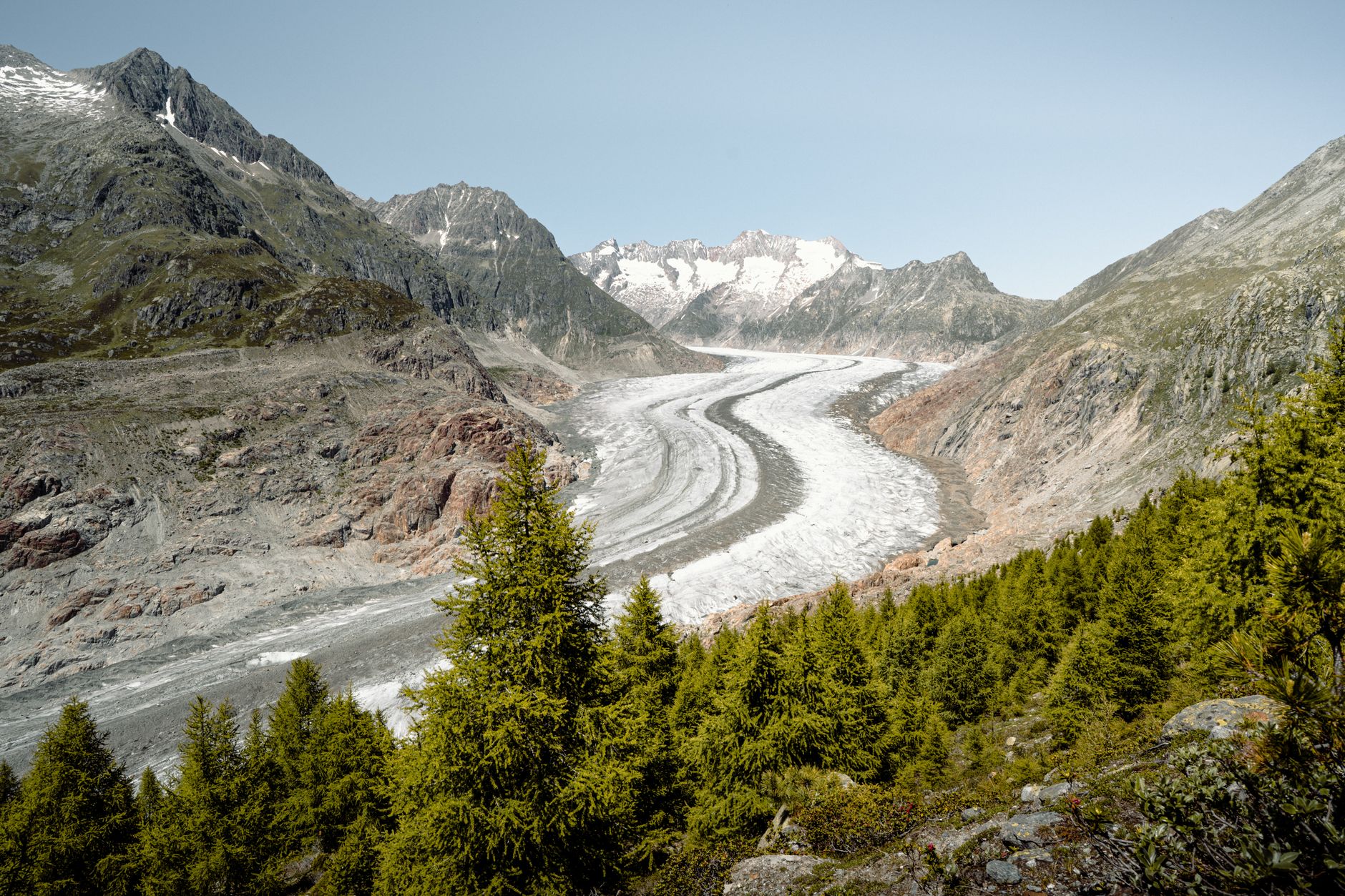
Why This Range Holds Up Against Better-Known Glacier Circuits
The honest comparison to make is not between Apolobamba and Patagonia – the landscapes are too different for that to be useful. The more direct comparison is with the Huayhuash Circuit in Peru, a route that is itself relatively demanding and which has become popular enough that permits and campsite fees are now tightly managed. Huayhuash is spectacular. It is also, depending on the season, crowded enough that solitude at camp requires luck. The Apolobamba circuit does not have that problem yet. On many days during the dry season window of May through October, trekkers report covering entire passes without encountering another international visitor.
The glacier situation across the Apolobamba is worth stating plainly: these glaciers are retreating, as they are across the tropical Andes as a whole. Bolivian glaciologists and the scientific community tracking cryosphere change have documented consistent losses at high-altitude sites across the country over recent decades. That context matters for planning purposes. Some routes that were straightforward crossings a generation ago now require navigating around exposed moraine that was previously ice-covered. Guides with current local knowledge are not a luxury here – they are the most useful investment a trekker can make, both for safety and for understanding how the landscape has changed.
Culturally, the Apolobamba offers something that purely glaciated wilderness areas rarely can. The Kallawaya, known historically as itinerant healers who traveled across the Andes and Amazonian lowlands carrying knowledge of medicinal plants, still maintain communities in the valleys below the ice line. Trekking routes pass through or near settlements where that tradition remains active. The interaction is not performative tourism – it is simply geography. The path goes through these communities because the communities are there, because they have always been there, because the mountains and the people who understand them are inseparable in this part of Bolivia.
Logistically, the entry point for most trekkers is the town of Pelechuco, reachable by a long and occasionally harrowing road journey from La Paz – a trip that takes the better part of a day and involves unpaved mountain roads that require a sturdy vehicle. That journey alone deters casual visitors. Gear rental in Apolobamba itself is limited, so trekkers need to arrive properly equipped, ideally having sourced supplies in La Paz. Camping equipment, cold-weather layers, and a quality water filtration system are non-negotiable at this altitude. The region does have local guide associations operating out of the gateway communities, and hiring through them directly supports families who have generations of route knowledge and whose involvement in trekking tourism helps make the case locally for conservation over extractive land use. The question that hangs over the range – as visitor numbers slowly tick upward year on year – is whether the infrastructure will scale in a way that preserves what makes it worth visiting in the first place.