
The Lake That Turns Bolivia Red
Salar de Uyuni gets the magazine covers, the Instagram reels, the bucket-list checkmarks. Its vast white salt flats photograph like a dream and have become the default shorthand for Bolivian wilderness tourism. But roughly 350 kilometers to the southwest, sitting at an altitude of around 4,278 meters in the Eduardo Avaroa Andean Fauna National Reserve, Laguna Colorada does something Uyuni simply cannot: it bleeds red. The lake’s striking crimson and rust hues come from red algae and sediment that stain the shallow water, producing a color palette that shifts through burnt orange, magenta, and deep burgundy depending on the angle of the light and the time of day.
What draws a specific kind of traveler here is not the color alone.
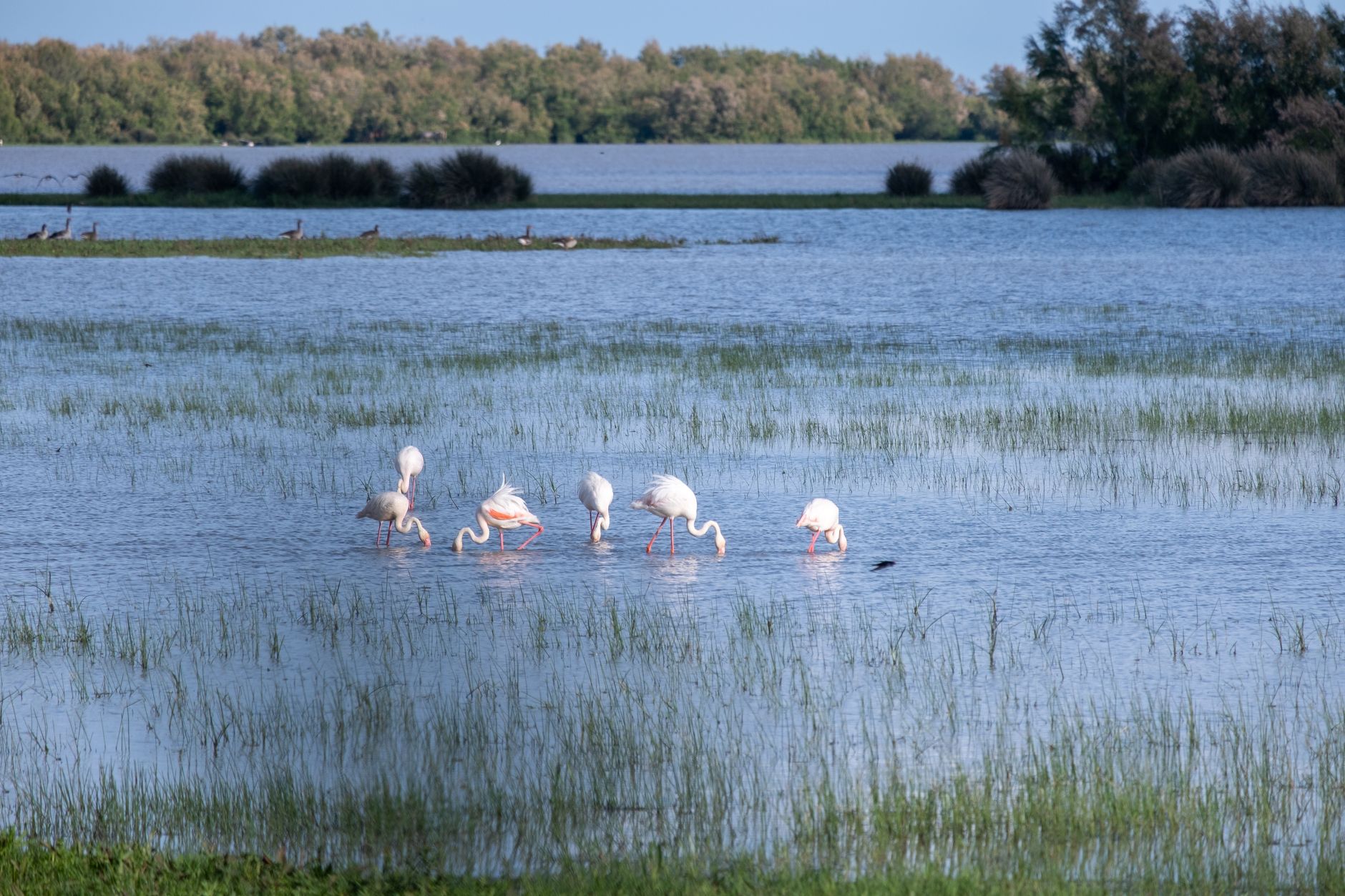
Laguna Colorada is one of the most important breeding habitats in South America for the James’s flamingo, a species found nowhere else in the world outside the high-altitude lakes of the Andes. Thousands of flamingos wade through the shallow, mineral-rich water in loose, drifting congregations, their pink plumage cutting against the red surface in a way that makes the entire scene feel faintly unreal. Three flamingo species can be spotted here total – the James’s, the Andean, and the Chilean – making it a rare location where all three coexist in one view.
Getting There Is the Point
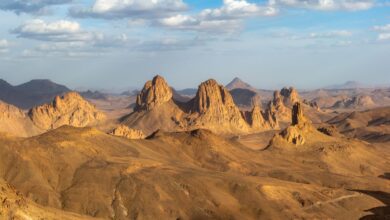
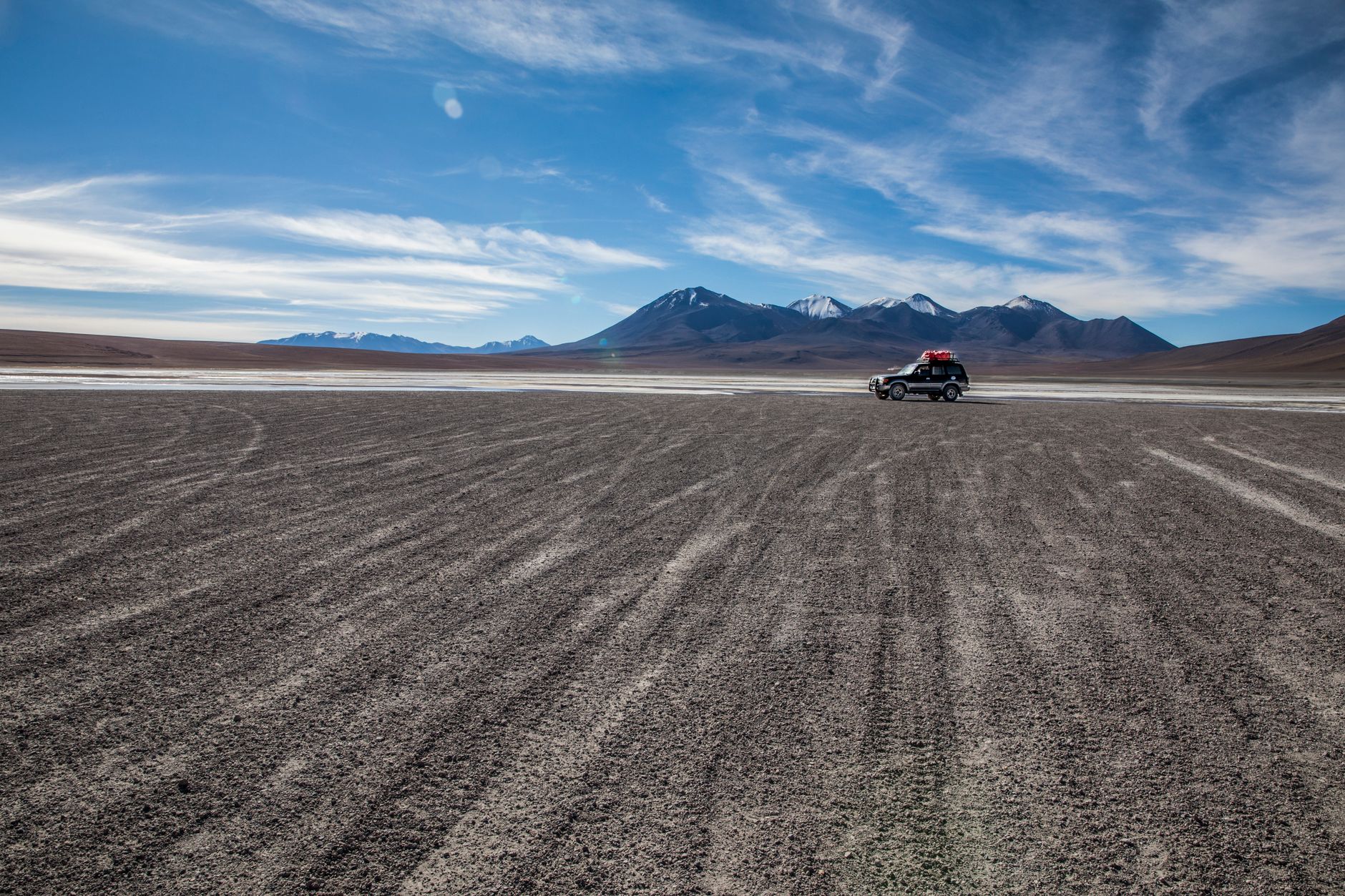
Laguna Colorada is not the kind of place you stumble into on a layover extension. Reaching it requires commitment. Most visitors access the lake as part of a multi-day 4×4 jeep tour departing from the town of Uyuni or from the Chilean border crossing at San Pedro de Atacama. The standard route takes three days, covering a string of altiplano landscapes – geysers, hot springs, volcanic rock formations, and eerily still lakes – before arriving at Laguna Colorada, typically on the second day of the circuit. Roads are unpaved and conditions vary sharply by season, with the austral winter months of June through August offering clear skies but brutal overnight temperatures that can drop well below freezing.
The altitude is the variable most travelers underestimate. At over 4,000 meters, altitude sickness is a real consideration, and the physical effects – headaches, shortness of breath, fatigue – can arrive without much warning. Acclimatizing for at least two days in a city like Potosi or La Paz before attempting the southern altiplano circuit is a practical approach, not an optional luxury. Most tour operators offer basic altitude medication, but the responsibility ultimately falls on the traveler to monitor their own condition and communicate early with guides if symptoms escalate.
Accommodation near the lake runs basic. A handful of simple refugios, often without reliable heating or consistent hot water, sit within reach of the shoreline. Nights are genuinely cold, blankets are heavy wool, and the silence after sunset is the kind that cities never produce. For the traveler who has traded comfort for access before, the setup is familiar. For everyone else, it is a calibration.
Why It Feels Different From Uyuni
Uyuni’s salt flats reward the camera above almost everything else. The experience is visual, geometric, and largely static – travelers walk out onto the white expanse, take their perspective-play photographs, and process the scale of the place from a comfortable distance. Laguna Colorada operates differently. The flamingos are not a backdrop; they are moving, feeding, calling, and occasionally taking flight in low formations across the water. Watching several thousand birds lift off the surface in a single wave is the kind of moment that does not compress well into a photo and does not need to.
The wildlife density at Laguna Colorada also extends beyond the flamingos. Vicunas – wild relatives of the llama – graze along the lake’s edges with minimal concern for human presence. Andean foxes appear at dawn. The occasional puna rhea moves through the scrub at the lake’s perimeter. The Eduardo Avaroa Reserve as a whole protects a high-altitude ecosystem that remains under relatively low visitor pressure compared to the heavily trafficked Uyuni basin, which means wildlife encounters here carry a quality of genuine spontaneity rather than managed access. That contrast is growing harder to find across South America’s most visited natural sites.
There is also a sensory quality to the place that photographs strip away entirely. The sulfuric smell from nearby geothermal vents hangs faintly in the cold air. The sound of wind across water at this altitude has a particular flatness to it. The light at sunrise, arriving fast and horizontal across the red lake surface, does not build slowly – it arrives all at once, turning the water a shade that has no clean name in English.
What to Know Before You Go
The dry season, roughly May through October, offers the clearest skies and most stable road conditions, though temperatures at night can be severe even in what passes for summer at this elevation. The wet season, November through March, brings occasional road closures and reduced visibility but also higher water levels that concentrate flamingo activity closer to shore and produce dramatic cloudscapes above the altiplano. Neither season is categorically better – the trade-offs are real in both directions, and the right timing depends almost entirely on what a traveler is willing to manage.
Tour selection matters more than many travelers initially assume. The three-day Uyuni circuit is a competitive market, and pricing differences between operators often reflect genuine differences in vehicle quality, guide experience, and accommodation arrangements rather than simple margin variation. Spending time comparing itineraries before booking – rather than selecting on price alone – is the kind of decision that shapes the entire trip. Guides who speak both Spanish and English and who have specific knowledge of the Eduardo Avaroa Reserve are a meaningful upgrade over generalist drivers covering the same route.
Bolivia requires a tourist visa for some nationalities, and entry requirements are worth verifying well in advance through the official Bolivian consulate or embassy in your country of residence. The Eduardo Avaroa National Reserve charges a separate entry fee payable in cash at the gate – bolivianos or US dollars are both accepted, but smaller bills make the transaction easier. The flamingos, for their part, are not seasonal attractions in the way many wildlife destinations are managed. They are present year-round at Laguna Colorada, because the lake’s chemistry supports them regardless of what the calendar says.
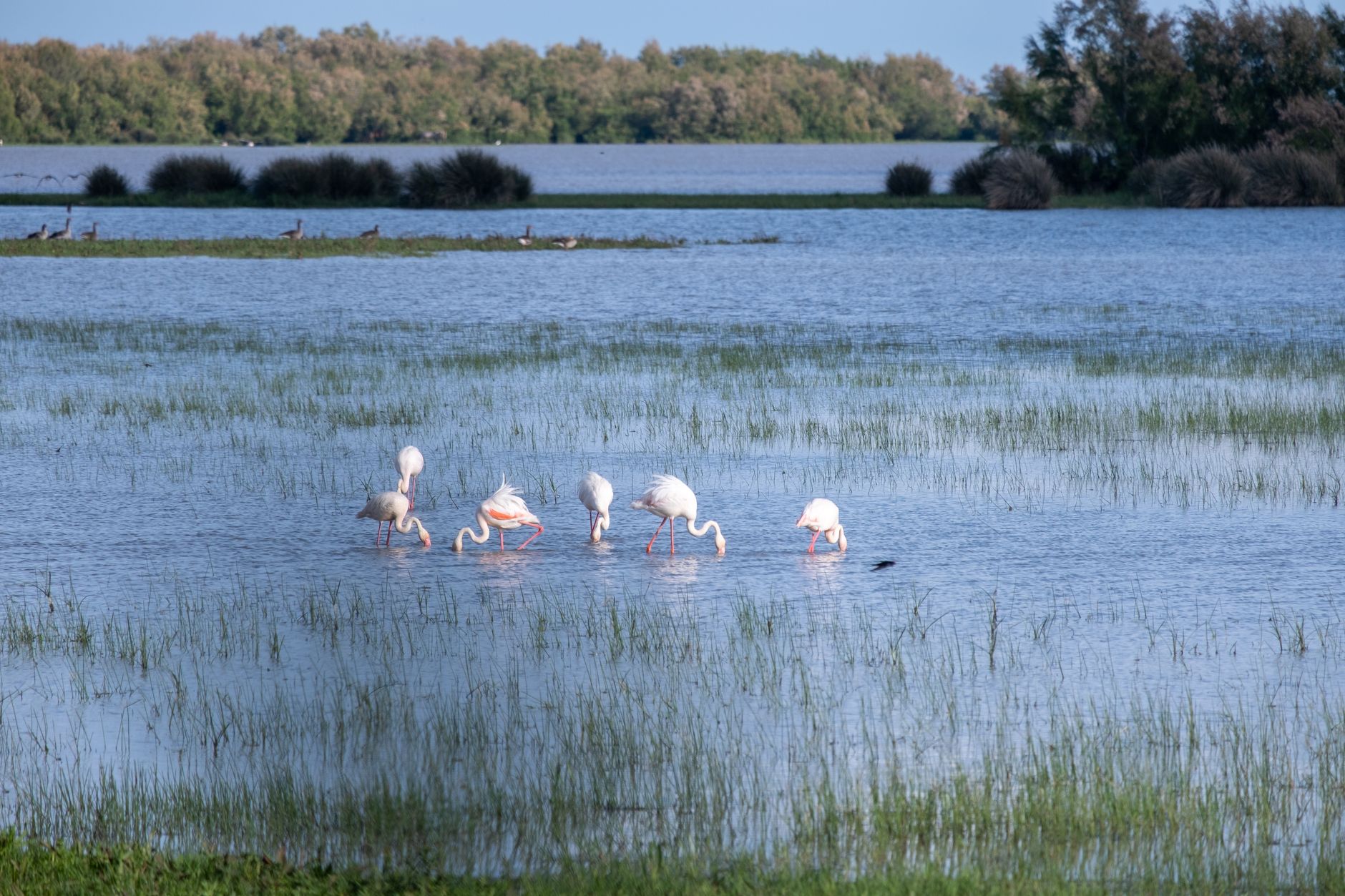
Bolivia draws far fewer international visitors annually than Peru or Argentina, which means Laguna Colorada still runs at a pace that allows for actual stillness at the water’s edge – the kind where you wait for the flamingos to drift toward you rather than the other way around. That window will not stay open indefinitely.