
Where Angkor’s Shadow Doesn’t Reach
Most visitors to Cambodia follow the same well-worn path: fly into Siem Reap, spend three days photographing temple spires at sunrise, and leave having seen “Cambodia.” It’s a perfectly worthwhile trip. But a growing number of travelers are routing their itineraries southwest, toward a wilderness that gets a fraction of the foot traffic and rewards those who show up with something Angkor simply cannot offer – silence, wildlife, and the sensation of being genuinely far from a gift shop.
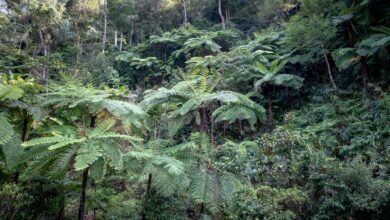
The Cardamom Mountains cover roughly 4.5 million hectares across southwestern Cambodia, making them one of the largest intact tropical forest blocks remaining in mainland Southeast Asia. They shelter clouded leopards, Siamese crocodiles, Asian elephants, and sun bears – species that have been pushed out of most of the region’s other protected areas. The rivers running through the range feed into the Gulf of Thailand and supply water to communities across three provinces. This is not a decorative wilderness. It functions.
And almost nobody who visits Cambodia knows it’s there.
Getting In, Staying Present
The main entry points for independent travelers are Chi Phat, a community-based ecotourism village on the Preak Piphot River, and Thma Bang, a smaller settlement deeper into the range. Chi Phat is the more developed of the two, with local guides, basic guesthouses, and a community organization that coordinates trekking, kayaking, and mountain biking routes. The infrastructure is modest by design – the village made a collective decision years ago to shift from illegal logging and wildlife poaching toward conservation-led tourism, and that shift required keeping commercial development slow and locally controlled.
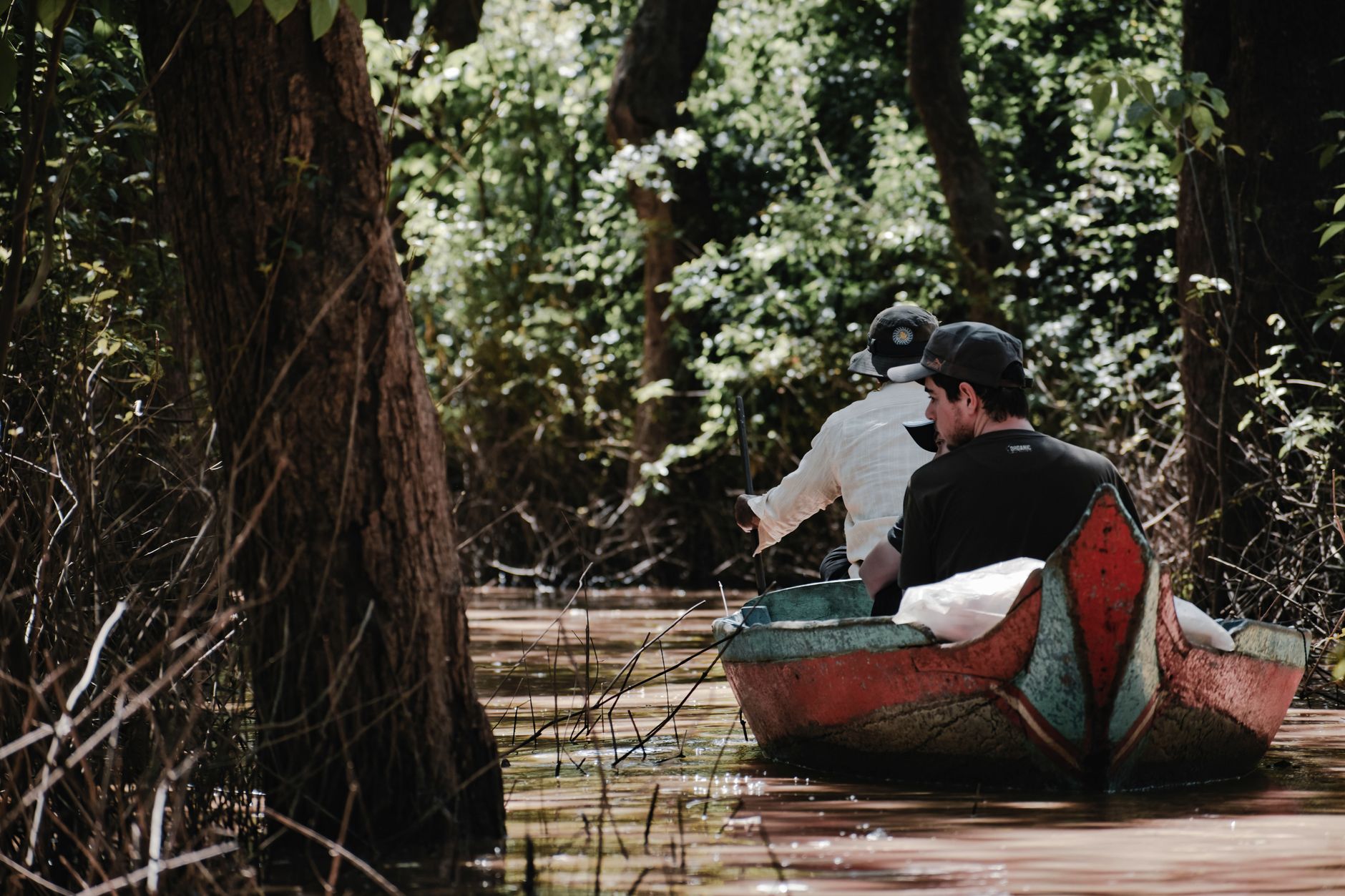
Getting to Chi Phat from Phnom Penh takes the better part of a day. You take a bus or taxi to Andoung Teuk on National Road 48, then board a longtail boat for roughly two hours along the river. The journey itself is part of the draw. The riverbanks narrow as you go deeper, the canopy thickens, and by the time you arrive the traffic noise of Phnom Penh feels like something from another continent. Travelers who have done both the Angkor circuit and the Cardamoms consistently describe the river approach to Chi Phat as the moment Cambodia clicked into focus for them.
Accommodation runs toward bamboo bungalows and homestays. Meals are cooked by local families. The economy of the visit stays almost entirely in the village, which is a stronger argument for going than any description of the scenery.
What the Forest Actually Delivers
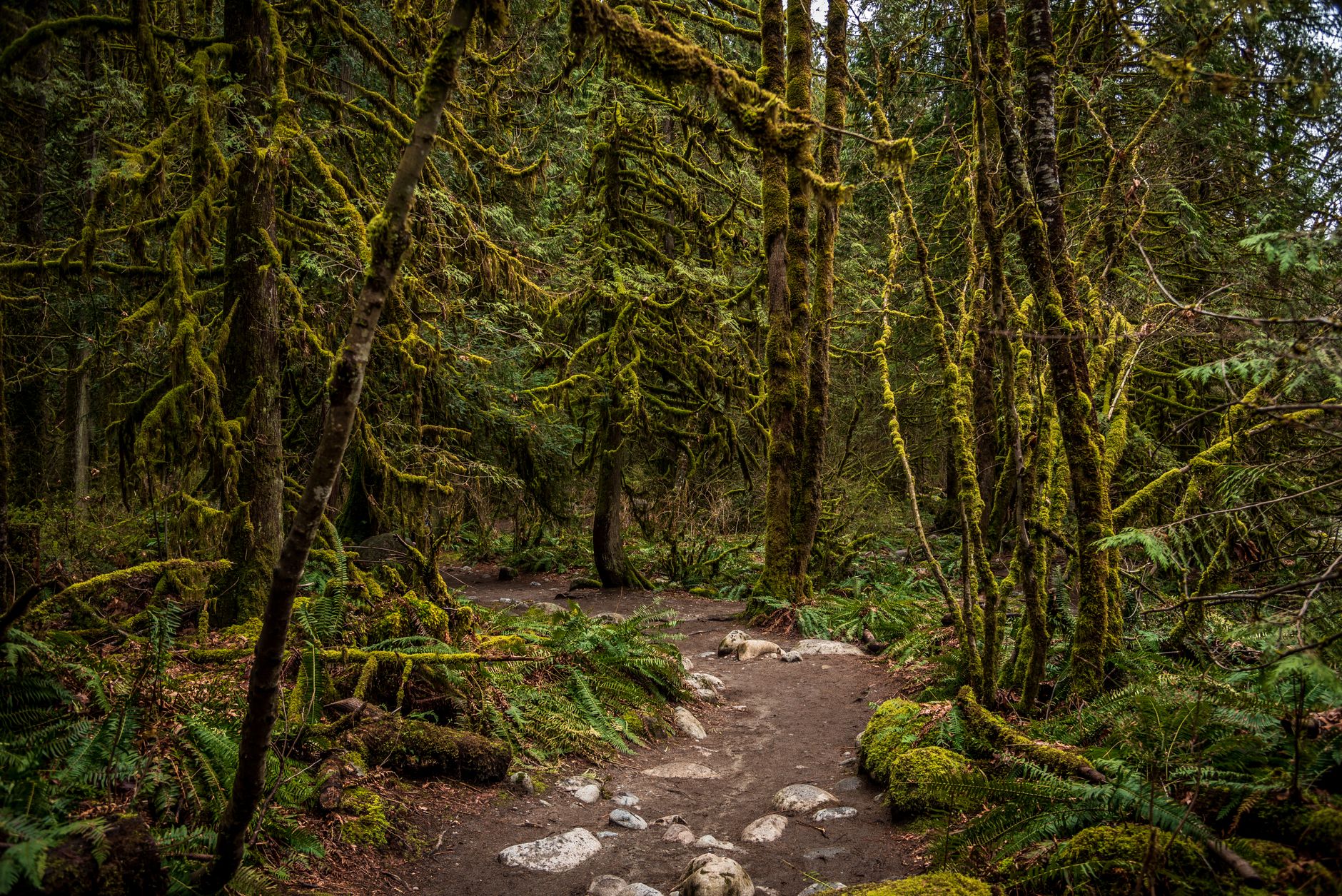
Trekking routes in the Cardamoms range from half-day walks along ridge trails to multi-day expeditions that push into areas where wildlife sightings – gibbons, hornbills, monitor lizards – are routine rather than lucky. The longer routes require overnight camping and a local guide, which the community organization arranges. The trails are not manicured. Roots cross the path, river crossings happen on foot, and the elevation changes are real. Travelers who arrive expecting the managed comfort of a safari resort will find the Cardamoms disorienting in the best possible way.
The wet season, roughly May through October, makes some routes impassable but turns the forest into something close to theatrical – waterfalls that are dry channels in December become roaring drops, and the vegetation reaches a density that makes the forest feel like a living wall on both sides of the trail. The dry season, November through April, opens more routes and makes river travel easier, but the landscape loses some of its intensity. Most experienced jungle travelers prefer the shoulder months of October and November, when the rain is tapering off but the forest is still saturated and alive.
Birding is a particular draw. The Cardamoms sit within a flyway that makes them critical habitat for migratory species, and a number of birds that have vanished from Thailand and Vietnam still breed here. Local guides who specialize in birding routes have developed detailed knowledge of nesting sites and seasonal patterns that no published field guide captures.
The Conservation Arithmetic
The Cardamom Mountains have been under pressure for decades – from illegal logging, land concessions granted to agricultural companies, and the slow encroachment of road infrastructure that opens previously inaccessible forest to extraction. Conservation organizations working in the range have focused on community-based models precisely because enforcement alone has a poor track record in remote tropical forests. When local communities have a direct financial stake in keeping the forest standing, the economics of poaching and logging become less attractive. Chi Phat is the clearest working example of that logic in the Cardamoms, though the model is not without friction – land tenure disputes and pressure from outside commercial interests remain ongoing complications rather than resolved history.
Tourism dollars matter here in a way they don’t at Angkor, where visitor fees go into a national system and the revenue distribution is diffuse. In Chi Phat, the fee you pay for a guide, a guesthouse bed, or a boat transfer is traceable to a specific household or community fund. That directness is worth something when you’re deciding where to spend a week in Cambodia.

Angkor will always deserve its reputation – the temple complex is an architectural achievement on a scale that requires no exaggeration. But the Cardamoms answer a different question entirely, the one about what Cambodia looked like before there was anything to photograph, before the tour buses arrived, before the sunrise was scheduled. That forest is still there, still intact enough to matter, and the window for visiting it on its own terms may not stay open indefinitely.