
The Jungle Nobody Talks About
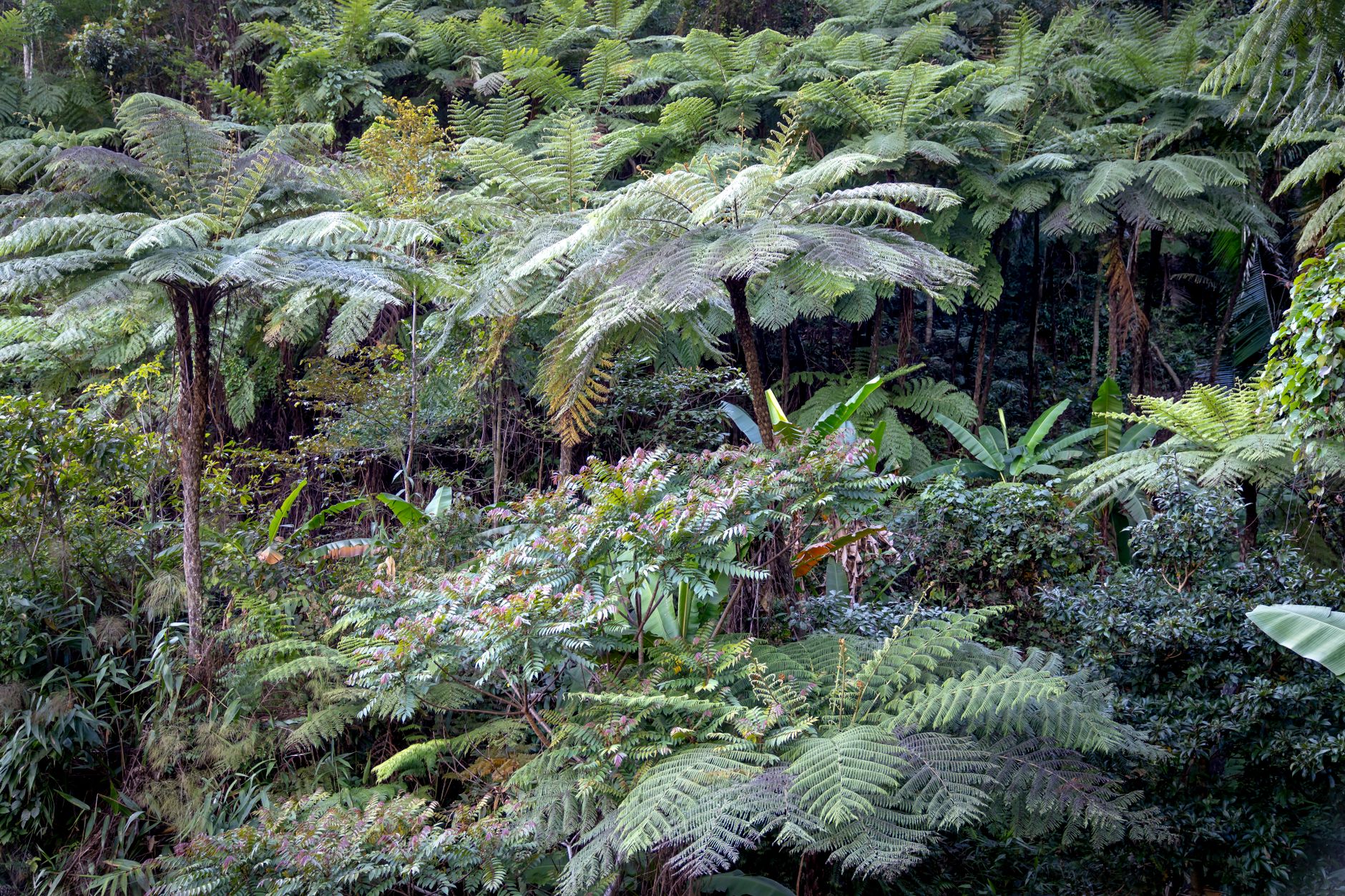
Angkor Wat gets the guidebooks, the Instagram grids, and the sunrise crowds. But tucked into Cambodia’s southwest corner, bordering Thailand and the Gulf of Thailand, the Cardamom Mountains hold a different kind of power – one that rewards patience over itinerary-packing. This is old-growth rainforest on a scale that shocks first-time visitors: a continuous canopy stretching across roughly four million acres, sheltering clouded leopards, Siamese crocodiles, and hundreds of bird species that draw serious wildlife watchers from across the globe.
Angkor is architecture. The Cardamoms are alive.
The range has long been protected partly by geography and partly by history. During the Khmer Rouge era, the mountains served as one of the last holdout zones, making them inaccessible to outside development for decades. That dark chapter inadvertently preserved what might otherwise have become plantation land or logged-out hillsides. Conservation organizations began working with local communities in the early 2000s, and the slow, deliberate process of ecotourism development means the infrastructure exists now – but only just, and only for travelers who want it that way.
Getting In, Getting Lost
The main gateway towns are Koh Kong in the west and Chi Phat to the south, each accessible by road or river depending on how deep into the experience you want to go. Chi Phat, in particular, functions as a community-based ecotourism hub where local families run guesthouses, trained guides lead multi-day jungle treks, and the money stays inside the village. There are no resort chains here. There are hammocks, river crossings, leeches after rain, and skies so dark at night that the Milky Way looks hand-painted.
Trekking routes range from half-day riverside walks to five-day wilderness circuits that push into the core protected areas. The terrain is genuinely demanding – not Everest base camp demanding, but the humidity alone adds a layer of physical effort that levels the playing field between seasoned hikers and enthusiastic beginners. Guides carry machetes not as theater but out of necessity. Trails reclaim themselves fast when the wet season ends and the forest exhales.
Wildlife sightings are not guaranteed in the way that zoo trips are, and that honesty is part of the appeal. Pileated gibbons call at dawn with a sound that carries across the canopy like a slow alarm. Sun bears leave claw marks on dipterocarp trees. Fishing cats – smaller than most people expect, spotted like a domestic tabby that evolved with more ambition – are occasionally spotted near stream banks at dusk. The Cardamoms reward the traveler who moves quietly and accepts that the jungle is not a performance put on for visitors.
What the Infrastructure Actually Looks Like
Community tourism here is functional, not luxurious, and that distinction matters before you book. Guesthouses in Chi Phat typically offer basic fan rooms, shared bathrooms, and meals built around local ingredients – river fish, sticky rice, vegetables grown nearby. Electricity runs on limited hours in some areas. The internet exists but misbehaves. This is not a complaint; it is a description of a place that has chosen depth over polish.
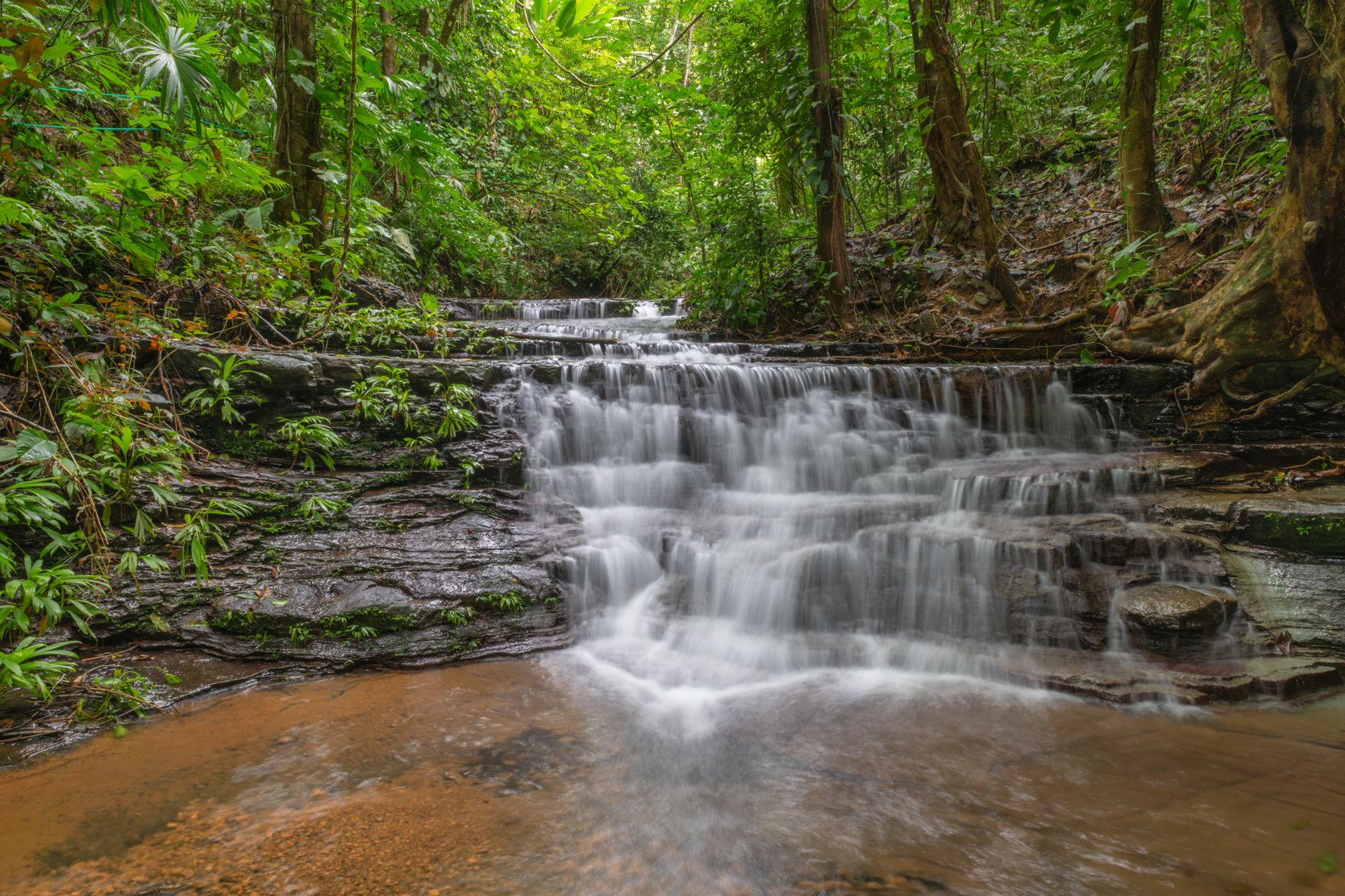
Boat transfers connect some of the more remote river camps, and mountain biking has become a growing way to move between villages on the southern edges of the range. Kayaking on the Preak Piphot River is a legitimate half-day option for those who want water without the full wilderness commitment. Several operators based in Phnom Penh and Sihanoukville offer guided Cardamom packages, and booking through a community-linked organization rather than a generic tour aggregator keeps the economic benefit where it belongs.
The best time to visit falls between November and April, when the trails dry out and the forest opens up visually. The wet season, June through October, is not impossible – some travelers actively prefer it for the intensity of the green and the near-empty trails – but river crossings can become impassable and leeches become a constant negotiation. Packing light, packing waterproof, and leaving rigid expectations at the guesthouse door is the baseline requirement for enjoying the Cardamoms on their own terms.
Why This Place Is Still Quiet
Southeast Asia has no shortage of promoted nature destinations, yet the Cardamom Mountains have resisted becoming a brand. Part of that comes from the deliberate approach of the conservation groups managing visitor access – keeping numbers low protects the ecosystem and the community economic model simultaneously. Part of it is simply distance from the standard Cambodia tourist trail: most visitors fly into Siem Reap, see the temples, maybe head to Phnom Penh, and leave without ever knowing the southwest corner exists. The Cardamoms ask travelers to reroute, to spend an extra day on a bus or a slow boat, to choose inconvenience as an act of intention.
There is a parallel in how travelers are starting to seek out places like Kyrgyzstan’s Sary-Chelek Biosphere over their country’s more famous lakes – regions where the conservation framework and the tourism infrastructure arrived together rather than one trailing the other in damage control. The Cardamoms are that kind of place: the protection came first, and the welcome followed from it.
The clouded leopard has never been successfully photographed in the Cardamoms by a tourist. Rangers have camera trap footage. Guides have stories. That gap – between what the forest holds and what any single visitor will actually see – is exactly the reason to go.
Frequently Asked Questions
How do you get to the Cardamom Mountains in Cambodia?
The main gateways are Koh Kong and Chi Phat, reachable by road or river from Phnom Penh or Sihanoukville. Chi Phat is the main community ecotourism hub.
What wildlife can you see in the Cardamom Mountains?
The range shelters clouded leopards, sun bears, Siamese crocodiles, pileated gibbons, fishing cats, and hundreds of bird species, though sightings are never guaranteed.