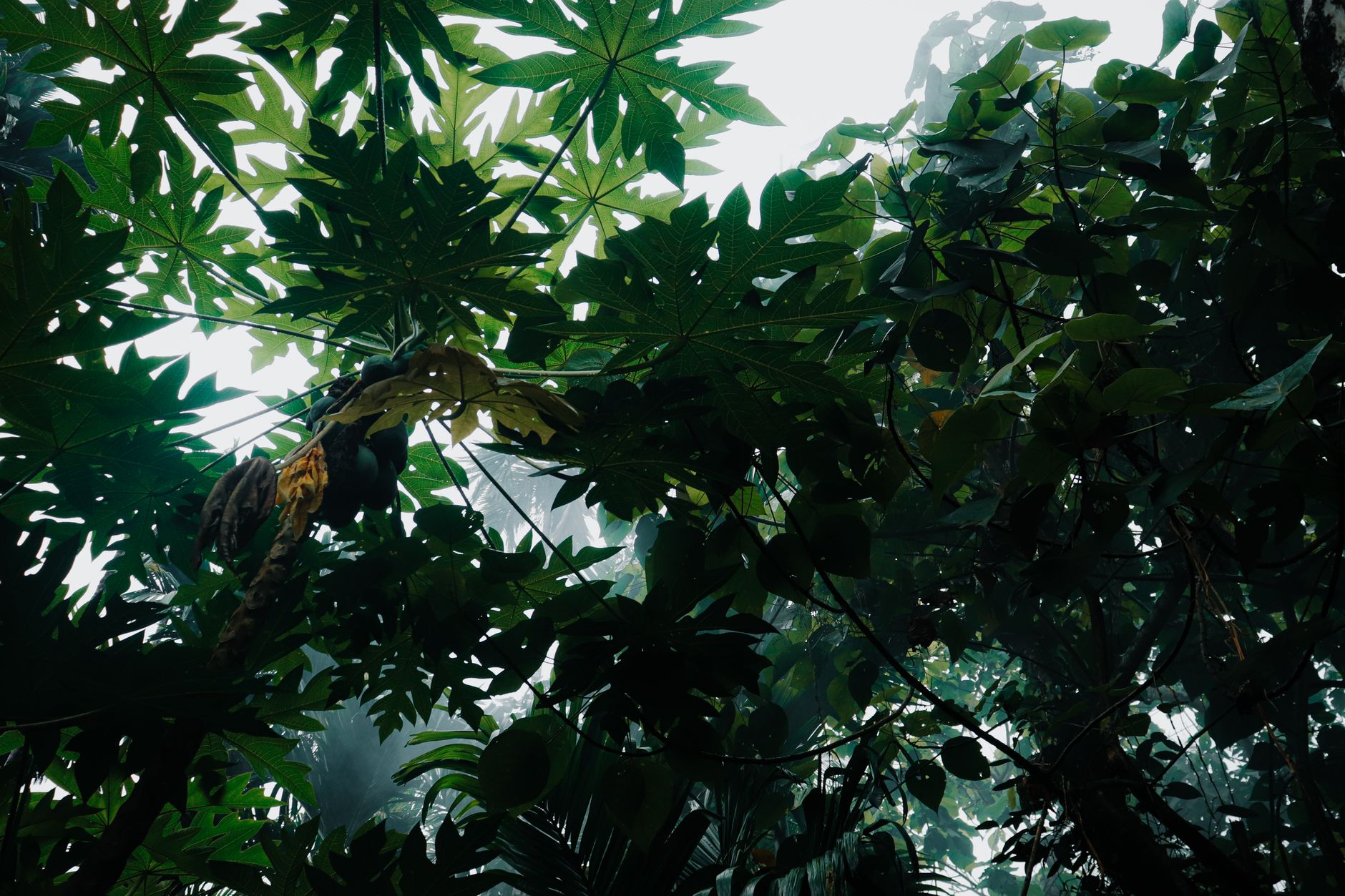
Cameroon’s Lobéké National Park Quietly Rivals Dzanga-Sangha for Forest Wanderers

The Park That Keeps Not Getting Credit
Dzanga-Sangha, straddling the Central African Republic just across Cameroon’s eastern border, has long owned the conversation about western lowland gorilla encounters and forest elephant gatherings. Wildlife documentaries reference it. Conservation organizations name-drop it. Serious safari planners build entire Central Africa itineraries around it. Meanwhile, Lobeke National Park sits in Cameroon’s extreme southeast, sharing the same dense Congo Basin forest, the same species, and very nearly the same ecosystem – and receives a fraction of the attention.
That gap has less to do with what Lobeke offers and more to do with how it has been packaged, or rather, how it hasn’t been.
Lobeke covers roughly 217,000 hectares of lowland rainforest in the Boumba-et-Ngoko region, forming one corner of the Sangha Trinational landscape – a UNESCO World Heritage site shared by Cameroon, the Republic of Congo, and the Central African Republic. The park does not operate in isolation. Animals cross borders freely. A forest elephant photographed at a bai in Lobeke may well appear at Dzanga-Sangha’s famous saline clearing weeks later. The conservation geography is unified even if the tourism economy isn’t.
What the Forest Actually Holds
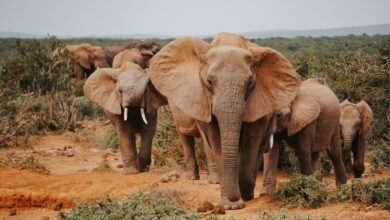
The wildlife density inside Lobeke is not a consolation prize. The park holds substantial populations of western lowland gorillas, forest elephants, bongo antelope, and chimpanzees. Bais – natural forest clearings where minerals leach to the surface – draw animals out of the canopy cover in ways that make observation possible without the exhausting hours of dense-bush tracking that define many Central African wildlife encounters. Species like sitatunga and red river hog appear regularly at these clearings at dawn, and the forest canopy overhead runs continuous with hornbills, African grey parrots, and a range of raptors that ornithologists treat seriously.
The Ba’Aka people, a semi-nomadic forest community with centuries of knowledge about this specific ecosystem, have historically worked as trackers and guides in the region. Their understanding of gorilla movement patterns, forest paths, and animal behavior adds a layer of depth to Lobeke visits that no field manual can replicate. Several lodges and conservation programs operating near the park have formalized this relationship, bringing Ba’Aka trackers into guiding roles that benefit both parties. The experience of following a Ba’Aka tracker through secondary forest growth, reading signs on bark and soil that would register as nothing to an untrained eye, is qualitatively different from a vehicle-based game drive.
Gorilla habituation visits in Lobeke operate under strict protocols limiting group size and contact time – a practice designed to protect the animals from disease transmission and stress. This means visitor numbers stay low by design, not by accident, which is precisely why the encounters feel less staged than in parks where gorilla tourism has been running at scale for decades. The animals’ behavior around humans is calm but not performative. They continue eating, grooming, and moving through their range with minimal adjustment for the small group watching from a respectful distance.
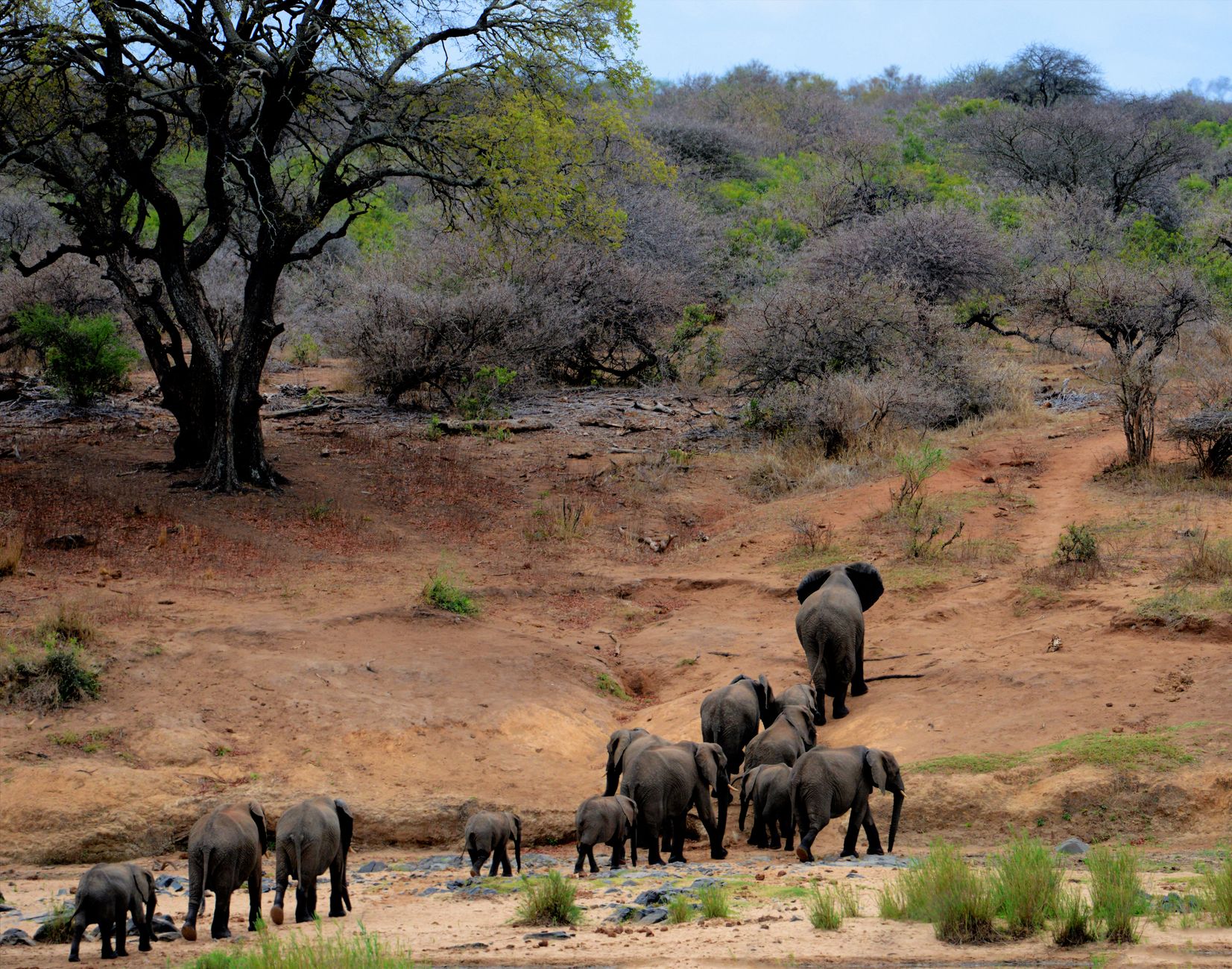
The Logistics Case for Lobeke
Getting to Lobeke takes effort. The nearest major city is Bertoua, reachable by road from Yaounde in roughly six hours under reasonable road conditions, though conditions fluctuate by season. From Bertoua, the journey continues southeast toward the town of Yokadouma, and from there another stretch of road leads toward the park’s boundaries. None of this is a quick transfer. Travelers who require efficient, polished logistics should calibrate their expectations. Those who have found, as many dedicated wildlife travelers do, that the difficulty of access directly correlates with the quality of the experience once inside – those travelers tend to come away satisfied.
The accommodation situation inside and around Lobeke is limited but functional. A small number of ecolodges and research-affiliated camps operate in the area, some with generator power and basic but adequate comfort, others more austere. WWF and other conservation organizations have maintained a presence here for years, and their infrastructure has shaped what’s available to visitors. This is not a park with a luxury tented camp on a riverbank and a spa menu. It is a park where meals are shared with field researchers, where night sounds from the surrounding forest are genuine rather than curated, and where the absence of other tourists is the rule, not the anomaly.
The park is best visited during the dry seasons – roughly December through February and June through August – when trails are passable and bai visits are most productive. The wet season transforms movement into a real challenge, and while the forest takes on a different, dramatically green quality worth seeing, the logistics become harder and animal observation at clearings less predictable. For travelers coming specifically to track gorillas or photograph forest elephants, the dry season windows are the practical choice. Permit costs and booking processes run through Cameroon’s Ministry of Forestry and Wildlife, and coordination with a local operator familiar with the park is strongly advisable rather than optional.
The Question Worth Sitting With
Rwanda’s Nyungwe Forest offers a useful comparison point for travelers thinking through Central African forest experiences – its canopy walks and chimpanzee tracking have built a credible alternative to Volcanoes National Park without dismantling what made Volcanoes famous. Lobeke’s relationship to Dzanga-Sangha follows a similar logic, except the gap in international recognition is wider and the infrastructure gap is larger. Whether that changes as Central Africa continues attracting serious wildlife travelers is an open question – but the animals in Lobeke’s bais are not waiting around for the tourism industry to catch up.
Frequently Asked Questions
What animals can you see in Lobeke National Park?
Lobeke holds western lowland gorillas, forest elephants, chimpanzees, bongo antelope, sitatunga, and a wide range of bird species including African grey parrots and hornbills.
How do you get to Lobeke National Park in Cameroon?
The most practical route is Yaounde to Bertoua by road (roughly six hours), then southeast to Yokadouma, and onward to the park. Coordinating with a local operator is strongly recommended.