
Where the Sahara Ends and Something Older Begins
Most travelers who chase rock art fly into Namibia, jostle for permits in Algeria’s Tassili n’Ajjer, or drive the long red roads toward South Africa’s Drakensberg. Chad rarely enters the conversation. The Ennedi Plateau, a sandstone massif rising from the northeastern corner of the country, sits behind layers of logistical difficulty and political caution that have kept it off the mainstream radar for decades. That invisibility is, depending on your appetite for adventure, either the best or worst news you will hear today.
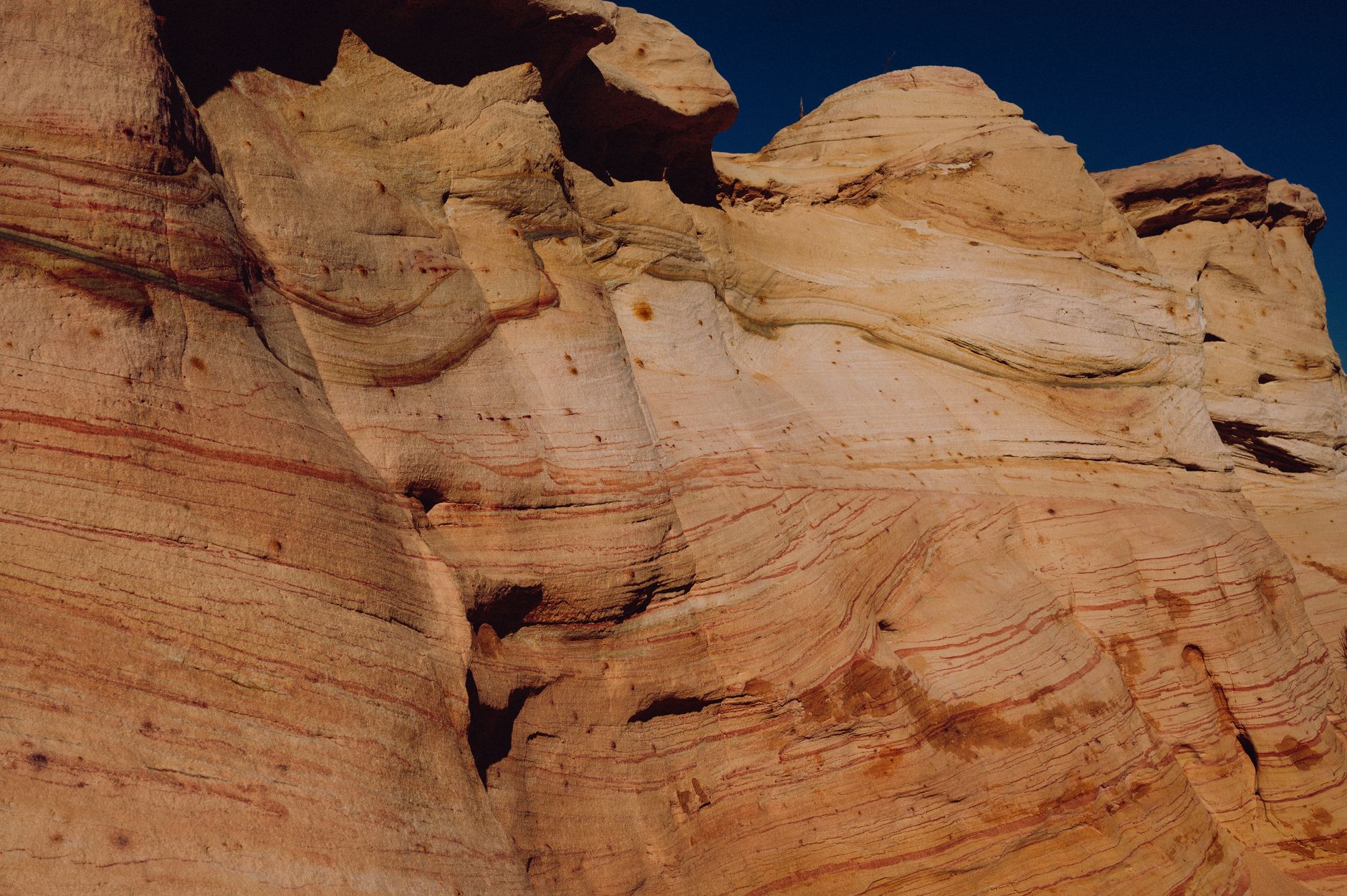
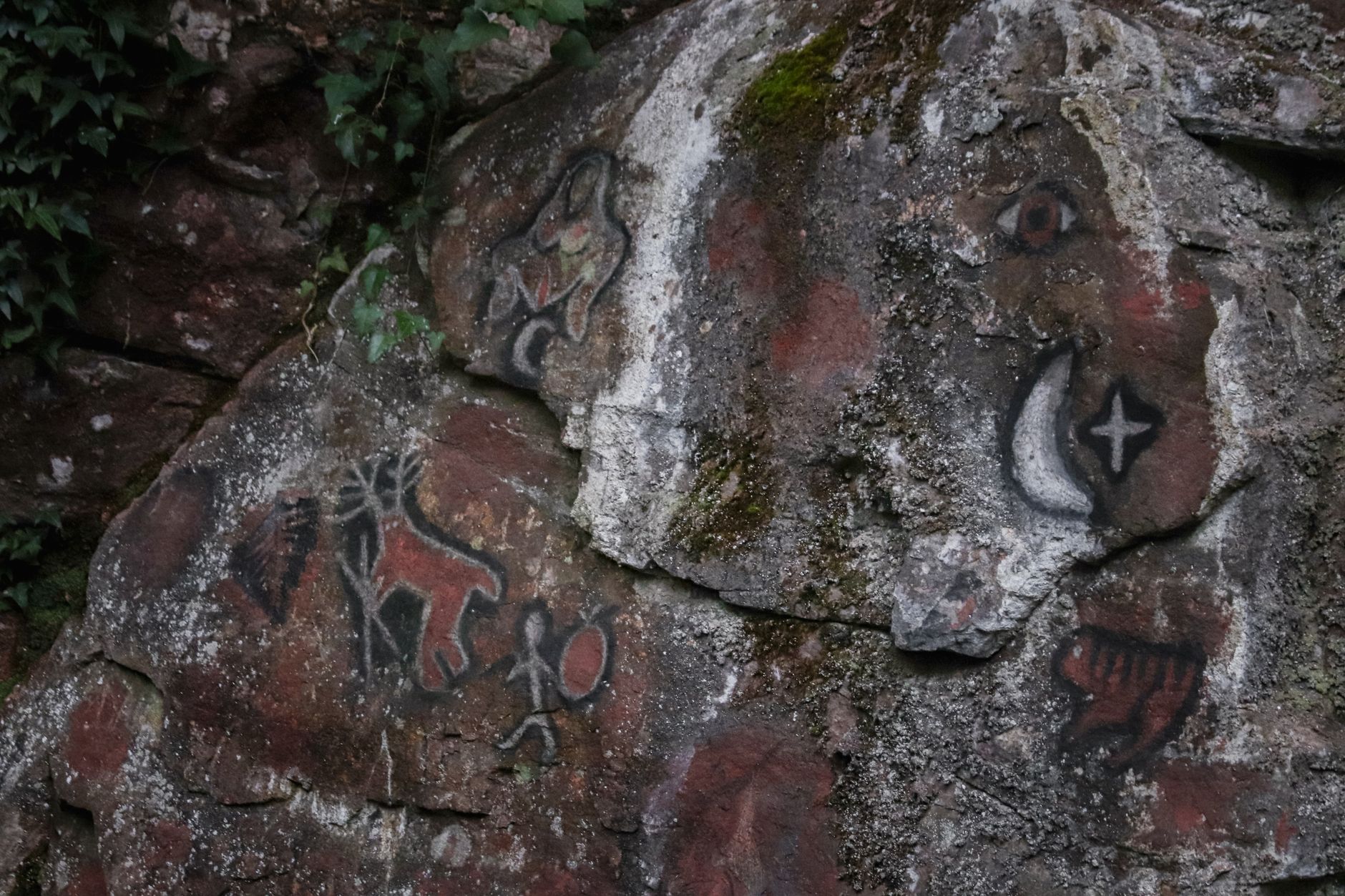
What the Ennedi holds is staggering: thousands of rock paintings and engravings spread across canyon walls, cave shelters, and wind-carved arches, many dating back more than five thousand years. The art depicts cattle, horses, camels, warriors, and giraffes – animals that confirm this part of the Sahara was once fertile grassland, a wet and populated world that dried into silence. UNESCO designated the Ennedi Massif a World Heritage Site in 2016, recognizing both its natural formations and its extraordinary concentration of prehistoric imagery. Still, the tour groups have not arrived in any meaningful numbers.
The silence itself is the draw.
Reading the Walls: What the Rock Art Actually Shows
The paintings in the Ennedi are not uniform. Styles layer across the same rock face like geological strata, evidence of different populations returning to the same shelters across millennia. The oldest pieces – schematic human figures with rounded heads and elongated bodies – sit alongside later pastoral scenes where herders move cattle through what looks like open savanna. Some panels show chariots, connecting Ennedi to wider trans-Saharan trade routes that archaeologists have traced across North Africa. Looking at one wall long enough, you begin reading a sequence of civilizations rather than individual artworks.
The engravings cut into the rock tend to be older than the paintings and far more durable. Rhinoceroses, elephants, and crocodiles appear among them – animals that would find nothing to eat in the Ennedi today. This is one of the plateau’s more quietly devastating details: you are staring at a lost ecology as much as a lost culture. The Guelta d’Archei, a permanent water source deep within the plateau, still shelters a small population of desert-adapted Nile crocodiles, a relic population from that vanished wet world, but they survive only because of the rare water that collects there. The rock art is, in effect, a record of everything that surrounded that water when it was everywhere.
Local Toubou communities have maintained an oral relationship with many of these sites across generations. They are not merely background to the landscape – they are its custodians, and visiting responsibly means traveling with guides who have their trust and their knowledge. Several specialist operators work with Toubou guides specifically to ensure that access to the most sensitive sites is handled with care. The commercial infrastructure is thin, which is precisely what keeps the experience genuine.
Getting There: The Logistics Are Serious, Not Impossible
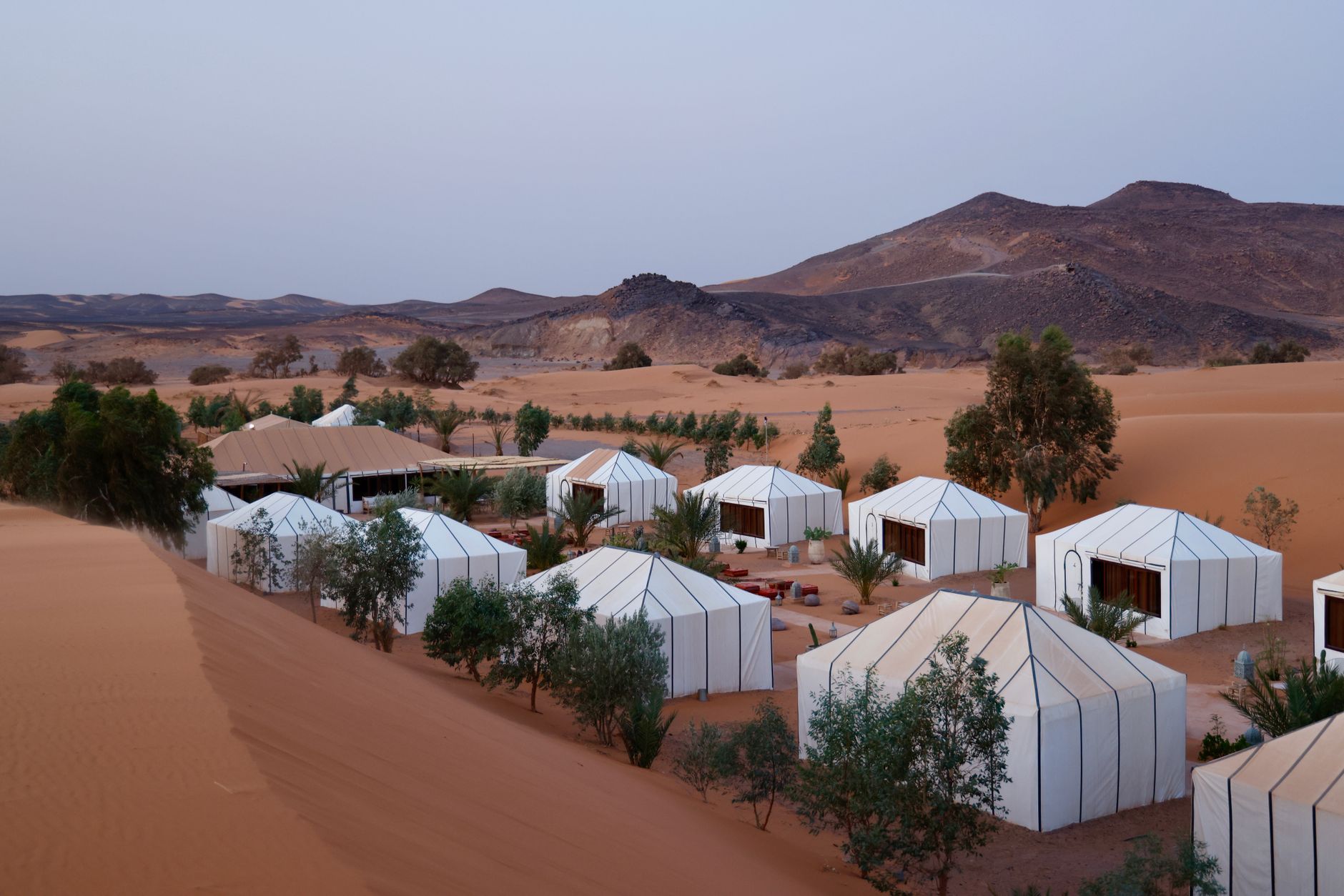
N’Djamena is the entry point for most international travelers, with connections through Addis Ababa, Cairo, and Paris. From the capital, the Ennedi requires a flight to Faya-Largeau or Abeche followed by overland travel in 4×4 vehicles across terrain that demands experienced drivers and well-stocked supplies. There is no tourist infrastructure in the conventional sense: no resort clusters, no marked trails, no visitor centers with laminated maps. What exists instead are small specialist tour operators – mostly French and British – who run scheduled and custom expeditions into the plateau, handling logistics, permits, camping equipment, and guide coordination as a complete package. Independent travel into the Ennedi is technically possible but carries real risks that most travelers, even experienced ones, should take seriously.
The best travel window runs from November through February, when daytime temperatures drop to a manageable range and the light in the canyons turns the sandstone a deep amber that makes the rock art practically glow. Outside that window, heat becomes a genuine physical threat. Water management is the central logistical concern on any Ennedi expedition, and reputable operators treat it as a non-negotiable planning priority rather than an afterthought.
Chad’s overall security situation requires honest assessment before booking. The country has experienced political instability, and travel advisories from several governments currently recommend heightened caution in various regions. The Ennedi sits in the northeast, and while specialist operators maintain strong local knowledge and relationships, travelers should read current advisories carefully, purchase comprehensive travel insurance with medical evacuation coverage, and book only with operators who have documented recent experience on the ground. This is not a destination where due diligence is optional.
Why Ennedi Now
The sites that remain genuinely unknown do not stay that way forever. Tassili n’Ajjer was once a whispered name among rock art specialists; it now manages visitor pressure and vandalism concerns that simply did not exist a generation ago. The Ennedi’s current obscurity is not permanent – it is a window, and the question for any serious traveler is whether they want to see it while the only footprints in the sand are their own and those of the people who have always lived there.