
Where Stone Arches Outnumber Tourists
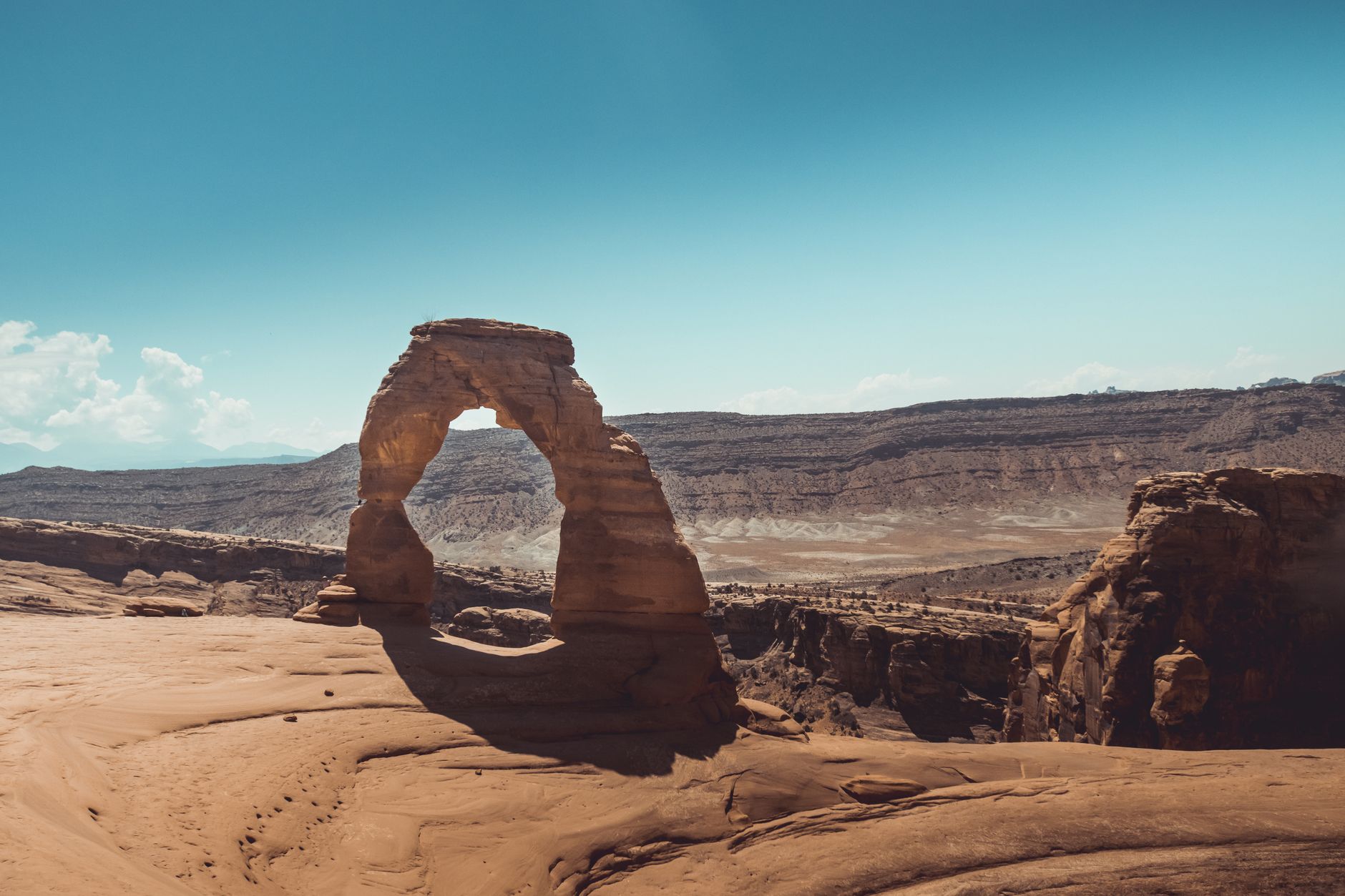
The Sahara gets the headlines – the dunes, the camels, the cinematic sunsets that have sold a thousand travel posters. But tucked into the northeastern corner of Chad, the Ennedi Plateau has been quietly assembling one of the most concentrated collections of natural sandstone arches and rock formations on the planet, almost entirely without an audience. While the Sahara draws travelers chasing a postcard, Ennedi rewards those willing to go further for something genuinely rare.
Designated a UNESCO World Heritage Site in 2016, the Ennedi Massif covers roughly 30,000 square kilometers of sculpted canyons, towering fins, and rust-colored arches that dwarf anything comparable in better-known desert destinations. Some formations rise more than 100 meters. Others span gorges wide enough to camp inside. The scale here is not subtle, and the silence is absolute.
Getting There Is the First Test
Chad does not make itself easy to visit. Flights into N’Djamena, the capital, are limited, and travel to the Ennedi region in the northeast requires a domestic connection or a multi-day overland journey. Visas must be arranged in advance, and travel insurance that covers remote medical evacuation is not optional – it is non-negotiable. Most travelers book with a specialist desert operator, typically based in Chad, France, or the UK, who handle logistics, local guides, and security coordination with regional authorities.
The best window runs from November through February, when temperatures are tolerable and the harmattan winds have not yet turned the air into a fine orange haze. July and August bring brief, localized rains that can temporarily fill the gueltas – the natural rock pools scattered through the massif – creating scenes of startling green against the red stone. Outside those windows, heat and accessibility become serious constraints.
Accommodation in the Ennedi is entirely camp-based. No lodges, no hotels, no infrastructure of any kind. Groups sleep in tents beneath formations that have stood for millions of years, and meals are prepared over open fires by local guides who have crossed this terrain their entire lives. That absence of comfort is, for the right traveler, precisely the point.
The Arches Themselves
The formation most travelers come specifically to see is Aloba Arch, which ranks among the tallest natural arches in the world. Standing beneath it produces the kind of vertigo that photographs fail to communicate – the sense that something this large should not exist without being famous. Pontier Arch, nearby, has a different character entirely: lower, wider, and framed by canyon walls that catch light differently at every hour.
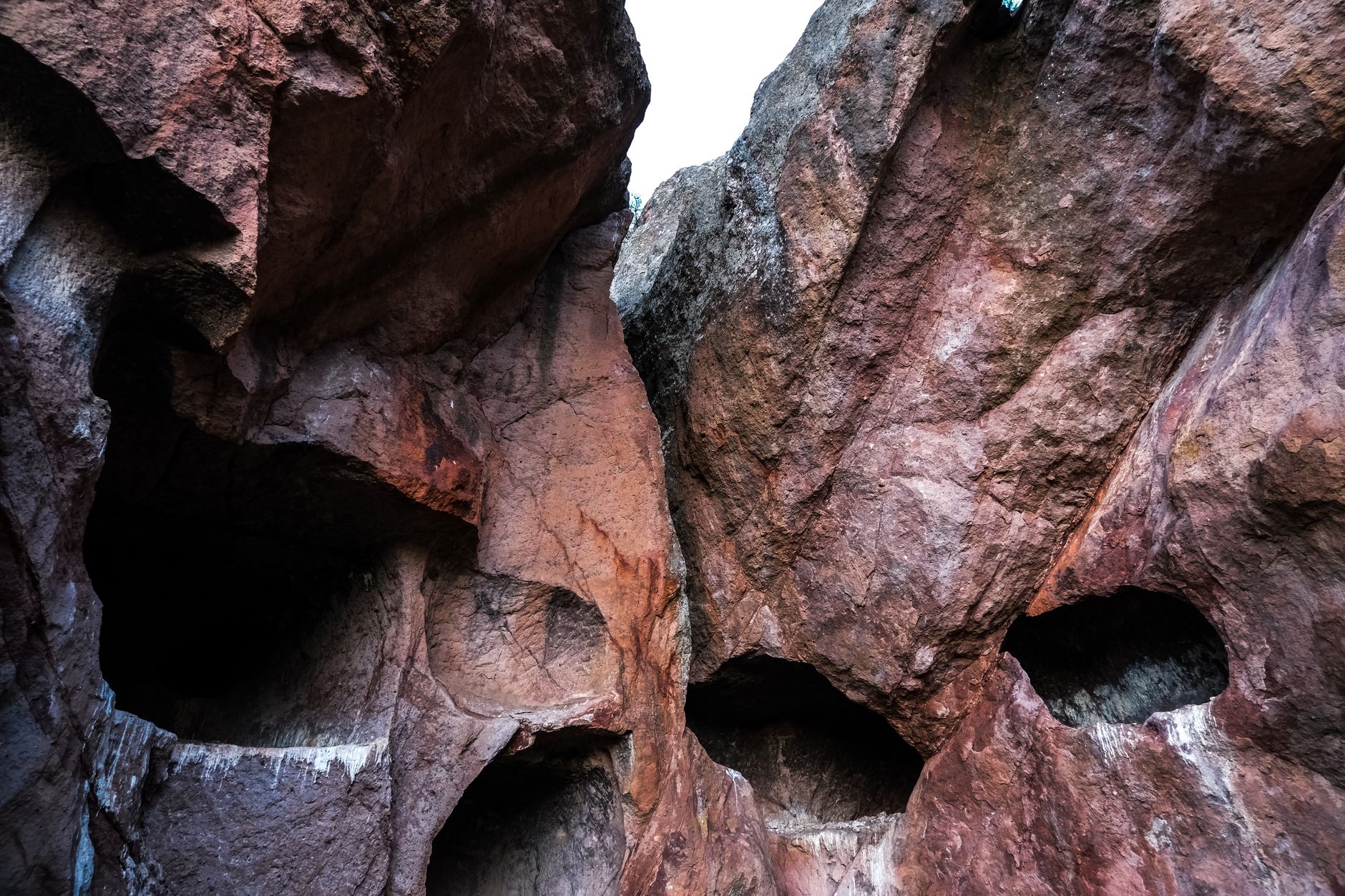
Beyond the arches, the Ennedi contains rock art spanning thousands of years, left by populations who lived here when this part of the Sahara was greener and wetter. Hippos, crocodiles, and cattle appear in faded pigment on sheltered canyon walls – evidence of a climate and a way of life that has since disappeared entirely from this region. The Ennedi’s guelta at Archei still shelters a small population of desert-adapted crocodiles, descendants of animals stranded here as the region dried, surviving in a rock pool the size of a swimming hole.
Why It Stays Unknown
The honest answer is that Chad carries reputational weight that few casual travelers want to navigate. Decades of political instability, regional conflict along its borders, and minimal tourism infrastructure have kept visitor numbers low enough that the government does not publish them. The Ennedi sits in a part of the country that has been largely stable, but the perception of Chad as a whole tends to short-circuit the conversation before most people reach that detail.
That gap between perception and reality is something specialist operators have been making the case for quietly, building small-group itineraries that prioritize local guides, community engagement, and the kind of unhurried pacing that lets travelers actually absorb the landscape rather than rush through a checklist. The economics of remote desert travel also play a role – a well-organized Ennedi expedition runs significantly higher than a standard desert tour, which filters the visitor pool toward those with both the means and the patience for serious travel.
There is a parallel here worth drawing: Nepal’s Mustang region faced similar obscurity for years, blocked by permit restrictions and logistical difficulty, until word spread slowly through the kind of traveler who actively avoids the obvious. Ennedi is at an earlier point on that curve. The word has not spread yet. Most people who have been there want to keep it that way, at least privately, even as they describe it to anyone who will listen.
The formations themselves are not going anywhere – sandstone erodes slowly, and the Ennedi has been sculpting itself for millions of years without input from tourism boards. What changes with attention is everything surrounding them: the camp culture, the quiet, the sense that you have found something before the crowds did. Right now, that window is still open. The crocodiles at Archei have been watching people arrive and leave for centuries, and they have developed what can only be described as an attitude of complete indifference to the whole enterprise.
Whether Chad ever develops the tourism infrastructure to absorb larger numbers without sacrificing what makes the Ennedi worth the effort is a question that will take years to answer – and the answer may depend entirely on whether the travelers who go first decide to tell anyone about it at all.