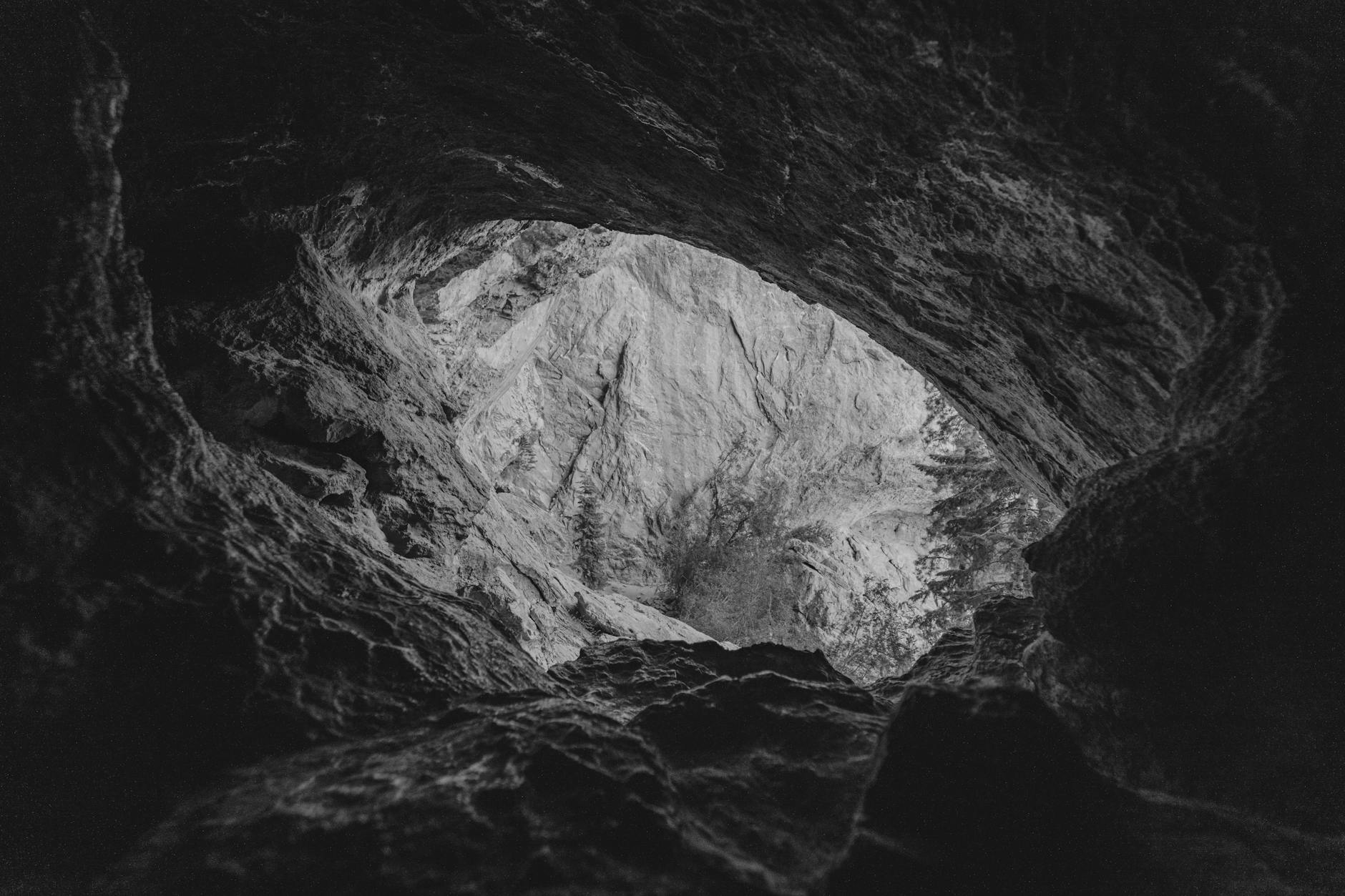

The Atacama Desert’s latest accommodation concept takes underground hospitality to new depths. A network of subterranean cave hotels has opened across Chile’s otherworldly landscape, carved directly into the desert’s ancient geological formations and offering guests a completely enclosed experience beneath one of the world’s most extreme environments.
The project spans five locations throughout the Atacama region, with each property featuring between eight and twelve individual cave suites connected by naturally ventilated tunnels. The rooms maintain consistent temperatures year-round while providing protection from the desert’s notorious temperature swings and wind patterns.
Engineering Desert Caves for Comfort
The cave hotels required extensive geological surveying to identify stable rock formations suitable for excavation. Construction teams worked with mining specialists to hollow out chambers while preserving structural integrity and creating proper air circulation systems.
Each suite includes carved stone furniture, integrated lighting that mimics natural daylight patterns, and private bathrooms with heated floors. The underground design eliminates the need for traditional heating and cooling systems, as the earth naturally insulates the spaces and maintains comfortable temperatures regardless of surface conditions.
Stargazing From Below Ground
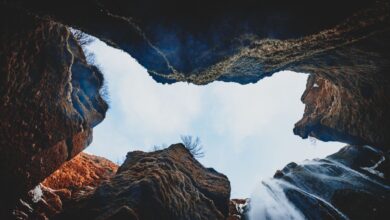
The most distinctive feature involves retractable ceiling panels that open directly to the night sky above each suite. Guests can lie in bed and observe the Atacama’s famously clear skies through custom-fitted glass domes that protect against dust and wind while providing unobstructed celestial views.
Professional telescopes are mounted in select suites, and the hotel provides astronomy guides who conduct private stargazing sessions. The underground positioning eliminates light pollution from the accommodations themselves, enhancing visibility of the Milky Way and distant galaxies.
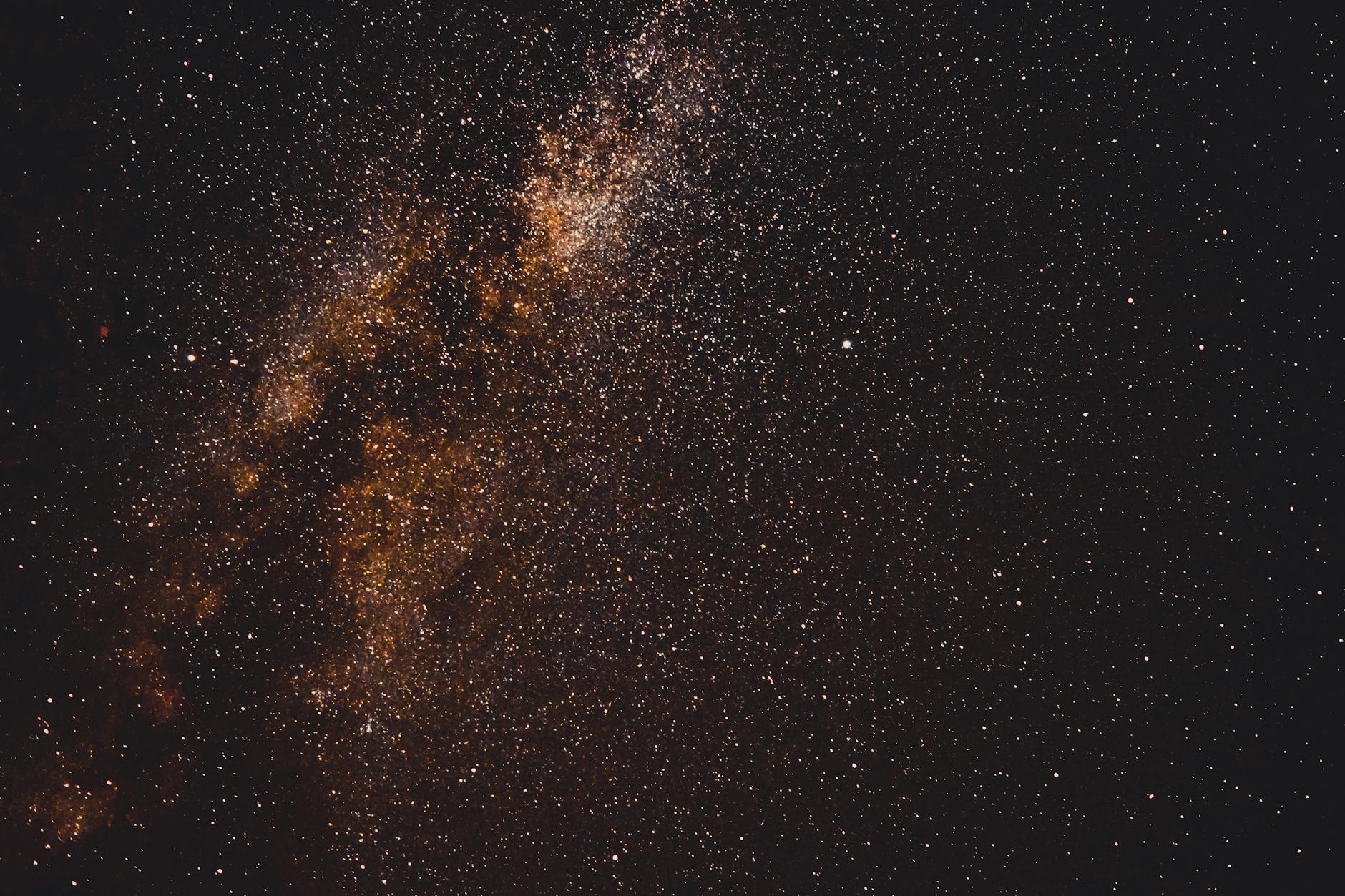
The cave network also includes a central observatory chamber with a large aperture that houses more powerful telescopes. This communal space features stone seating carved into the walls and serves as the hub for group astronomy activities and lectures about the desert’s unique atmospheric conditions.
The properties partner with nearby observatories to offer guests access to research-grade equipment during designated hours. Some suites include personal communication systems that connect to astronomical databases, allowing guests to identify constellations and track celestial movements in real-time.
Desert Access and Activities
Underground tunnels connect the cave hotels to surface entrances disguised as natural rock formations. The main lobbies are built into hillsides with minimal external visibility, maintaining the desert’s undisturbed appearance while providing access to vehicles and supplies.
Daily excursions include guided walks to salt flats, geothermal areas, and flamingo habitats. The hotels arrange transportation to nearby attractions while guests return to their underground retreats during the harshest afternoon heat periods.
Operational Challenges and Solutions
Water systems rely on underground storage tanks filled by periodic deliveries, with sophisticated recycling systems that process and reuse gray water for non-potable purposes. Solar panels hidden among surface rocks power the facilities, with battery systems providing backup energy during dust storms.
Staff quarters are located in separate underground sections, and the hotels employ local guides familiar with desert survival techniques and emergency protocols. Communication systems include satellite links that function during weather events that might disrupt traditional connectivity.
The cave hotels address logistical challenges through careful planning and redundant systems, but the remote desert location means guests must commit to staying multiple nights due to the significant travel time required to reach the properties.