New Zealand’s Rotorua Adds Geothermal Spa Hotels With Natural Hot Spring Suites

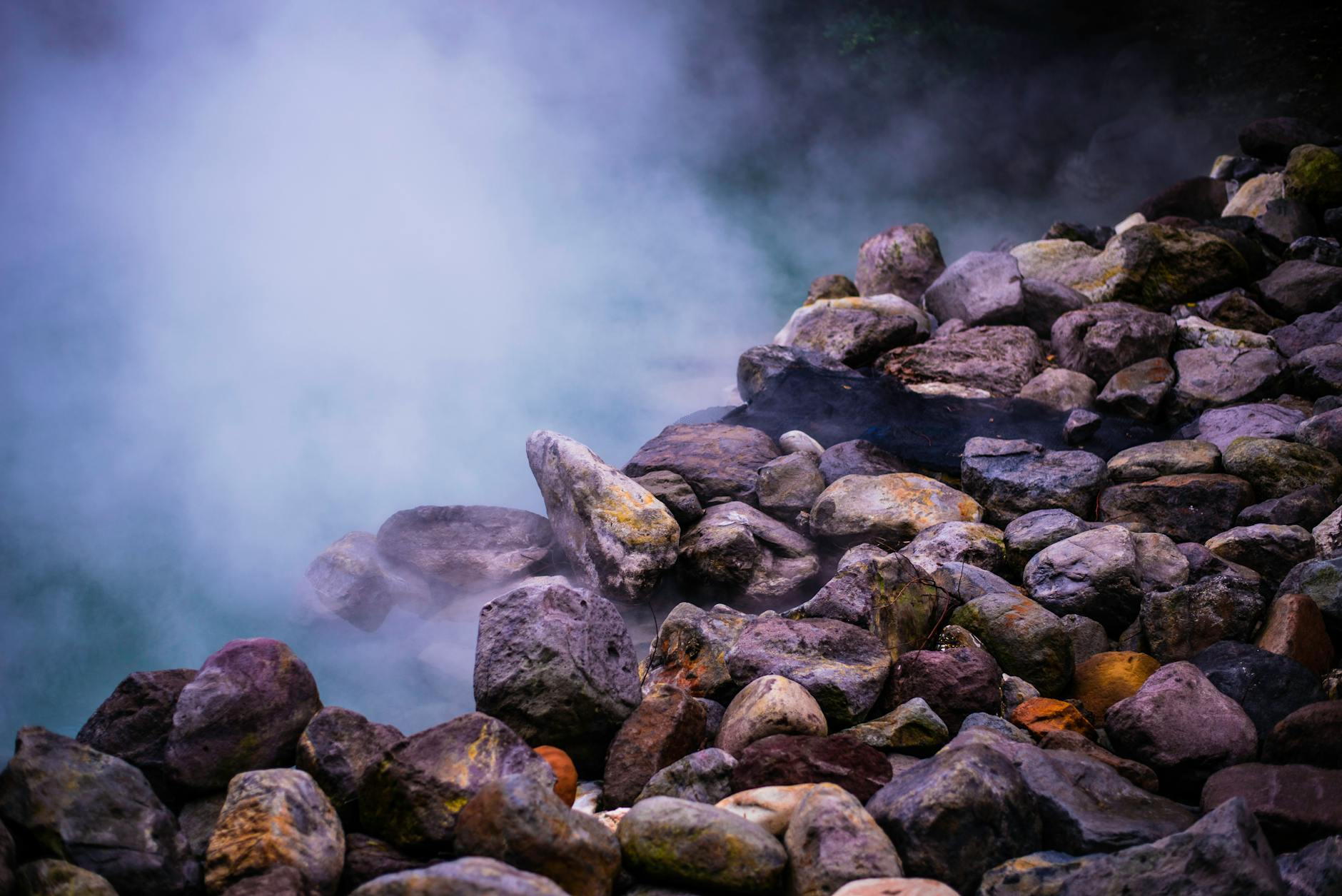
Rotorua’s geothermal landscape has attracted visitors for over a century, but the latest wave of accommodation developments takes the hot springs experience beyond day spas and public pools. Three new hotel properties have opened with private geothermal suites, where guests can soak in naturally heated mineral water without leaving their rooms. The properties tap directly into underground thermal springs, bringing water temperatures of 98-104 degrees Fahrenheit straight to individual guest bathrooms.
The development represents a shift from communal geothermal experiences to private luxury. Instead of shared hot pools surrounded by crowds, travelers can now access the same therapeutic mineral water in complete privacy. Each suite features custom-built soaking tubs connected to dedicated thermal vents, with water that flows continuously from the source below.
Direct Source Integration
The engineering behind these private hot spring suites requires careful management of geothermal pressure and temperature fluctuations. Each property has installed individual thermal lines running from underground vents to guest rooms, with temperature regulation systems that maintain consistent water heat without scalding risks. The mineral content remains unchanged from source to tub, preserving the sulfur, silica, and other compounds that give Rotorua’s thermal waters their reputation for skin and muscle benefits.
Guest rooms feature overflow systems that cycle water continuously, preventing stagnation while maintaining the natural mineral balance. The hotels source their thermal water from different underground systems across Rotorua’s geothermal field, with some tapping into deeper, hotter springs that require more extensive cooling mechanisms. Water temperature can vary by location and seasonal geothermal activity, which property managers monitor daily through digital thermal sensors.
Installation costs for these systems run significantly higher than standard hotel plumbing, with each suite requiring specialized piping materials that can withstand high mineral content without corroding. The thermal lines must be insulated and pressurized to prevent heat loss between source and destination, while safety systems automatically shut off water flow if temperatures exceed safe soaking levels.
Market Response and Booking Patterns
Occupancy rates for the geothermal suites have consistently exceeded standard room bookings since the properties opened six months ago. International visitors, particularly from Australia and Japan, are driving demand for the private thermal experiences. Japanese guests, familiar with onsen culture, represent the highest percentage of repeat bookings for geothermal suites.
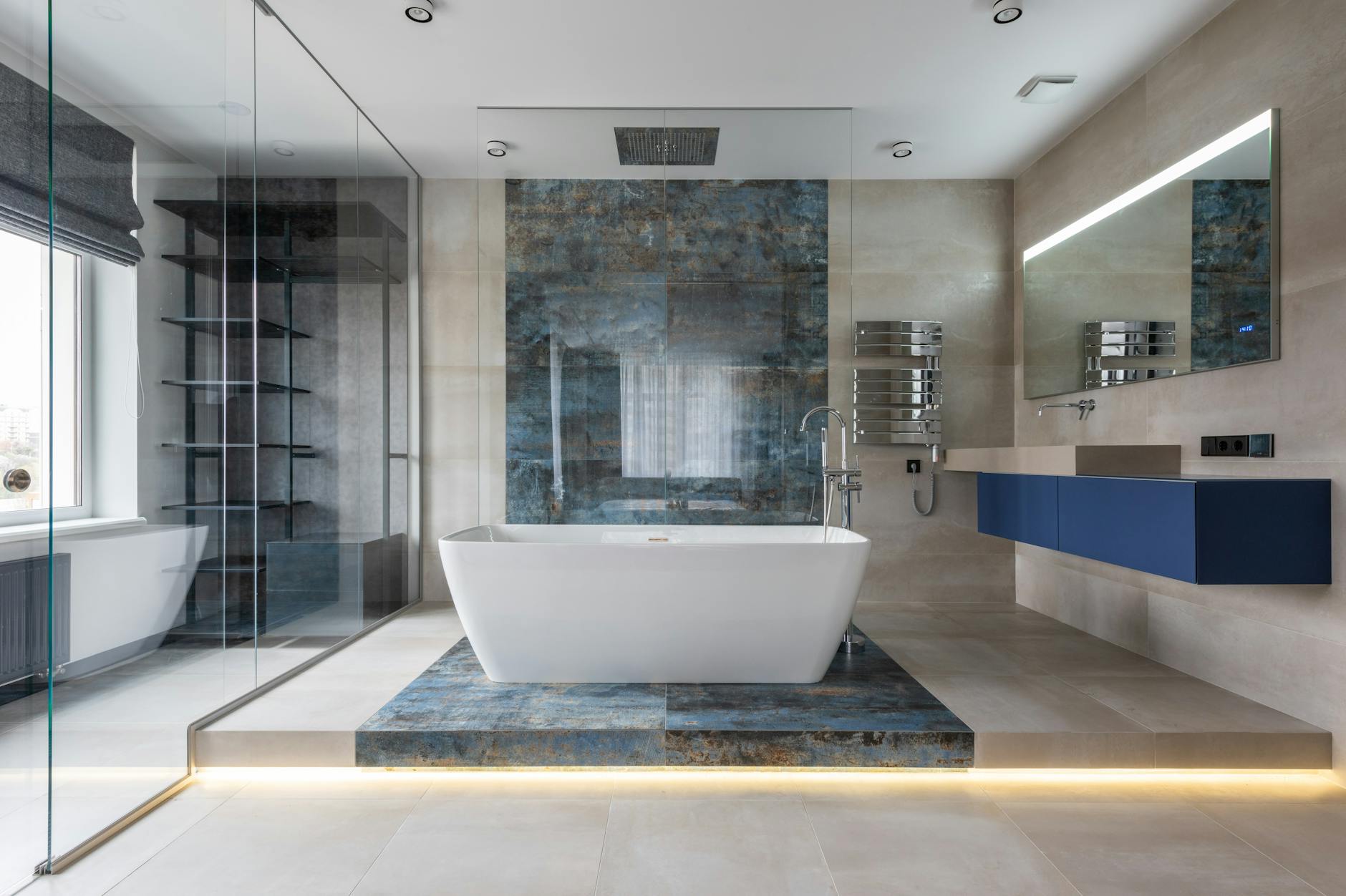
Average nightly rates for thermal suites run 40-60% higher than conventional hotel rooms in the same properties. Despite the premium pricing, advance bookings for these rooms extend further than standard accommodations, with some properties seeing geothermal suite reservations made four to six months ahead of travel dates.
Tourism Infrastructure Impact
The private geothermal suite concept addresses overcrowding issues at Rotorua’s public thermal attractions, which have struggled with capacity limits during peak tourism seasons. Traditional communal hot pools often reach maximum occupancy by mid-morning, forcing visitors to wait in lines or seek alternatives. Private in-room access eliminates this bottleneck while extending the thermal experience beyond typical spa operating hours.
Local geothermal management authorities have established extraction limits for new hotel developments to prevent over-tapping of underground thermal systems. Each property must demonstrate sustainable usage plans and install monitoring equipment that tracks daily thermal water consumption. The regulatory framework ensures that increased commercial extraction doesn’t compromise the broader geothermal field’s long-term stability.
Competition among existing spa operators has intensified as hotels capture market share previously held by day spas and public thermal parks. Some traditional thermal facilities are responding by expanding private booking options or developing exclusive access programs for premium customers. The shift toward private geothermal experiences mirrors broader hospitality trends favoring personalized, exclusive amenities over shared facilities.
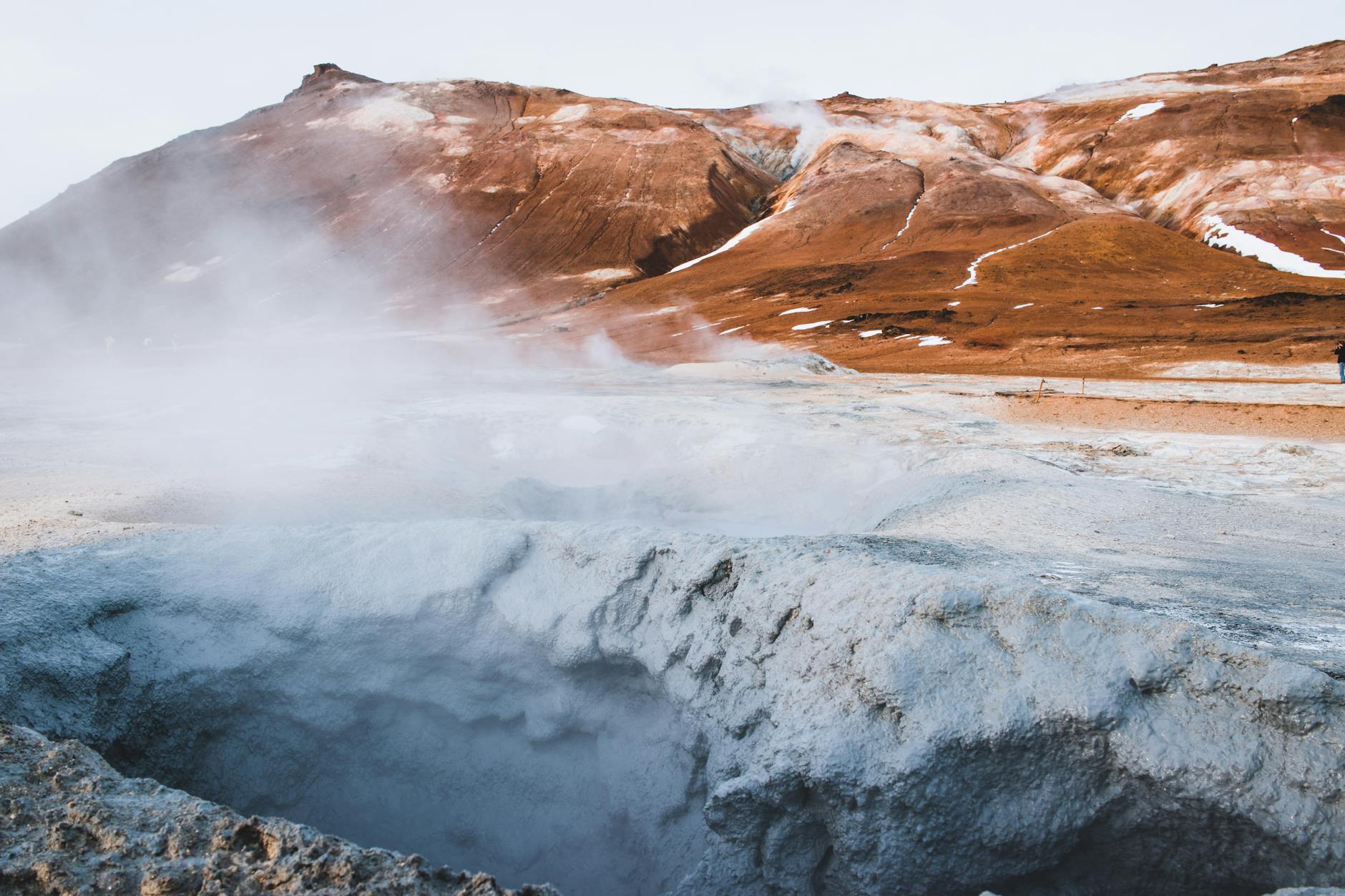
The success of Rotorua’s geothermal suite hotels has attracted interest from other geothermal regions, including Iceland’s Blue Lagoon area and Japan’s Hakone district, where developers are exploring similar private thermal concepts. However, replicating the model requires specific geological conditions and regulatory approval that varies significantly between countries and regions. Rotorua’s unique combination of accessible geothermal sources, established tourism infrastructure, and favorable development policies creates conditions that may prove difficult to duplicate elsewhere.