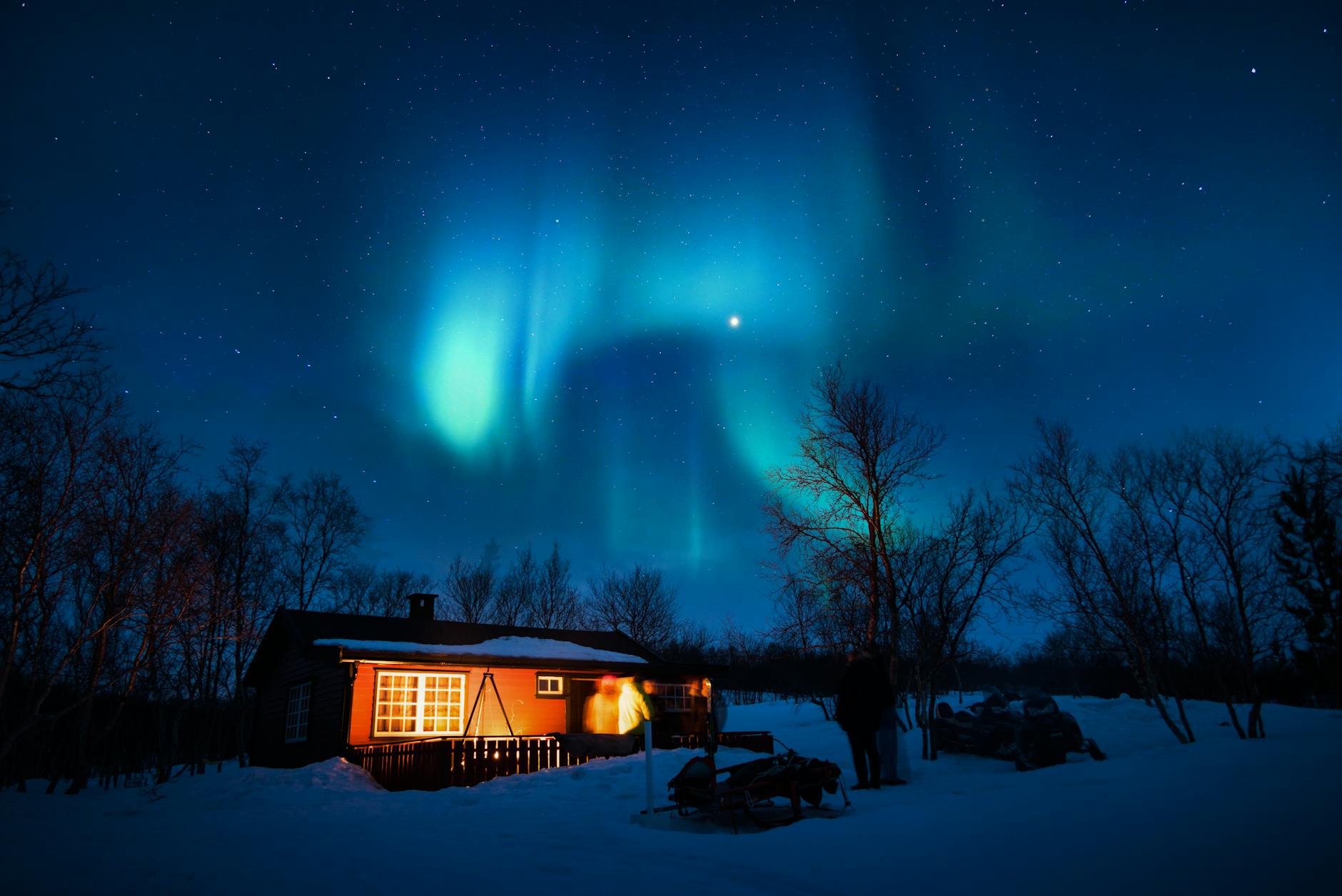

Iceland’s Westfjords region has introduced a new collection of glass-dome cabins specifically designed for northern lights viewing, marking the first year-round aurora accommodation in this remote corner of the island. The heated structures feature panoramic glass ceilings and walls that provide unobstructed 360-degree views of the sky while protecting guests from the harsh Arctic weather conditions.
Located across three sites in the Westfjords peninsula – near Ísafjörður, along the Strandir coast, and close to Hornstrandir Nature Reserve – the cabins operate from September through April during peak aurora season, with extended summer programs for midnight sun viewing. Each dome accommodates up to four guests and includes basic amenities, heated floors, and blackout curtains for daytime rest between aurora watching sessions.
Remote Location Advantages
The Westfjords region offers some of Europe’s lowest light pollution levels, making it ideal for aurora observation. The peninsula’s position at 66 degrees north latitude places it directly in the auroral oval, the ring-shaped zone around Earth’s magnetic poles where northern lights appear most frequently. Weather patterns in the Westfjords also tend to be clearer than in southern Iceland, with fewer cloudy nights during winter months.
The cabins’ locations were selected based on five years of aurora activity data and weather pattern analysis. Each site sits at different elevations and orientations to maximize viewing opportunities regardless of solar storm direction or intensity. The Strandir coast location provides ocean horizon views, while the inland sites offer mountain backdrop perspectives for photography.
Design and Functionality
The glass domes use triple-pane thermal glass that maintains interior temperatures around 68 degrees Fahrenheit even when outside temperatures drop to minus 20. The structures rest on raised platforms to minimize environmental impact and prevent ground frost from affecting the viewing experience. Interior lighting uses red-filtered LED systems that preserve night vision while allowing guests to move around safely.
Each cabin includes reclining beds positioned for optimal sky viewing, telescope mounts, and camera tripod anchoring points built into the floor. The domes rotate slightly on their bases, allowing guests to adjust orientation based on aurora prediction models and magnetic field data. Bathroom facilities and kitchenettes are housed in separate heated structures connected by covered walkways.
Power systems combine solar panels, wind turbines, and backup generators to ensure consistent heating and lighting. The remote locations required helicopter installation of the heaviest components, with final assembly completed on-site using local construction crews. Waste management follows strict environmental protocols required for sensitive Arctic ecosystems.
Communication systems include satellite internet for aurora forecast updates and emergency contact capabilities. Each cabin stocks aurora prediction apps, basic astronomy guides, and camera equipment available for guest use. The locations receive daily weather and aurora activity briefings from Reykjavik’s space weather center.
Booking and Access
Reservations require minimum three-night stays during peak season, with prices varying based on aurora activity forecasts and weather conditions. The most accessible location near Ísafjörður offers four-wheel-drive vehicle access, while the remote Strandir and Hornstrandir sites require helicopter or boat transfers depending on season and weather.
Guest preparation includes mandatory safety briefings covering Arctic weather conditions, aurora viewing techniques, and emergency procedures. The cabins stock cold-weather gear, but guests must bring appropriate clothing for outdoor activities and potential equipment malfunctions during extreme weather events.
Environmental Considerations
The cabin installations required environmental impact assessments and approval from Iceland’s Environment Agency due to their locations within or adjacent to protected areas. Construction used minimal foundation disturbance techniques, and all materials were selected for durability in extreme weather conditions to reduce maintenance requirements and vehicle access needs.
Waste heat from the cabins’ heating systems melts snow and ice in controlled drainage systems that prevent environmental contamination. Solar panel arrays include anti-icing systems that prevent snow accumulation without using chemical treatments. The structures’ elevated design allows natural vegetation growth beneath the platforms.
The project includes ongoing monitoring of local wildlife patterns, particularly Arctic fox populations that inhabit the Hornstrandir area. Initial data suggests minimal impact on animal behavior, though long-term studies continue to track any changes in migration or denning patterns near the cabin sites.