Slovenia’s Soča Valley Quietly Challenges Switzerland for Alpine Travelers

The Valley That Keeps Getting Compared to Places It No Longer Needs to Be Compared To
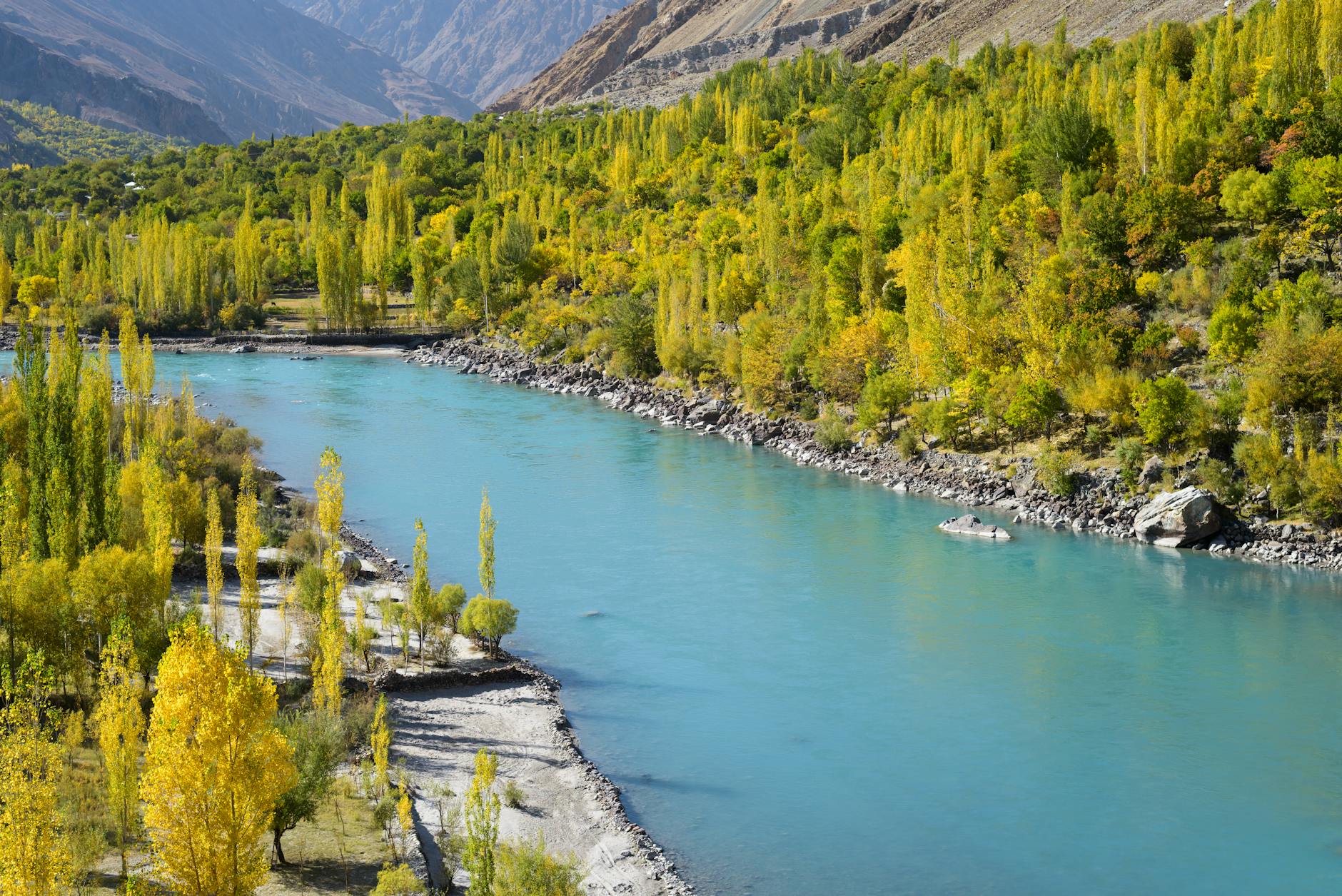
The Soča River runs a color that stops people mid-sentence. Not blue, not green – something between the two that has no satisfying name in English, and which photographers have been failing to capture accurately for decades. The valley it carves through northwestern Slovenia is narrow, steep-sided, and dense with spruce forest, and it has spent years being described as “the affordable alternative to Switzerland” or “the hidden Dolomites.” Neither label fits anymore. The Soča Valley has quietly accumulated enough of its own identity that the comparison tourism is starting to feel like an insult.
Alpine travelers who discovered the region five or ten years ago speak about it with the particular possessiveness of people who found something before everyone else did. That window is closing.
What makes the valley genuinely competitive – not just cheaper, but better for certain travelers – is a combination of access, scale, and the specific character of its outdoor infrastructure. Switzerland delivers grandeur at volume. The Soča delivers immersion at human scale, and the difference matters enormously depending on what kind of trip you’re actually trying to have.
A Landscape Built for People Who Actually Want to Be Outside
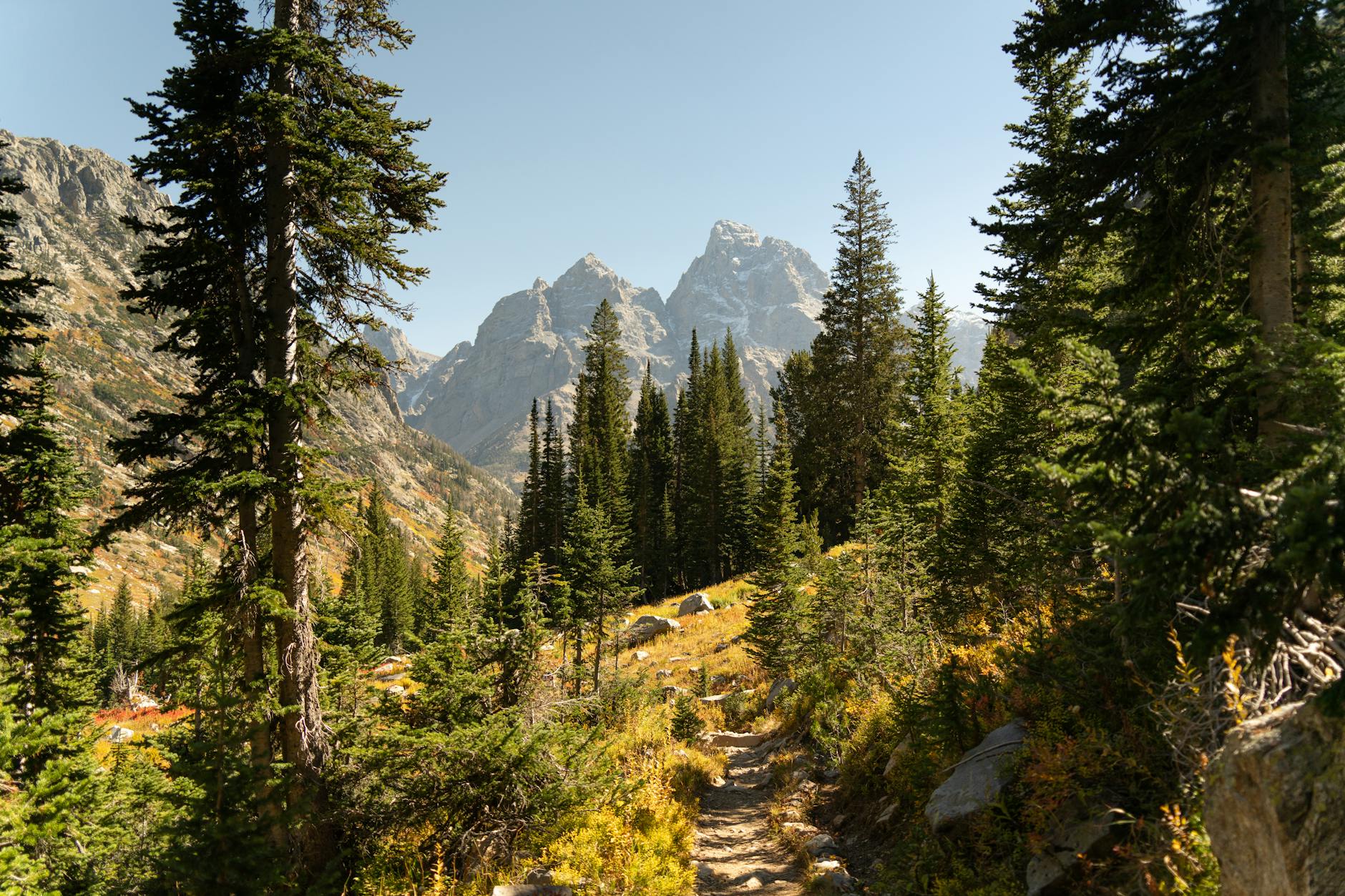
The Soča Valley’s outdoor offering centers on the river itself and the Triglav National Park that flanks it. Kayaking and white-water rafting on the Soča have drawn serious paddlers for years, but the trail network running through the park’s interior is where the valley earns its alpine credentials. Routes range from half-day valley walks accessible to anyone reasonably fit, to multi-day ridge traverses that demand proper mountain experience. The Alpe Adria Trail, a long-distance path running from Austria through Slovenia to the Adriatic coast, passes through the region and gives through-hikers a framework that Swiss routes at comparable length would cost three times as much to complete in accommodation and food alone.
The towns of Bovec and Kobarid anchor the valley socially and logistically. Bovec is the adventure sports hub – paragliding, canyoning, and via ferrata all operate out of it with a density of operators that surprises first-time visitors. Kobarid carries a different weight: it was the site of one of World War One’s most catastrophic battles, and the Kobarid Museum there has won European recognition for how it tells that story. Spending a morning in that museum and an afternoon on the river above town is the kind of day that stays with you longer than a cable car ride to a famous summit.
The food and accommodation infrastructure has matured considerably. Farm stays and small guesthouses remain the dominant format, which keeps money local and keeps the experience from feeling generic. A growing number of restaurants in the valley work seriously with local ingredients – the Soča trout alone is worth planning a meal around. None of this requires the kind of budget management that Swiss travel demands as a default.
What Switzerland Still Does Better, and Why It Matters for Planning
Switzerland’s hold on alpine travel isn’t marketing mythology. The rail network is genuinely without comparison in Europe – you can move between glacier viewpoints, high-altitude restaurants, and lakeside towns with a precision and comfort that Slovenia’s road-dependent valley cannot match. For travelers who want to cover serious ground without driving, or who need accessibility infrastructure for mobility limitations, Switzerland remains the more functional choice. The Soča Valley requires a car for most itineraries, and the distances between key points, while not vast, demand planning that Swiss rail makes unnecessary.
The accommodation ceiling is also different. Switzerland’s luxury mountain hotel tradition runs deep, and for travelers whose idea of alpine experience includes impeccable service and historic grand hotels, the Soča Valley’s more rustic character will feel like a compromise rather than a feature. This isn’t a criticism – it’s a matching problem. The valley rewards travelers who find the farm-stay format charming rather than merely adequate, who want morning mist over meadows instead of a wellness spa with a mountain backdrop.
Weather is also worth naming honestly. The Soča sits in a zone where Mediterranean air from the Adriatic meets the Alps, which produces intense thunderstorms with less warning than mountain forecasts in Switzerland typically allow. Summer afternoons can turn fast. Travelers accustomed to Swiss mountain weather management – the precision forecasting, the well-maintained hut networks with reliable shelter – may find the Soča’s conditions require more personal weather judgment than they are used to exercising.
The Timing Question
The valley runs most fully between late May and early October. June and September offer the best balance of conditions – the river is high from snowmelt in June, the light is cleaner in September, and crowds at either end of the season are a fraction of August’s numbers. The Soča in August is no longer a secret: rental kayaks book weeks out, the better guesthouses near Bovec fill on weekends, and the road through the valley from Most na Soči northward can feel genuinely congested by midday.
The infrastructure can absorb this, but just barely, and the character shifts. Some travelers who have returned multiple times report that a week in August followed by a week in late September felt like two different valleys. The September version – cooler, quieter, with foliage just beginning to turn – is the one they describe when recommending the destination to someone who has not yet been.
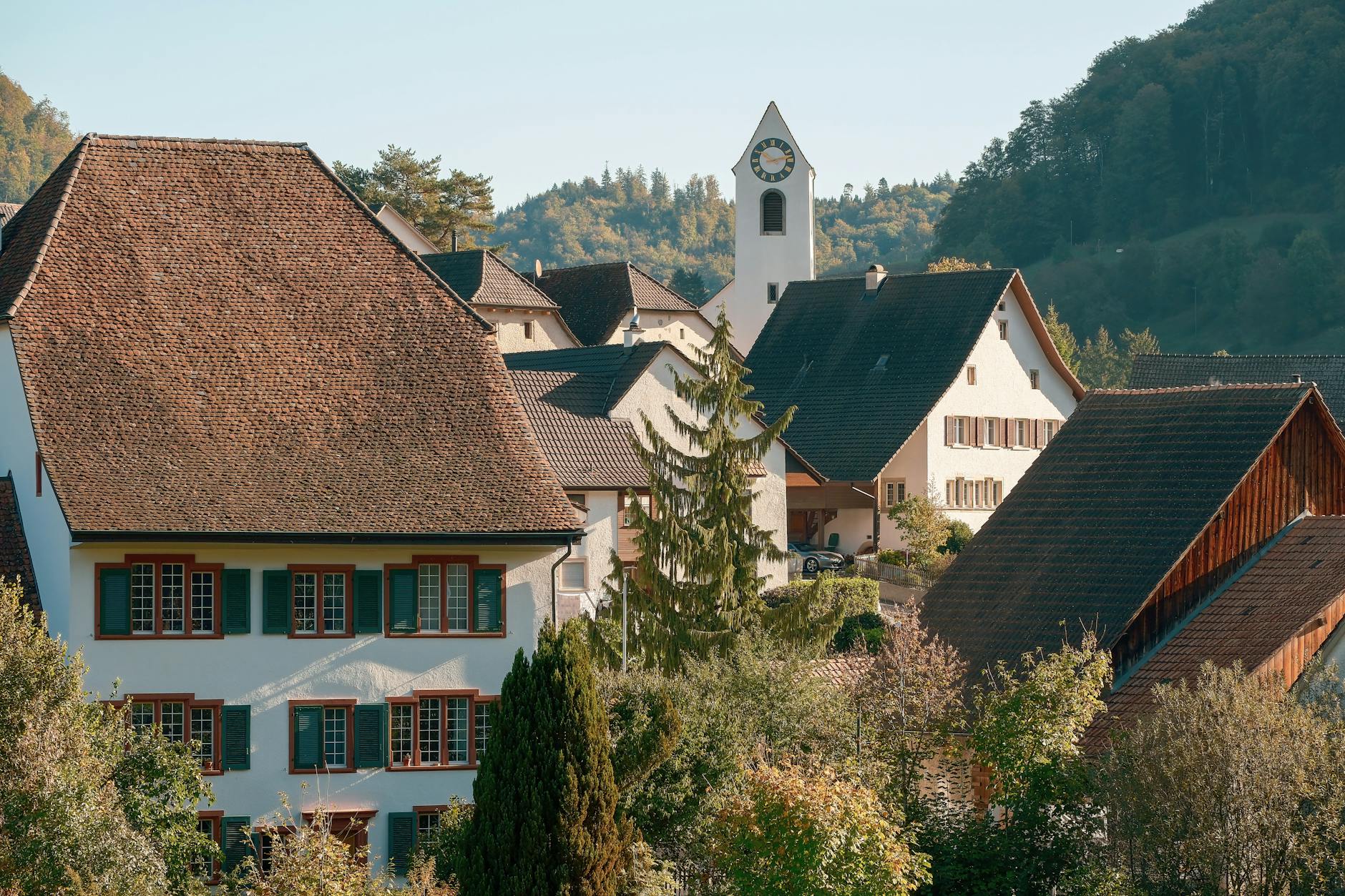
What the Soča Valley cannot offer is the kind of effortless, weather-proof, linguistically smooth experience that Switzerland has engineered over a century of high-volume alpine tourism. What it offers instead is a river that still does not have a satisfying English word for its color, a museum that makes World War One feel personal and recent, and the specific pleasure of an alpine landscape that has not yet been fully optimized for the people visiting it – which, depending on your disposition, is either the best possible reason to go or the only warning you need.