Uganda’s Rwenzori Mountains Quietly Rival Kilimanjaro for Glacier Trekkers

Africa’s Forgotten Glacier Range
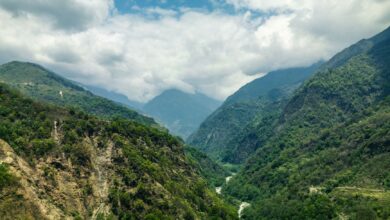
Somewhere between the equator and the eternal snow line, the Rwenzori Mountains rise out of western Uganda like a fever dream – jagged, mist-wrapped, and almost entirely ignored by the trekking mainstream. While Kilimanjaro absorbs tens of thousands of climbers every year and fills every aspirational bucket list from Berlin to Brisbane, the Rwenzoris have been quietly sitting on some of the most dramatic glaciated terrain on the continent, waiting for the kind of traveler who actually wants to work for a view.
Known to ancient cartographers as the “Mountains of the Moon,” this UNESCO World Heritage-listed range straddles the Uganda-Democratic Republic of Congo border and tops out at Margherita Peak, 5,109 meters above sea level. The glaciers here are genuinely endangered – shrinking fast due to climate change – which makes the window to see them not just rare, but closing. That urgency, more than any marketing campaign, is beginning to draw serious trekkers away from the well-worn Kilimanjaro circuit.
Why the Rwenzoris Hit Differently Than Kilimanjaro
Kilimanjaro is, fundamentally, a walk. A demanding, altitude-punishing walk, but a walk nonetheless. The Rwenzoris are something else entirely. The standard Kilembe route – the most accessible of the main trails – runs through terrain that requires actual scrambling, rope sections, and multiple days navigating thigh-deep bog. The mountain doesn’t ease you in. From day one, the forest is dense, the mud is ankle-deep, and the altitude starts climbing before you’ve had time to acclimatize mentally. For trekkers who have done Kilimanjaro and found it anticlimactic, the Rwenzoris tend to fix that problem immediately.
The technical difficulty serves a filtering function. Most hikers visiting Kilimanjaro are first-time high-altitude trekkers, which shapes the infrastructure: paved access roads, large commercial operators, porters carrying actual folding chairs. The Rwenzoris attract a different demographic – experienced trekkers, mountaineers looking for a legitimate technical challenge below the 8,000-meter tier, and conservation-minded travelers willing to move slowly. The mountain rewards patience in ways that faster, more tourist-efficient routes simply don’t.
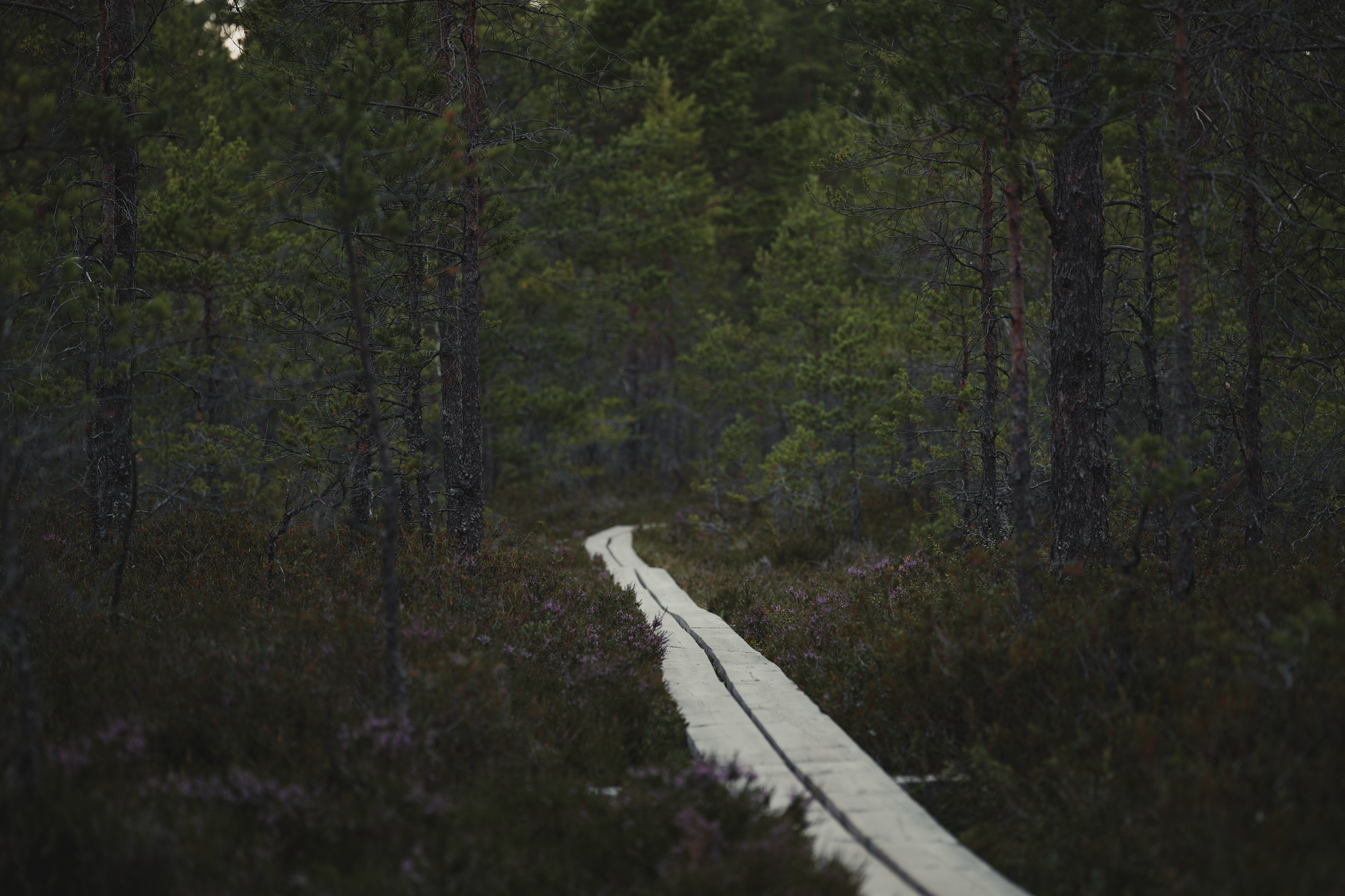
The flora alone justifies the trip for anyone with even marginal interest in botany or landscape photography. The Afroalpine zone on the Rwenzoris is among the most visually bizarre environments on Earth: giant lobelias the height of telephone poles, groundsels that look like something designed for a science fiction film, and heather forests draped in lichen so thick the trees look upholstered. You’re not walking through scenery – you’re walking through something that has no real equivalent anywhere else in the trekking world.
Logistics and the Reality of Getting There
Access is through Kasese, a town in western Uganda roughly five to six hours by road from Kampala. The Kilembe Trails operators work out of the old Kilembe Mines area, and the permit and guide system is managed through the Uganda Wildlife Authority. Trekking without a licensed guide is not permitted, which keeps the trails from being overrun but does require advance planning. Slots during peak season – January through February and June through August – fill up, though not with the same competitive ferocity as Kilimanjaro booking seasons.
The full Margherita Peak summit circuit runs six to nine days depending on route and acclimatization schedule. Budget trekkers should know that costs are lower than Kilimanjaro – sometimes significantly so – but the range of commercial operator quality is wide. Gear requirements are serious: gaiters are not optional, waterproof layering needs to be genuine rather than shower-resistant, and trekking poles earn their weight every single day on the bog crossings. Anyone experienced with high-altitude trekking in places like India’s Spiti Valley will recognize the preparation mindset required – this is not a destination that tolerates underestimating the conditions.
The Glacier Question
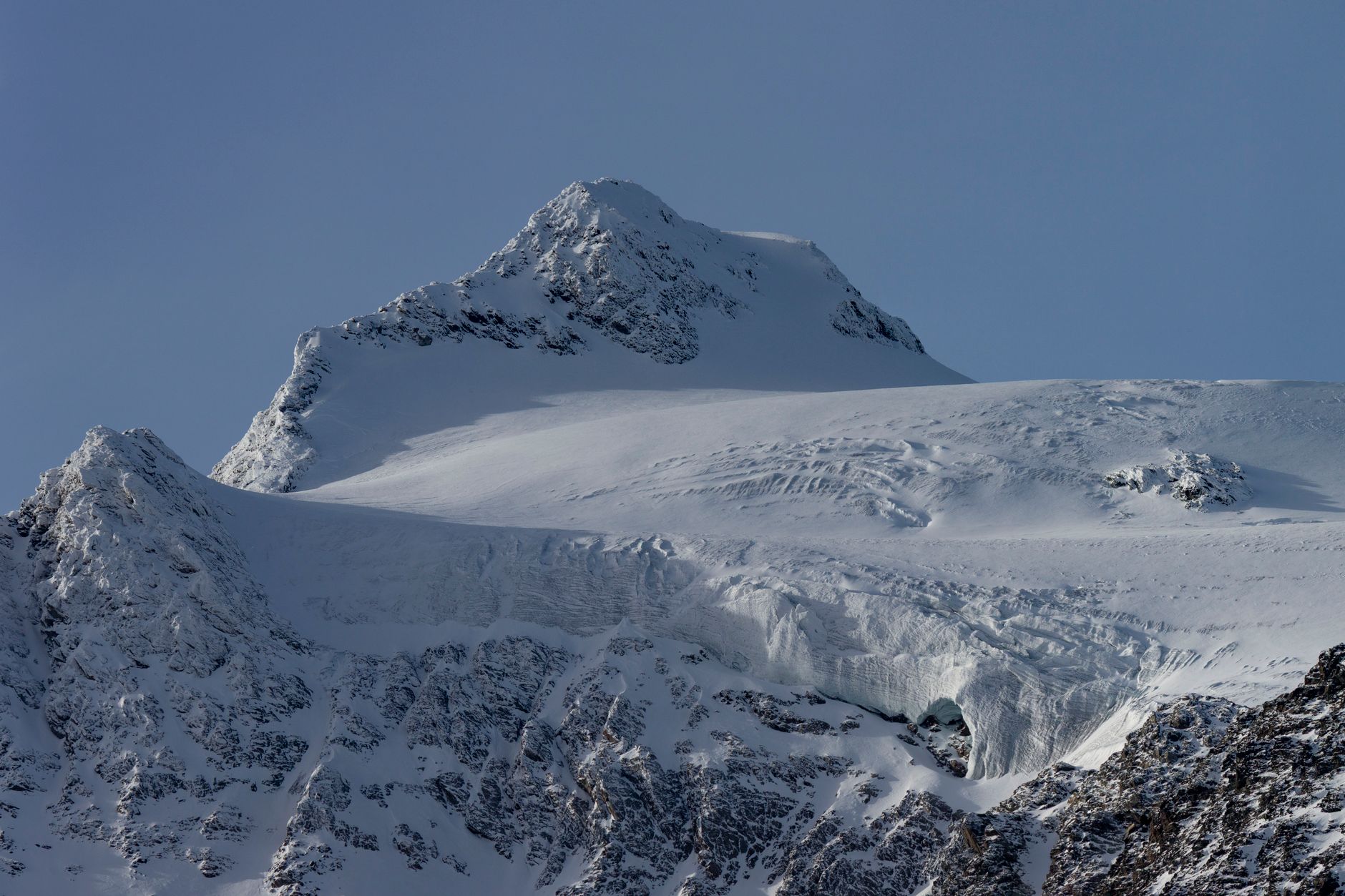
The Rwenzori glaciers have lost a staggering proportion of their mass over the past century, and the current trajectory suggests they could be gone within decades. The Stanley, Speke, and Elena glaciers – named during the colonial surveying era – are measurably smaller every climbing season. This creates a strange tension for anyone booking a trip: the reason to go urgently is also the reason the experience itself may disappoint if expectations are calibrated to historical photographs. The glaciers that remain are real and accessible, but they are not the sprawling ice fields that early 20th-century expedition reports described.
What this means practically is that Margherita Peak’s draw has shifted somewhat from pure glacier spectacle toward the full vertical journey. The summit views on clear days extend across the Western Rift Valley into the DRC, over Lake George and the Kasese plains below. Cloud cover is frequent and unpredictable – the Rwenzoris are among the cloudiest mountain environments in Africa – so clear summit visibility is never guaranteed. That unpredictability is part of the appeal to the trekkers who keep coming back. The mountain doesn’t perform on schedule.
The conservation context matters here too. The Rwenzori Mountains National Park sits within a critical biodiversity corridor, and trekking revenue feeds directly into ranger salaries, anti-poaching patrols, and community benefit programs in Kasese District. This isn’t a mountain where your permit fee disappears into a government abstraction – the relationship between tourism and conservation is visible and relatively direct. Local guides are often from communities that have worked the mountain for generations, and their ecological knowledge of the terrain runs considerably deeper than what any printed trail guide captures.
The Rwenzoris won’t replace Kilimanjaro for first-timers looking for a prestige summit they can describe at a dinner party. The name doesn’t carry the same instant recognition, the logistics require more effort, and the mountain will make you wet and muddy in ways that no amount of gear preparation fully prevents. But for trekkers who have already stood on Uhuru Peak and found themselves wondering if there’s something harder, stranger, and less photographed – the answer is three countries west, sitting in the mist, largely unbothered.