
The Valley the Gobi Stole the Credit From
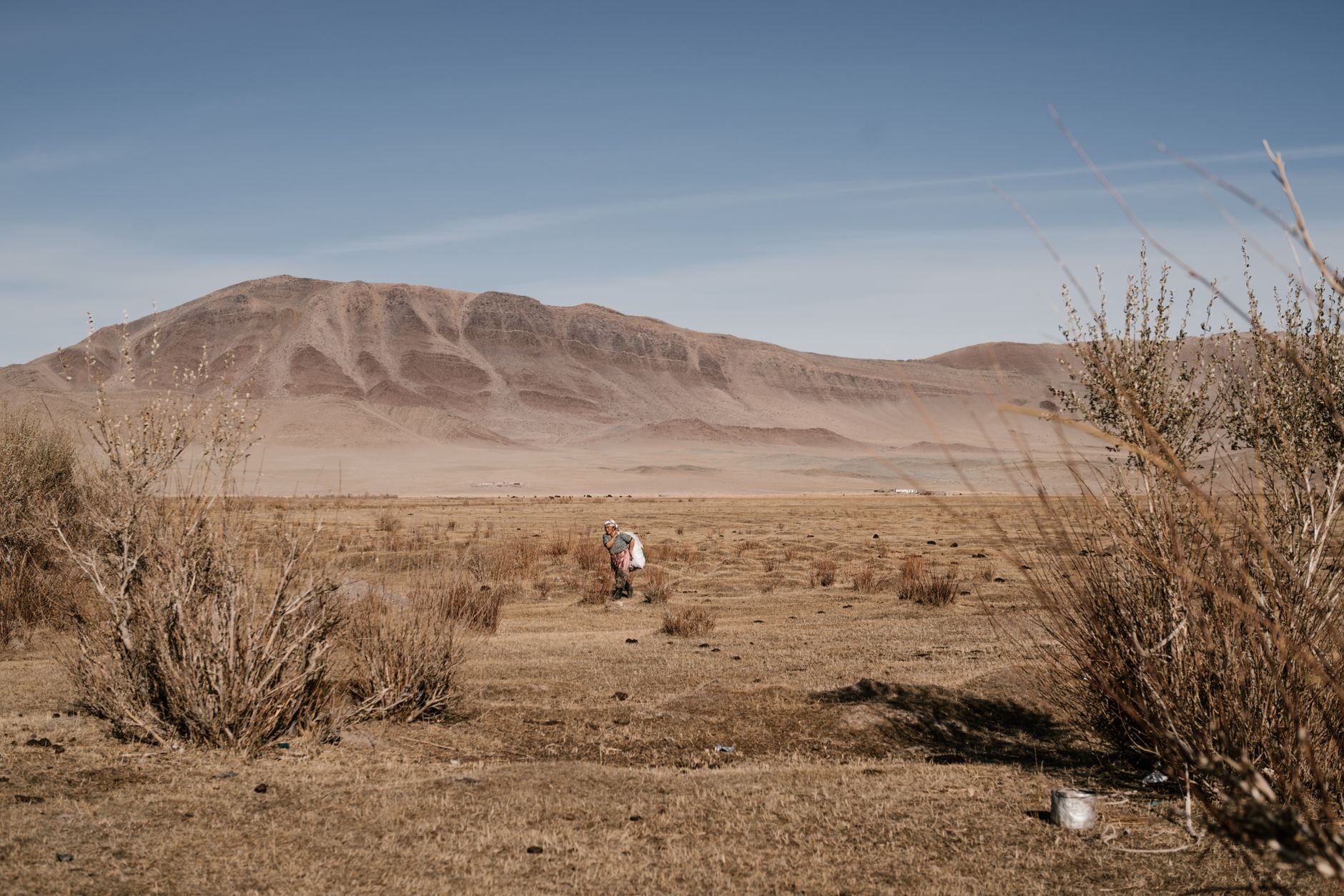
The Gobi Desert gets all the glamour. It shows up in documentaries, on bucket lists, in the itineraries of travelers who want Mongolia to feel mythic and austere. But roughly 360 kilometers southwest of Ulaanbaatar, the Orkhon Valley has been quietly accumulating a different kind of reputation – one built on green river bends, ancient ruins, and a nomadic culture so intact it barely registers as a tourist attraction yet.
The valley stretches along the Orkhon River, Mongolia’s longest, cutting through a plateau that shifts from volcanic rock fields to rolling grassland depending on where you stand. It is a UNESCO World Heritage Site, designated in 2004, covering roughly 121,000 hectares of cultural landscape that contains evidence of nomadic occupation dating back two millennia.
The Gobi has dunes. The Orkhon has everything else.
What Actually Exists Here
The valley’s centerpiece – historically, at least – is the site of Karakorum, the 13th-century capital of the Mongol Empire under Genghis Khan’s successors. The city itself is long gone, dismantled over centuries, but the Erdene Zuu Monastery built from its stones in 1586 still stands at the edge of the site, its white wall of 108 stupas visible from a distance across flat ground. The monastery complex is one of the oldest surviving Buddhist sites in Mongolia and draws a steady stream of visitors who come specifically for it, then stay because the surrounding landscape makes leaving feel like the wrong decision.
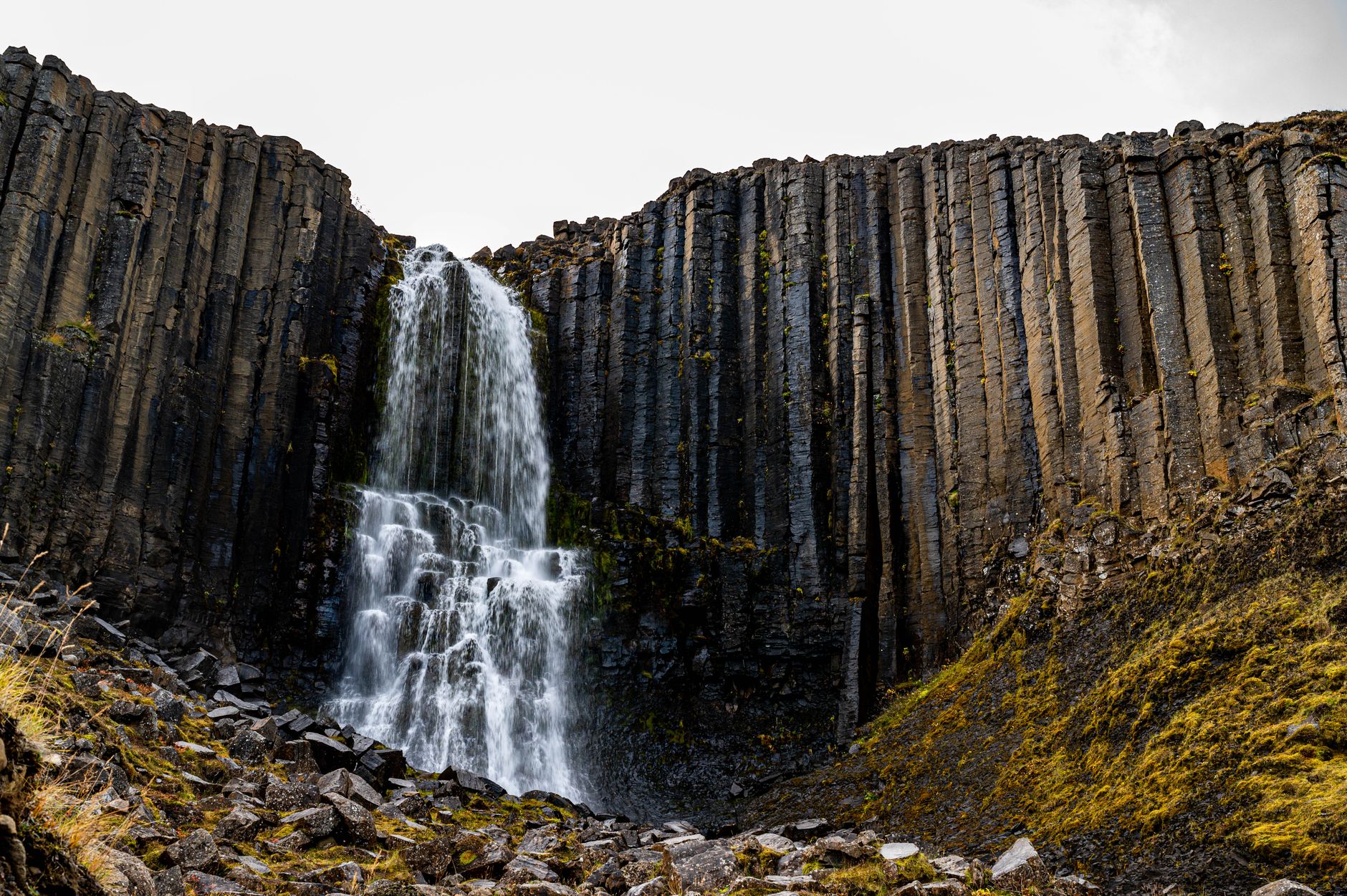
About 30 kilometers south, the Orkhon Waterfall – known locally as Ulaan Tsutgalan – drops roughly 20 meters over a basalt cliff formed by prehistoric volcanic activity. The approach requires either a short horseback ride or a moderately rough drive depending on road conditions, which vary sharply by season. In summer, the falls run strong and the surrounding meadow fills with grazing horses. In late autumn, the water thins and the valley takes on a stripped, almost cinematic quality that photographers tend to describe in terms they don’t usually apply to Mongolia.
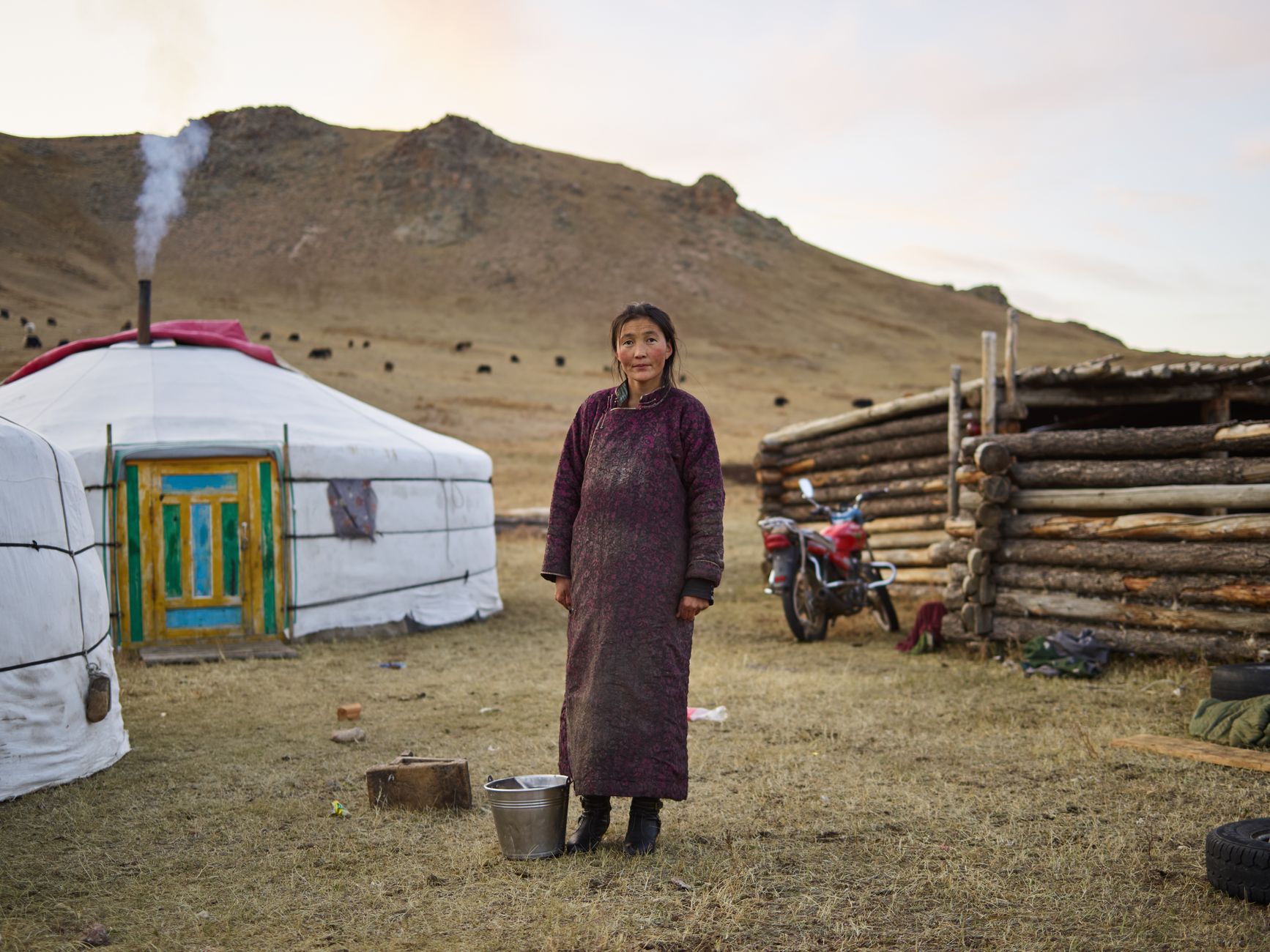
The living culture of the valley is not a performance. Herder families who have worked this land through generations still maintain their seasonal migration patterns, moving livestock across pastures that the Mongol Empire itself once depended on for horses. Visitors who arrange homestays through local operators – rather than the larger packaged tours – often end up drinking fermented mare’s milk beside a wood stove while a herder’s children watch satellite television in the background. That specific combination of deep tradition and casual modernity is harder to find anywhere else.
Getting There and Moving Around
There is no train to the Orkhon Valley. The standard approach is a shared or private vehicle from Ulaanbaatar, a journey of roughly five to six hours depending on road conditions, which range from paved highway to gravel track to unmarked dirt depending on the segment. Most independent travelers rent a Russian-built UAZ van with a local driver, a setup that costs significantly less than it would in comparable destinations and has the practical advantage of a driver who actually knows where the roads stop being roads.
The best travel window runs from late June through early September. Temperatures are manageable, river crossings are stable, and the grassland is at its most visually intense – deep green against a sky that sits lower and wider than most travelers expect from open steppe. Winter travel exists but requires serious preparation and a specific appetite for cold that goes well beyond what most alpine destinations demand.
Accommodation runs from ger camps – traditional felt tent setups operated for tourists, with varying levels of comfort – to genuine herder homestays that involve very little comfort at all and considerably more authenticity. The camps near Karakorum and along the upper valley have improved their facilities noticeably over recent seasons, with some now offering solar-powered hot showers and international-standard food, which either enhances or defeats the purpose depending on your outlook. For travelers who have found that India’s Spiti Valley scratches a similar itch for remote cultural immersion, the Orkhon offers a comparable rhythm – long travel days, intimate local contact, landscapes that demand full attention.
Why It Hasn’t Crowded Yet
The Orkhon Valley’s relative quiet compared to the Gobi comes down to a few stubborn facts: no dramatic single image that travels well on social media, no luxury camp brand that has planted a flag here yet, and a journey that requires actual effort rather than a comfortable transfer. Those are exactly the conditions that tend to hold a place at the right size – large enough to visit properly, small enough that the herders you meet haven’t yet learned to be bored by you. That window does not stay open indefinitely.