
Where the Nam Ou River Slows Down
Luang Prabang gets the postcards, the UNESCO designation, and the tour buses. Nong Khiaw, six hours north by road or a full day by slow boat up the Nam Ou River, gets something rarer: quiet. And a growing number of travelers are deciding that quiet is exactly what they came to Laos for.
A Town Built on Two Banks and Very Little Noise
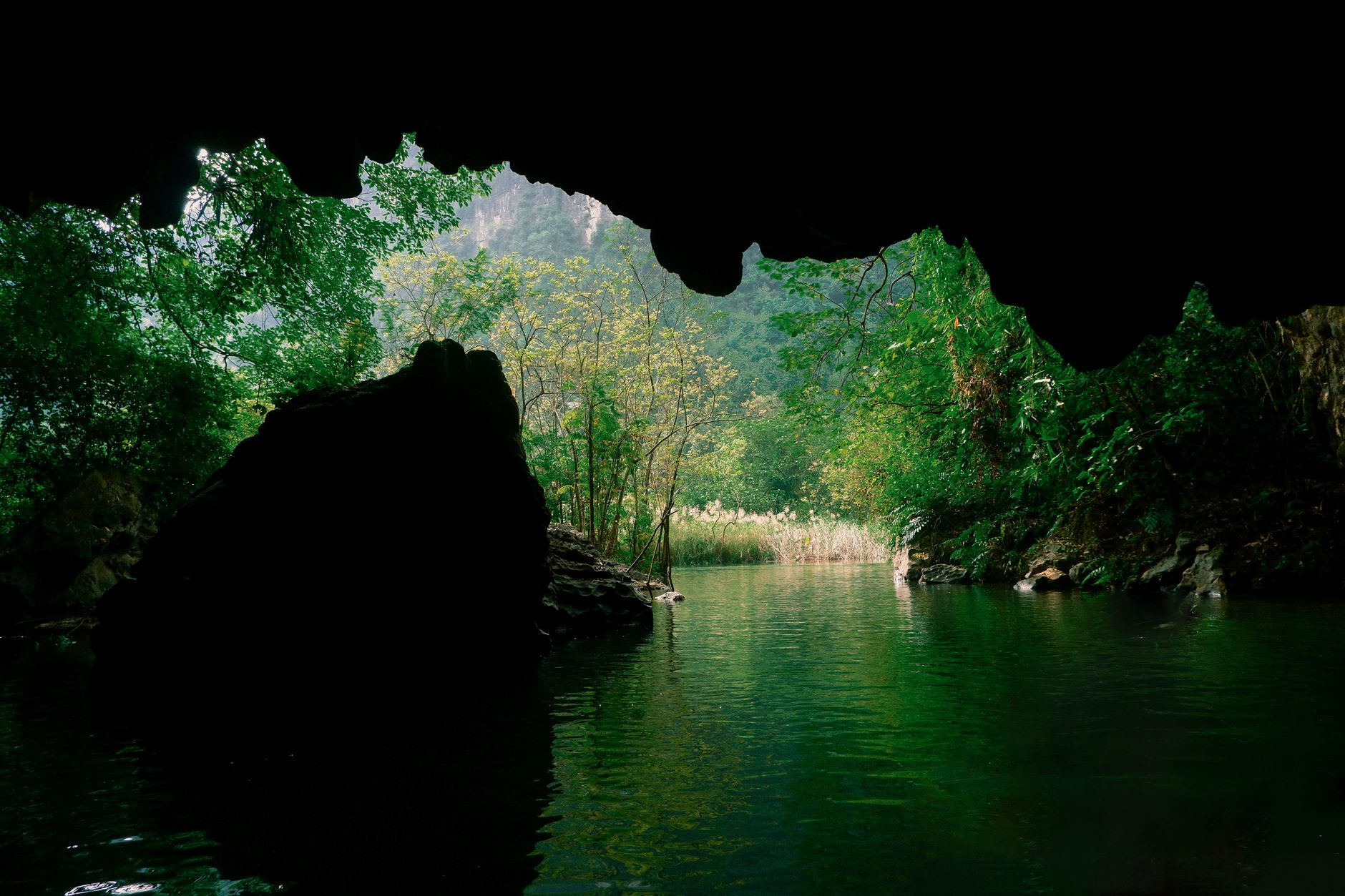
Nong Khiaw sits where the Nam Ou cuts through a narrow valley flanked by dramatic limestone karsts – the kind of geology that stops conversations mid-sentence. A single wooden bridge connects the two sides of town. On one bank: a handful of guesthouses, small restaurants with plastic chairs set over the water, and the kind of main street that takes four minutes to walk end to end. On the other: trekking trailheads, homestay villages, and forest paths that see a fraction of the foot traffic you’ll find around Luang Prabang.
The town has no heritage temples drawing organized tours, no night market with coach groups filing through, and no obligatory 5am monk procession that visitors now photograph with professional equipment. What it has is a working riverside settlement where people grow vegetables on the banks, fish with hand nets in the early morning, and mostly treat travelers as incidental rather than central to daily life. That dynamic – being incidental – is something travelers who have felt like an attraction themselves in more developed destinations tend to find genuinely refreshing.
Accommodations range from bare-bones bamboo bungalows at the budget end to a small number of eco-lodge style properties perched on the hillside with unobstructed karst views. None of them belong to international chains. Pricing across the board sits well below Luang Prabang equivalents, and the quality gap is narrowing as more thoughtful small operators have moved into the area over the past several years. Some of the best rooms in town are simple by design – open-air bathrooms, river-facing hammocks, meals cooked by the owner’s family – but that simplicity is the draw, not a compromise.
Getting here requires intention. The road from Luang Prabang is paved now, which makes the minivan transfer more predictable than it was a decade ago, but it still winds through mountain passes that can close after heavy rain. The slow boat option on the Nam Ou – particularly the stretch from Muang Khua to Nong Khiaw – passes villages with no road access at all, families waving from wooden stilted houses, and stretches of river so still the limestone reflections look painted. That journey is, for many travelers, the point rather than the inconvenience.

What Nong Khiaw Actually Offers
The trekking network around Nong Khiaw has expanded steadily, with local guides leading routes into the Pha Daeng National Protected Area and multi-day trails connecting to villages that operate community tourism on their own terms. The guides here tend to have direct knowledge of the forest rather than a rehearsed script – they grew up in this landscape, which makes a difference in how they read terrain, weather, and what’s worth stopping to notice. Single-day hikes to viewpoints above the valley are the most common option, but overnight village stays give a more complete picture of how people actually live at altitude in northern Laos.
Kayaking the Nam Ou is increasingly popular, with full-day and multi-day paddle routes available through local outfitters. The river drops gently through the valley, making it accessible to people without prior kayaking experience, while still offering enough variation – sandbanks, shallow rapids, narrow gorges – to hold attention over several hours. Morning light on the karsts from water level is one of those visual experiences that photographs badly and stays in memory well.
The food situation in Nong Khiaw is modest but honest. A few riverside spots have developed menus that go beyond fried rice and noodle soup, and local Lao dishes – laap, steamed fish with herbs, sticky rice served in the traditional bamboo container – are available at prices that reflect local rather than tourist economics. There’s no fine dining, no cocktail bar scene, and no fusion restaurant trying to bridge the gap between local and international. That absence is either a problem or a feature depending entirely on what you’re looking for.
The cave systems accessible from Nong Khiaw carry a different weight. Tham Pha Tok, a series of caves in the limestone cliffs above the river, served as shelter for thousands of residents during the American bombing campaign in the 1960s and 70s, when this entire region of Laos was subject to an air war that lasted nearly a decade. The caves are visitable, and local guides provide context that turns a physical exploration into something historically grounded. Northern Laos was the most heavily bombed region per capita in history during that period, and walking through those caves with that knowledge changes how you see everything around you – the rebuilt wooden houses, the terraced fields, the families who stayed.
For travelers who have already done Luang Prabang and felt the structure of its tourism economy – the curated temple experiences, the well-managed night market, the French colonial restaurants – Nong Khiaw operates on different logic entirely. It rewards the traveler who shows up without a checklist and leaves the itinerary loose enough to follow where the day goes. That might mean a full afternoon watching river traffic from a guesthouse deck, or an unexpected conversation with a farmer crossing the bridge, or simply the discovery that doing very little in a beautiful place is a legitimate travel strategy.
The Practical Reality of Going Further North
Nong Khiaw functions well as a standalone destination of two to four nights, or as part of a longer northern Laos circuit that continues to Muang Ngoi Neua – a smaller village downriver accessible only by boat, with no road in or out and no ATM – or pushes further to Phongsali province near the Chinese border, where tea culture and Akha village life represent a Laos that most visitors to the country never encounter. The same instinct that draws travelers beyond Luang Prabang to Nong Khiaw tends to push them further still, which is either a warning or an invitation depending on your travel style. Similar patterns play out in other destinations where secondary locations quietly absorb the overflow from flagship sites – Ethiopia’s Simien Mountains have drawn trekkers away from Lalibela on exactly the same principle.
The honest caveat about Nong Khiaw is that its low-infrastructure appeal depends on it staying low-infrastructure – a condition that more visitors actively threatens. The riverside restaurants that feel personal and unhurried now do so partly because they’re not overwhelmed. The trails that feel like genuine exploration retain that quality because they’re not yet graded and signposted for mass use. At what point the character of a place changes under the weight of travelers who came specifically for that character is a question Nong Khiaw hasn’t had to answer yet, but it’s not an abstract one.
Frequently Asked Questions
How do you get from Luang Prabang to Nong Khiaw?
The most common route is a 3-4 hour minivan transfer on a paved mountain road. A slower but more scenic option is the Nam Ou slow boat, taking roughly a full day.
Is Nong Khiaw suitable for budget travelers?
Yes. Accommodation, food, and activity costs sit well below Luang Prabang prices, with basic guesthouses and local restaurants available at genuinely affordable rates.