Argentina’s Mendoza Wine Country Quietly Challenges Napa for Serious Drinkers

Where Malbec Meets Altitude
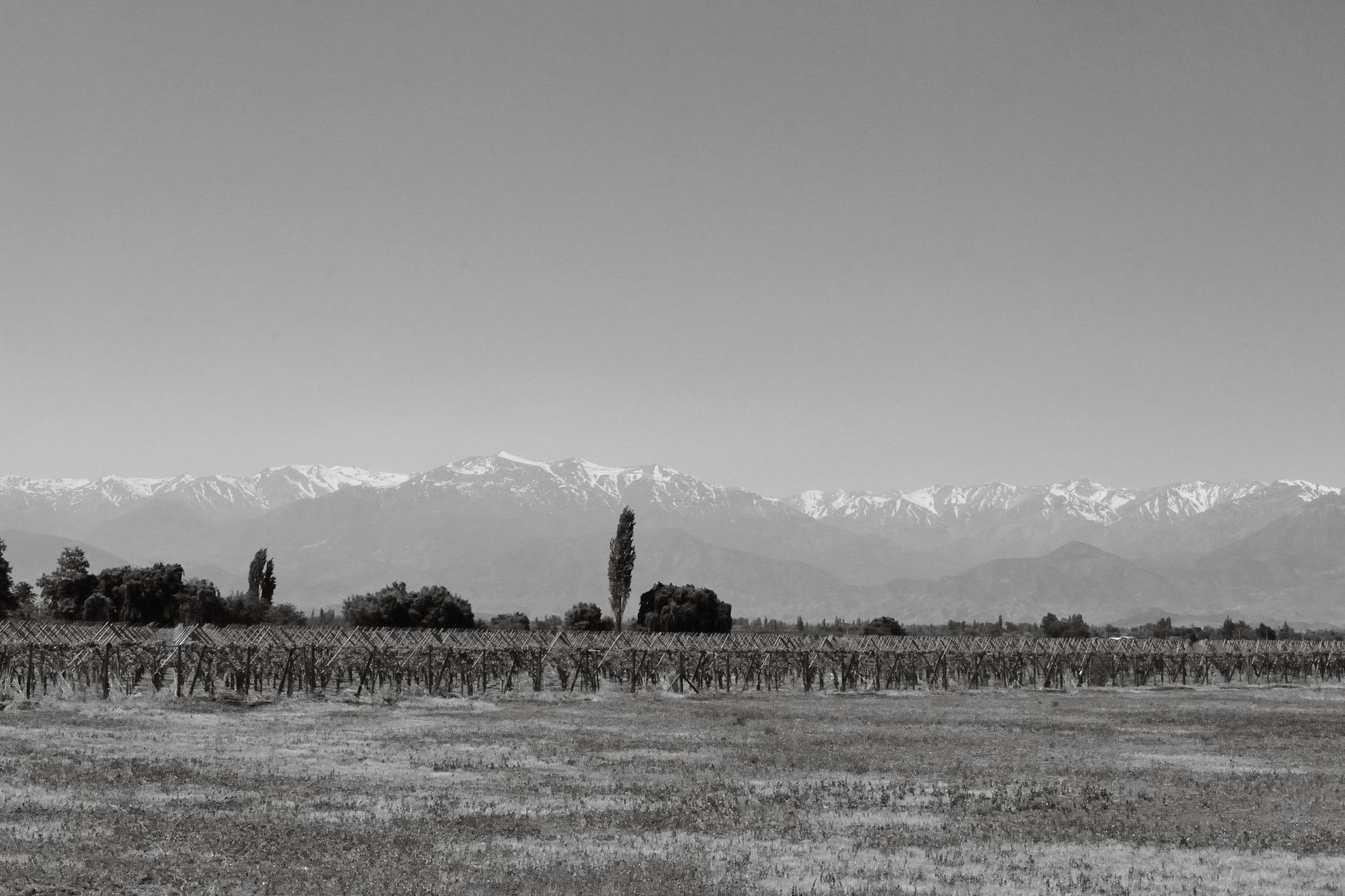
Mendoza sits at the base of the Andes, roughly 2,500 feet above sea level, and that elevation is not incidental to the wine. The high desert climate – intense sun, cold nights, almost no rainfall – forces vines to work harder, concentrate sugars differently, and produce fruit with a structural complexity that flat, well-irrigated wine country simply cannot replicate. Napa Valley has prestige, celebrity vintners, and a decades-long marketing apparatus behind it. Mendoza has geology, and increasingly, serious wine tourists are treating that as the stronger argument.
The region has produced Malbec long enough that younger winemakers are now pushing against it, experimenting with Cabernet Franc, Torrontes, and high-altitude Chardonnay at elevations above 3,000 feet in sub-regions like Lujan de Cuyo and the Uco Valley. The shift is less about abandoning Malbec and more about using the grape as a gateway to a broader conversation about what Argentine terroir can do. Visitors arriving with preconceptions about cheap supermarket Malbec routinely leave recalibrating their entire understanding of South American wine.
The Visitor Experience Napa Cannot Match on Price
A private tasting at a top-tier Mendoza winery – complete with barrel samples, a vineyard walk, and a seated lunch pairing – routinely costs less than a standard tasting flight at a mid-range Napa property. The exchange rate advantage is real, but it is not the only factor. Argentine wine hospitality operates on a different philosophy: guests are invited into the process rather than managed through a scripted experience. A winemaker walking you through the tank room and opening a bottle that is not on any menu yet is not unusual in Mendoza. In Napa, that kind of access typically requires connections or a very specific price tier.
Accommodation reinforces this. A number of estates in the Uco Valley operate boutique lodges directly on the property, where guests wake up surrounded by vines and the Andes as a backdrop. The properties are architecturally serious – contemporary, low-profile buildings designed to disappear into the landscape rather than announce themselves. The food programs at these lodges pull from the same regional agriculture that informs the wines, which means meals feel connected to the land in a way that a Napa tasting room restaurant rarely achieves.

Why Altitude Changes Everything
The Uco Valley, sitting between roughly 3,000 and 5,000 feet, is where Mendoza’s most discussed wines are now coming from. Vineyards at this elevation experience extreme diurnal temperature shifts – warm enough during the day to ripen fruit, cold enough at night to preserve acidity. The result is wine with both the ripeness that international markets respond to and the tension that sommeliers and collectors actually want to drink with food. It is a combination that warm, lower-altitude wine regions often struggle to achieve without manipulation in the cellar.
The soil composition in the Uco Valley adds another layer. Alluvial deposits from Andean snowmelt have built up over centuries, creating a patchwork of sandy loam, limestone, and volcanic rock. Different plots within a few miles of each other can produce wines that taste genuinely distinct. This is exactly the kind of site-specific variation that Burgundy built its entire reputation on, and Mendoza is only beginning to map and communicate it systematically to outside audiences.
What the region lacks, for now, is the classification system and the wine criticism infrastructure that turned Napa and Bordeaux into shorthand for quality worldwide. There is no settled consensus on which estates are the benchmarks, no established hierarchy that a casual buyer can navigate without doing research. For serious drinkers, that is actually part of the appeal – the discovery dynamic that Napa lost somewhere in the 1990s is still very much alive in Mendoza. Finding a small producer in Tupungato making 800 cases of single-vineyard Malbec that is not exported anywhere still happens.
The city of Mendoza itself functions as a genuine base rather than a footnote. Its tree-lined streets, outdoor cafe culture, and restaurant scene are built for the kind of slow, food-centered travel that wine tourism at its best demands. Travelers spending a week in the region typically divide time between the city and the valley estates, using Mendoza as the logistical hub and the surrounding wine country as the reason they came. The local food culture – built on asado, fresh vegetables, and olive oil from estates that grow grapes on the same property – gives the trip a coherence that a pure winery-hopping itinerary misses.
Getting there requires connecting through Buenos Aires, which adds a logistical step that direct flights to San Francisco for a Napa trip do not. That friction keeps Mendoza off casual itineraries and keeps visitor numbers at a level where the experience still feels unhurried. Whether that changes as the region’s reputation grows is the question the best estates are quietly debating – because the thing that makes Mendoza worth the detour right now is precisely the thing that popularity tends to erode first.