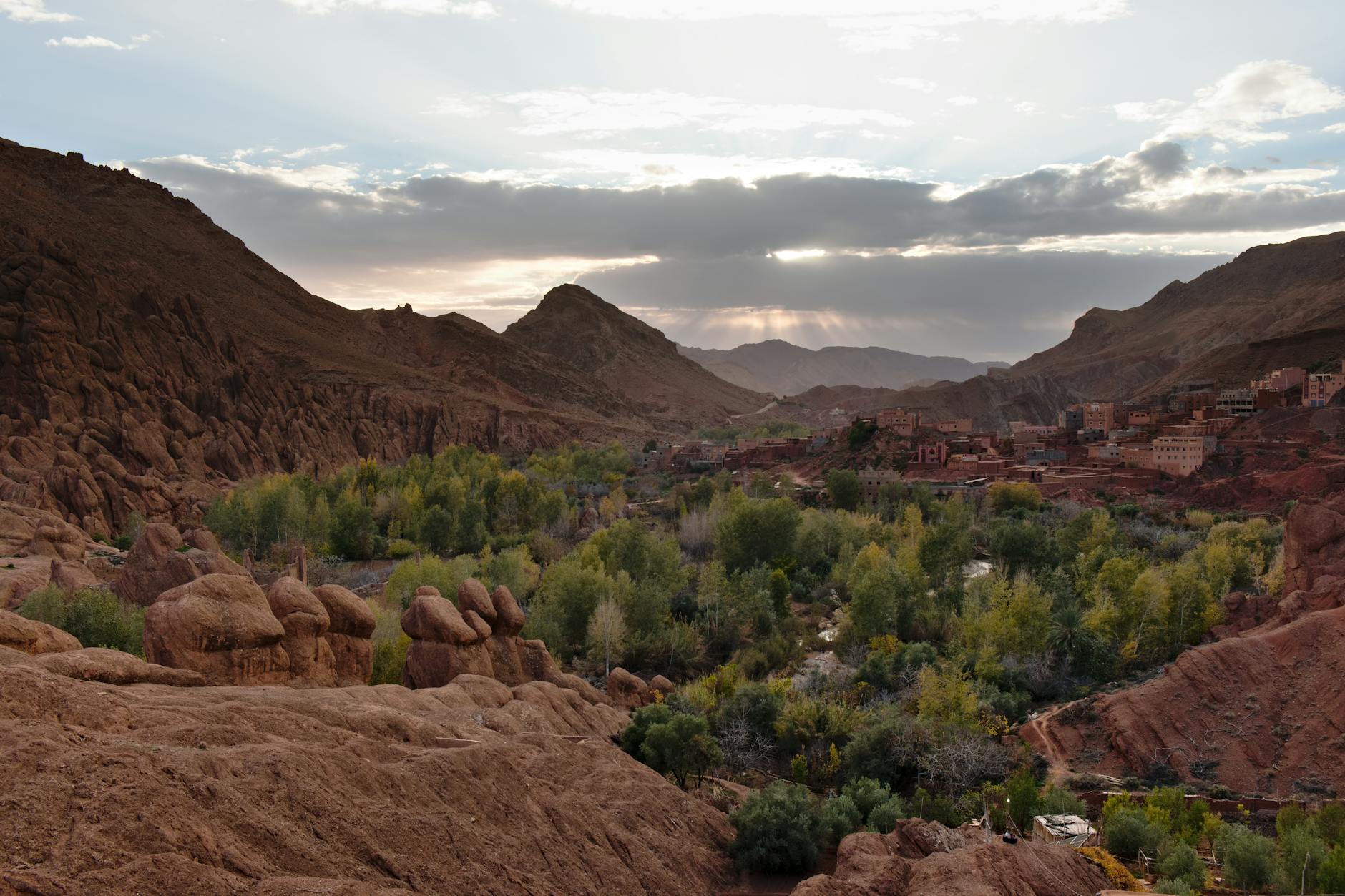

Tucked into the eastern edge of Morocco’s High Atlas range, the Todra Gorge has spent decades being treated as a scenic detour – the kind of place tourists photograph from a rental car before continuing to Marrakech. Climbers who actually stop and look up tend to stay much longer than planned.
A Climbing Destination That Earns Its Reputation on Friction Alone
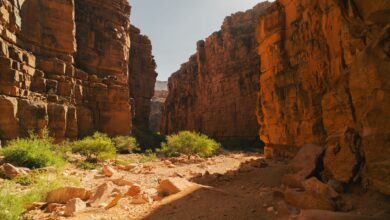
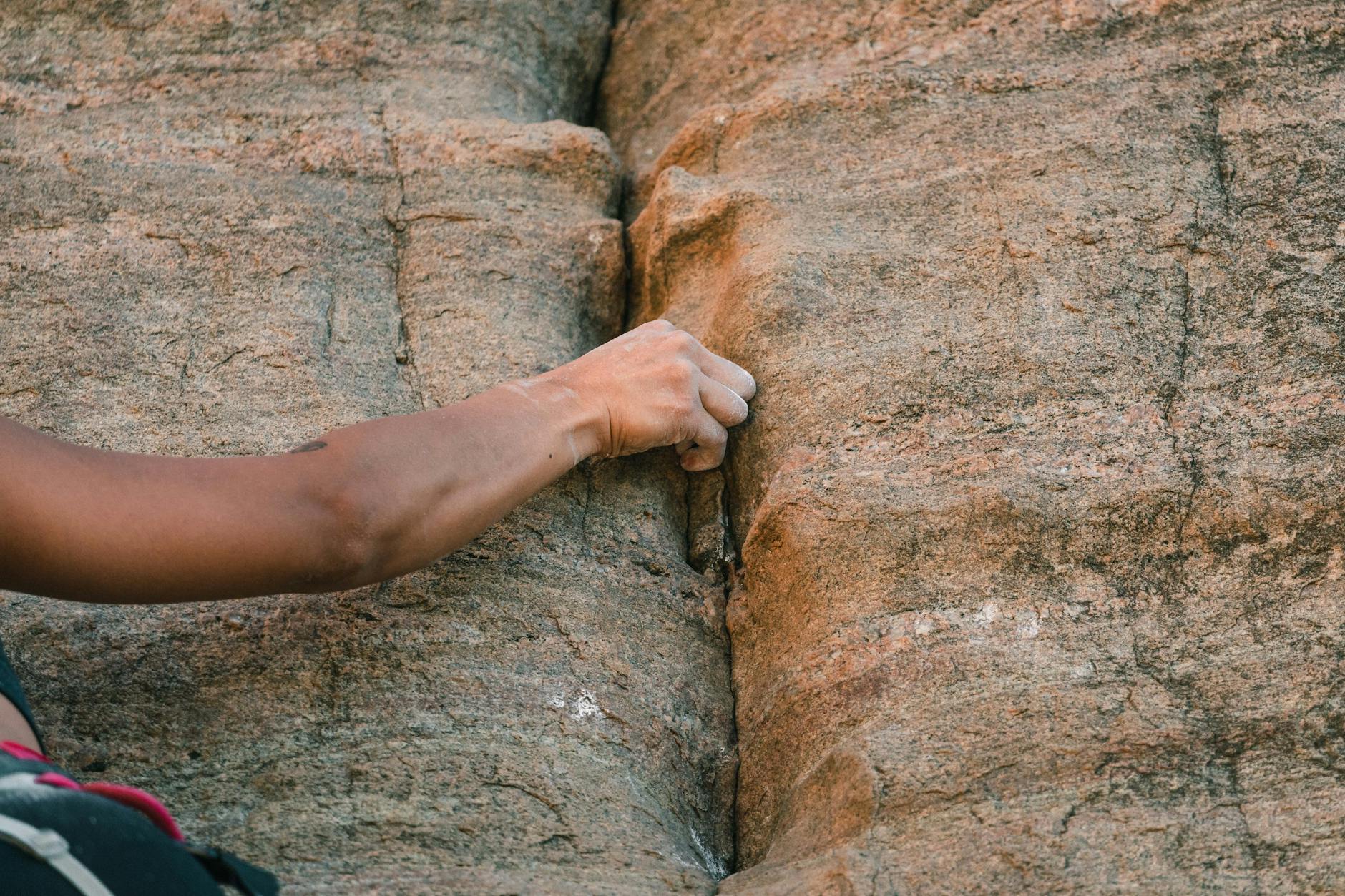
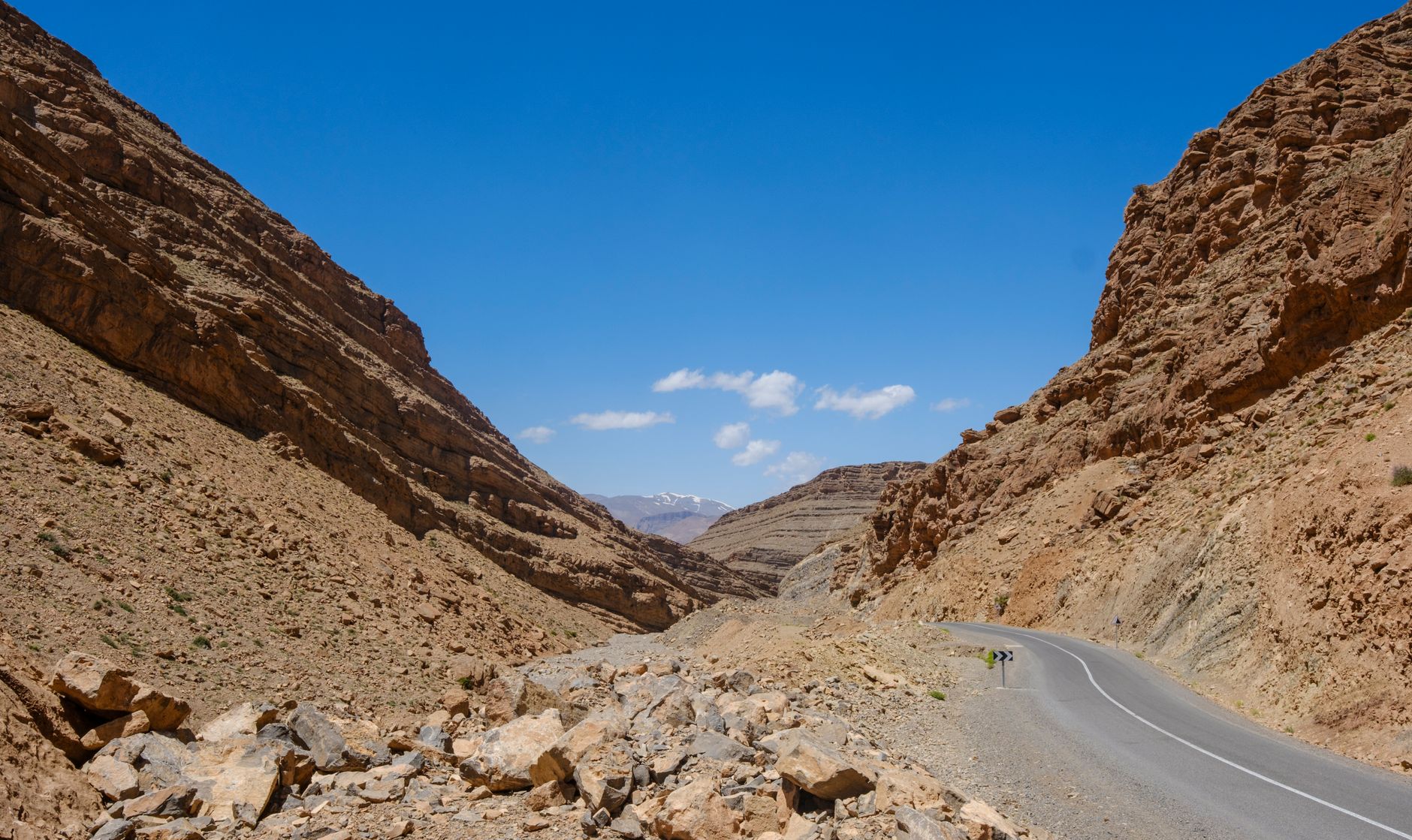
The gorge itself is a narrow slot of rose-colored limestone, roughly 300 meters tall at its tightest point, carved by the Todra River over millennia. The walls rise so steeply and so close together that at certain hours the canyon floor receives no direct sunlight at all. For sport climbers, that shade is not just atmospheric – it keeps the rock cool and the friction sharp through much of the afternoon, extending the usable climbing window well past midday heat.
The route grades span a wide range, from accessible single-pitch lines in the 5c range to sustained multi-pitch climbs pushing into 7c and beyond. Local route developers, many of them based in the nearby town of Tinerhir, have bolted routes across several distinct sectors over the past two decades. The result is a crag with genuine variety – slab routes that punish hesitation, overhanging tufa systems that reward reach and lock-off strength, and long moderate lines suitable for climbers still building confidence on limestone.
What sets Todra apart from better-known Moroccan climbing areas is the quality of the rock itself. The limestone is compact and featured, offering positive edges and pockets rather than the chalky, friable surfaces that frustrate climbers at some North African crags. Routes tend to hold their grade across conditions, and the bolting on developed sectors is generally considered solid by visiting European climbers who use French alpine standards as their benchmark.
Seasonal timing matters considerably here. The prime windows run October through early December and again from February through April. Winter brings the risk of ice forming on north-facing walls and short daylight hours that cut into multi-pitch days. Midsummer temperatures in the canyon bottom can push past 40 degrees Celsius, making extended climbing unpleasant and, on sun-exposed faces, genuinely hazardous. Visiting climbers who time their trip right find near-ideal conditions – cool mornings, dry air, and rock that stays grippy through the afternoon shade.
The Logistics and the Life Around the Gorge
Access to Todra Gorge runs through Tinerhir, a market town roughly 180 kilometers east of Ouarzazate. Buses connect Tinerhir to Marrakech and Ouarzazate, though most visiting climbers either rent a car or arrange shared transport from the larger hubs. The drive into the gorge from Tinerhir covers about 15 kilometers through a lush palm oasis that cuts through otherwise desert terrain – a visual contrast that feels almost theatrical before the canyon walls close in.
Accommodation options range from basic auberges built directly into the gorge walls to guesthouses in the lower oasis valley. Several of the canyon-floor lodges cater specifically to climbers, storing gear, offering route beta, and connecting guests with local guides. Meals tend toward tagine and harira, the slow-cooked staples of Moroccan southern hospitality, and the cost of staying well-fed and sheltered remains notably lower than equivalent climbing destinations in southern Spain or the French Verdon.
Local guides certified through Moroccan mountain federation programs operate throughout the gorge. Their knowledge of conditions, sector access, and route-specific beta is worth paying for, particularly for visitors unfamiliar with the canyon’s less-documented sectors. Some of the gorge’s best routes are not listed in any printed guidebook – they exist in the working memory of local climbers who have been developing lines here for years. Engaging that knowledge is one of the practical reasons to hire locally rather than rely entirely on imported topos.
The surrounding landscape extends the trip beyond pure climbing. The palmeries outside Tinerhir carry genuine agricultural life – dates, figs, and pomegranates grown under canopy shade in a system that has functioned continuously for centuries. Treks into the nearby Todra Valley or further toward the M’Goun massif offer trekking options on rest days. Climbers who combine Todra with time in the High Atlas proper, including the routes and ridgelines around Jebel Toubkal, build itineraries that cover dramatically different terrain within a single Morocco trip. Trekkers drawn to remote desert mountain systems – the kind who gravitate toward places like Ethiopia’s Simien Mountains – often find Todra satisfies a similar appetite for landscape that demands attention on its own terms.
Gear logistics are manageable but require advance planning. There is no large outdoor equipment retailer in Tinerhir. Rope, quickdraws, and shoes need to arrive with the climber. That said, several auberges rent helmets and basic protection, and the gorge’s concentration on bolted sport routes means a standard sport rack – twelve to fifteen quickdraws, a 60-meter dry-treated rope, and a belay device – covers the majority of routes at the main sectors.
The Quiet Competition With the Atlas
The Atlas Mountains hold the prestige by default. Toubkal is Morocco’s highest peak, the trekking infrastructure around it is well-established, and the name carries weight with travelers who want altitude bragging rights. Todra offers none of that. What it offers instead is technical density – more quality rock climbing routes per square kilometer than anywhere else in Morocco, accessible without the altitude acclimatization that Toubkal demands and without the guided group infrastructure that now shapes much of the Toubkal experience.
Climbers who visit once tend to return. The gorge has a habit of delivering routes that feel harder or easier than expected, forcing recalibration in ways that reward multiple visits. A 6b that shuts you down on day one may click cleanly on day four after the specific movement patterns settle into muscle memory. That kind of route – not technically desperate, but genuinely resistant to casual redpoint attempts – is what keeps sport climbing destinations alive long after the novelty of the scenery fades. Todra has enough of those routes to justify a two-week trip without repeating any sector twice.