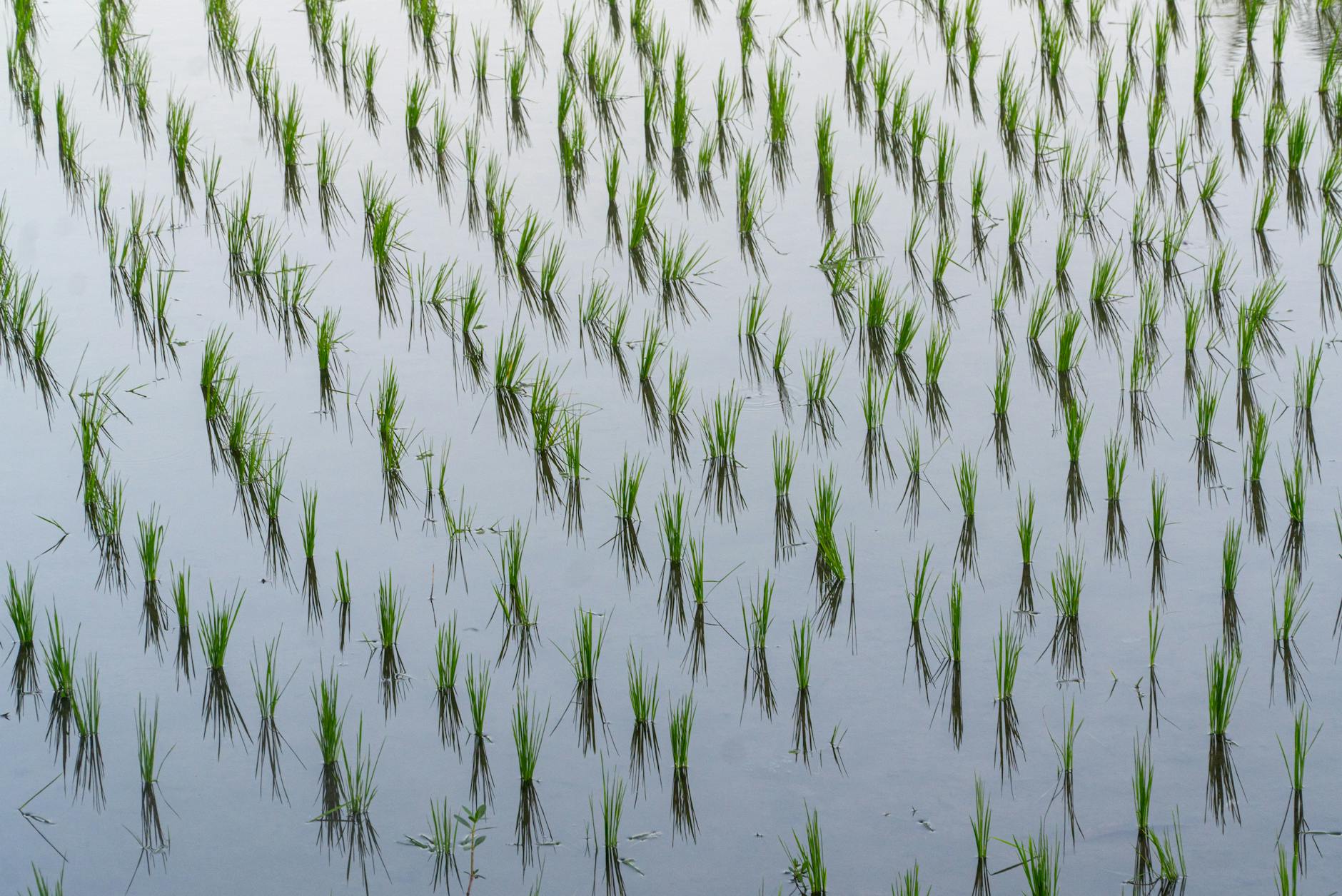
Vietnam’s Mekong Delta Converts Rice Paddies Into Floating Glamping Sites

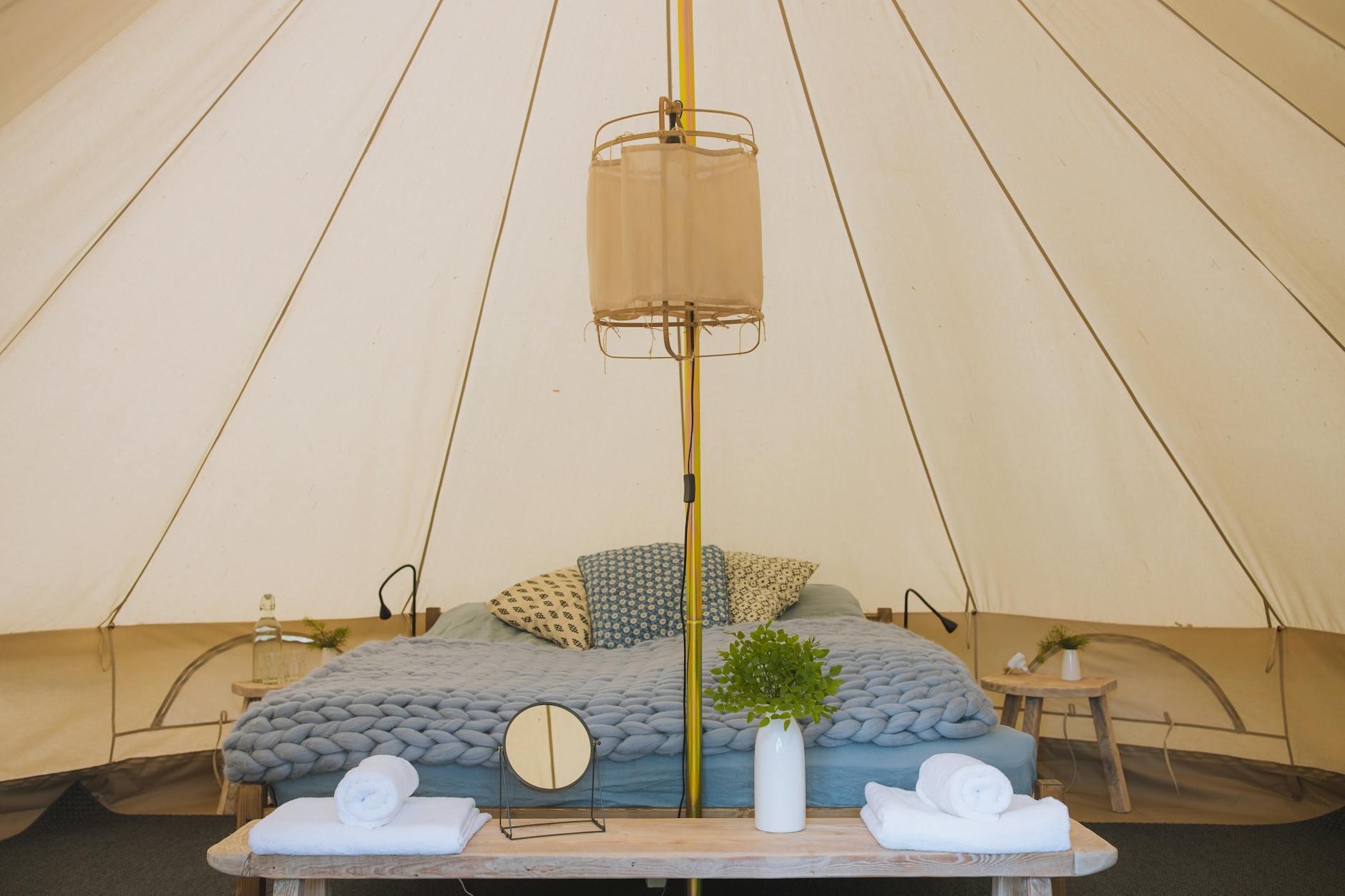
Rice farmers in Vietnam’s Mekong Delta are abandoning traditional agriculture for luxury hospitality ventures, transforming their waterlogged paddies into floating glamping destinations. The shift represents a complete reimagining of land use in a region where rice production has dominated for centuries. Agricultural families are now hosting international tourists in elevated canvas tents and bamboo platforms suspended above what used to be their rice fields.
The transition stems from economic necessity rather than tourism trends. Rice prices have stagnated while production costs continue climbing, forcing many farmers to seek alternative income streams.
Local authorities in An Giang and Dong Thap provinces have fast-tracked permits for these floating accommodations, recognizing tourism’s potential to revitalize rural communities hit hard by changing agricultural economics.
From Grain to Guests
Converting rice paddies requires extensive infrastructure modifications that go far beyond simple tent placement. Former rice farmers must install elevated walkways, floating dock systems, and waterproof electrical networks while maintaining the natural flood patterns that define the delta landscape. The engineering challenges mirror those faced in traditional stilt house construction, but with modern luxury amenities layered on top.
Most operators invest between $15,000 to $30,000 per glamping unit, a substantial sum in rural Vietnam where annual household incomes average around $3,500. This upfront investment typically comes from family savings, informal lending networks, or partnerships with urban Vietnamese investors seeking tourism opportunities. The financial risk is considerable, particularly since flooding patterns can change unpredictably with climate variations.
Early adopters report occupancy rates exceeding 70% during peak season, with nightly rates ranging from $80 to $150 per tent. These figures represent dramatic income increases compared to rice farming, where annual profits per hectare rarely exceed $400. However, the seasonal nature of tourism creates income volatility that rice farming, despite its low returns, historically avoided.
Infrastructure Meets Delta Reality
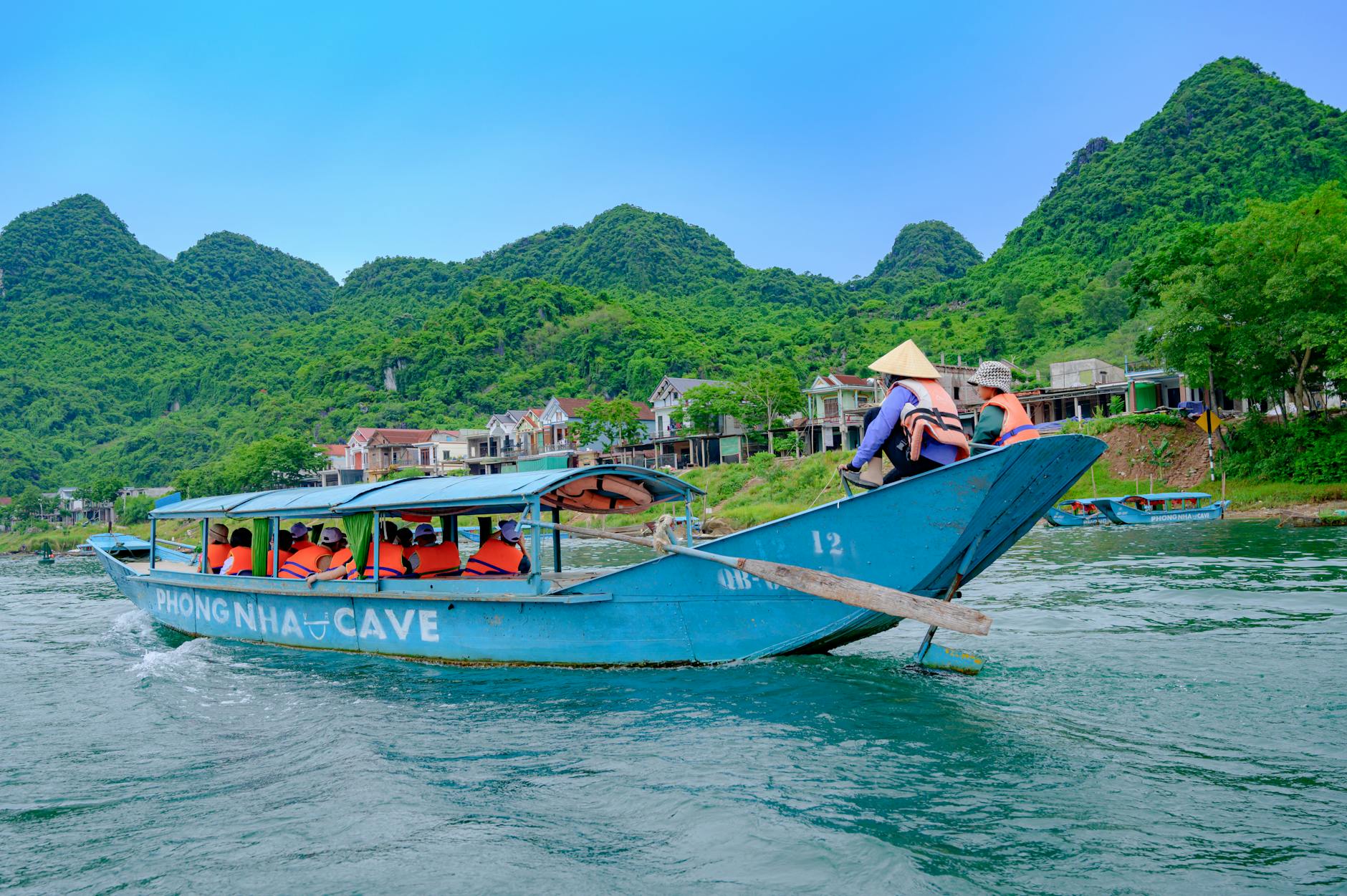
The floating glamping concept works within the delta’s natural rhythms rather than fighting against them. During dry season, guests can walk directly from elevated platforms to surrounding areas for cycling tours through remaining rice fields and fruit orchards. When flood season arrives, the same accommodations become water-level retreats accessible only by boat, offering a completely different experience.
Waste management presents ongoing challenges in these remote locations. Most sites rely on composting toilets and greywater filtration systems, technologies unfamiliar to farming families who must now maintain sophisticated treatment equipment. Power generation typically combines solar panels with backup generators, though unreliable fuel supplies sometimes leave guests without electricity during extended rainy periods.
Food service operations draw heavily on delta resources, with many sites offering cooking classes featuring local specialties like elephant ear fish and dragon fruit. Former rice farmers often become tour guides, sharing knowledge about traditional farming techniques, local wildlife, and seasonal flooding patterns that shaped their communities for generations.
Market Dynamics and Guest Expectations
International visitors, primarily from Singapore, Australia, and European countries, drive demand for these delta experiences. They arrive seeking authentic Vietnamese countryside exposure without sacrificing modern comfort standards. This creates tension between maintaining rustic authenticity and providing amenities like hot showers, reliable wifi, and Western-style bedding that guests expect at premium price points.
Competition among floating glamping sites has intensified rapidly as more farming families enter the market. Differentiation strategies include specialty experiences like traditional net fishing, rice paper making workshops, and sunset boat tours through narrow canal systems. Some operators partner with cooking schools in Ho Chi Minh City to offer multi-day culinary programs that combine glamping with intensive Vietnamese cooking instruction.
The business model’s success depends heavily on maintaining delta authenticity while meeting international hospitality standards – a balance that proves challenging for families with no prior tourism experience. Marketing relies almost entirely on social media and travel booking platforms, requiring digital skills that rural communities traditionally lacked.
Seasonal flooding that once threatened rice crops now becomes a selling point for adventure tourism, though insurance coverage for these unconventional accommodations remains limited and expensive.