Chile’s Atacama Villages Quietly Rival Patagonia for Stargazing Wanderers

The Desert That Outshines the Ice
Patagonia gets the postcards, the gear sponsorships, and the bucket-list devotion. But a growing number of stargazing travelers are quietly rerouting toward Chile’s Atacama Desert – specifically its cluster of pre-Columbian villages that sit at altitudes where the air is thin, dry, and almost completely free of light pollution. The sky above San Pedro de Atacama and the smaller villages radiating outward from it holds more stars per visible degree than almost anywhere else accessible by commercial flight.
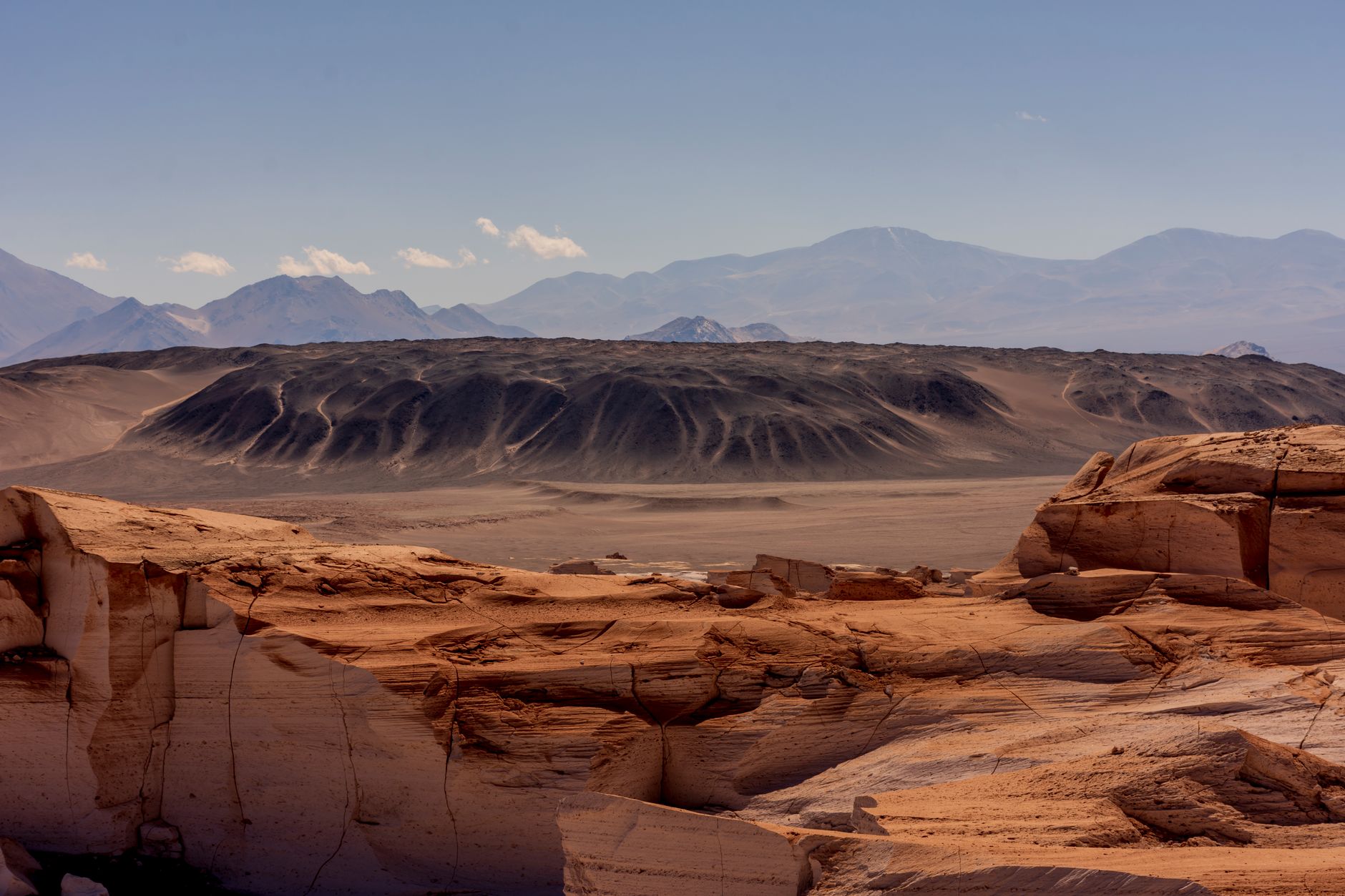
What separates the Atacama from other dark-sky destinations isn’t just atmospheric clarity. The region sits at roughly 2,400 meters above sea level, with some surrounding altiplano villages climbing past 4,000 meters. At that elevation, with annual rainfall measuring in single-digit millimeters, the desert functions like a natural observatory – which is exactly why the European Southern Observatory chose this corner of Chile to build some of its most powerful telescopes. The villages nearby have existed for centuries without knowing the sky above them was considered among the rarest on the planet.
Villages Beyond the Main Circuit
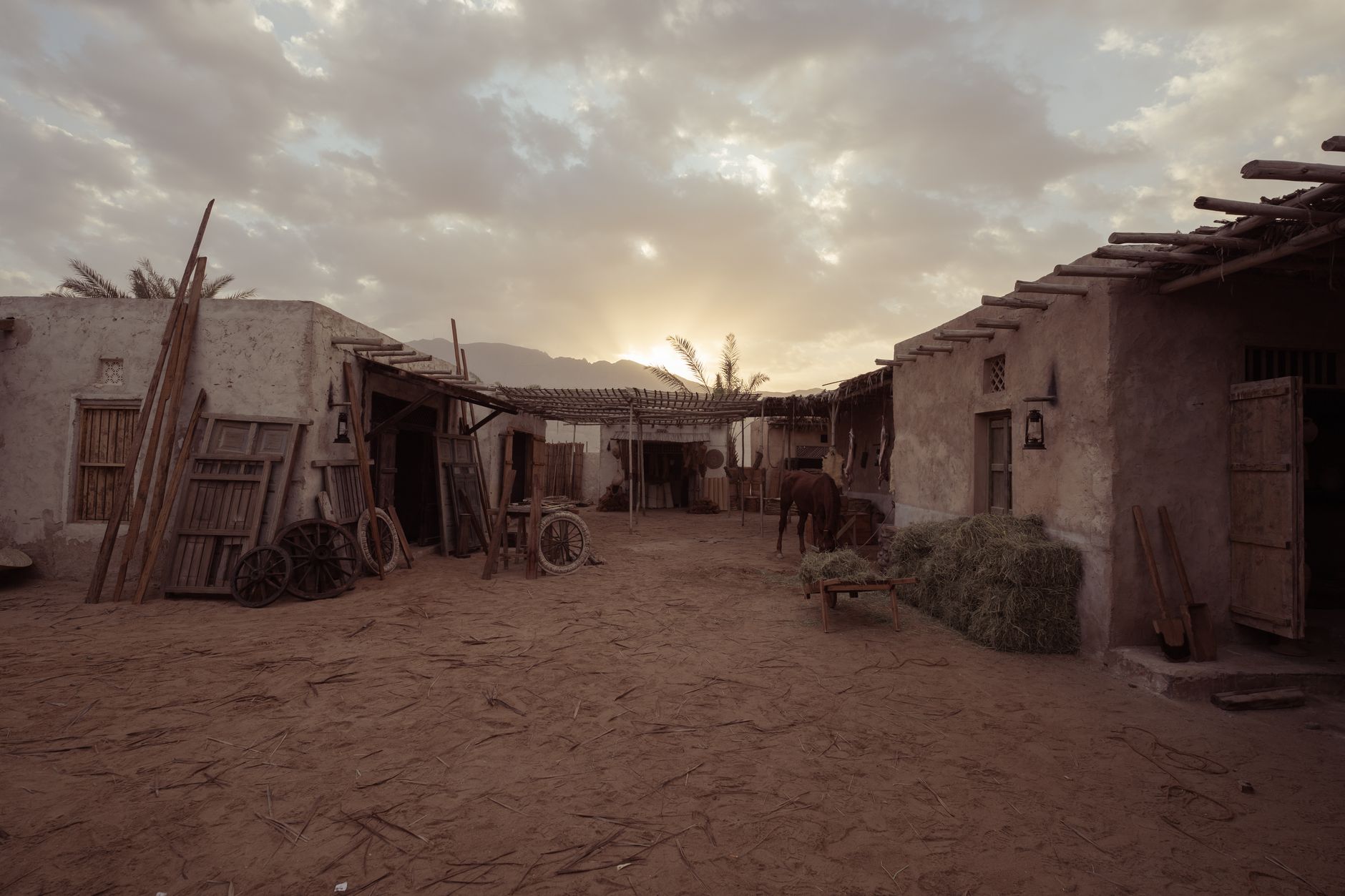
San Pedro de Atacama is the gateway town most travelers know – dusty, atmospheric, and increasingly well-served with boutique lodges. But the real pull for serious sky-watchers sits further out. The village of Toconao, roughly 38 kilometers south of San Pedro, is a quiet settlement of whitewashed liparite-stone houses and a 17th-century bell tower that predates Chilean independence. Its altitude and distance from the modest light dome of San Pedro gives it noticeably darker horizons after sunset. Socaire, even further south and perched closer to the Salar de Atacama’s edge, sees a fraction of the visitors and holds the kind of silence that feels almost geological.
These altiplano communities aren’t marketed aggressively. There are no neon signs advertising “stargazing tours” at every corner, no international hotel chains with rooftop observation decks. What exists instead is a small ecosystem of local guides, community-run guesthouses, and astronomers – both professional and amateur – who have been hosting visitors for years without much noise about it. The experience feels more like a discovery than a product.
What the Sky Actually Delivers
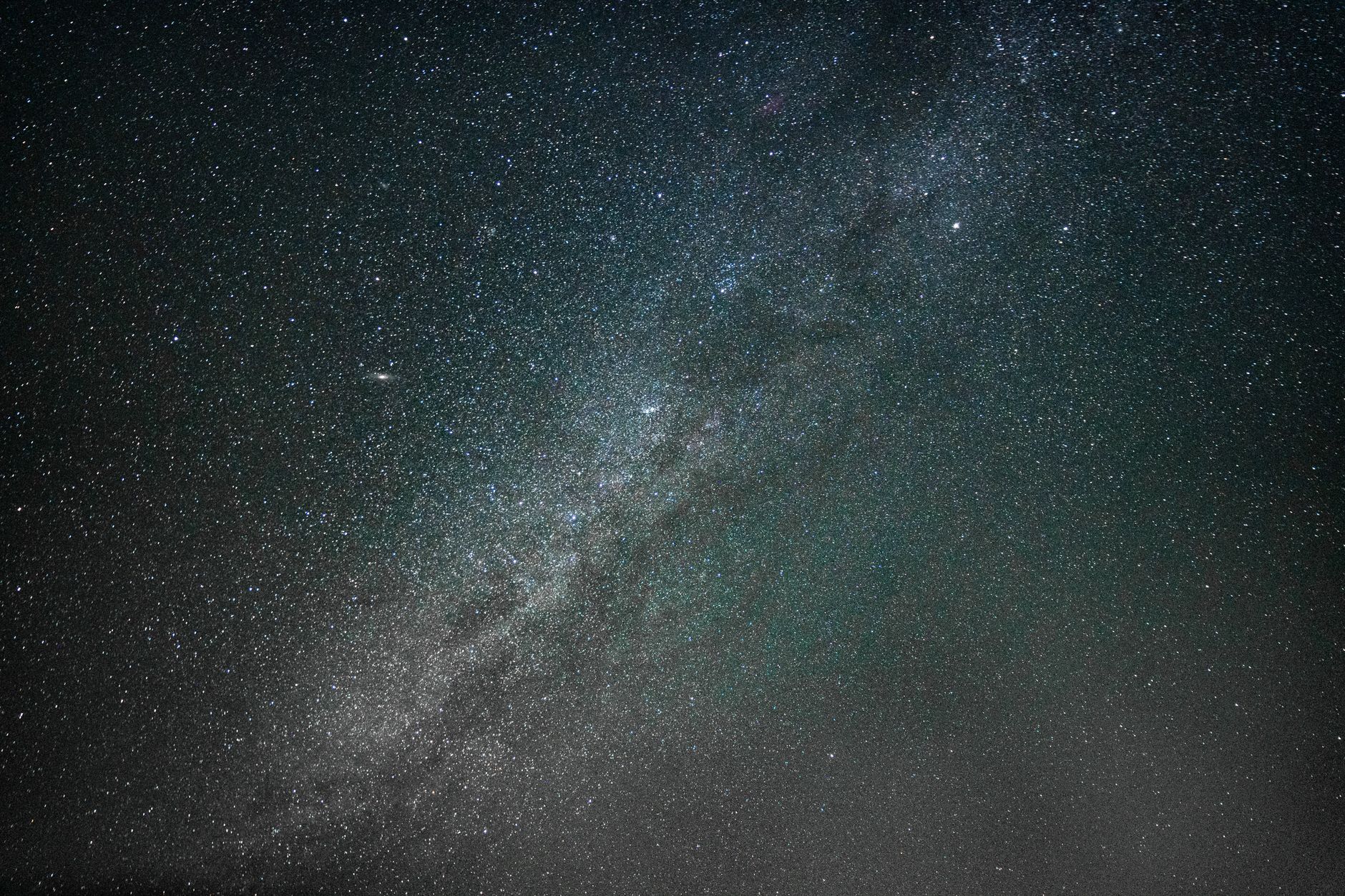
On a moonless night in the Atacama, the Milky Way doesn’t just appear as a smear across the sky. It resolves into layers – gas clouds, dust lanes, star clusters – with enough visible detail that first-time observers sometimes assume they’re looking at something artificial. The Southern Hemisphere sky offers constellations invisible from Europe or North America, including the Southern Cross and the Magellanic Clouds, which are satellite galaxies of the Milky Way visible to the naked eye from a dark enough site. In the Atacama, they look close enough to feel personal.
The dry, stable atmosphere also reduces what astronomers call “seeing” interference – the atmospheric turbulence that blurs star images through telescopes. This is why professional observatories cluster in this region rather than, say, the Andes ranges further north. For amateur observers using portable telescopes or even high-quality binoculars, the difference is immediate and significant. Star clusters like Omega Centauri, which appears as a faint fuzzy star from most locations, becomes a fully resolved globe of individual stars from the Atacama altiplano.
Guides operating out of San Pedro and the surrounding villages typically run tours between 10 p.m. and 2 a.m., when the sky reaches its darkest point and the galactic core rises high enough to dominate the southern sky. Some tours use high-powered telescopes with solar filters for daytime viewing as well, taking advantage of the near-zero cloud cover to observe sunspot activity. The programming is casual by observatory standards, but the equipment has improved considerably over the past decade.
Timing matters. The Atacama’s clearest nights cluster between April and November, when the Southern Hemisphere winter minimizes the slight moisture that the summer season occasionally pushes in from Bolivia. June and July are peak months for serious observers – cold, occasionally windy, but reliably cloudless for stretches that can last weeks without interruption.
The Cultural Layer That Patagonia Lacks
Atacameno communities have their own astronomical traditions, rooted in agricultural and ritual calendars that predate Spanish colonization. The Lickan Antay people read the sky not purely as navigation or spectacle but as a seasonal guide – the appearance of the Pleiades, for instance, signaled planting cycles. That living relationship with the sky gives the Atacama’s stargazing circuit a dimension that purely wilderness-focused destinations don’t offer. It’s possible to watch the same stars that pre-Columbian farmers used to time their harvests, from the same high-altitude landscape where those traditions developed.
Some local guides are Atacameno themselves, and the better operators connect visitors explicitly to this heritage rather than treating the night sky as a purely scientific exhibit. It’s a distinction worth seeking out when booking, and it changes the quality of the experience considerably. Knowing that the constellation you’re watching was once used to determine when to flood terraced fields makes the altitude feel less abstract.
Getting There and Staying Grounded
The main entry point is Calama, served by direct flights from Santiago. From Calama, San Pedro de Atacama is about 100 kilometers east by road – a straightforward transfer that most lodges and tour operators arrange. The village itself has enough accommodation range to suit both budget travelers and those looking for more polished options, with several properties designed specifically around the stargazing experience, offering red-light-only pathways at night and rooms positioned away from any artificial lighting.
Altitude adjustment is worth taking seriously. San Pedro sits at around 2,400 meters, and day trips toward Socaire or the ALMA Observatory road push closer to 5,000 meters in some sections. Most visitors spend a first day at lower activity levels, drink significant amounts of water, and avoid alcohol until acclimatized. The discomfort is manageable and typically brief, but it’s the most common reason travelers cut a trip shorter than planned.
Patagonia’s appeal has always rested on wilderness at the edge of the accessible world. The Atacama offers something different: an ancient, inhabited landscape where the most spectacular feature isn’t a glacier or a granite peak but the sky overhead, unchanged for millennia and still tended by communities who understood its patterns long before telescopes existed. The question for any serious stargazing traveler isn’t whether the Atacama sky is better – on most measurable criteria, it is – but whether you’re willing to trade familiarity for a destination that hasn’t been packaged yet.