Colombia’s Serranía de la Macarena Quietly Rivals Caño Cristales for Savanna Wanderers

Where the Savanna Meets the River’s Edge
Caño Cristales gets the magazine covers. Its red-streaked riverbeds, tinted by the aquatic plant Macarenia clavigera, have made it one of the most photographed natural phenomena in South America. But the national park that contains it – Serranía de la Macarena – is far larger, far stranger, and far less explored than any single river could suggest. Most visitors fly in, photograph the river, and fly out. What remains behind is a landscape that sprawls across the collision point of four distinct ecosystems: Andes, Orinoco, Amazon, and the Llanos savanna.
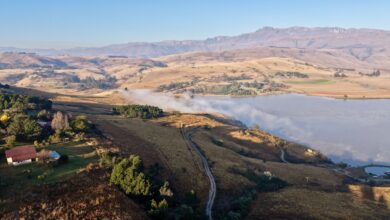
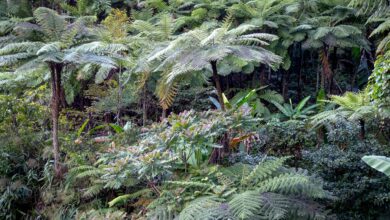
That collision is not a metaphor. Serranía de la Macarena sits at an ancient geological crossroads, which means its biodiversity doesn’t follow the rules of any one biome. You can walk from dense jungle into open savanna in an afternoon. You can watch howler monkeys in the canopy above you while a capybara moves through a flooded grassland fifty meters away. The park covers roughly 630,000 hectares, but visitor infrastructure concentrates almost entirely around the Caño Cristales corridor. Everything outside that corridor is, functionally, wilderness.
The Llanos Connection Nobody Talks About
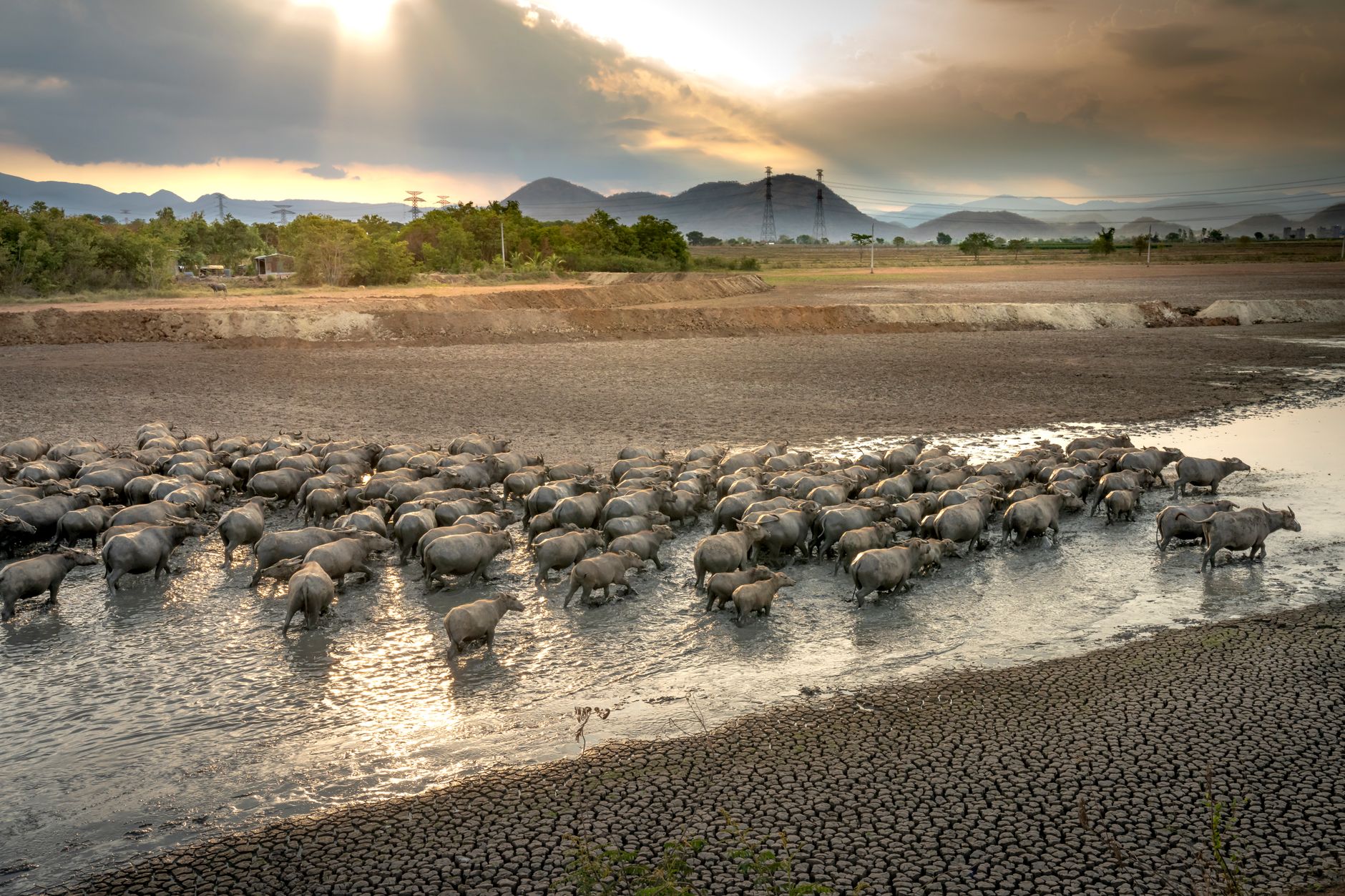
Serranía de la Macarena is often described as an Amazonian park, but that framing undersells it. The park’s eastern and southern flanks open into the Llanos – the vast tropical savanna that stretches across eastern Colombia and into Venezuela. This is where the park becomes genuinely distinct from anything else in the country. In the dry season, the savanna sections turn gold and cracked, dotted with moriche palms that rise out of the flatness like sentinels. In the wet season, those same flatlands flood to knee depth, and the birdlife multiplies dramatically.
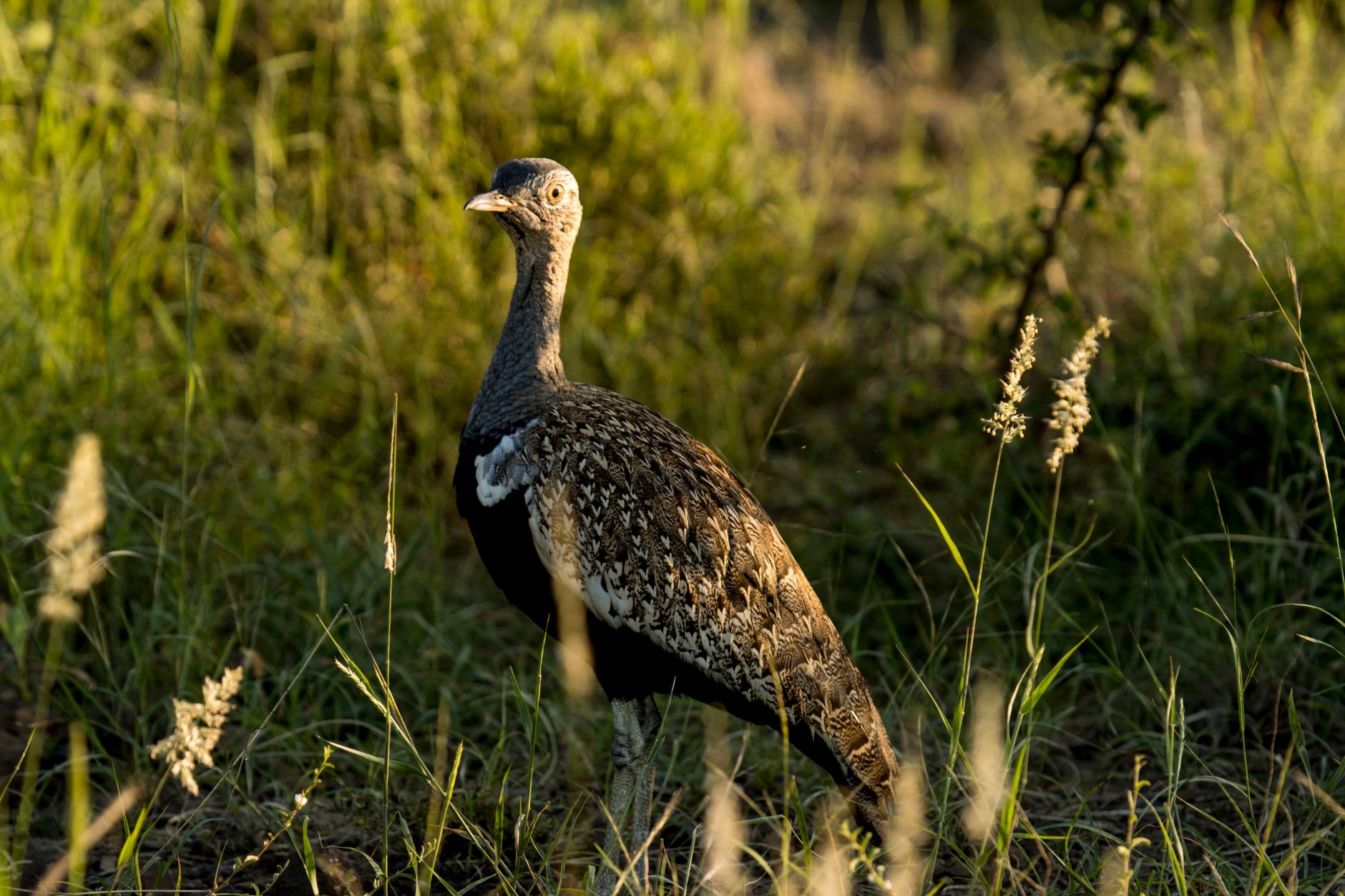
The Llanos edge of the park draws a very different traveler than the waterfall-chasing crowd that heads to Caño Cristales. Birders come for the jabiru storks and orinoco geese. Wildlife photographers come for the giant anteaters and giant river otters that move through the flooded zones. The savanna sections don’t have the dramatic color of the famous river, but they offer something rarer in Colombian tourism: near-total solitude and a landscape that feels genuinely unmanaged.
Accessing this part of the park requires more planning. Guided overland routes from the town of La Macarena push into the interior, but infrastructure is minimal. That is precisely the point for travelers who find the Caño Cristales experience – heavily regulated, ticketed, timed entry – too polished for their tastes.
The Biodiversity Case Is Almost Unfair
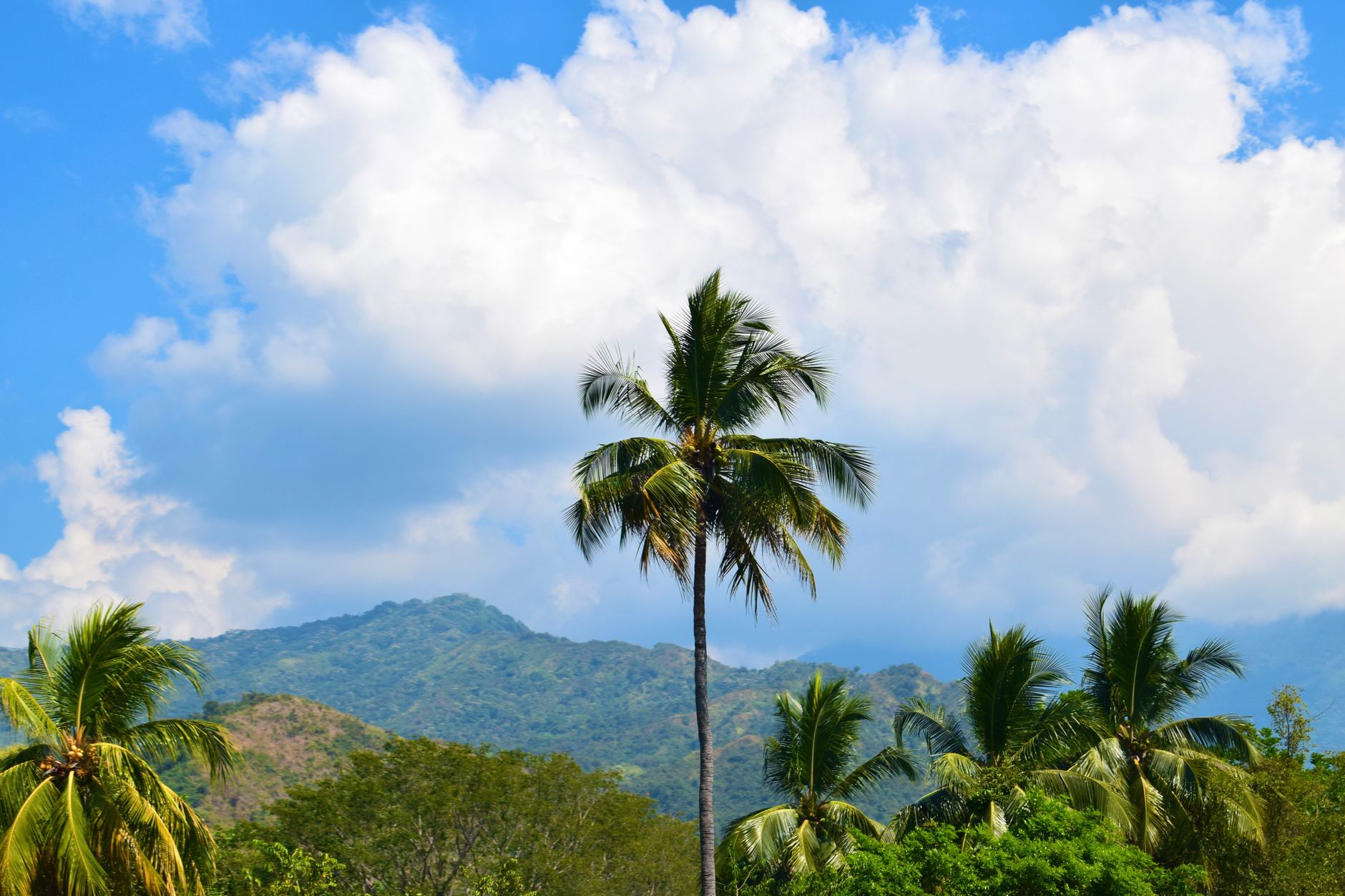
The numbers behind Serranía de la Macarena’s biodiversity record make the park difficult to contextualise. It hosts somewhere around 550 bird species, more than 100 reptile species, and flora that includes plants found nowhere else on earth. The tepui-like formations of the Macarena mountain range – older than the Andes, geologically isolated for millions of years – created conditions for endemic species to evolve in isolation. Some of the plant communities on these ancient rocky outcrops have closer relatives in the Guiana Highlands than in the Colombian Amazon directly below them.
For savanna wanderers specifically, the grassland sections of the park sit within one of the most intact stretches of Llanos habitat remaining in Colombia. Cattle ranching has consumed enormous portions of the Llanos further north and east, but the protected status of Serranía de la Macarena has kept its savanna edges relatively intact. The result is a grassland ecosystem that still functions – predators, prey, seasonal flooding cycles, native grasses – without the gaps and interruptions that come with agricultural encroachment.
The jaguar population here is not well documented in public sources, but tracking programs have confirmed the cats move through the park’s interior zones, particularly along the river corridors that cut through the savanna-forest transition. Giant armadillos have also been recorded, a species so shy and nocturnal that most wildlife tourists never encounter them. The park’s interior is one of the few places in Colombia where the conditions for seeing both still exist.
The tension the park lives with is straightforward: Caño Cristales generates tourism revenue and attention that funds conservation, but the attention also concentrates pressure on a small section of a very large, sensitive landscape. The Colombian national parks authority has tried to manage this by keeping entry numbers to the river strictly capped and requiring licensed guides throughout. What hasn’t been addressed as directly is what happens to the rest of the park – the savanna sections, the tepui outcrops, the flooded Llanos edges – when no sustainable tourism model exists for them yet. Travelers who want to move beyond the famous river will find a park that is prepared for their curiosity in some ways and not at all prepared in others. A community of local guides in La Macarena has been building this capacity quietly, but it remains patchy and dependent on individual operators rather than any coordinated system. The park rewards patience, flexibility, and a tolerance for logistics that don’t always go as planned – which, for a certain kind of savanna wanderer, is exactly the right kind of recommendation.