Colombia’s Tatacoa Desert Quietly Rivals Caño Cristales for Arid Wanderers

Where the Land Splits Open
Tucked into the upper Magdalena River valley in the Huila department of Colombia, the Tatacoa Desert covers roughly 330 square kilometers of fractured earth, cacti forests, and ravines carved by centuries of wind and rain. Despite sitting just a few hours from Bogota by road, it draws a fraction of the visitors who make the pilgrimage to Caño Cristales, the country’s liquid-rainbow river that dominates every Colombia travel list. That gap in attention has little to do with quality and everything to do with marketing.
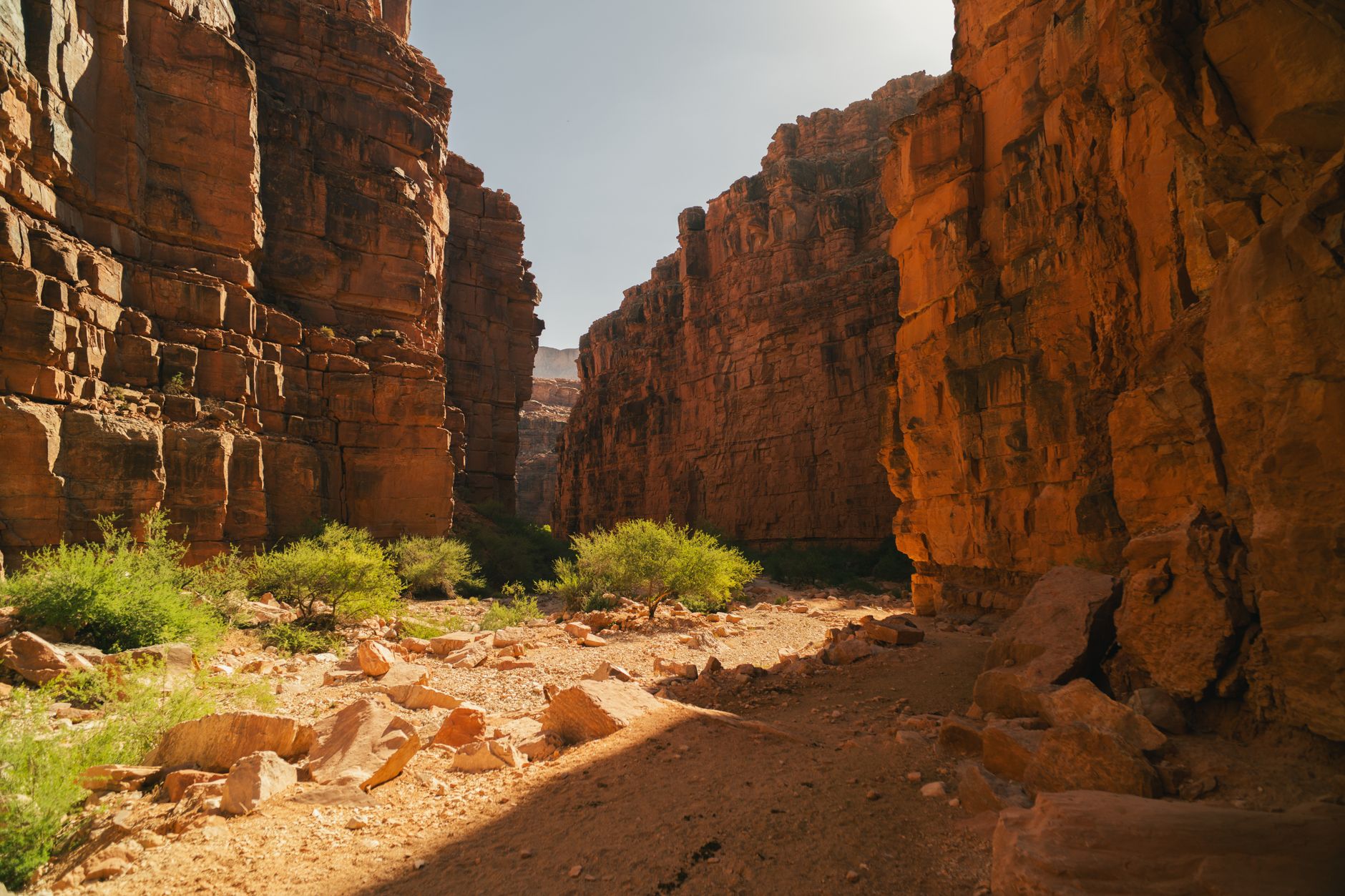
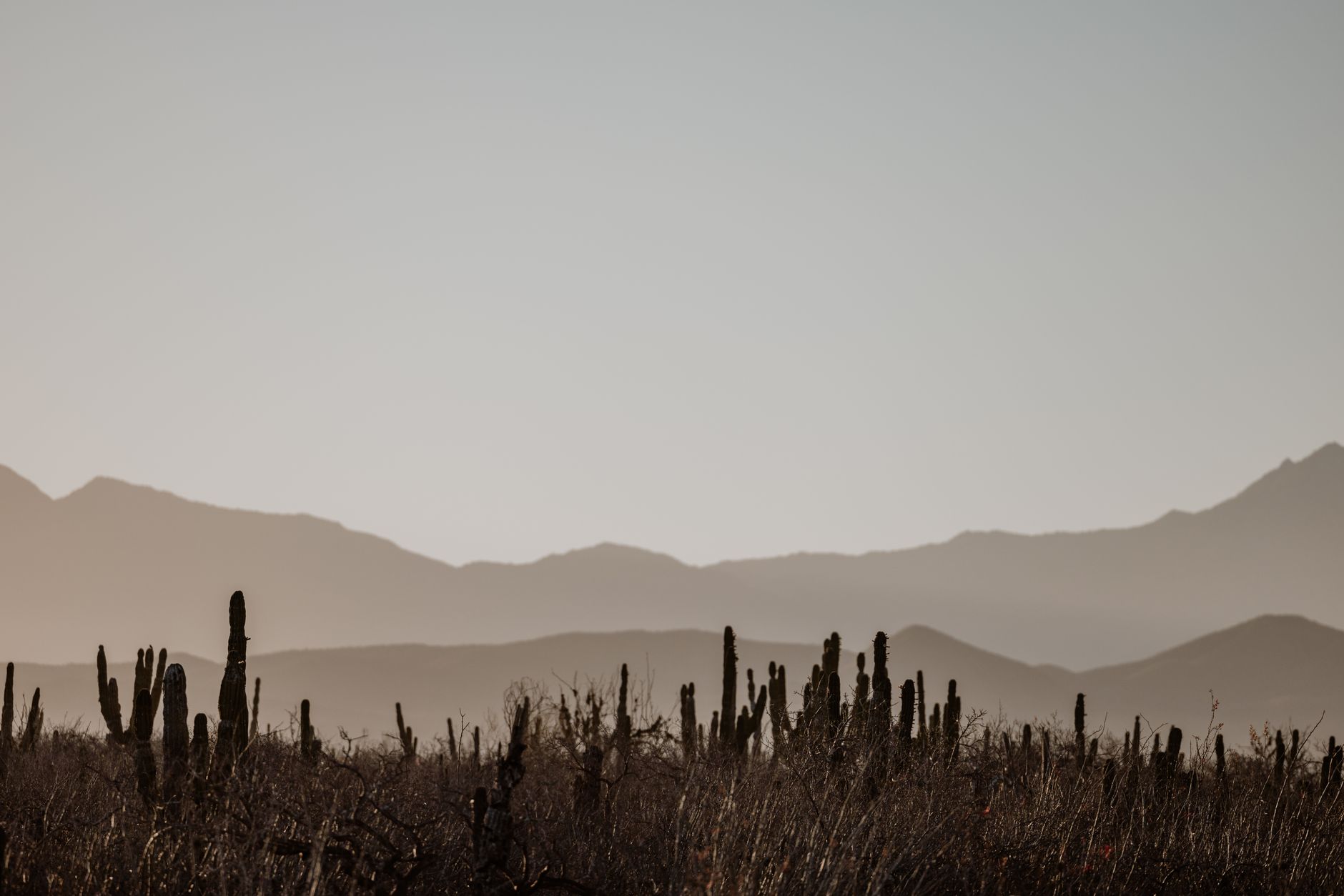
Tatacoa is technically a dry tropical forest rather than a true desert – annual rainfall does occur, and pockets of vegetation hold on stubbornly between the ochre and grey formations. That distinction barely matters when you are standing inside one of its two color zones, the red Cusco sector or the grey Los Hoyos sector, each throwing up a landscape so visually alien that the camera simply stops making sense of it. This is arid travel at its most unfiltered.
Two Colors, Two Worlds
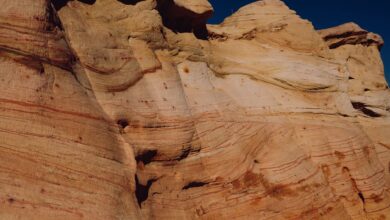
The Cusco sector earns its reputation on color alone. Iron oxide in the soil produces an almost theatrical burnt-red palette, broken up by columns and fins of eroded rock that local guides compare to a scaled-down version of the American Southwest. Walking its narrow gullies at golden hour, when the light goes sideways and the shadows cut deep, produces the kind of visual hit that travel photographers spend careers chasing. The sector sits close to the small town of Villavieja, making it the natural starting point for most visits.
Los Hoyos runs a different aesthetic entirely. The grey-white labyrinth of the northern zone feels cooler in color temperature even when the air is not, its pale formations absorbing less heat than the red sector but reflecting a lunar quality that photographers find equally rewarding. Between the two zones lies a corridor of scrubby vegetation and dry riverbeds that feels almost anticlimactic until you realize that the contrast it creates is exactly why the transition walk between sectors is worth doing on foot rather than by motorcycle taxi.
The Observatory Angle Nobody Talks About
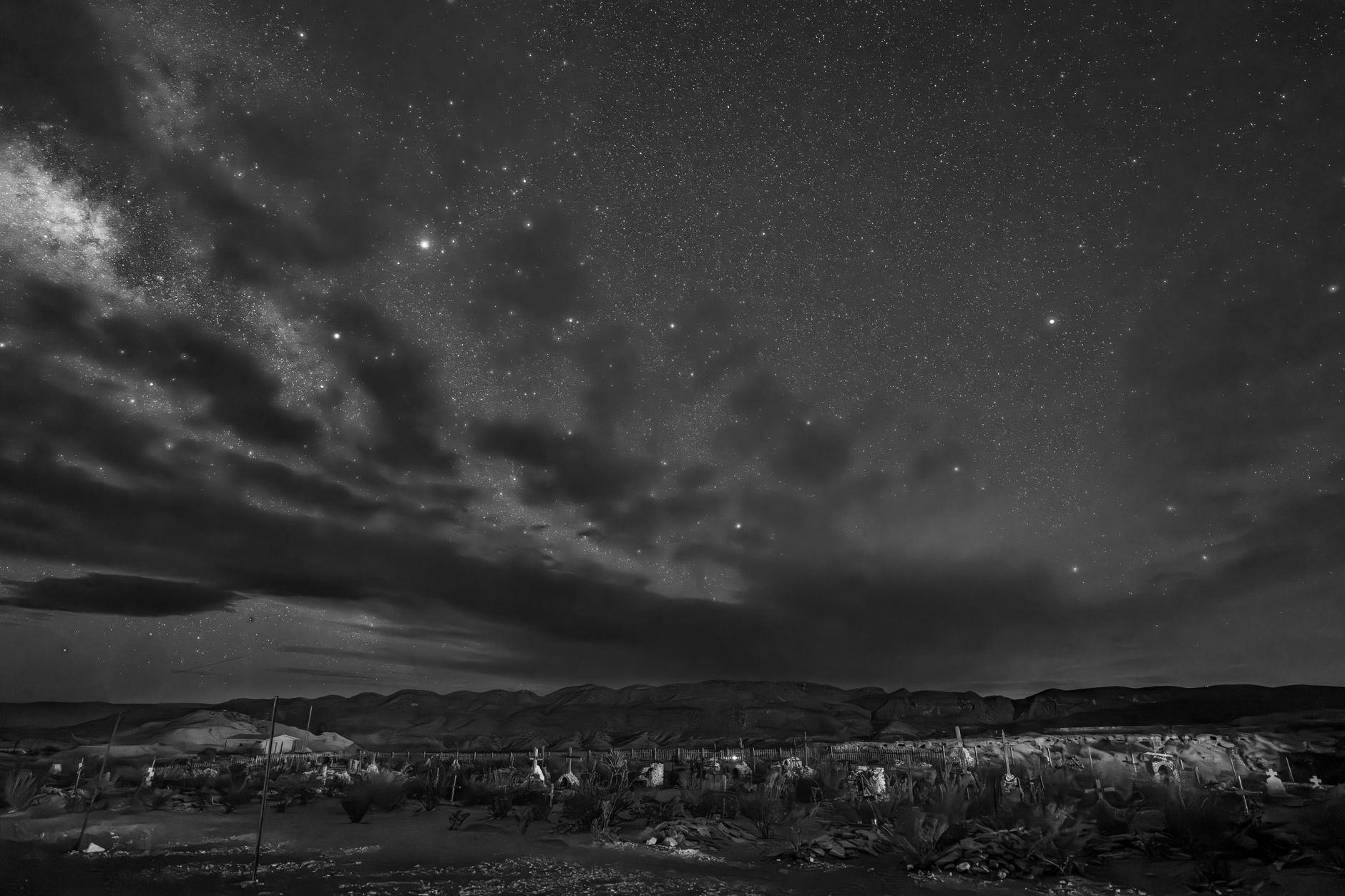
One genuinely practical advantage Tatacoa holds over most Colombian destinations is its night sky. The desert sits in a natural atmospheric pocket that keeps cloud cover low by Andean standards, and its distance from any significant urban light pollution makes it one of the better stargazing locations in a country not typically discussed in astronomy travel circles. A small observatory operates near Villavieja – community-run and modest in its equipment – but functional enough to offer guided observations of the southern sky on clear nights.
Arriving for a two-night stay rather than a rushed day trip allows visitors to split the desert by light condition: mornings for the rock formations before heat peaks, late afternoons for photography, and evenings for the sky. This rhythm is the one local guides consistently push, and it holds up. The midday hours in the Cusco sector between roughly 11 a.m. and 3 p.m. can be genuinely punishing, with temperatures regularly exceeding 38 degrees Celsius, so planning around that window is not optional – it is just logistics.
Getting There Without the Headache
Villavieja is the gateway town, accessible from Neiva, the Huila department capital, by a road trip of under an hour. Neiva itself connects to Bogota via a four-to-five-hour bus route or a short domestic flight. The route is well-traveled by Colombian domestic tourists on weekends, which means bus departures run frequently and pricing stays competitive. The challenge is not getting there – it is managing the timing to avoid arriving alongside school holiday crowds, when accommodation in and around Villavieja fills quickly.
Accommodation runs the full range from hammock guesthouses under palm-thatched roofs to mid-range cabins with air conditioning – the latter not a luxury but a practical necessity for anyone planning to sleep well enough to wake for a dawn walk. Several family-run posadas position themselves directly inside or at the edge of the desert formations, eliminating the need for early-morning transport to reach the best light.
Caño Cristales, by comparison, requires a flight to La Macarena, a strict entry permit system, designated seasonal access windows between June and November, and organized tour bookings that often sell weeks in advance. Tatacoa accepts walk-in visitors year-round. The best visiting window runs from December through March, when the dry season reduces any chance of flash flooding in the ravines and keeps trail conditions stable. That accessibility is its structural advantage over its more famous Colombian rival, and for arid landscape travelers who have already done the liquid rainbow pilgrimage, Tatacoa offers a completely different register of beauty without the permit queue.
What Tatacoa Is Still Missing
The honest friction with Tatacoa right now is infrastructure unevenness. Some walking trails lack clear signage, and visiting without a local guide means a genuine risk of getting turned around inside the deeper ravines of Los Hoyos, where one grey formation looks nearly identical to the next. The guide ecosystem in Villavieja is growing but not yet standardized – rates, knowledge levels, and language capacity vary considerably between operators. Doing any advance research into guide options before arriving saves both money and frustration.
Food options in the immediate desert area remain limited. Most visitors eat in Villavieja itself, where a cluster of family restaurants serves straightforward Huila cooking – river fish, rice, plantain – at prices that will surprise anyone arriving from Bogota. The regional specialty is asado huilense, a slow-roasted pork preparation that locals treat with the seriousness usually reserved for French wine classification. On a long afternoon after a morning in the red sector, that meal hits exactly right, and it is the kind of detail that does not make the Instagram grid but does make the trip stick.