
The Salt Lake the World Forgot to Visit
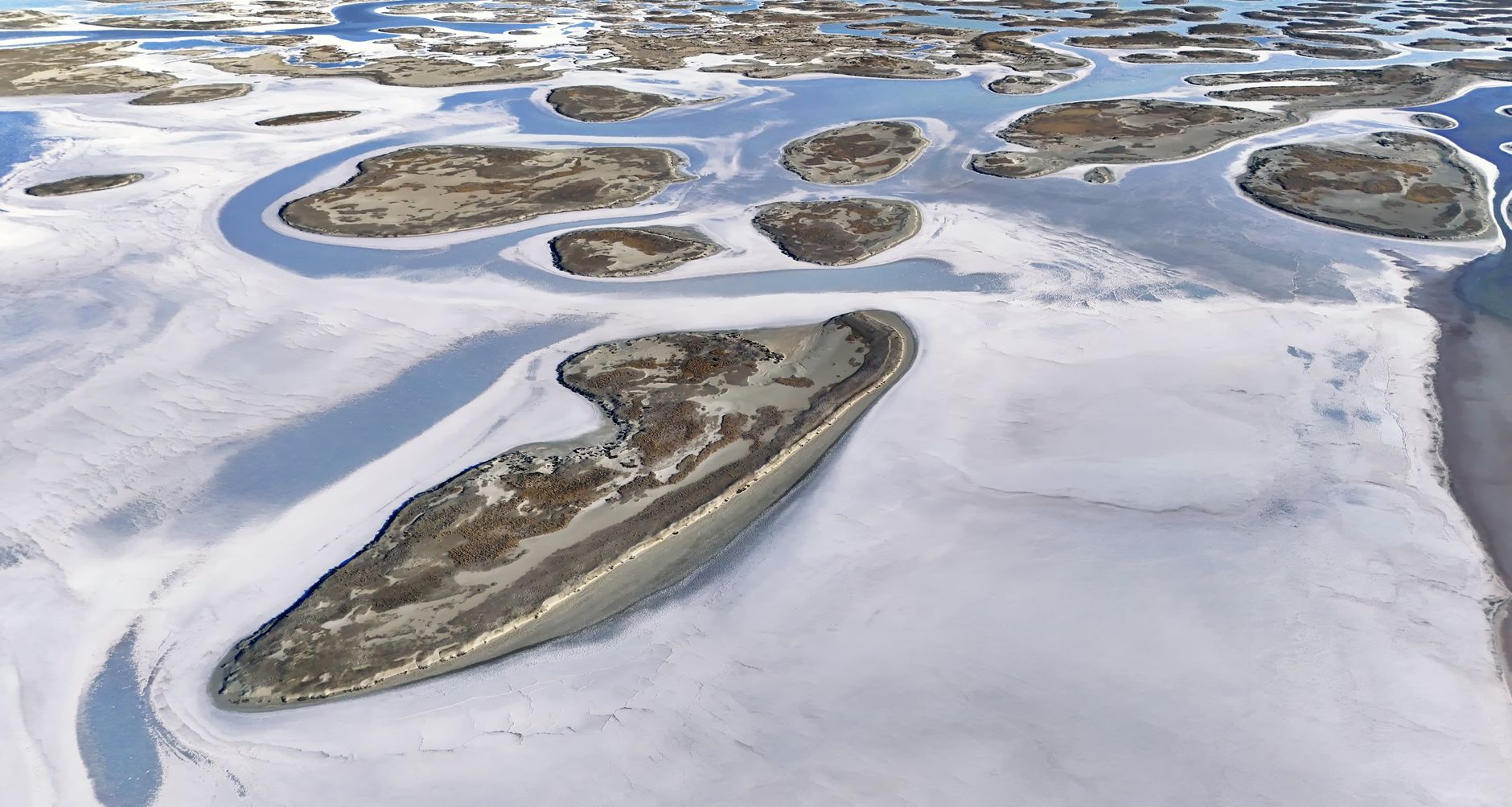
At roughly 155 meters below sea level, Lake Assal sits at the lowest point in Africa and the third lowest on Earth. It is saltier than the Dead Sea. Its shores are ringed with crystalline white formations that look like something between arctic tundra and alien terrain. And on most days, you can walk the length of its shoreline without passing another tourist.
That last detail is the one that matters most to a certain kind of traveler.
The Dead Sea has been on every bucket list for so long that visiting it now involves navigating resort queues, Instagram crowds, and branded float experiences at five-star hotels on the Israeli and Jordanian shores. Lake Assal, located in the Afar Triangle in Djibouti – one of the smallest and least-visited countries in Africa – offers the same geological spectacle with none of the choreography. Its salinity sits around 34.8 percent, compared to the Dead Sea’s roughly 30 percent, making it the saltiest body of water on the African continent. The buoyancy is just as extreme. The silence is total.
Getting There Is the First Test
Djibouti City is the entry point. The country is tiny – about the size of New Jersey – and Lake Assal is roughly 120 kilometers west of the capital, accessible by a two-lane road that cuts through volcanic rock fields and the kind of barren heat shimmer that makes you question your choices in the best possible way. Most visitors hire a 4WD with a driver, either through their hotel or one of the small local tour operators based in Djibouti City. The drive takes about two hours, and the landscape shifts dramatically along the way, from coastal flatlands into the Afar Depression, a geological rift zone where the African and Arabian tectonic plates are slowly pulling apart.
The road itself is in reasonable condition by regional standards, but the surrounding environment is unforgiving. Temperatures regularly exceed 40 degrees Celsius between May and September. The ground around the lake is a patchwork of salt flats, obsidian rock, and sulfur-stained mineral deposits. Travelers who go between November and March find more bearable conditions and cleaner visibility. Water – real drinking water, not the saline kind – should be carried in quantities that would seem excessive anywhere else.
There are no hotels at the lake. No visitor center, no entry fee booth, no souvenir stands. A handful of Afar nomads sometimes sell small salt crystals near the water’s edge, which is as close to commerce as it gets. You arrive, you walk to the water, you float, you leave. The absence of infrastructure is not a flaw in the experience – it is the experience.
What the Float Actually Feels Like
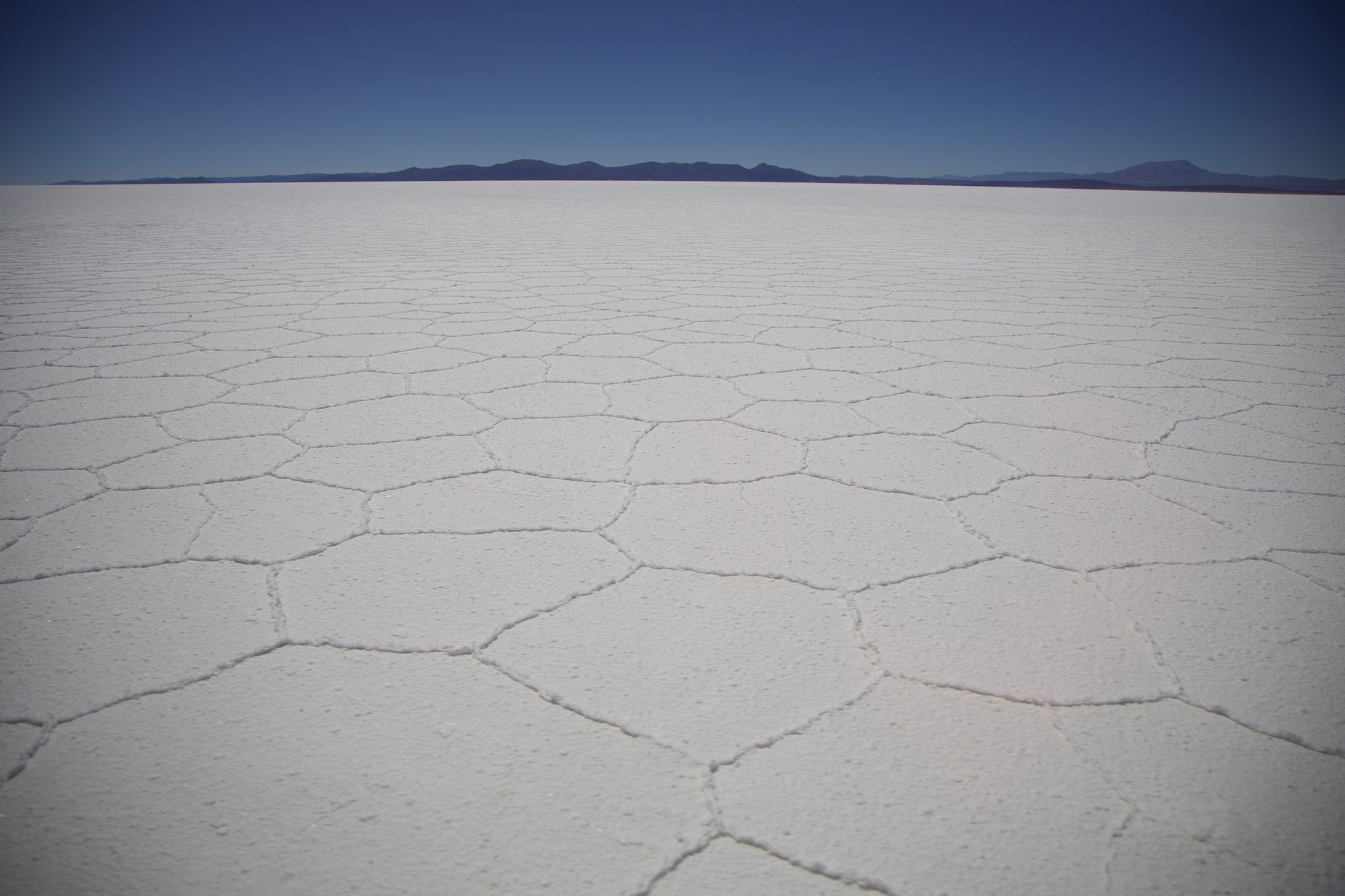
Floating in Lake Assal is physically different from the Dead Sea in ways that matter. The salt crust along the shoreline is sharper and less worn than the heavily trafficked Dead Sea entry points, so footwear is essential until you reach the water. The lake surface has a stillness to it that borders on eerie – there is no aquatic life, no birds diving into it, no fish breaking the surface. Nothing lives in water this saline. The clarity is startling. You can see your feet below you with unusual precision even when floating on your back, and the weight of your own body simply refuses to sink.
The water leaves a residue. Salt crystals form on skin within minutes of exiting, and without a freshwater rinse – which you will have brought with you, in a container, because there is no shower facility at the lake – the sensation becomes uncomfortable quickly. This is a detail that travel content about Lake Assal tends to skip over, but it is worth planning for. Some visitors bring a small portable camp shower bag filled with fresh water, which solves the problem entirely.
What no amount of planning can prepare you for is the color of the water at different times of day. In midday sun, it goes a flat, blinding white-blue. In the late afternoon, when the volcanic ridges behind the lake catch the golden light, the water takes on a pink-orange tint from the halophilic bacteria living in the brine – a phenomenon similar to what turns Bolivia’s Laguna Colorada red. This is the light that makes photographers stop trying to explain what they are looking at and simply keep shooting.
The Wider Afar Circuit
Lake Assal works best as part of a broader Djibouti itinerary rather than a standalone day trip. The country is compact enough that most of its major natural sites are within reasonable driving distance of the capital. Lake Abbe, near the Ethiopian border, is another surreal geological formation – a flat, hot expanse studded with limestone chimneys that vent steam at dawn, a landscape so strange it was used as a stand-in for an alien planet in a 1967 French film. The Gulf of Tadjoura offers snorkeling and whale shark encounters from November through January, a completely different ecosystem just a few hours from the salt desert.
Djibouti also functions as a strategic hub in the Horn of Africa, with a sizable international military presence and a well-developed port economy, which means the capital has serviceable hotels, reliable international flights, and a food culture that reflects Somali, French, and Yemeni influences in ways that consistently surprise first-time visitors. The city is not a typical African capital in either architecture or atmosphere, and spending two nights there before heading inland gives context to everything that follows.
For travelers drawn to off-the-beaten-track geology – the kind who have already done Cappadocia and the Salar de Uyuni and are looking for something that hasn’t yet been curated into a content category – Djibouti rewards serious attention. The country receives fewer international tourists annually than almost any other nation in Africa. That ratio will not stay this favorable indefinitely.
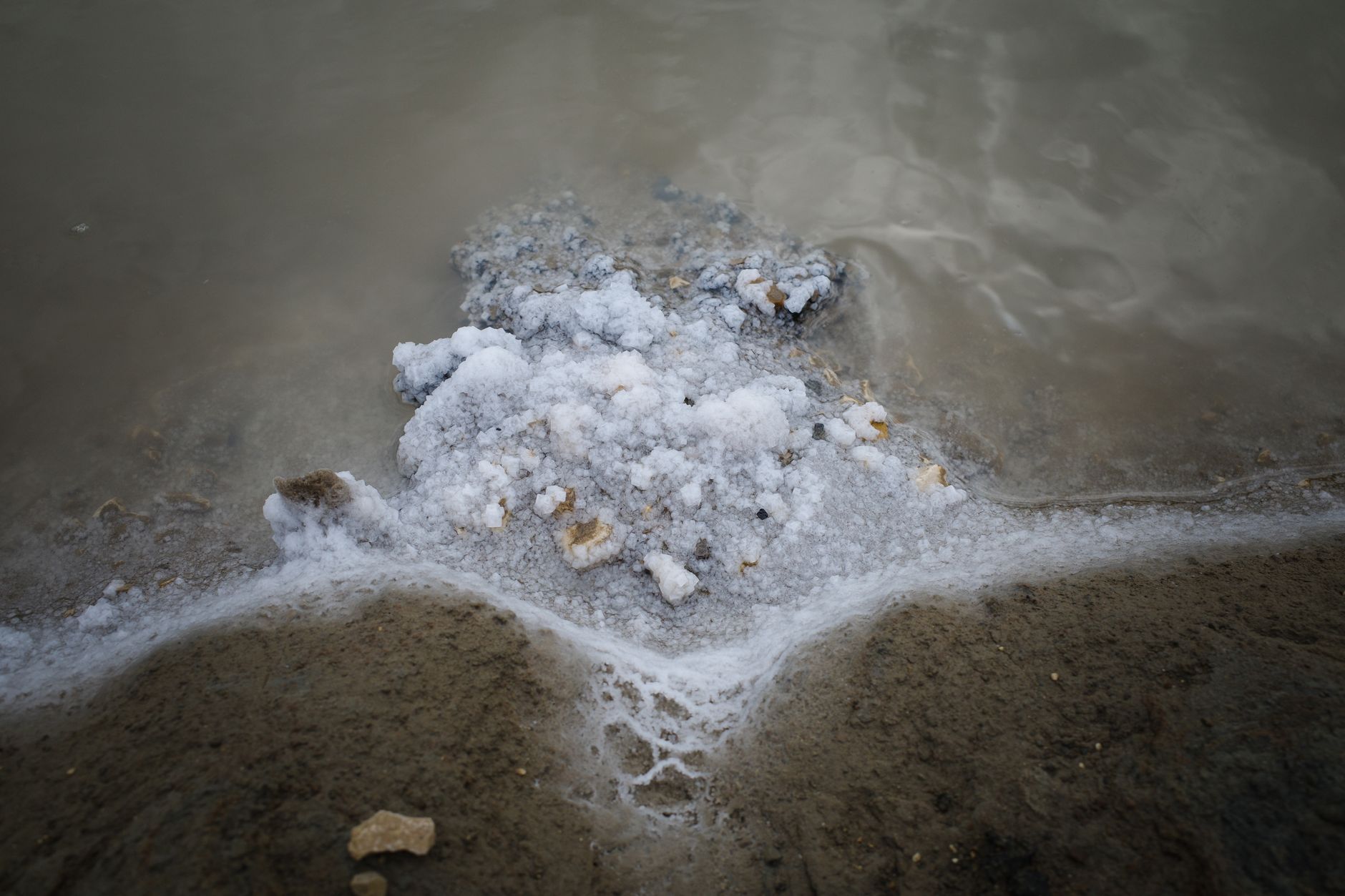
The salt formations at Lake Assal’s edge are still untouched enough that you can crouch down and snap off a crystal with your fingers, turn it in the light, and put it in your pocket. At the Dead Sea, that kind of access disappeared decades ago.