Ecuador’s Quilotoa Loop Quietly Rivals the Inca Trail for Crater Wanderers

A Crater Lake That Stops You Cold
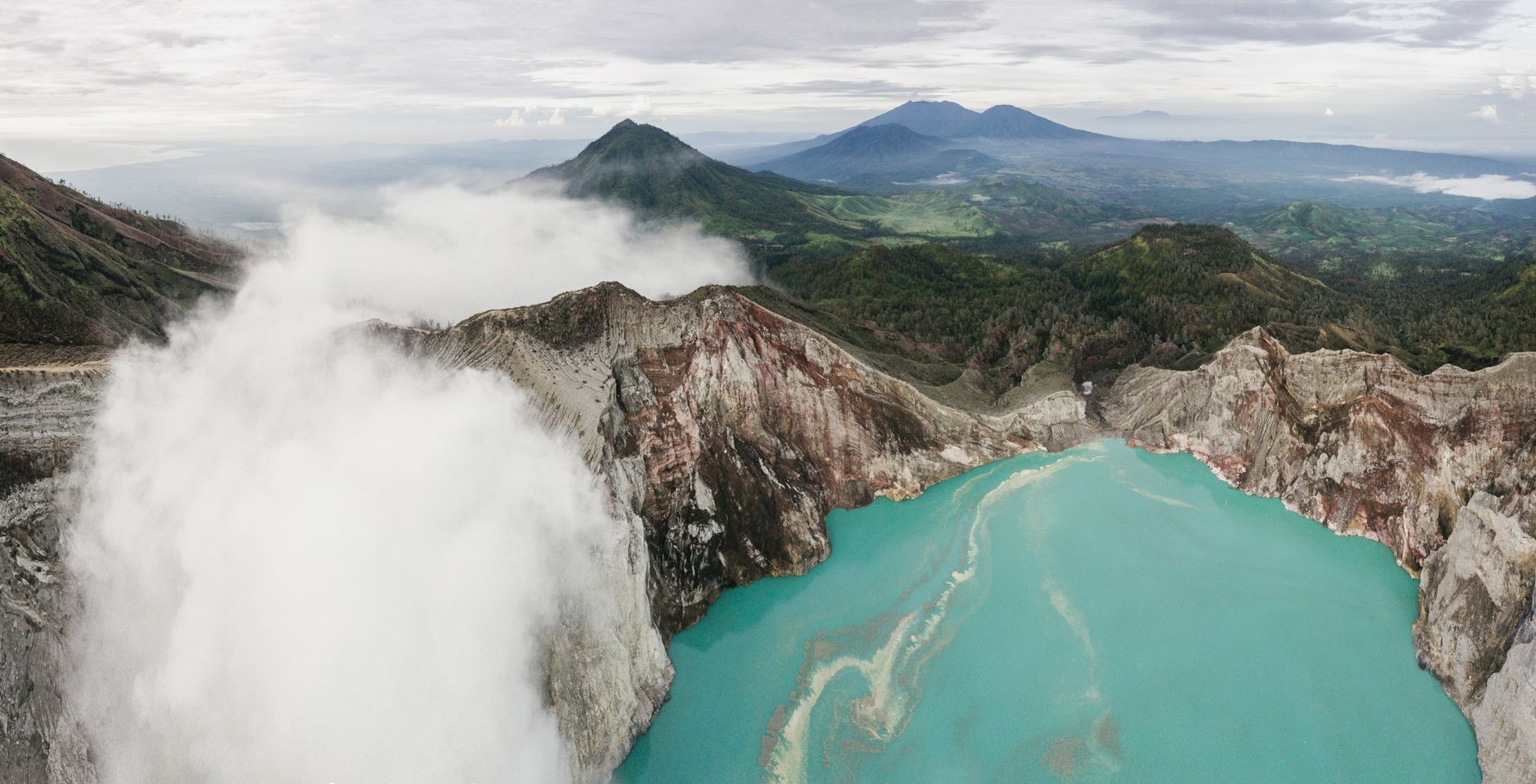
Quilotoa is not a lake you ease into. You arrive at the rim of a collapsed volcano in the Ecuadorian Andes, some 3,900 meters above sea level, and the turquoise-green water sitting 250 meters below simply refuses to look real. The color comes from dissolved minerals and the play of Andean light on volcanic sediment – a combination that shifts from jade to steel-grey depending on the hour and the cloud cover. Most visitors stop, photograph, and leave. The ones who stay and walk the loop around it tend not to shut up about it afterward.
The Quilotoa Loop is a multi-day trekking circuit that connects a string of indigenous Kichwa market towns through the Western Andes of Cotopaxi Province. It has no single governing body promoting it, no branded experience, and no queue management problem – yet. What it does have is the kind of raw, unpaved, village-to-village walking that the Inca Trail once offered before the permits, the regulations, and the waiting lists made that trail feel more like a ticketed attraction than an adventure.
The Route Itself, Stripped Back
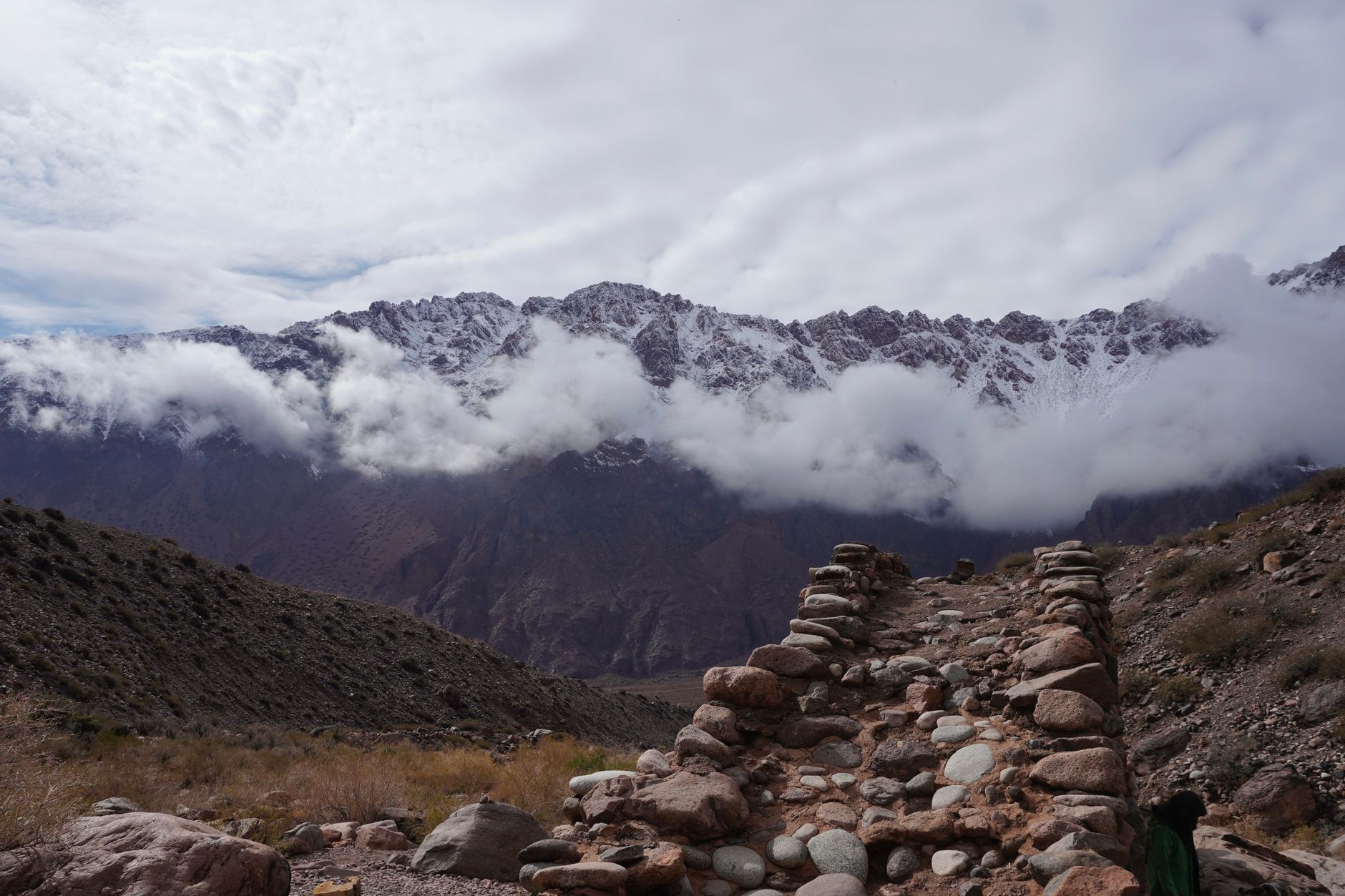
The classic version of the loop runs between the towns of Sigchos, Isinlivi, Chugchilan, and Quilotoa, covering roughly 35 to 40 kilometers over three to four days depending on pace and detours. The elevation stays above 3,000 meters throughout, which means even fit hikers feel the altitude in their lungs on steeper climbs. The trail drops into ravines carved by the Toachi River, passes through eucalyptus groves planted decades ago by rural communities, and cuts across open paramo – the high-altitude grassland unique to the tropical Andes – before delivering you to the crater rim.
Each town along the route has a weekly indigenous market where local Kichwa families sell produce, animals, and textiles using the same commercial rhythms they have maintained for generations. Arriving on market day in Chugchilan or Zumbahua is not a curated cultural moment – it is simply what happens when you show up on the right Wednesday or Saturday. The markets were not built for tourists and do not adjust for them.
Accommodation along the route runs almost entirely through small family-operated hostels and haciendas. Some offer wood-fired saunas. Some do not have reliable hot water. Nearly all serve set meals of hearty Andean soups – locro de papa, sopa de quinoa – that function better as post-hike fuel than as Instagram fodder. The absence of boutique infrastructure is part of the appeal, though it also means trip planning requires more research than booking a standard Peruvian itinerary.
Why It Holds Up Against Peru’s Flagship
The Inca Trail to Machu Picchu is extraordinary. It is also capped at 500 permits per day, books out months in advance, requires a licensed guide, and delivers a final destination that receives over a million visitors annually. The experience is managed to the point where the spontaneity has largely been removed from it.
Quilotoa imposes none of those constraints. You can decide on a Tuesday to start walking on Thursday. No permit required. Guides are available but optional. The trail is waymarked well enough that confident solo trekkers navigate it without support, though hiring a local arriero – a muleteer who can carry gear between towns – directly benefits local families and takes the weight question off the table entirely.
The Specific Details That Make It Different
Descending into the Quilotoa crater itself is both optional and strongly recommended. The path down to the lakeshore takes roughly 45 minutes and gains back every vertical meter on the return, which at altitude turns a casual sidetrip into a genuine physical effort. Kayaks are available to rent at the bottom, run by local Kichwa operators, and paddling on the crater lake is one of those experiences that sits in a category entirely its own. The water is cold, the silence is complete, and the crater walls rise around you in a circle that makes it feel less like a lake and more like a room.
The light in the Western Andes behaves differently than it does on the eastern slopes facing the Amazon. Cloud cover rolls in fast from the coast and can turn a clear morning into a thick mist by noon, which means the crater view from the rim is genuinely unpredictable. Hikers who time their arrival for early morning have the best odds, but there is no guarantee – and some travelers argue that watching the lake appear and disappear through shifting clouds is more interesting than seeing it in full sun.
The towns along the route are not preserved heritage sites. They are working agricultural communities where most residents speak Kichwa as their primary language and Spanish as a second. The weaving tradition in the area – particularly the production of hand-loomed wool textiles using natural dyes – is active rather than ceremonial. Watching a weaver work on a backstrap loom in a doorway is not a demonstration; it is Tuesday morning. That distinction matters to a certain kind of traveler and means nothing to another, which is probably the cleanest way to identify whether the Quilotoa Loop is the right trip for you.
Getting there from Quito takes roughly three hours by bus or private transfer to Latacunga, which serves as the standard base before beginning the circuit. The town is functional rather than charming, with a bus terminal that connects to the trailhead communities. Travelers who have spent time exploring off-circuit desert routes like Wadi Rum will recognize the same logistical rhythm: a slightly awkward transit hub, a departure that feels uncertain, and then a landscape that makes the friction entirely worth it. The loop rewards preparation but does not punish flexibility – which, given how quickly Andean weather can reroute a day’s plans, is fortunate.

The question worth sitting with is how long Quilotoa stays this way. The crater is already well-documented online, the loop appears in most serious trekking guides, and visitor numbers have grown steadily. The communities along the route are aware of the economic value of the trail and have begun investing in better facilities – which is both reasonable and the first step toward the kind of managed experience the loop currently lacks. Walk it before the weekend warrior infrastructure catches up.