
The Red Sea’s Forgotten Shore
Djibouti gets the dive magazines, the travel influencers, and the whale shark tourism infrastructure. Eritrea’s Dahlak Archipelago gets almost none of that – and for a particular kind of underwater traveler, that absence is exactly the point. Scattered across the southern Red Sea in a loose constellation of more than 200 islands, the Dahlak chain sits just off the Eritrean port city of Massawa, protecting reefs that have been largely undisturbed for decades, partly by geography and partly by the political isolation that has kept Eritrea off most travel radars entirely.
The reef systems here are not a secret among serious divers – they are simply inaccessible enough that only those who genuinely plan around them ever arrive.
What has changed recently, slowly and without fanfare, is that Eritrea’s government has begun allowing more structured dive tourism through a small number of licensed operators running liveaboard trips out of Massawa. The window is narrow. The paperwork is real. But the water, by all accounts from those who have made the crossing, is extraordinary in ways that more visited Red Sea destinations no longer are.
What the Reefs Actually Offer
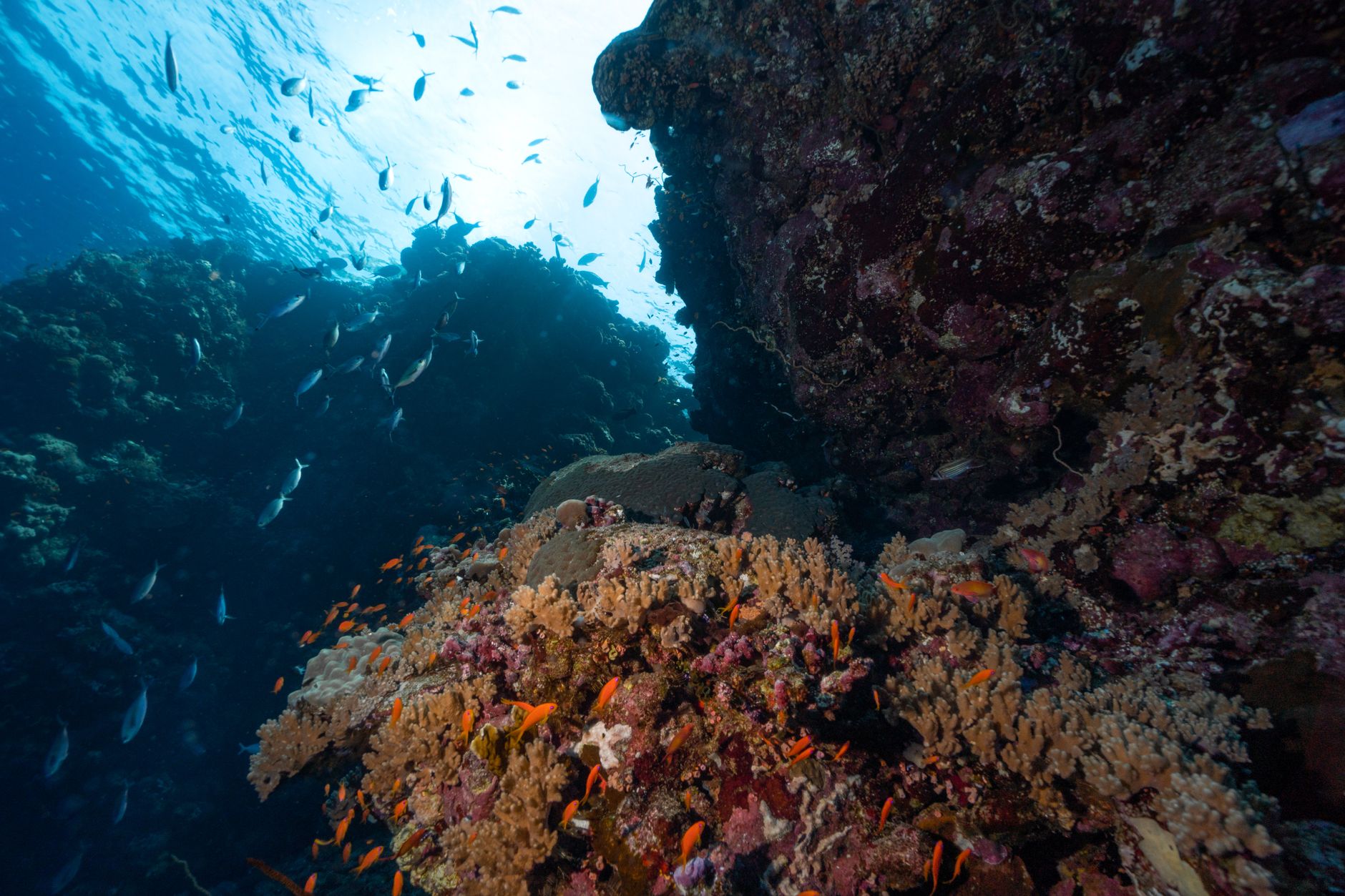
The Dahlak Archipelago sits in relatively shallow, warm water that has historically supported dense coral coverage across both the fringing reefs around the larger islands and the patch reefs scattered between them. Because the area sees dramatically less boat traffic than the Egyptian or Jordanian Red Sea, and because industrial fishing pressure has been limited by Eritrea’s economic circumstances and restricted access, the fish populations around the outer islands remain thick. Schools of snapper and grouper move through reef structures that elsewhere in the Red Sea have been stripped out over decades of dive tourism and commercial harvest.
The diving itself ranges from shallow coral gardens, good for newer divers and snorkelers, to deeper wall sections and the occasional wreck, most of them dating from the conflicts that swept through this part of the Horn of Africa during the latter half of the twentieth century. Some of these wrecks are not fully documented. A liveaboard crew out of Massawa running regular circuits may know particular sites that no dive publication has catalogued, which adds an element of genuine discovery that is nearly impossible to replicate in places like Sharm el-Sheikh or the Maldives.
Visibility in the Dahlak tends to run high from October through April, when northerly winds clear the water column and surface conditions settle enough for comfortable liveaboard operation. The summer months bring warmer water and reduced visibility, plus sea states that make smaller-vessel travel genuinely uncomfortable. This seasonality is worth factoring in hard when planning, because the gap between a good Dahlak dive trip and a rough one depends almost entirely on timing.
The Logistics Are Real and So Is the Reward
Getting to the Dahlak requires flying into Asmara, Eritrea’s capital, and then traveling overland to Massawa – a journey of roughly 100 kilometers along a road that descends dramatically from the highland plateau to the coast. Asmara is served by a limited number of international carriers, with connections typically running through Cairo, Dubai, or Addis Ababa. Eritrean visas require advance arrangement and generally cannot be obtained on arrival, which means the planning horizon for a Dahlak trip is longer than most dive holidays. Some travelers have found that booking through a recognized liveaboard operator helps navigate this, since operators familiar with the market often assist clients through the entry process.
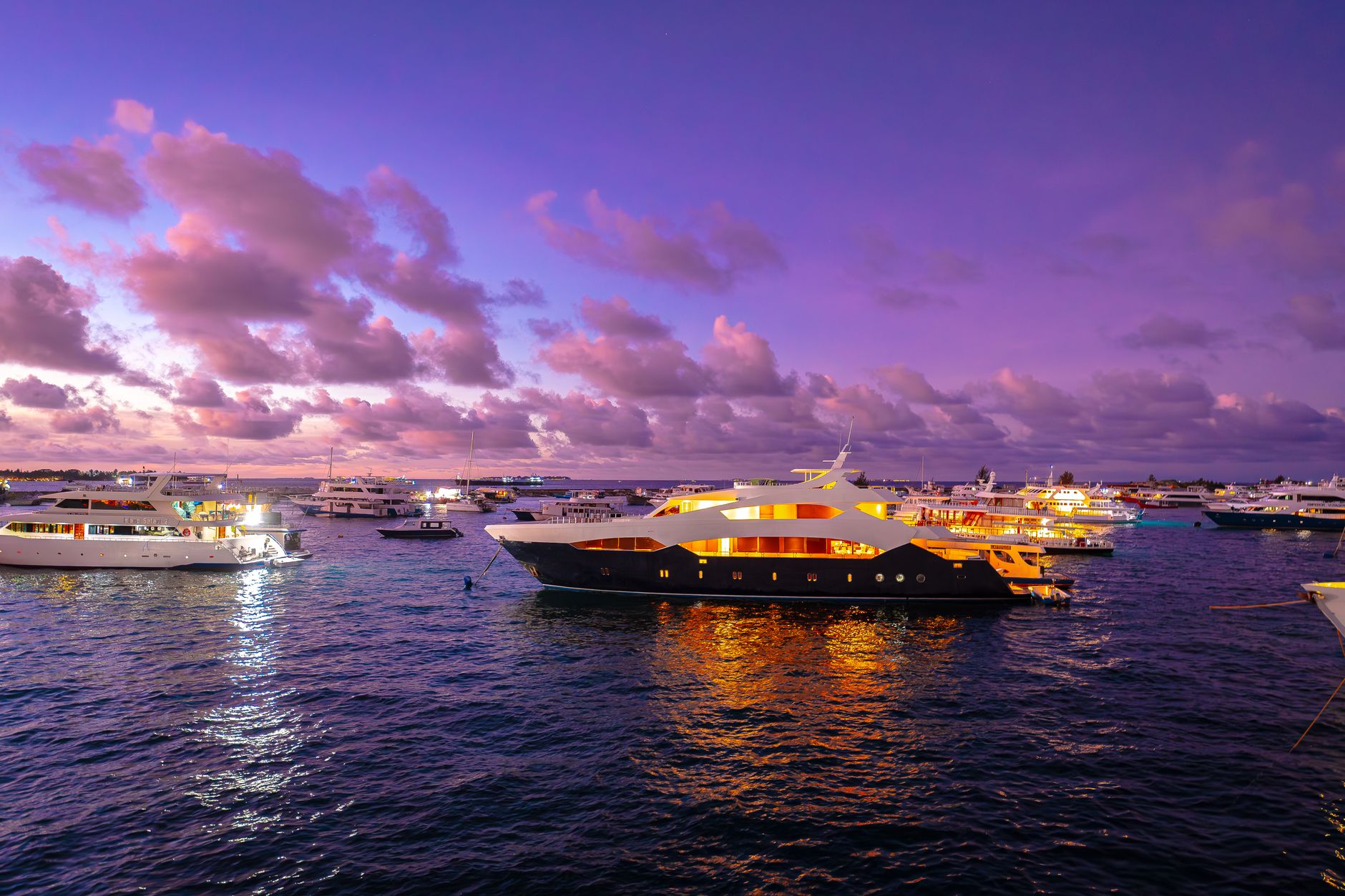
The liveaboard model is essentially the only practical way to access the outer islands where the best diving concentrates. Day trips out of Massawa reach only the closer sites, which are perfectly fine but do not represent what makes Dahlak genuinely different from a well-run dive resort anywhere else in the Red Sea. Spending three to seven nights on the water, moving between islands, eating on deck, and diving sites that receive perhaps a few hundred visitors per year rather than tens of thousands – that is the experience the archipelago actually delivers when the logistics fall into place.
The comparison to Djibouti is instructive. Djibouti’s diving, centered around the Gulf of Tadjoura and spots like the Seven Brothers Islands, is genuinely excellent and more accessible by a wide margin. Djibouti City has international hotels, a functioning dive tourism industry, and the famous whale shark aggregations at the Bay of Ghoubbet that draw travelers from across Europe and the Gulf states. Dahlak offers none of that infrastructure. What it offers instead is a reef ecosystem that has not yet been organized into a product, which is a distinction that matters less to casual divers and enormously to the kind of traveler who has already done the curated version everywhere else.
A Place That Still Asks Something of You
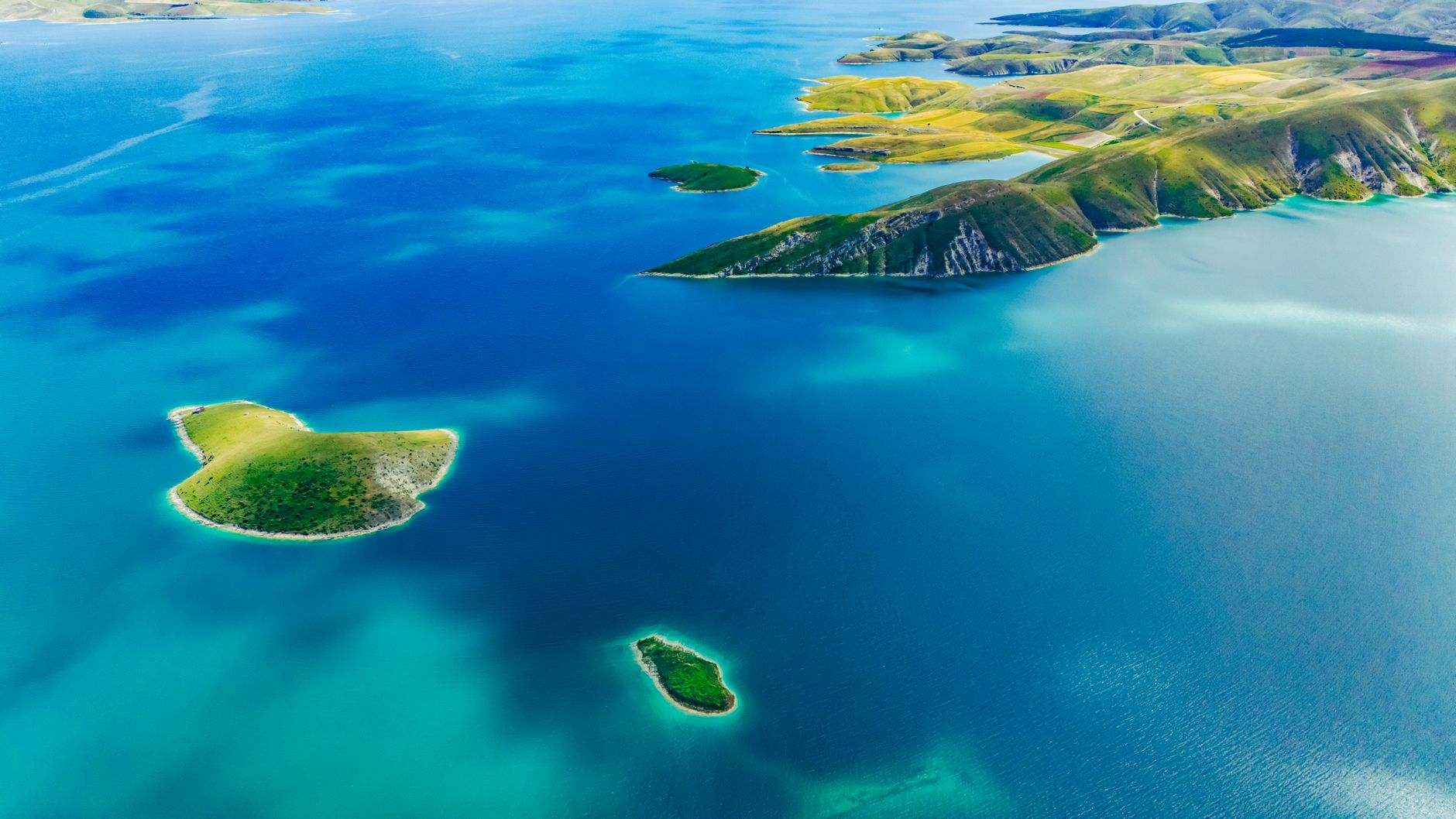
The Dahlak Archipelago will not meet travelers halfway. Eritrea’s tourism infrastructure is thin, communications are limited by local standards, and the flexibility that comes with well-worn dive destinations – the ability to change plans, switch operators, or extend a stay on short notice – largely does not apply here. What applies instead is a body of water that rewards preparation and penalizes complacency, surrounding islands where the only sounds at anchor are wind, birds, and the particular quiet of a place that the dive industry has not yet fully arrived at.