Eritrea’s Dahlak Archipelago Quietly Rivals Djibouti for Red Sea Wanderers

The Red Sea’s Forgotten Frontier
Djibouti gets the press, the luxury dive operators, and the well-worn travel routes. But roughly 350 kilometers up the Red Sea coast, Eritrea’s Dahlak Archipelago sits in near-total quiet – a scatter of more than 200 islands, most of them unnamed on tourist maps, almost none of them hosting a single hotel. For a certain kind of traveler, that absence is the entire point.
The Dahlak islands have been inhabited for over two thousand years – ancient trade routes ran through here long before modern borders carved up the Horn of Africa. Pearl divers, Ottoman traders, and Ethiopian emperors all moved through these waters. What remains today is a coastline largely untouched by commercial tourism, where the diving is serious, the logistics are difficult, and the solitude is not a marketing angle but a simple geographic fact.
What Djibouti Offers – and What It Doesn’t
Djibouti earns its reputation. Whale shark season in the Gulf of Tadjourah draws divers from across Europe, the infrastructure around Djibouti City supports liveaboard operations with relative ease, and the country’s political stability makes visa planning straightforward. For first-time Red Sea wanderers who want reliable access to pelagic encounters and professional dive services, Djibouti is a logical starting point.
What Djibouti cannot offer is anonymity. Popular dive sites near the capital see regular boat traffic during peak season, and the tourism circuit – whale sharks, flamingos at Lac Assal, the famous Lac Abbe formations – has become a recognizable itinerary. The archipelago experience, by contrast, requires a different mindset entirely. The Dahlak islands reward travelers who are comfortable with uncertainty, willing to arrange private boat charters, and unbothered by the absence of curated infrastructure.
Reaching the Islands – and Why Most People Don’t
Eritrea is not an easy country to visit. Entry requires a visa obtained in advance, journalists and photographers face specific restrictions, and travel beyond the capital Asmara typically requires additional permits for certain zones. These barriers are real, and they are not softening quickly. The practical consequence is that independent travelers who do make it to the Dahlak islands represent a self-selected group – experienced, patient, and usually well-researched before arrival.
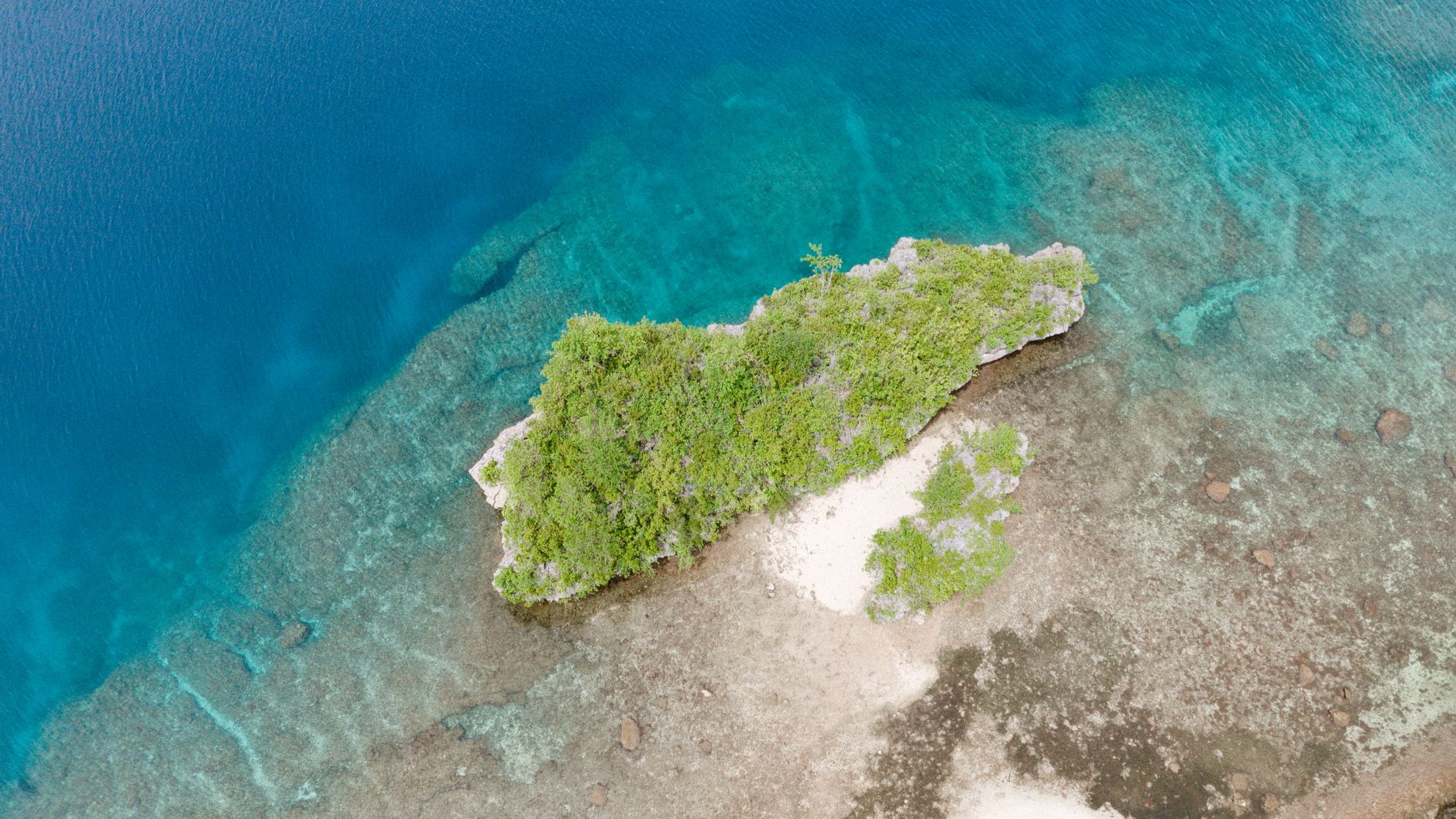
The coastal city of Massawa serves as the main departure point for island trips. From the port, chartered dhows and small motorboats carry visitors out to the larger inhabited islands like Dahlak Kebir and Norah, where basic guesthouses exist, and further into the outer archipelago for those who have arranged liveaboard-style trips in advance. The journey itself – flat turquoise water, low limestone islands edged in mangroves, almost no other vessels in sight – sets the tone before any anchor is dropped.
Underwater, the Comparison to Djibouti Becomes Serious
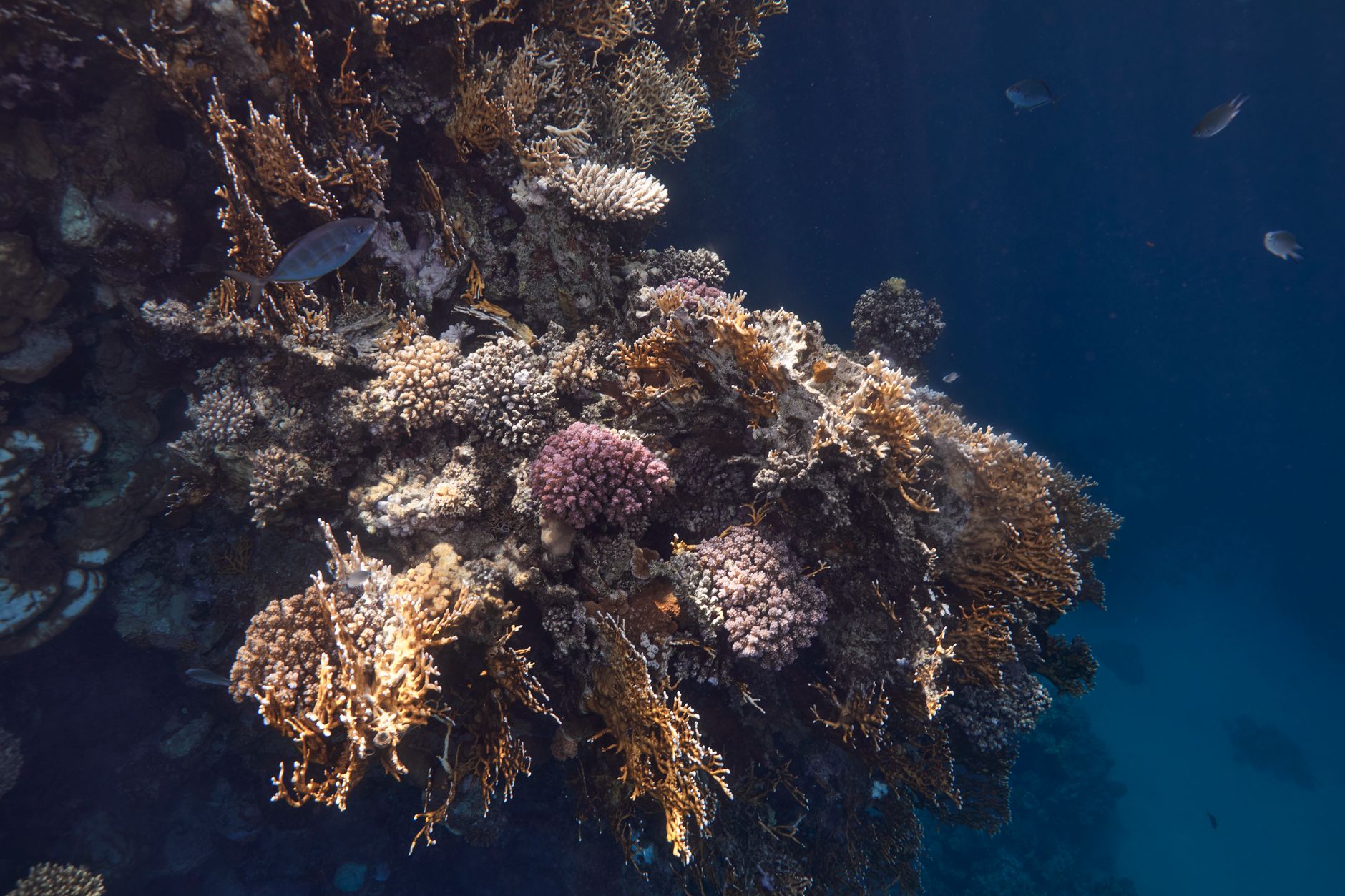
The Red Sea is one of the most biologically productive bodies of water on the planet, and the Dahlak Archipelago sits within its northern reach, where currents, salinity, and temperature create conditions that support dense coral formations and high fish diversity. The reefs around the outer islands have seen minimal recreational diving pressure compared to more accessible Red Sea destinations in Egypt or even Djibouti, which means the marine environment retains a baseline density rarely encountered elsewhere in the region.
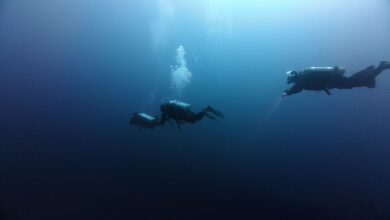
Visibility in the Dahlak waters frequently exceeds 30 meters, and the coral structures along some of the outer drop-offs rival anything found in the more photographed corners of the Red Sea. Hawksbill turtles are common. Schools of barracuda and trevally move through the deeper channels. Dugongs, increasingly rare across their range, are still reported with enough frequency here that encounters are not purely accidental. Divers who have logged time in both Djibouti and Dahlak consistently describe the Eritrean islands as less predictable but more rewarding on the days when conditions align.
Above the waterline, the islands carry their own draw. Dahlak Kebir, the largest in the group, contains ancient cisterns and tombs dating to early Islamic trading settlements – structures that receive almost no scholarly attention compared to more prominent East African archaeological sites. Walking among them in the heat of a Red Sea afternoon, with no other visitors in sight, produces the kind of disorienting solitude that travelers increasingly have to travel far off the standard circuit to find. For those who also want a comparable sense of discovery on land, Sudan’s Sanganeb Atoll sits within the same general corridor and raises similar questions about which Red Sea destinations the diving world has undervalued.
The absence of dive operators with formal certifications, evacuation protocols, and equipment rental means travelers must bring their own gear or join one of the small number of specialist liveaboard companies that periodically run Eritrea itineraries – usually out of European ports with regional expertise. This is not a destination for spontaneous decisions. A Dahlak trip typically requires months of lead time, careful coordination with local fixers in Massawa, and a genuine tolerance for plans that change at short notice based on weather, permit delays, or boat availability.
The Tension That Makes Dahlak Worth Watching
Eritrea’s relationship with outside tourism is complicated by political choices that show no clear sign of changing. The government controls access tightly, foreign investment in hospitality infrastructure moves slowly, and the broader isolation of the country from international travel networks means Dahlak will not suddenly appear on mainstream dive travel radar. That same isolation is precisely what preserves the marine environment, the absence of crowds, and the sense that this is a place that hasn’t been packaged for outside consumption.
The tension for any serious traveler is whether to visit now, under current conditions, or wait for a version of Eritrea that is more open, better documented, and easier to navigate. The problem with waiting is that the version you’re waiting for – if it ever arrives – usually brings the infrastructure that erodes the original appeal. Dahlak as it exists right now, difficult and unpolished and genuinely remote, may be a more honest version of the destination than whatever eventually follows.
Whether the Red Sea diving world catches up to Dahlak before the Eritrean government decides to develop it – or before climate pressures alter the reef systems – is a question without a clean answer.