
The Mountain That Wolf Watchers Are Finally Noticing
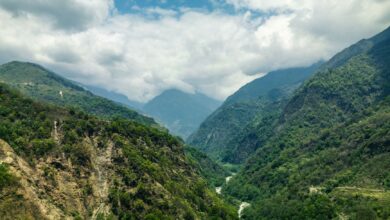
The Simien Mountains have long dominated Ethiopia’s adventure travel conversation – dramatic escarpments, gelada baboons in the thousands, and a UNESCO World Heritage badge that sends tour operators into a reliable frenzy each season. But roughly 500 kilometers to the southeast, the Bale Mountains sit at a quieter altitude, drawing a smaller and far more deliberate crowd. These are travelers who come specifically for the Ethiopian wolf, the rarest canid on earth, and they are discovering that Bale may actually offer a better shot at seeing one than its more famous northern counterpart.
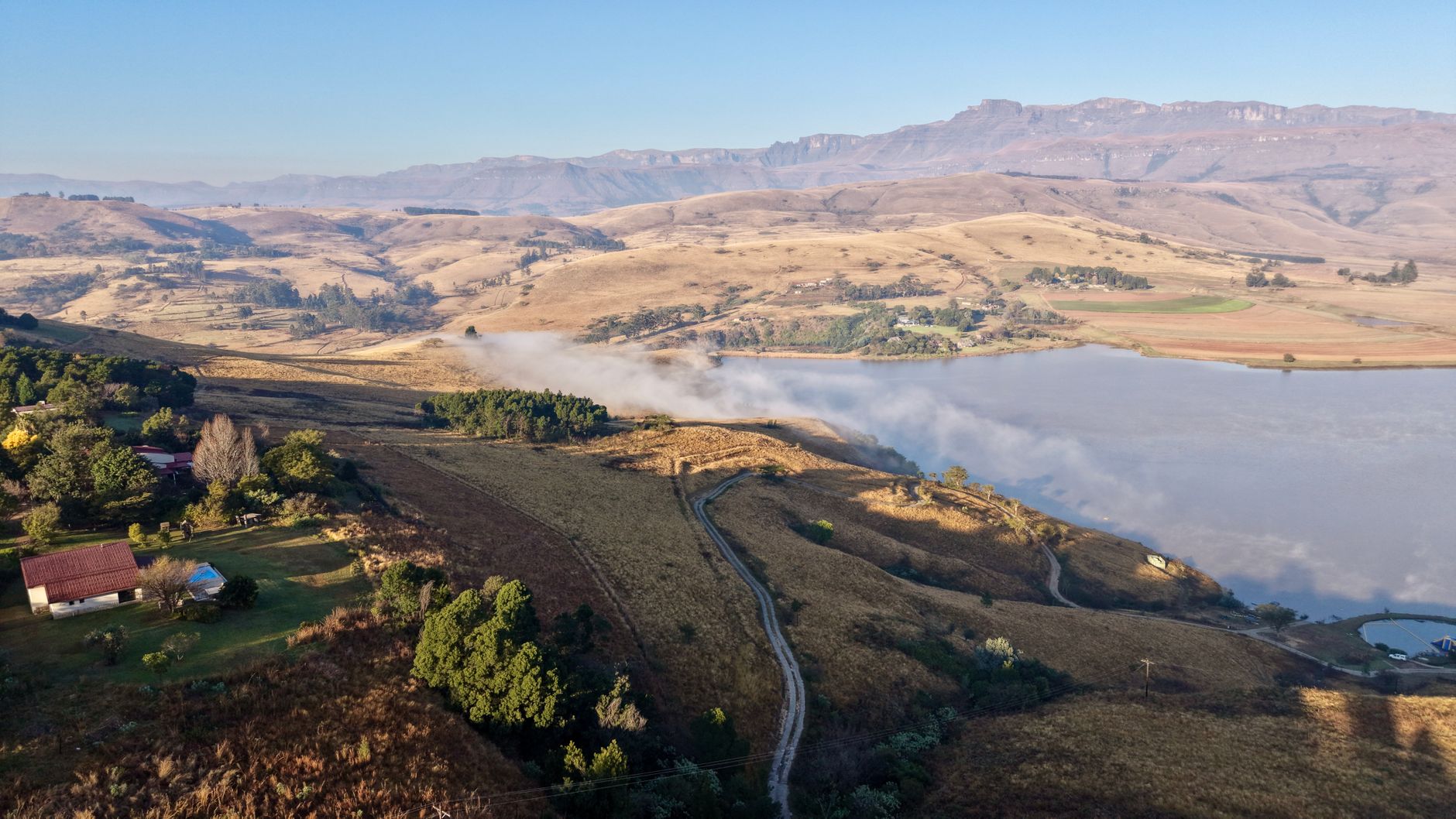
The Sanetti Plateau inside Bale Mountains National Park sits at over 4,000 meters, making it the largest expanse of Afroalpine habitat on the continent. It is not dramatic in the postcard sense – no sheer cliffs, no theatrical drops into fog. It is open, rolling, almost lunar in the early morning light, and that openness is precisely what makes wolf watching so rewarding here. The animals move across the plateau in plain sight, hunting giant mole rats through the tussock grass with a focused, almost balletic efficiency.
The Simiens are spectacular. The Bale Mountains are specific.
What the Plateau Actually Delivers
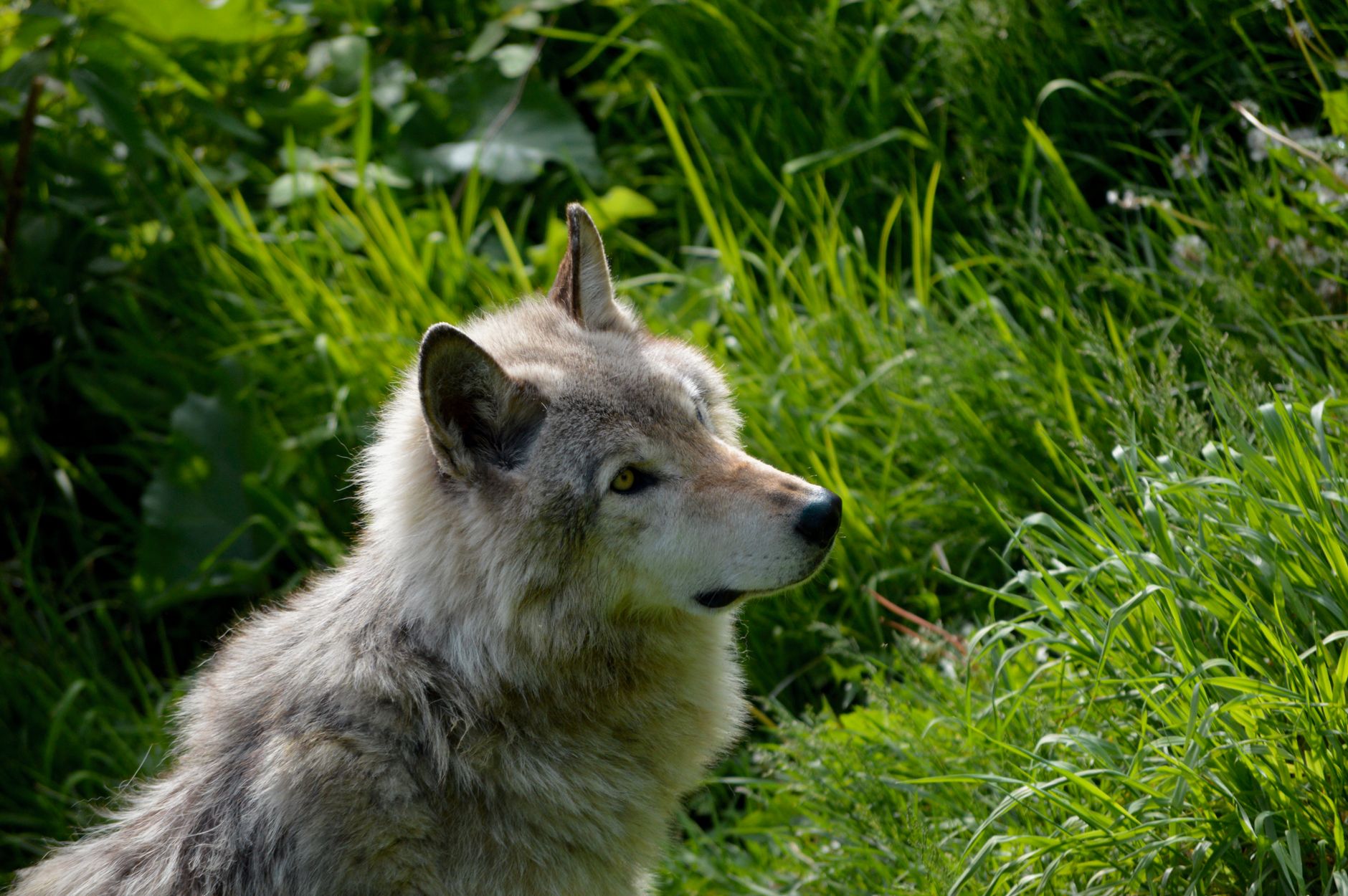
Ethiopian wolves are not found in large numbers anywhere. The global population sits somewhere below 500 individuals, making every confirmed sighting a meaningful encounter rather than a casual wildlife checkbox. The Bale Mountains hold the largest single population of the species, concentrated primarily on the Sanetti Plateau and the Web Valley below it. A guided morning drive across the plateau commonly yields multiple sightings, sometimes entire family groups moving together before the midday heat settles in.
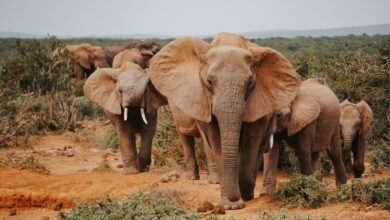
The park’s other wildlife layers the experience considerably. Mountain nyala, found almost nowhere else on earth, graze along the forest edges. Walia ibex, the signature species of the Simiens, are absent here, but the trade-off comes in biodiversity – the Harenna Forest on Bale’s southern slope transitions from highland moorland into dense, humid jungle where colobus monkeys move through the canopy and forest elephants occasionally push through the undergrowth. Few parks on the continent pack this many distinct ecosystems into a single visit, ranging from Afroalpine desert to rainforest within a single day’s drive.
Guided wolf tracking on foot is available through the park, and this is where the experience separates itself most clearly from the Simiens itinerary. Standing at 4,200 meters on open ground, watching a wolf work a burrow fifty meters away in absolute silence, no vehicle engine running, no fence line in sight – it is a particular kind of encounter that structured safari circuits rarely deliver. The Bale Mountains Wolf Project, which has operated a long-term conservation and monitoring program in the park, has also trained local guides to a standard that more established parks struggle to match.
Getting There and Managing Expectations
Access to Bale starts with Robe or Goba, both reachable by flight from Addis Ababa or by road if you have the time and tolerance for Ethiopia’s highland driving. From Goba, the park entrance is close enough for a morning start onto the plateau. The road to Sanetti itself is rough but passable for a standard 4WD – though wet season conditions between June and September can turn sections into a genuine test of both vehicle and nerve. Most wolf-focused visitors time their trips to the dry season windows of October through January or March through May, when the plateau is accessible and the wolves tend to be most visible during their breeding and pupping cycles.
Accommodation near the park ranges from basic government lodges inside the park boundaries to more comfortable guesthouses in Goba. The lodge options lack the design investment that has made places like Rwanda’s gorilla lodges internationally known, and that gap will matter to some travelers. What the lodges lack in aesthetics they compensate for in access – waking up at altitude, on site, ready to move onto the plateau at first light before day-trippers from Addis arrive, is a logistical advantage that shapes the quality of the experience directly.
Tour operators running Ethiopia wildlife circuits have begun routing Bale into multi-stop itineraries alongside Awash National Park and Omo Valley, which makes it easier to justify the logistics for travelers already committed to the country. Going to Bale alone, from abroad, as a standalone trip remains an unusual choice – and an excellent one. The crowds that flow steadily through the Simiens simply do not reach the Sanetti Plateau in the same volume, and the wolf sightings per visitor hour reflect that difference clearly.
The Quiet Advantage of Being Second
The Simiens will continue to absorb the bulk of Ethiopia’s highland tourism because the infrastructure is more developed, the marketing is louder, and the escarpment scenery photographs more dramatically. Bale asks for a different kind of commitment – a willingness to drive a worse road, sleep in a plainer room, and stand in cold wind on a plateau that offers no theatrical backdrop, only the flat fact of a wolf moving through its habitat at close range, doing exactly what it would be doing if no human had ever arrived to watch.