Ethiopia’s Bale Mountains Quietly Rival the Omo Valley for Wolf Wanderers

Africa’s Most Underestimated Highland
Most travelers who book a wildlife trip to Ethiopia have one destination locked in: the Omo Valley, with its mosaic of indigenous cultures and photogenic ceremonies that have made it a fixture on bucket lists for over a decade. Meanwhile, roughly 400 kilometers to the east, the Bale Mountains sit at altitudes above 4,000 meters, sheltering a predator found nowhere else on Earth in such concentrated numbers – the Ethiopian wolf. The mountain range draws a fraction of the visitors, charges a fraction of the prices, and delivers something the Omo Valley simply cannot: an apex predator in an afroalpine ecosystem so remote it feels genuinely untouched.
This is not a case of one destination being objectively better than the other. The Omo Valley offers cultural richness that Bale cannot match. But for travelers whose primary motivation is wildlife – specifically endemic, endangered, and difficult-to-photograph species – Bale presents an argument that is hard to dismiss, and that the broader travel industry has been slow to make loudly.
The Wolf That Changed the Calculus
The Ethiopian wolf (Canis simensis) is the rarest canid in the world, with the global population estimated at fewer than 500 individuals. The Bale Mountains National Park holds the largest single population, concentrated primarily in the Sanetti Plateau – a vast, wind-scoured expanse that sits above the treeline and feels more like Scotland than equatorial Africa. Unlike many endangered predators that require multi-day tracking efforts, Ethiopian wolves are diurnal and routinely visible during morning hours, hunting giant mole-rats in open grassland. The viewing conditions are, by the standards of rare-carnivore tourism, almost absurdly generous.
The species’ precarious status adds a layer of urgency to any visit. Disease outbreaks, habitat fragmentation, and hybridization with domestic dogs have pushed the population through several dramatic declines over the past thirty years. Conservation organizations working in the region run rabies vaccination programs in surrounding communities and maintain genetic monitoring of the packs. Visiting now, before those pressures worsen, is not a cliche – the window for encountering genuinely wild, unhabituated packs in a functioning ecosystem is finite in a way that most popular safari destinations are not.
The Ecosystem Beyond the Wolf
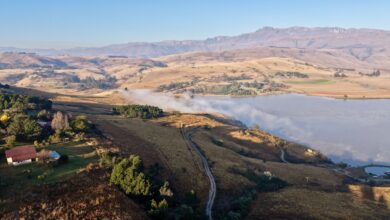
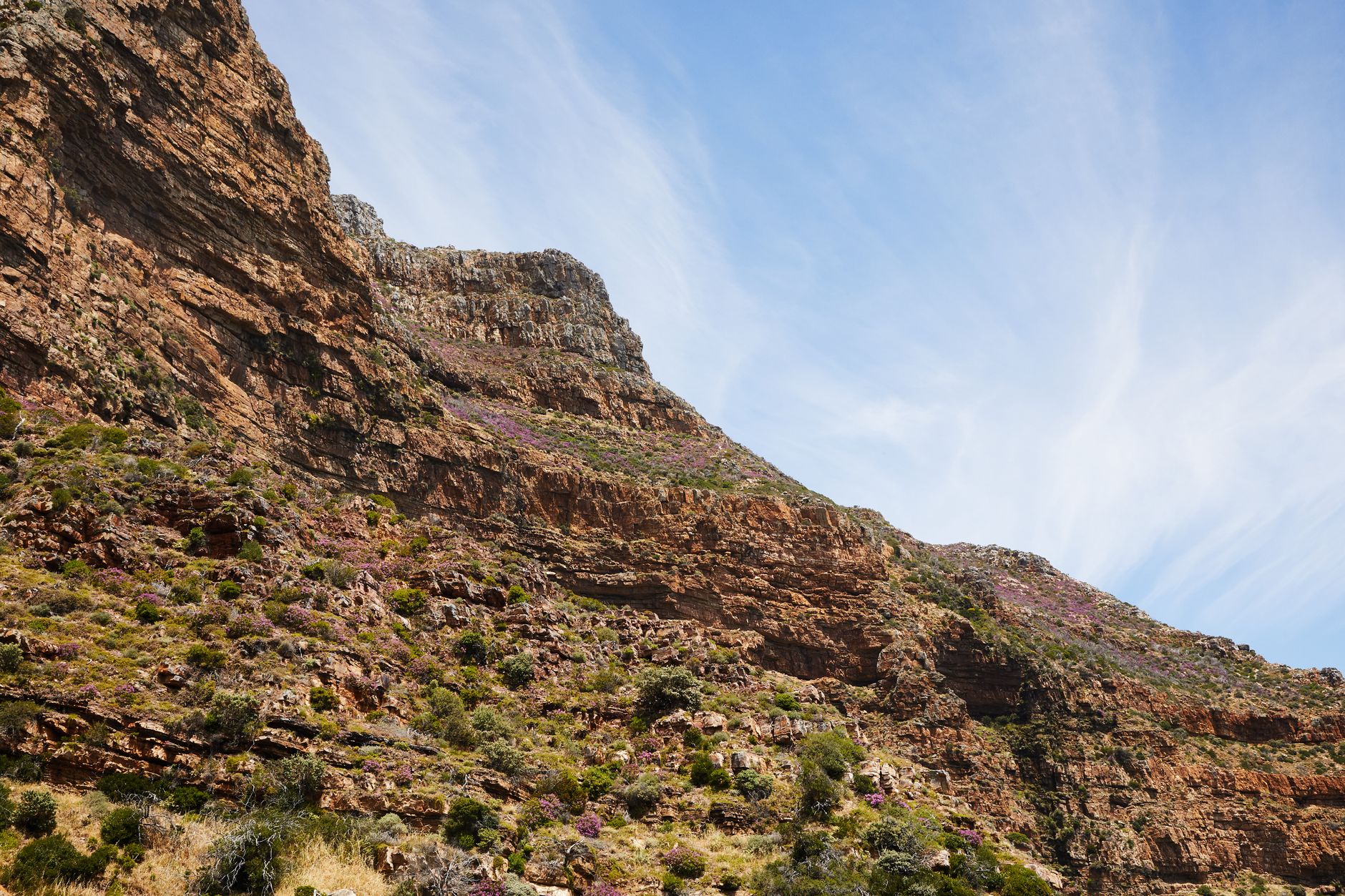
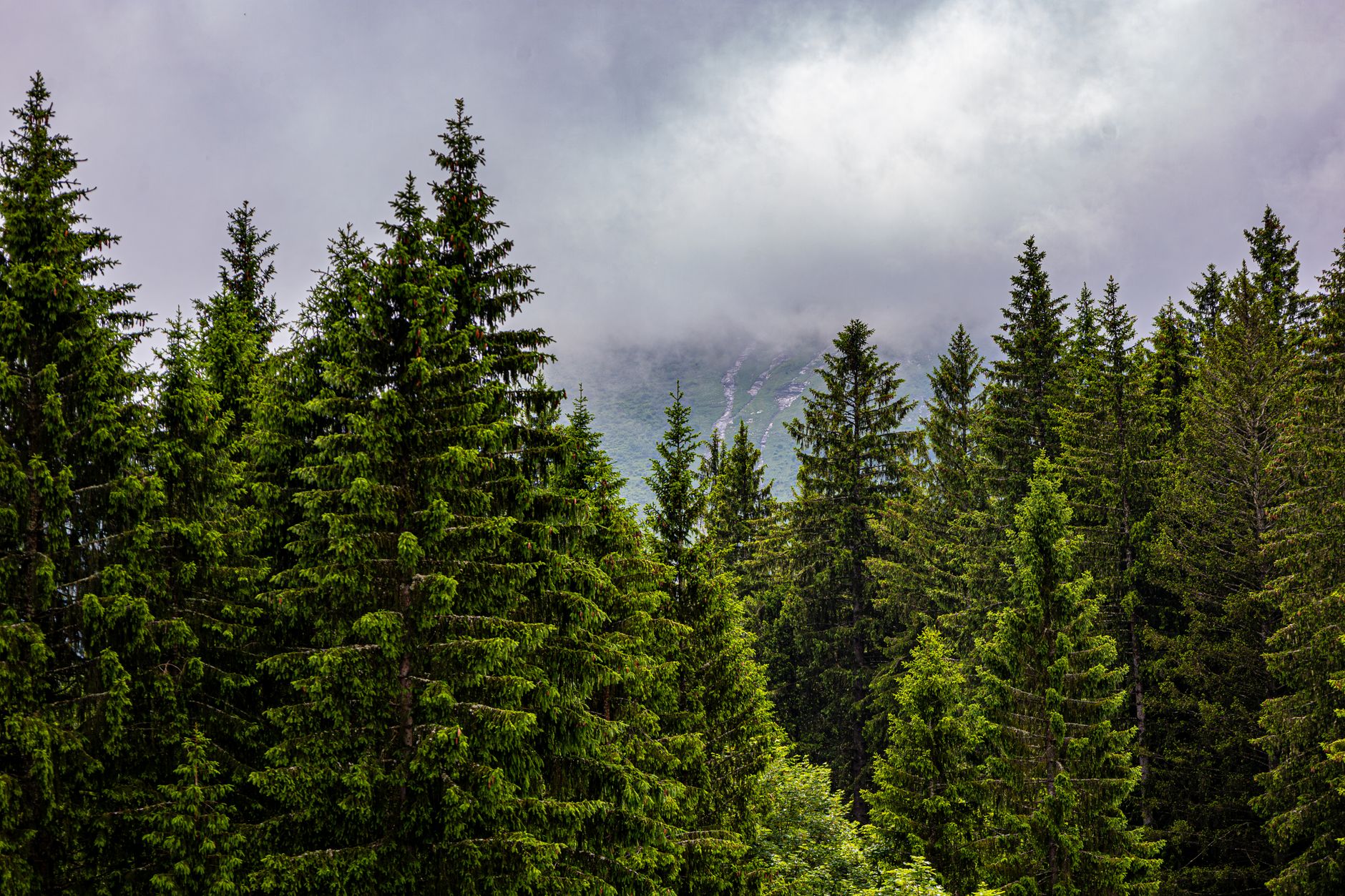
Bale’s biodiversity case does not rest entirely on one species. The park contains three distinct habitat zones stacked on top of each other: the Harenna Forest to the south, one of Africa’s largest remaining montane rainforests; the Bale Mountain Plateau at mid-elevation, covered in giant heather and hagenia trees; and the Sanetti Plateau at the top, which holds the largest area of afroalpine habitat on the continent. Moving between zones in a single day produces a quality of ecological contrast that very few parks anywhere can replicate.
Mountain nyala – another Ethiopian endemic found almost nowhere outside Bale – graze at the forest edges in groups that can reach into the dozens. The wattled crane nests on the plateau bogs. Colobus monkeys occupy the Harenna canopy while leopards move through the undergrowth below, rarely seen but consistently tracked. Birders specifically come for the blue-winged goose, the Abyssinian catbird, and the spot-breasted plover, all of which are straightforwardly observable with moderate effort. The species density relative to the number of visitors makes Bale, on a purely statistical basis, one of the most productive wildlife-watching destinations in East Africa.
The Harenna Forest section of the park deserves particular attention, because most visitors who reach Bale never descend into it. Access requires a dedicated half-day drive down a deteriorating road through a landscape that shifts from alpine scrub to closed-canopy forest within thirty kilometers. Wild coffee plants grow beneath the canopy – Ethiopia is the origin of Coffea arabica, and Harenna is one of the last places where truly wild specimens survive in forest conditions rather than managed plantations. Walking beneath those trees while the forest produces sounds that no other park in Ethiopia contains is the kind of detail that does not appear in standard itineraries because tour operators have not standardized the experience yet.
That lack of standardization cuts both ways. Infrastructure in Bale is thin. The main lodge options around Dinsho and near the Sanetti Plateau are functional rather than luxurious, and road conditions after the rainy season can close sections of the park entirely. Travelers accustomed to the polished logistics of East African safari circuits will notice the difference. But travelers who have done East Africa and want something rawer – or first-time Africa visitors who want to avoid the crowds rather than find them – are exactly the audience Bale rewards.
Why the Omo Valley Comparison Matters
The Omo Valley has become, over the years, a destination under scrutiny. Criticism around the ethics of cultural tourism there – specifically the degree to which indigenous communities benefit from or control visitor access – has been growing in travel journalism and among responsible tourism advocates. Several groups have moved toward charging photography fees independently, a shift that acknowledges the commodification problem without fully resolving it. None of this makes the Omo Valley a destination to avoid, but it does complicate the straightforward enthusiasm that once surrounded it.
Bale sidesteps those tensions almost entirely. The tourism model there is built around a national park with established conservation fees, community ranger programs that employ local residents, and wildlife that sets its own terms for encounter. There is no performance involved. The wolves are hunting because they are hungry, not because a vehicle has arrived.
Getting There and Timing It Right
Addis Ababa is the entry point for virtually all international travelers, and from the capital, Bale is reachable by road in roughly eight to ten hours or by domestic flight to Goba, the nearest town of any size. The Ethiopian Airlines domestic network covers Goba on most days of the week, which cuts the journey to under two hours from Addis. From Goba, the park entrance at Dinsho is a short drive, and the Sanetti Plateau is accessible by vehicle from there.
Timing matters considerably. The long rains from June through August make the Sanetti Plateau difficult to navigate and can strand vehicles in high-altitude mud. The dry season from October through January offers the clearest skies and most reliable road conditions, and it coincides with peak wolf activity as prey populations concentrate in the open plateau grassland. October specifically tends to produce the most consistent wolf sightings, with packs active in the early morning hours before the plateau wind picks up.
A reasonable itinerary allocates four nights minimum: two based at or near the plateau for wolf tracking, one for the mid-altitude forest zone, and one for the Harenna descent. Travelers combining Bale with Addis Ababa’s museums and the rock-hewn churches of Lalibela can construct a ten-day Ethiopia itinerary that covers cultural, historical, and wildlife categories without touching the Omo Valley at all – and without the logistical intensity that southern Ethiopia’s tribal tourism circuit typically demands. The question that remains unresolved is whether the travel industry will build that itinerary into its standard offerings before overcrowding makes Bale a different place entirely.
Frequently Asked Questions
When is the best time to visit Ethiopia’s Bale Mountains?
October through January offers the most reliable road conditions and peak Ethiopian wolf activity, with October producing the most consistent sightings.
How do you get to Bale Mountains National Park from Addis Ababa?
You can fly domestically to Goba on Ethiopian Airlines in under two hours, then drive a short distance to the park entrance at Dinsho.