Ethiopia’s Danakil Depression Quietly Rivals the Simien Mountains for Volcanic Wanderers

Where the Earth Splits Open
The Simien Mountains get the postcards. Trekkers fly into Addis Ababa with gelada monkeys and jagged escarpments already filling their camera rolls before they’ve even booked a guide. The Simiens are spectacular, and they know it. But northeast of Addis, in one of the most geologically hostile corners of Africa, the Danakil Depression sits at the bottom of the world – literally – and it is not competing for attention. It doesn’t need to.
The Danakil sits roughly 125 meters below sea level at its lowest point, making it one of the lowest places on the continent. Temperatures regularly exceed 50 degrees Celsius in summer. The terrain is a collage of active lava lakes, acid hot springs, salt flats that stretch to the horizon, and sulfurous mineral formations in colors that don’t seem to belong to this planet. Volcanologists come here for the science. Adventurous travelers come because there is nowhere else on earth quite like it.
For volcanic wanderers specifically – the kind who’ve already ticked off Iceland’s Landmannalaugar and Indonesia’s Ijen crater – Danakil is the next logical frontier.
Erta Ale: A Lava Lake That Has Been Burning for Over a Century
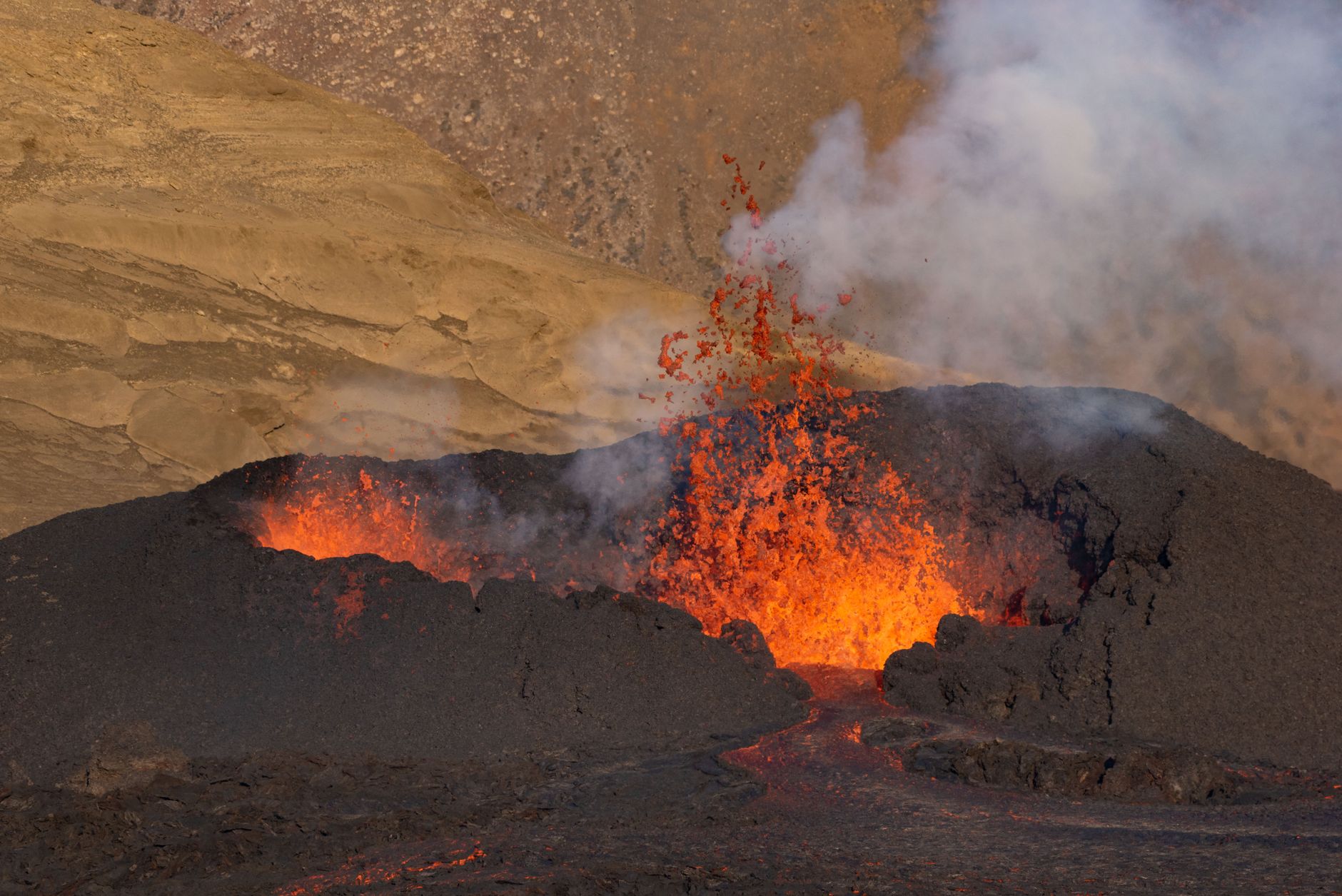
The centerpiece of the Danakil Depression is Erta Ale, a shield volcano in the Afar Region that holds one of the world’s few persistent lava lakes. Unlike volcanoes that erupt periodically and go quiet, Erta Ale has maintained an active lava lake in its summit caldera for well over a hundred years, making it one of the longest-burning surface lava features on Earth. Standing at the rim and watching molten rock churn and bubble below is not a simulation or a viewpoint from a safe distance – you are close, and you feel the heat on your face.
The approach to Erta Ale is part of the experience. Most tours depart from Semera or Mekele and involve a full day of driving across desert and salt flats before the actual hike begins at dusk. The summit hike takes three to four hours on rough volcanic rock in the dark, arriving at the crater rim around midnight when the glow of the lava lake is most visible against the night sky. Guides and armed rangers accompany every group – this is required, not optional, and the security infrastructure exists for legitimate reasons given the region’s history. The trek itself is not technically difficult, but the heat and terrain demand solid physical preparation.
Erta Ale sits within a broader volcanic field that includes several other vents and calderas, most of which see almost no tourist traffic. For travelers willing to extend their time in the region, the surrounding landscape offers a raw, unstructured kind of exploration that has become increasingly rare in heavily managed volcano tourism elsewhere in the world.
Dallol: The Most Surreal Place You’ve Never Heard Of
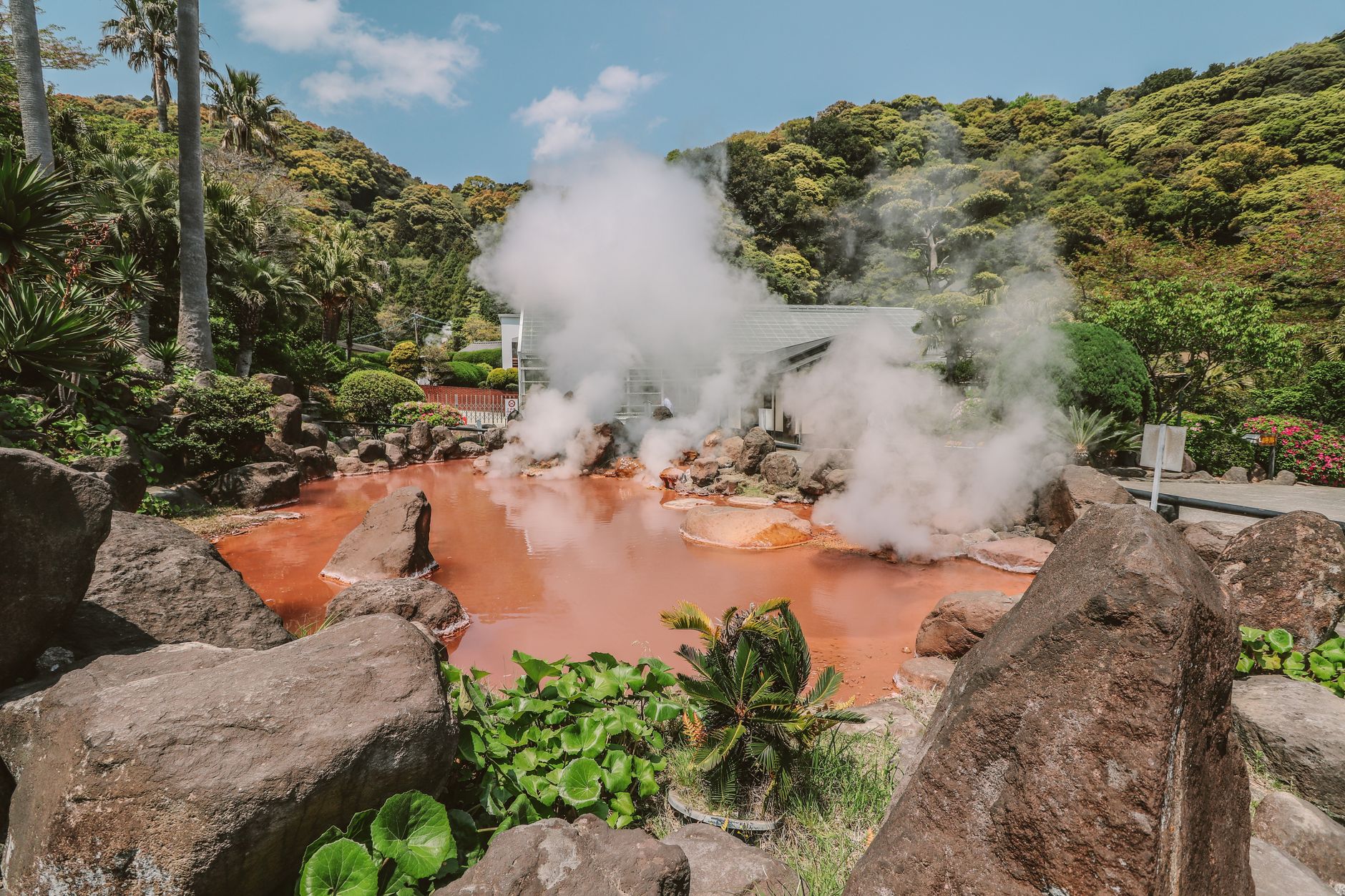
If Erta Ale is the dramatic centerpiece, Dallol is the detail work – and it is extraordinary. Located in the northern Danakil, Dallol is a hydrothermal field where acidic hot springs, salt pillars, and mineral deposits combine to create formations in sulfur yellow, rust orange, and neon green. The colors are real. No filter required. The area sits atop a volcanic system where superheated water forces its way through a thick salt crust, depositing minerals as it cools on the surface. The result looks less like an African landscape and more like something rendered by a science fiction set designer.
Dallol also holds the record for the highest average annual temperature of any inhabited location ever measured, though the small settlement that once existed there is now abandoned. Traveling through it requires a guide who knows where the surface is stable – the thin salt crust conceals pockets of boiling acidic water, and stepping in the wrong place carries real consequences. This is not a park with boardwalks and warning signs. The risk is part of the proposition, and serious volcanic travelers understand that calculus going in.
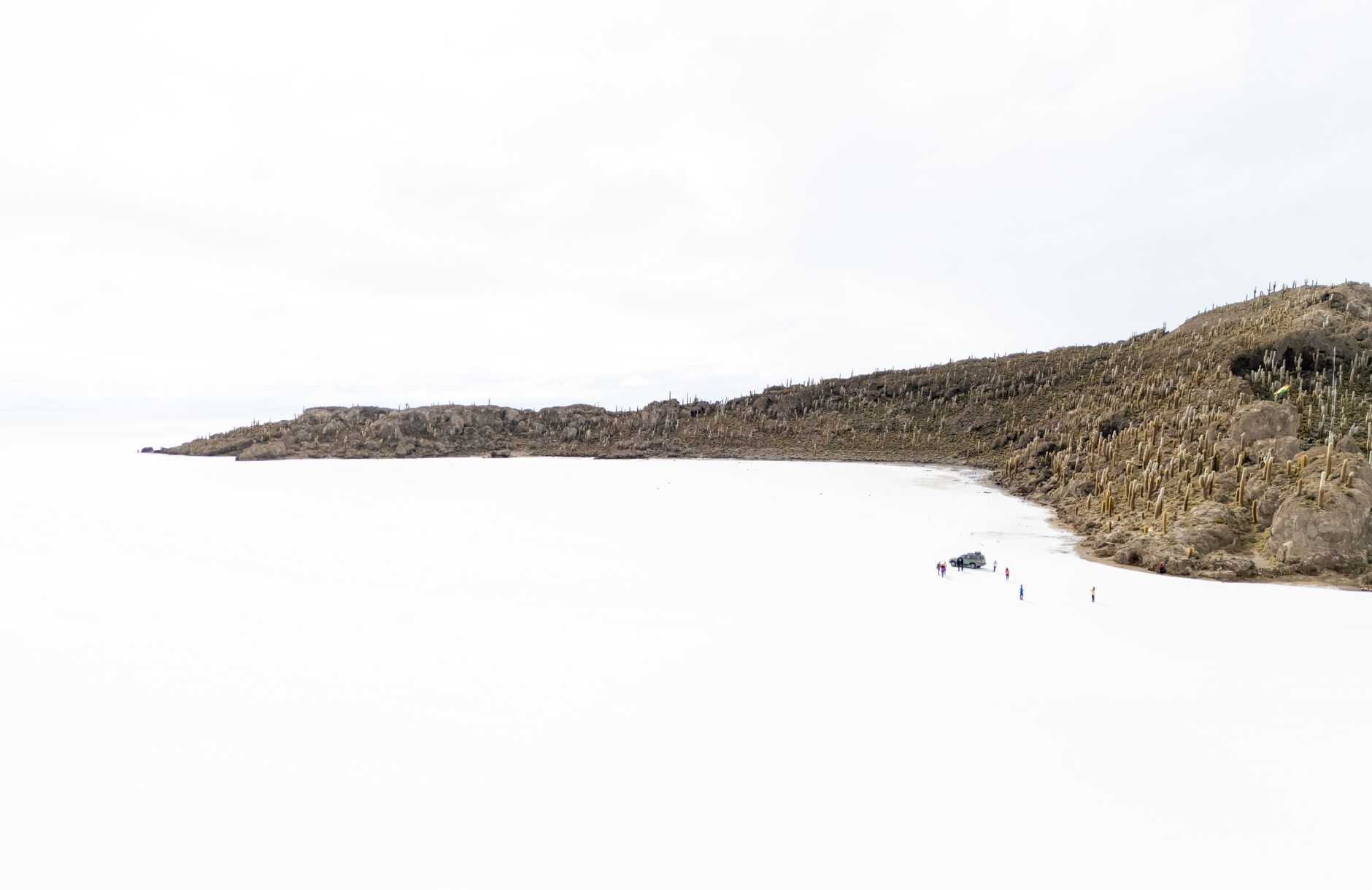
Getting to Dallol typically involves an overnight in the region and a predawn drive to reach the site before temperatures become dangerous. Tour operators based in Mekele run combined itineraries that pair Dallol with Erta Ale, the Afar salt caravans, and Lake Asale – a vast salt flat where local Afar miners still harvest salt by hand and load it onto camel trains, a practice unchanged for centuries. That juxtaposition – molten rock one night, ancient salt trade the next morning – is what gives Danakil travel its particular texture.
Logistics That Reward the Prepared
Reaching the Danakil Depression requires more planning than a standard Ethiopian tourism itinerary. Most travelers use Mekele as a base city, flying there from Addis Ababa on domestic routes. From Mekele, tour operators provide 4×4 vehicles, drivers, guides, armed escorts, food, and water for multi-day circuits – independent travel through the region is not permitted and is genuinely impractical given the infrastructure. The best-known operators have been running Danakil tours for years and maintain relationships with local Afar communities whose cooperation is essential for access. Booking at least two to three months in advance is necessary during the October-to-March travel window, which is the only realistic season to visit. Going outside that window means temperatures that can be physically dangerous even for well-prepared travelers.
Ethiopia’s broader tourism infrastructure has been improving steadily, and the domestic flight network connecting Addis to regional hubs like Mekele has made logistics more manageable than they were even five years ago. The Danakil circuit runs three to four days for most operators, and costs reflect the fuel, security, and logistics involved – this is not budget travel. What it offers in return is access to geological spectacle with almost no crowds. On any given day at Erta Ale’s crater rim, you might share the space with a few dozen other people. At Dallol on a weekday morning, sometimes fewer than that.
For travelers already planning an East Africa circuit, the Danakil fits logically between Ethiopian Highland destinations. The Simien Mountains can anchor the northern Ethiopia leg, with Danakil added as an extension. The two landscapes could not be more different – alpine meadows and dramatic cliff faces versus desert heat and sulfur fields – but together they make a case for Ethiopia as one of the most geologically varied destinations on the continent. Africa’s extraordinary inland water destinations get their share of adventurous visitors too, from the flamingo spectacles of Botswana’s Makgadikgadi Pans to the cichlid-rich depths of Lake Nyasa, but the volcanic circuit in Ethiopia sits in a category entirely its own.
The question serious volcanic travelers will eventually have to answer is not whether the Danakil Depression is worth the effort – it is, categorically – but whether they can handle an environment that gives no quarter and offers no amenities. Erta Ale does not have a visitor center. Dallol does not have a cafe. The ground is hot, the air smells like sulfur, and the nearest hospital is hours away. That is precisely the point.