Ethiopia’s Gambela Region Quietly Rivals the Omo Valley for Wetland Wanderers

Where the Nile Begins and the Crowds Don’t
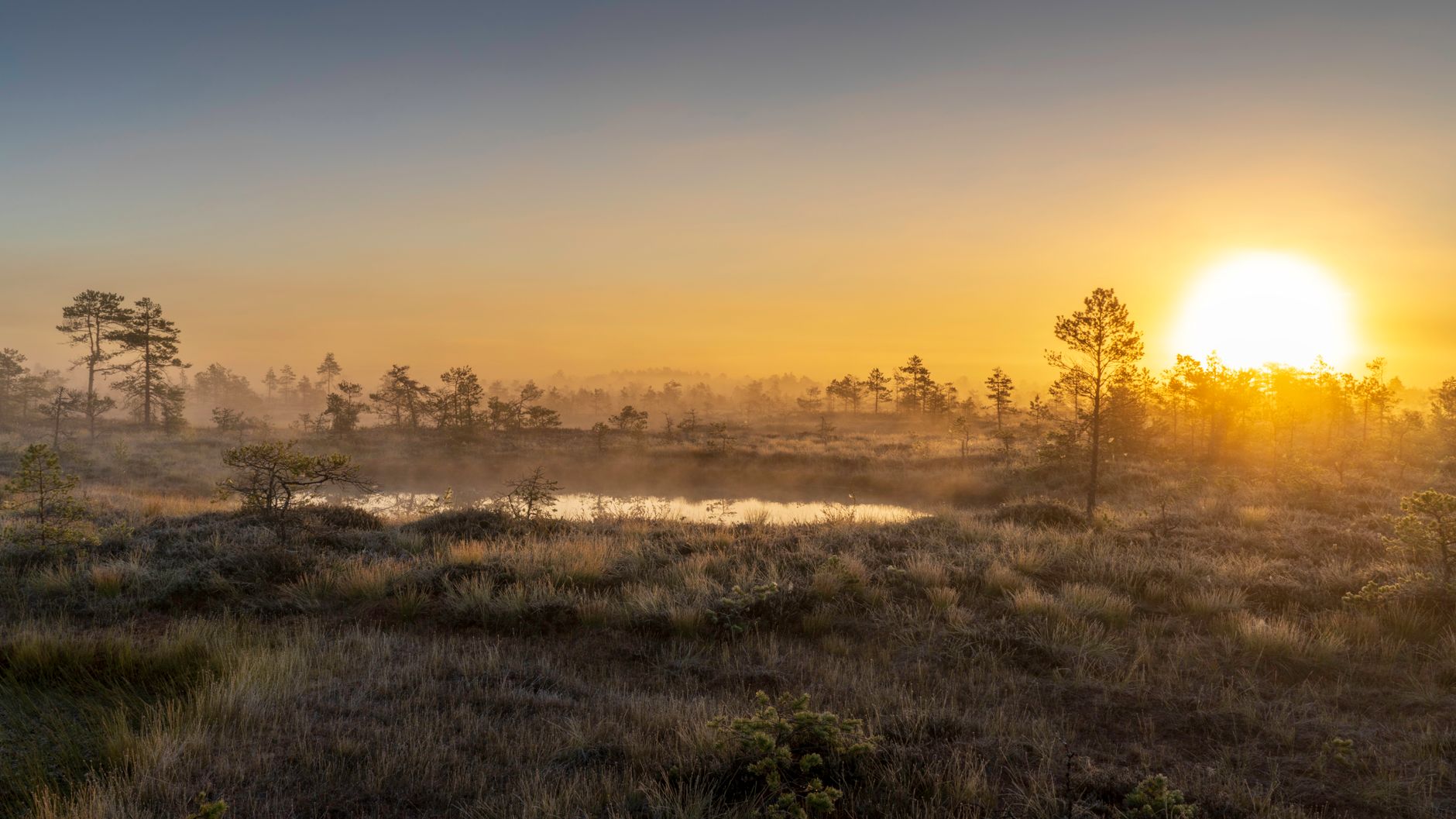
The Omo Valley has long held the spotlight in Ethiopia’s tourism story – its mosaic of indigenous tribes, body-painting traditions, and semi-arid landscapes have made it a bucket-list fixture for cultural travelers. But roughly 700 kilometers to the northwest, tucked against the South Sudanese border, the Gambela Region has been quietly accumulating its own case for attention. Flood plains, papyrus swamps, and one of Africa’s most overlooked national parks sit here, largely undisturbed by the infrastructure that tends to follow success.
Gambela is wet where the Omo is dry, vast where it is concentrated, and ethnically distinct in ways that most visitors haven’t yet learned to read.
What makes this corner of Ethiopia worth the logistical effort isn’t a single headline attraction. It’s the convergence of factors that serious wildlife and wetland travelers recognize immediately: low visitor numbers, intact ecosystems, and communities that haven’t yet calibrated themselves to outside expectations. That combination is rare on the continent, and Gambela holds it without fanfare.
The Wildlife Case for Gambela
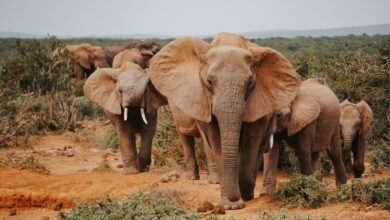
Gambela National Park covers a sprawling area of lowland savanna and seasonally flooded grasslands that supports one of Africa’s last great terrestrial migrations. The white-eared kob, a medium-sized antelope, moves through this region in numbers that rival the more celebrated wildebeest crossings further south – yet almost no international wildlife coverage touches it. Alongside the kob, Nile lechwe, tiang, and elephant populations navigate the park’s shifting seasonal terrain, responding to flood cycles that transform the landscape every year between June and September.
The Baro River, which eventually feeds into the White Nile system, bisects this terrain and functions as the region’s circulatory system. Hippos are abundant here in a way that feels almost casual – pods visible from the riverbank without guided spotting or long waits. Nile crocodiles follow the same logic. For birders, Gambela is quietly regarded as one of Ethiopia’s most productive lowland zones, with shoebill sightings reported in the papyrus marshes – a bird that dedicated twitchers travel entire continents to find.
The park’s infrastructure is minimal, which is both the honest caveat and, for the right traveler, the genuine draw. Roads flood seasonally, lodging options near the park are basic, and self-sufficiency matters. What this produces is a wildlife encounter on the landscape’s terms, not the visitor’s – which is precisely what the most experienced safari travelers increasingly seek.
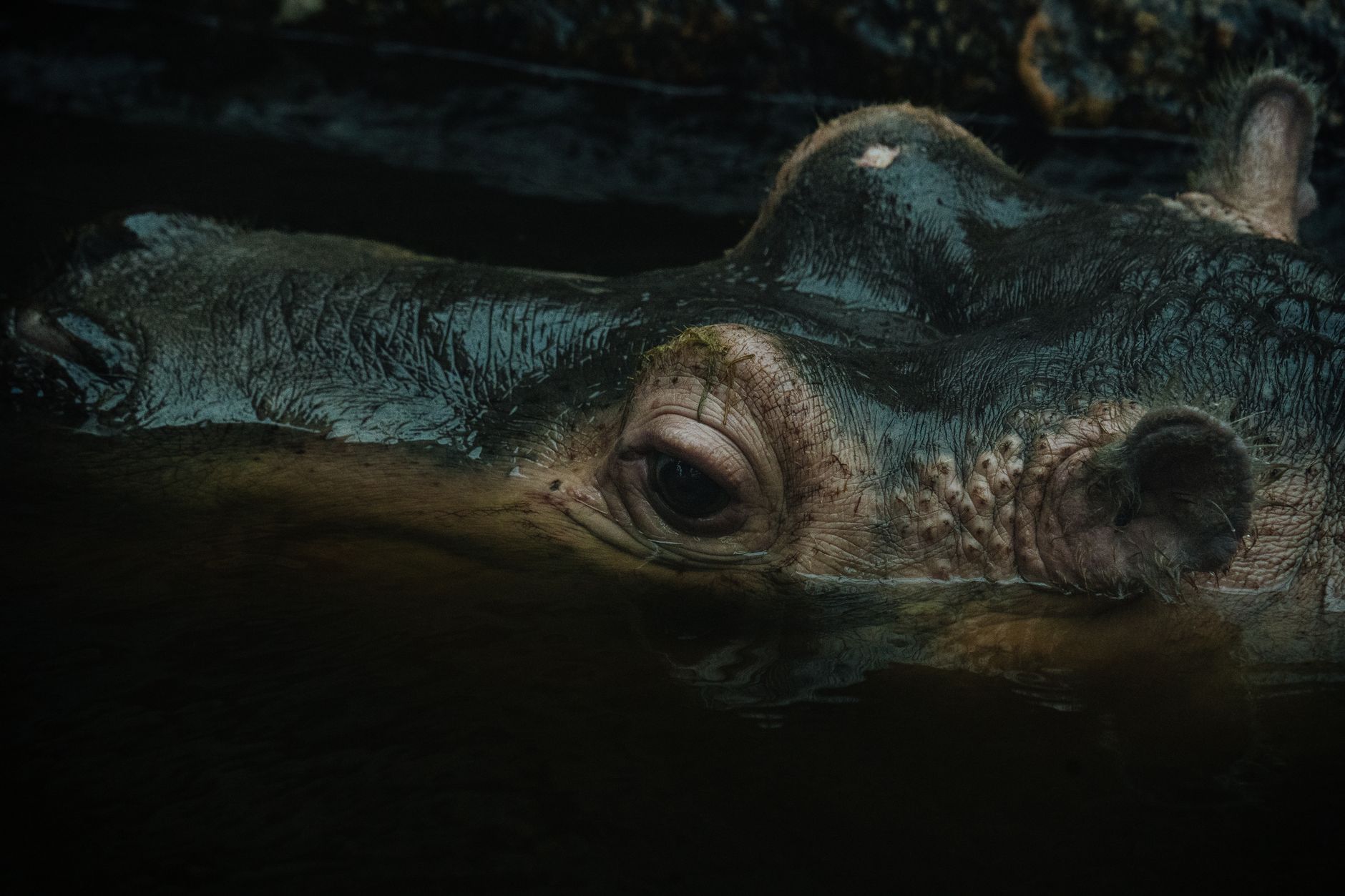
The Human Geography That Doesn’t Get Written About
Gambela’s population is largely made up of the Anuak and Nuer peoples, two groups with deeply different histories, economic patterns, and relationships to the land. The Anuak are historically river-dependent farmers and fishers; the Nuer are traditionally semi-nomadic cattle herders. The result is a regional culture that doesn’t fit neatly into the ethnographic template that many African travel narratives apply. There are no elaborate body-painting ceremonies here marketed for camera-carrying visitors – what exists instead is daily life conducted in proximity to some of the most biodiverse wetland terrain in the Horn of Africa.
The town of Gambela itself functions as an unlikely gateway – a small, humid trading hub where South Sudanese refugees, Ethiopian civil servants, NGO workers, and local traders share the same cramped street grid. It’s not polished, and no one is trying to make it so. The markets carry dried fish, sorghum, and livestock, and the conversations you overhear at the tea stalls tend to be conducted in at least three languages simultaneously. For travelers who value context over comfort, the town offers both in compressed form.
This is also a region where travelers interested in Africa’s less-documented wildlife corridors will find parallels worth tracking. Tanzania’s Mahale Mountains carry a similar logic – a place where the ecological argument outweighs the promotional one, and where low visitor pressure is the feature, not the flaw. Gambela operates on the same principle, applied to wetland rather than forest terrain.
Getting There and Managing Expectations
Ethiopian Airlines operates domestic flights from Addis Ababa to Gambela town, reducing what would otherwise be a grueling overland journey into a manageable connection. Flight times are short – under two hours – which makes the distance feel less daunting than the map suggests. From Gambela town, access to the national park requires either a negotiated vehicle hire or coordination with one of the few operators who work the area with any regularity. Neither option is expensive by regional standards, but both require patience and advance planning that casual travelers often underestimate.
The dry season, running roughly from November through February, offers the most reliable road access and concentrated wildlife viewing as animals cluster around permanent water sources. The wet season dramatically changes the character of the landscape – flooding creates vast shallow lake systems across the grasslands and pushes wildlife into different movement patterns – but it also makes large sections of the park effectively inaccessible without specialist equipment. Most first-time visitors should target the dry months.
Accommodation in Gambela town is functional rather than comfortable, and nothing within reach of the park approaches the lodge standards that Southern and East African safari circuits have normalized. Travelers who arrive having internalized that reality tend to leave more satisfied than those who don’t. Camping within the park is possible for self-sufficient groups and produces an entirely different quality of experience – quieter, more immediate, and genuinely unmediated.
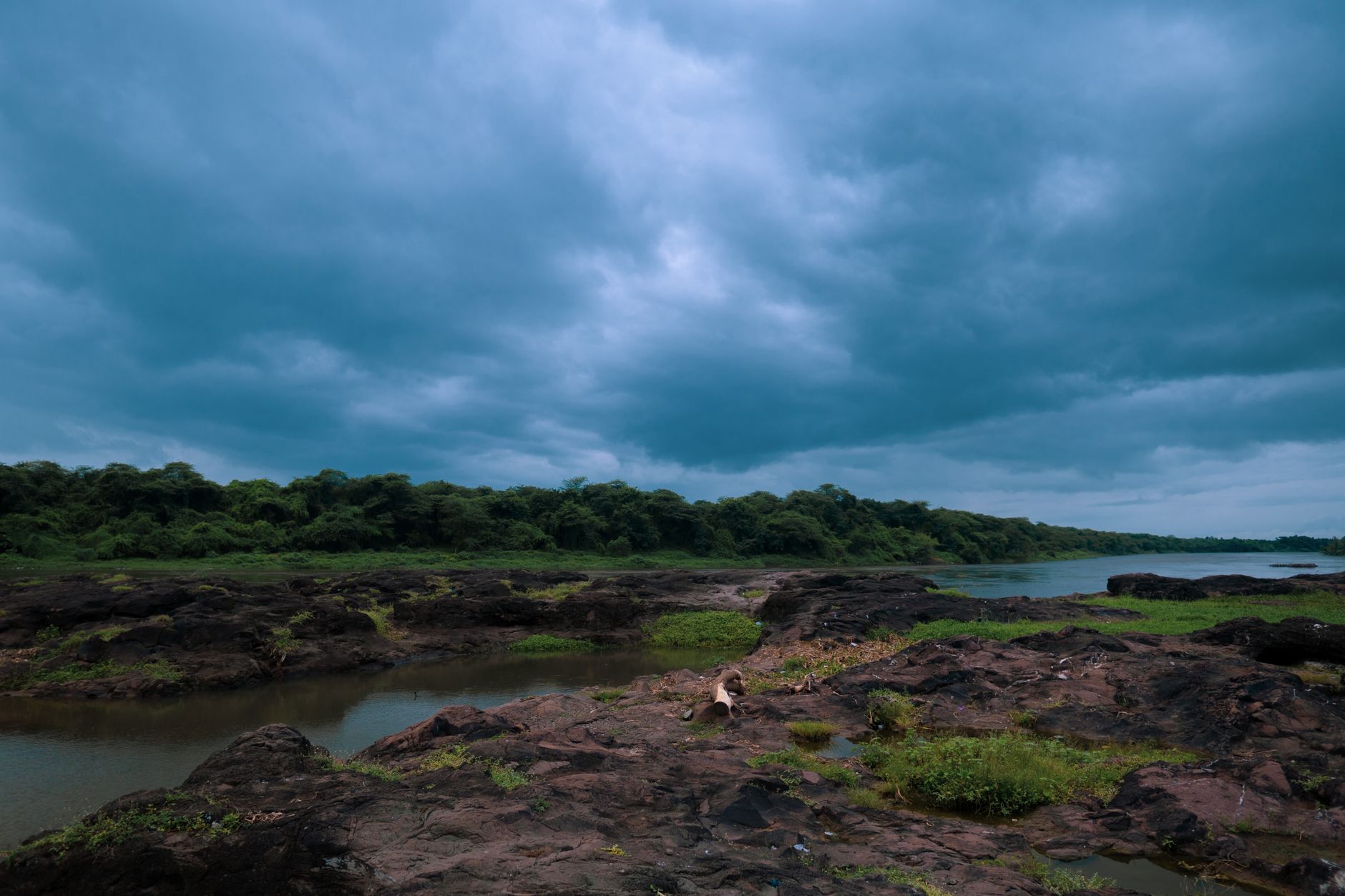
The Omo Valley’s reputation was built over decades of travel writing, documentary coverage, and photography that created a feedback loop between attention and infrastructure. Gambela hasn’t entered that loop yet, and the honest question isn’t whether it deserves to – it’s whether the moment it does, something essential about the place will quietly disappear.
Frequently Asked Questions
Is Gambela National Park safe to visit?
Gambela has had periods of regional instability, and travelers should check current government advisories before booking. Conditions can change, and local guide coordination is strongly recommended.
When is the best time to visit Gambela, Ethiopia?
The dry season from November to February offers the most reliable road access and concentrated wildlife viewing, making it the preferred window for most visitors.