
Where the Real Ethiopia Begins
Lalibela gets the pilgrims, the magazine covers, and the Instagram reels. The Omo Valley gets the silence, the face paint, and the kind of encounter that rewires how you think about human civilization. For travelers who track living culture rather than ancient stone, southern Ethiopia’s tribal lowlands are making a quiet case for top billing.
A Landscape That Operates by Its Own Rules
The Omo Valley sits in Ethiopia’s Southern Nations region, pressed against the borders of Kenya and South Sudan. The Omo River cuts through a wide, arid basin where a dozen distinct ethnic groups have lived in loose geographic proximity for centuries – the Mursi, Hamar, Karo, Dassanech, Nyangatom, Benna, and others. Each group maintains its own language, cosmology, and visual identity. None of them look remotely alike. This density of cultural difference in a relatively compact geographic zone is unusual by any global measure.
Getting there requires commitment. Most travelers fly into Addis Ababa, then either take a domestic flight to Jinka or make the long overland drive south through Arba Minch. From Jinka, four-wheel-drive vehicles are not optional – they are survival equipment. The roads range from unpaved gravel to rutted seasonal tracks that disappear entirely in the wet months between April and October. The difficulty is part of the filter. The Omo Valley has remained relatively unvisited precisely because reaching it is not casual.
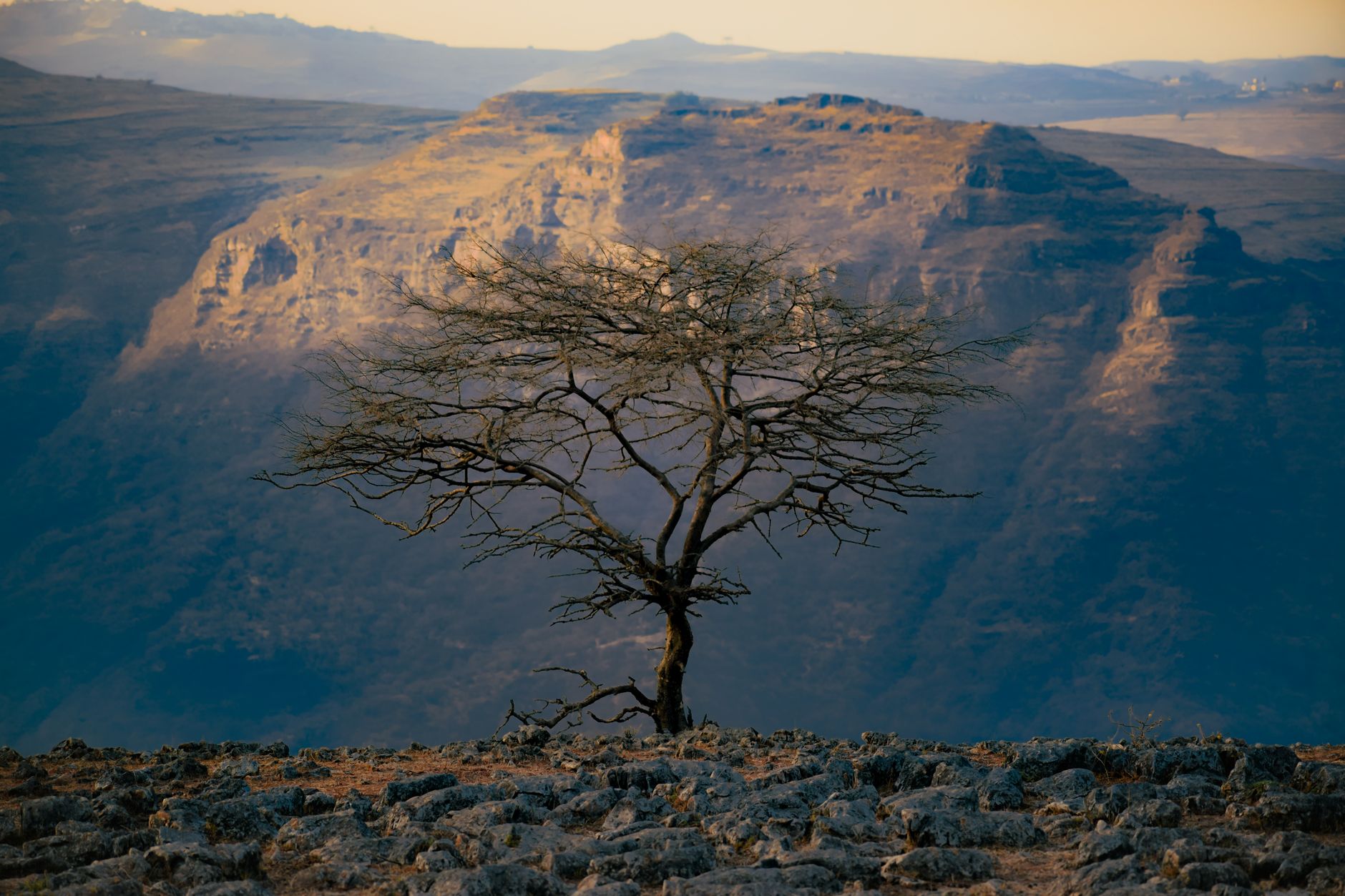
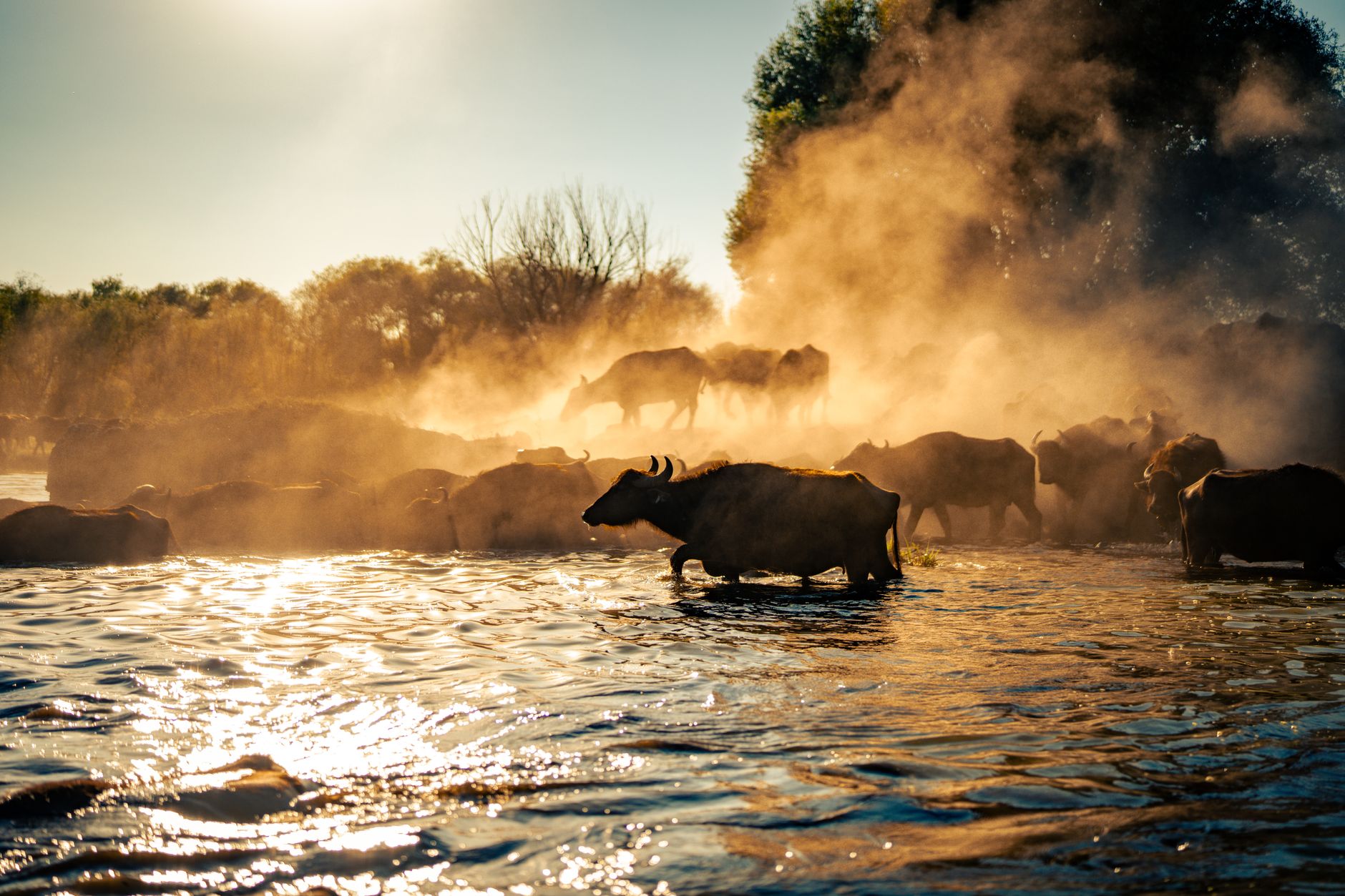
The dry season window from November through February draws the most reliable traffic, though “traffic” is generous phrasing for a region where you can drive an hour without seeing another vehicle. Temperatures push past 35 degrees Celsius in the lower valley, and the landscape shifts from dry savanna scrub to riverine forest along the Omo’s banks. It is a functioning ecosystem, not a curated park, and wildlife sightings – crocodiles, hippos, various antelope species – are common and unscheduled.
Jinka serves as the main base town for most itineraries, with basic guesthouses and a small regional museum that provides useful cultural context before heading deeper. Turmi, further south and closer to Hamar territory, is a secondary hub and hosts the famous Hamar bull-jumping ceremony, a male coming-of-age ritual that draws small numbers of photographers and anthropologists willing to make the additional drive. The logistics are workable, but they require advance planning and a local guide – not as a formality, but because navigating the social protocols of visiting different communities genuinely demands local knowledge.

The Culture Is Not a Performance
The Mursi are probably the most photographed group in the Omo Valley, primarily because of the large clay lip plates worn by women as a marker of social status and beauty. Photographs of Mursi women have appeared on travel magazine covers and documentary posters for decades, which has created a strange dynamic: a remote community that is simultaneously over-documented and deeply misunderstood. Visiting Mursi villages around Mago National Park, which requires a mandatory armed scout from the park authority, means navigating a fee structure that has evolved organically in response to decades of photo tourism. Women set their own rates for photographs. That directness, transactional but honest, is refreshing compared to destinations where the commercialization of culture is obscured.
The Karo, a small group living along the eastern bank of the Omo River near Korcho village, practice some of the most elaborate body painting traditions in the region. Chalk, charcoal, and ochre are applied in patterns that reference animals, landscapes, and ceremonial status. The Karo population is estimated to be small – a few thousand at most – and their territory is compact enough that a single afternoon visit covers significant ground. The river views from Korcho are also genuinely arresting: wide, slow water with acacia trees on the opposite bank and fishing dugouts pulled up on the mud.
Hamar culture centers on cattle as both currency and cosmology. The bull-jumping ceremony, locally called ukuli bula, marks the transition from boyhood to manhood. A candidate must run across the backs of a line of cattle multiple times without falling. The ritual also involves female relatives of the initiate requesting to be whipped by male Hamar as an act of solidarity – a practice that makes some Western visitors deeply uncomfortable, which is worth acknowledging rather than glossing over. The Omo Valley does not operate as an ethics-free zone of cultural relativism, but neither does it exist to satisfy outsider comfort. That tension is real, and any honest account of visiting has to hold it.
The Dassanech, living near the Kenyan border town of Omorate, occupy the most remote section of the standard circuit. Their territory borders Lake Turkana, the vast jade-colored lake that spills into northern Kenya. Reaching Omorate involves crossing the Omo River by small motor ferry, and the area has a frontier quality that the northern parts of the valley – closer to Jinka and therefore more visited – have somewhat lost. The Dassanech practice a form of cattle-keeping pastoralism and have historically been involved in resource conflicts with neighboring Nyangatom and Kenyan Turkana groups. That context matters: this is not a static, timeless culture. It is a community managing real pressures – land, water, livestock disease, climate unpredictability.
What separates the Omo Valley from most “tribal tourism” destinations is that the communities have not been packaged into cultural villages where performances happen on schedule. Visits require local fixers and community negotiations. You may arrive and find that a ceremony has already concluded, or that a village is unavailable that day. That unpredictability is exactly why serious cultural travelers rate the experience above more managed alternatives. The lack of choreography is the point.
Logistics and the Honest Conversation About Access
Responsible travel to the Omo Valley is increasingly discussed among operators, and the conversation has matured beyond simple “should we go or not” binaries. The communities themselves have agency over visitor access and, in many cases, have developed their own fee structures and protocols. Working with Ethiopian-owned guide companies based in Addis or Jinka rather than international operators who subcontract locally keeps more revenue inside the region. It is worth asking operators directly how guide fees and community payments are structured before booking.
There is also a time sensitivity here that Lalibela does not face in quite the same way. Several Omo Valley communities are navigating the downstream effects of the Gibe III hydroelectric dam, which altered the Omo River’s flood cycle and affected the flood-recession agriculture that some groups have practiced for generations. Change is ongoing. Whether what exists now – the ceremonies, the body arts, the cattle cultures – persists in recognizable form over the next generation is not guaranteed. For travelers who have been weighing this trip against other destinations, that is a concrete reason to prioritize it now rather than later.