
Where the Ancient World Still Lives Out Loud
Most travelers who book a flight to Ethiopia have Lalibela locked in as the centerpiece – those rock-hewn churches carved into cliffsides over eight centuries ago, the priests in ceremonial robes, the pilgrims who walk barefoot across stone worn smooth by centuries of devotion. It is extraordinary. It is also, by Ethiopian standards, thoroughly on the tourist map. The Omo Valley, in the country’s far southwest, operates on a different frequency entirely. Here, the spectacle is not medieval architecture but living culture – communities who have maintained distinct identities, languages, and body adornment practices across generations, with little pressure to conform to anything outside their own traditions.
The Omo River runs roughly 470 miles from the Ethiopian highlands down to Lake Turkana on the Kenyan border, and the basin it carves through is home to an extraordinary density of ethnic groups – the Mursi, Hamer, Karo, Dassanech, Benna, and dozens more – each with their own calendars, cattle customs, and coming-of-age rituals. This is not a theme park recreation of tribal life. It is the actual thing, still functioning, still evolving on its own terms. For travelers willing to move slowly and engage respectfully, the Omo Valley offers an encounter with human diversity that no museum or heritage site can replicate.
Getting There Is Half the Commitment
Arba Minch is the practical gateway, a small city reachable by daily Ethiopian Airlines flights from Addis Ababa. From there, the road south into the valley requires either a hired 4×4 or organized tour vehicle – there is no useful public transit, and the unpaved stretches between market towns can be genuinely rough after rain. Most visitors base themselves in Jinka or Turmi, both of which have guesthouses ranging from basic to modestly comfortable. Neither town is going to win any awards for gastronomy, but they function well as operational bases for early morning drives to villages and weekly markets.
The Omo Valley is not a destination that rewards rushing. A minimum of five days allows visits to two or three distinct communities and at least one traditional market – ideally the Monday market in Turmi, which draws Hamer families from across the surrounding lowlands. Ten days gives you room to reach the Karo cliffs above the river near Korcho, where body painting with chalk and ochre is practiced with an artistic precision that is genuinely hard to describe without sounding breathless. Plan for heat, dust, and long drives across open savanna. Bring more water than you think you need.
The Communities Worth Understanding Before You Arrive
The Mursi are perhaps the most photographed people in the entire valley, largely because of the lip plates worn by women – ceramic or wooden discs inserted into a cut made in the lower lip, a practice with complex social significance that outsiders have consistently reduced to spectacle. The Mursi inhabit the Mago National Park area near Jinka, and visits are managed through the park authority. Photography is allowed but requires payment directly to individuals, a system that has its complications but at least ensures some economic benefit flows to the community rather than middlemen.
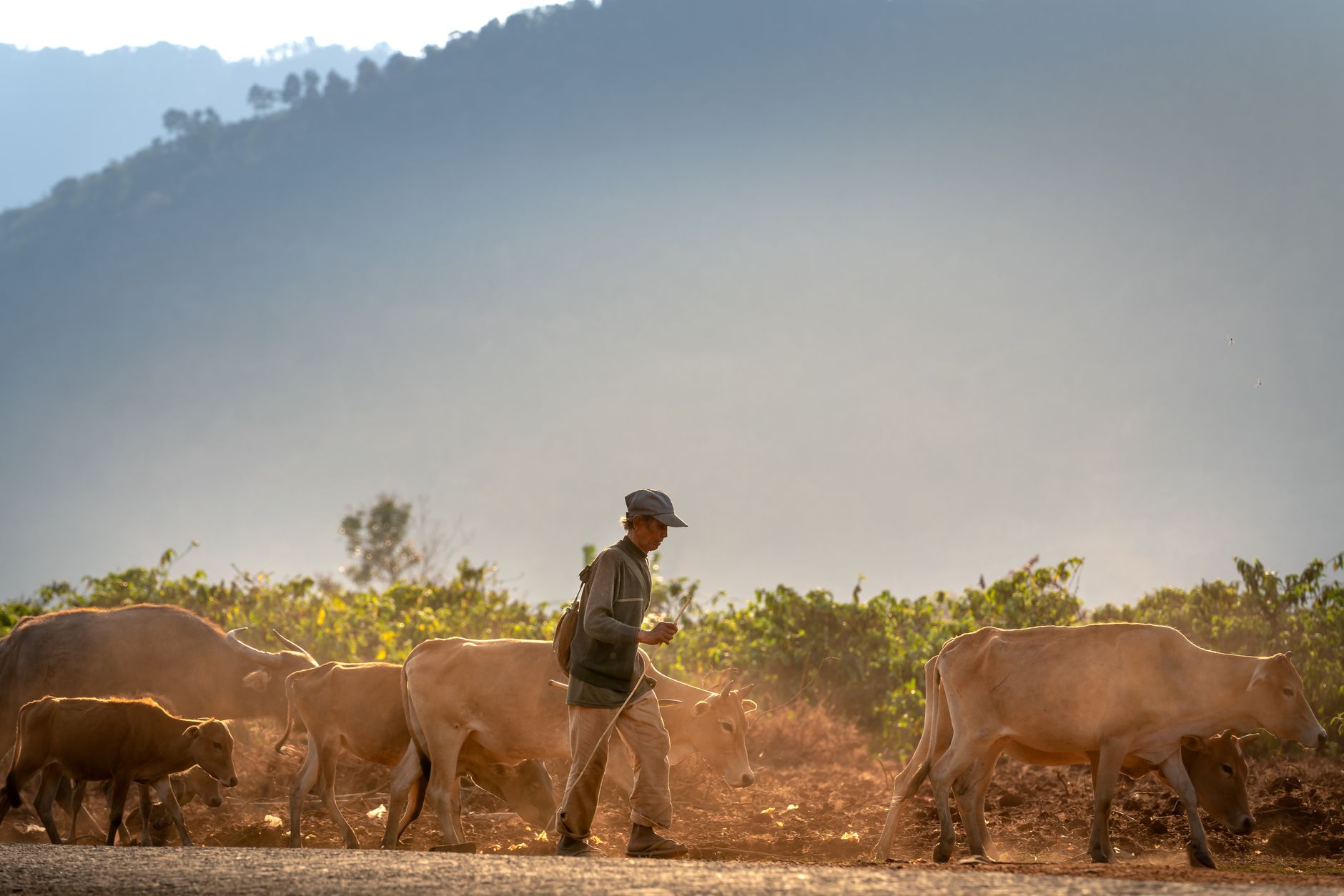
The Hamer are cattle herders whose ritual calendar centers on the bull-jumping ceremony – a rite of passage in which a young man must run across the backs of a line of cattle to prove readiness for marriage. These ceremonies happen on no fixed schedule and cannot be booked like excursions; local guides with community connections can often get advance word when one is planned. The female relatives of the initiate participate in a parallel ritual involving whipping – a display of solidarity and endurance that is often misread by visitors unfamiliar with its context. Understanding the why before arriving matters enormously.
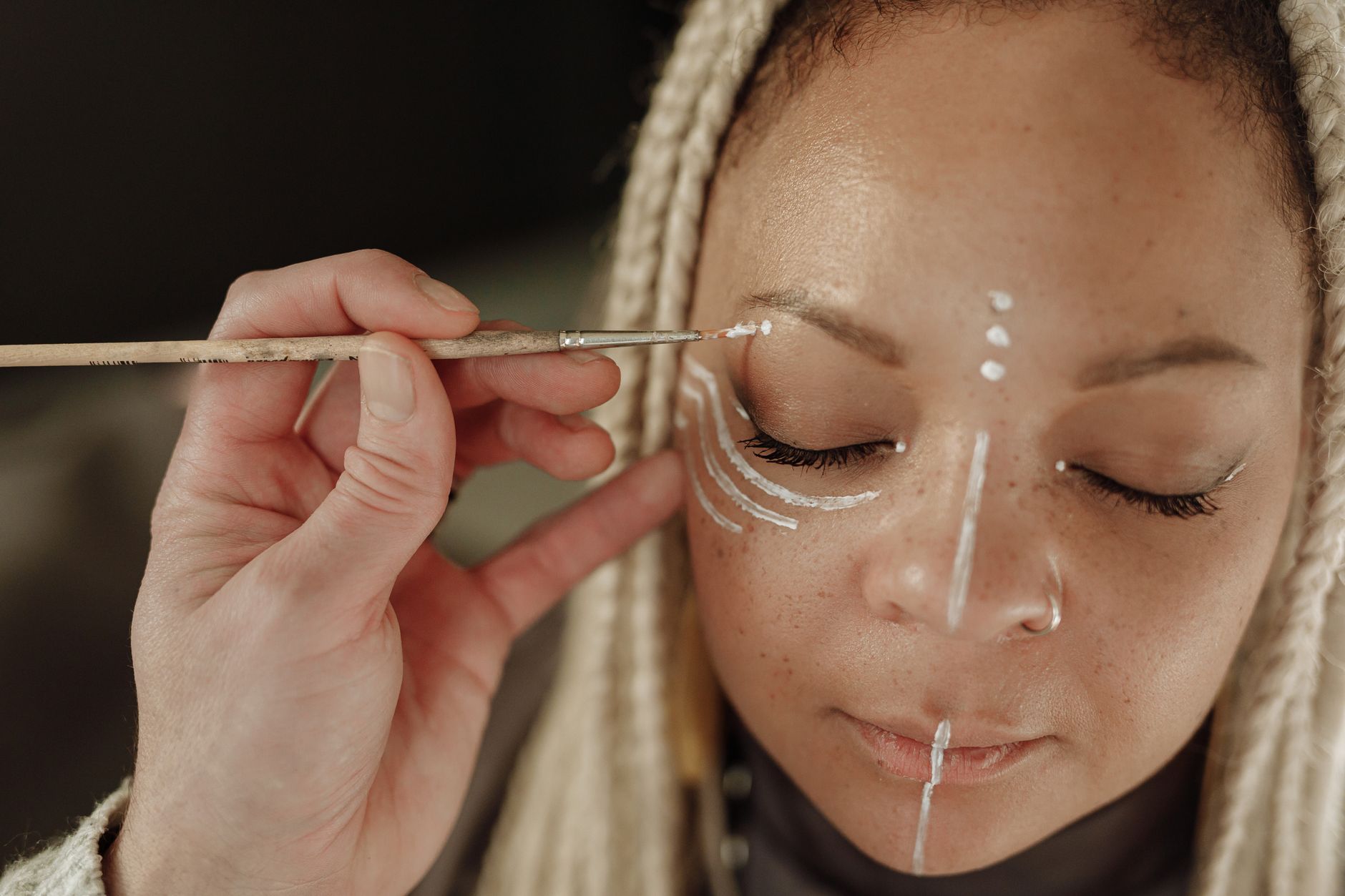
The Karo, a small community of only a few thousand people, live on dramatic escarpments above the Omo River and are known for elaborate body painting applied before ceremonies and gatherings. Unlike some communities where photography has become transactional to the point of discomfort, Karo villages often have a more relaxed atmosphere – though that is not a permanent condition and can vary by season and recent visitor behavior. Their proximity to the river also makes Karo territory visually striking in a way that photographs well even for those with modest camera equipment.
The Dassanech live closest to the Kenyan border, in terrain that is flat, hot, and remote even by Omo Valley standards. Reaching their villages requires a boat crossing of the river, which adds a layer of logistical complexity but also a layer of insulation from casual day-trippers. This is the part of the valley where you are most likely to spend a night in a community rather than driving back to a guesthouse, and that overnight experience – sitting around a fire, watching how a family organizes its evening – tends to be what travelers remember most clearly years later.
The Ethics Question That Doesn’t Have a Clean Answer
Tribal tourism anywhere carries a genuine tension that the Omo Valley makes impossible to avoid. These visits generate income for communities that have very few other economic options, and that income is real and meaningful. At the same time, the dynamic of outsiders arriving with cameras and cash creates social pressure that can push communities to perform rather than simply live. Some villages near the main circuit have, over years of heavy visitation, developed a somewhat transactional atmosphere that honest guides will acknowledge openly. Choosing operators who work with local community liaisons – and who have longstanding relationships rather than purely logistical access – makes a measurable difference in the quality and ethics of the encounter.
A useful rule of thumb: if a guide can tell you nothing substantive about a community’s history, governance, or current challenges before you arrive, find a different guide. The Omo Valley is not a backdrop. It is a place where real decisions are being made about land rights, dam projects, and cultural continuity – and visiting with some awareness of those stakes is the minimum responsible standard.
When to Go and What to Carry
The dry season runs roughly from October through February, and those months offer the most reliable road conditions and the most comfortable temperatures for travel. March through May brings the long rains, which can close roads entirely in the southern reaches. June through September is a mixed period – partially navigable with the right vehicle, but unpredictable enough that itineraries need serious flexibility built in.
Pack light, breathable clothing in neutral colors. Bring a wide-brimmed hat and sun protection rated for equatorial intensity – the valley sits at low elevation and the UV exposure is significant. A basic first-aid kit, electrolyte supplements for the heat, and at least one formal letter of introduction from your tour operator can smooth entry at certain sites managed by local authorities. Ethiopian birr in small denominations is essential for market purchases and direct photography fees; card payments are not functional outside Addis Ababa and Arba Minch.
The Omo Valley does not offer the Instagram clarity of Lalibela’s stone churches, where the subject matter is fixed and the lighting is predictable. What it offers instead is contact with cultural complexity that resists easy captioning – communities that are neither frozen in amber nor dissolving into uniformity, but actively negotiating what continuity means on their own terms. That negotiation is ongoing, sometimes uncomfortable to witness, and entirely worth the long drive south from Arba Minch.