
Beyond Lalibela’s Famous Spires
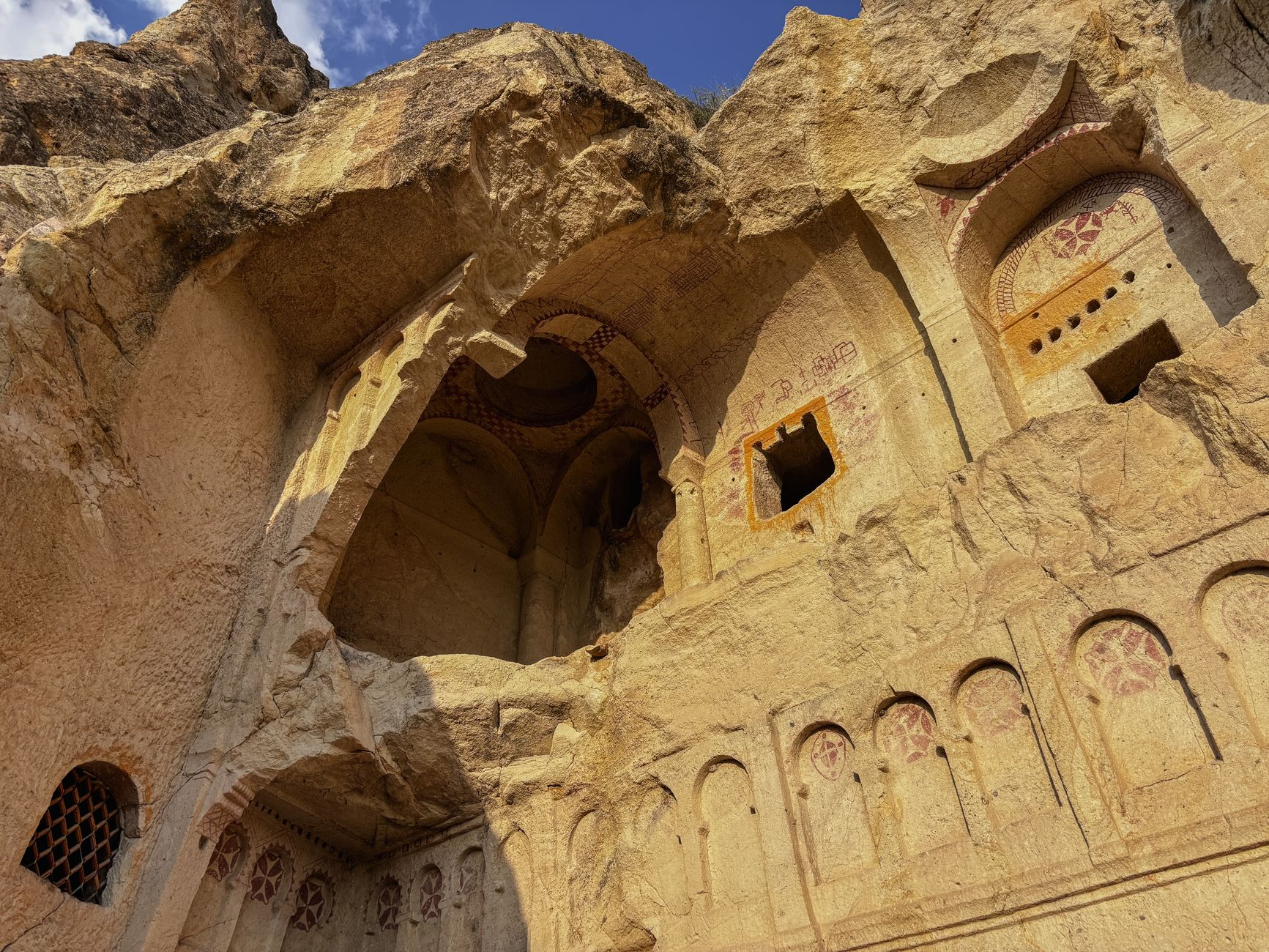
Lalibela gets the pilgrims, the travel magazine covers, and the UNESCO designation. Its eleven monolithic churches, carved downward into red volcanic rock during the 12th and 13th centuries, have become Ethiopia’s single most recognized attraction – the kind of site that fills group tour itineraries and appears on bucket lists across the world. But four hundred kilometers to the north, the Tigray region holds a collection of rock-hewn churches that predate Lalibela by several centuries, occupy dramatically more remote cliff faces, and receive only a fraction of the foot traffic. The comparison is not flattery. For travelers who genuinely want to understand Ethiopia’s sacred rock architecture, Tigray may be the more honest destination.
The region has faced serious disruptions. The civil conflict that devastated Tigray between 2020 and 2022 effectively shut down tourism, and the recovery has been slow and uneven. Infrastructure remains fragile in parts of the north. But a growing number of independent travelers are returning, and the accounts coming back are consistent: the churches are intact, access is reopening, and the experience of visiting them feels nothing like the managed pilgrimage circuit that Lalibela has become.
Churches Cut Into Cliff Faces
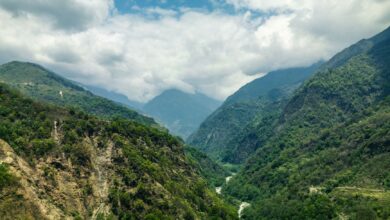
Tigray holds roughly 120 rock-hewn churches, many carved directly into cliff faces at elevations that require real physical effort to reach. Some demand a thirty-minute scramble up bare rock using iron chains bolted into the mountainside. Others sit in the middle of sheer escarpments where the only approach is a narrow ledge with a vertical drop below. The physical commitment is not incidental – it is, for many of the priests who maintain these sites, part of the spiritual architecture. The difficulty of access is understood as appropriate to what waits inside.
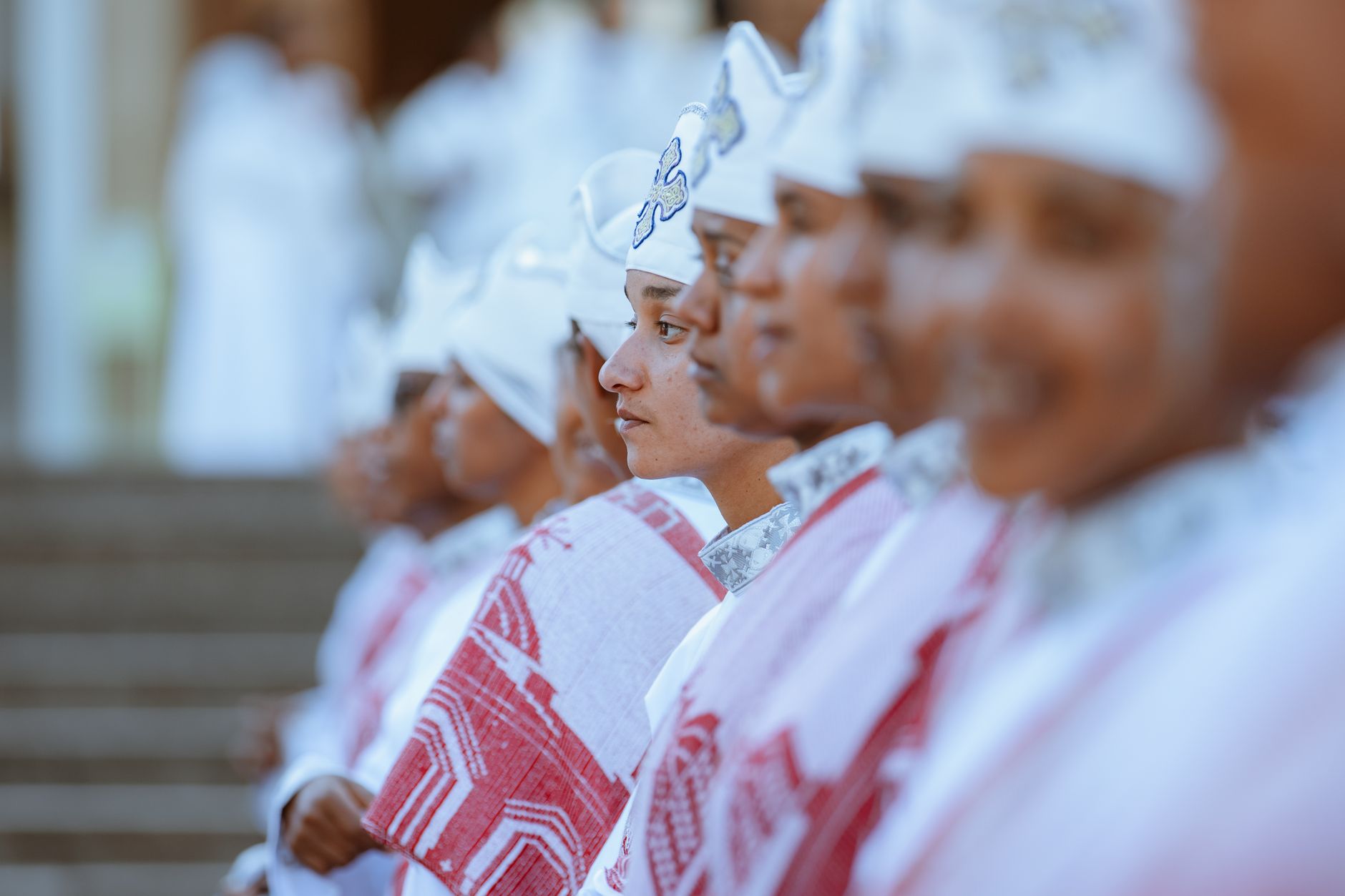
Abuna Yemata Guh is the church most likely to appear in photographs – a small sanctuary perched inside a sandstone column above the Gheralta plateau, reached via a climb that most visitors find genuinely nerve-racking. The interior contains 5th-century murals depicting the Nine Saints, the Syrian monks credited with spreading Christianity through Ethiopia in the early centuries CE. The paintings remain vivid. There is no restoration scaffolding, no ticketing queue, and often no other visitors. A local priest unlocks the door and steps aside. That is the full extent of the visitor infrastructure.
Debre Tsion, Maryam Korkor, Daniel Korkor – each church sits within reasonable distance of the town of Hawzen and can be reached in a single day with a local guide. The Gheralta cluster alone contains more than a dozen sites, several of which have never been formally studied by outside archaeologists. The age of some carvings is still debated. That ambiguity is not a weakness in the destination – it is exactly what makes it worth visiting now, before that ambiguity gets resolved and branded into an official interpretation.
What Lalibela Has That Tigray Doesn’t
Lalibela is easier. The site has a well-organized ticket system, established guesthouses within walking distance, and a community of English-speaking guides who have spent years learning to manage international visitors. Getting there involves a flight from Addis Ababa to a functioning regional airport. The churches are connected by stone pathways and can be visited in sequence over one or two days without excessive planning. For travelers who want to experience Ethiopia’s rock-hewn heritage without logistical complexity, Lalibela delivers efficiently on that promise.
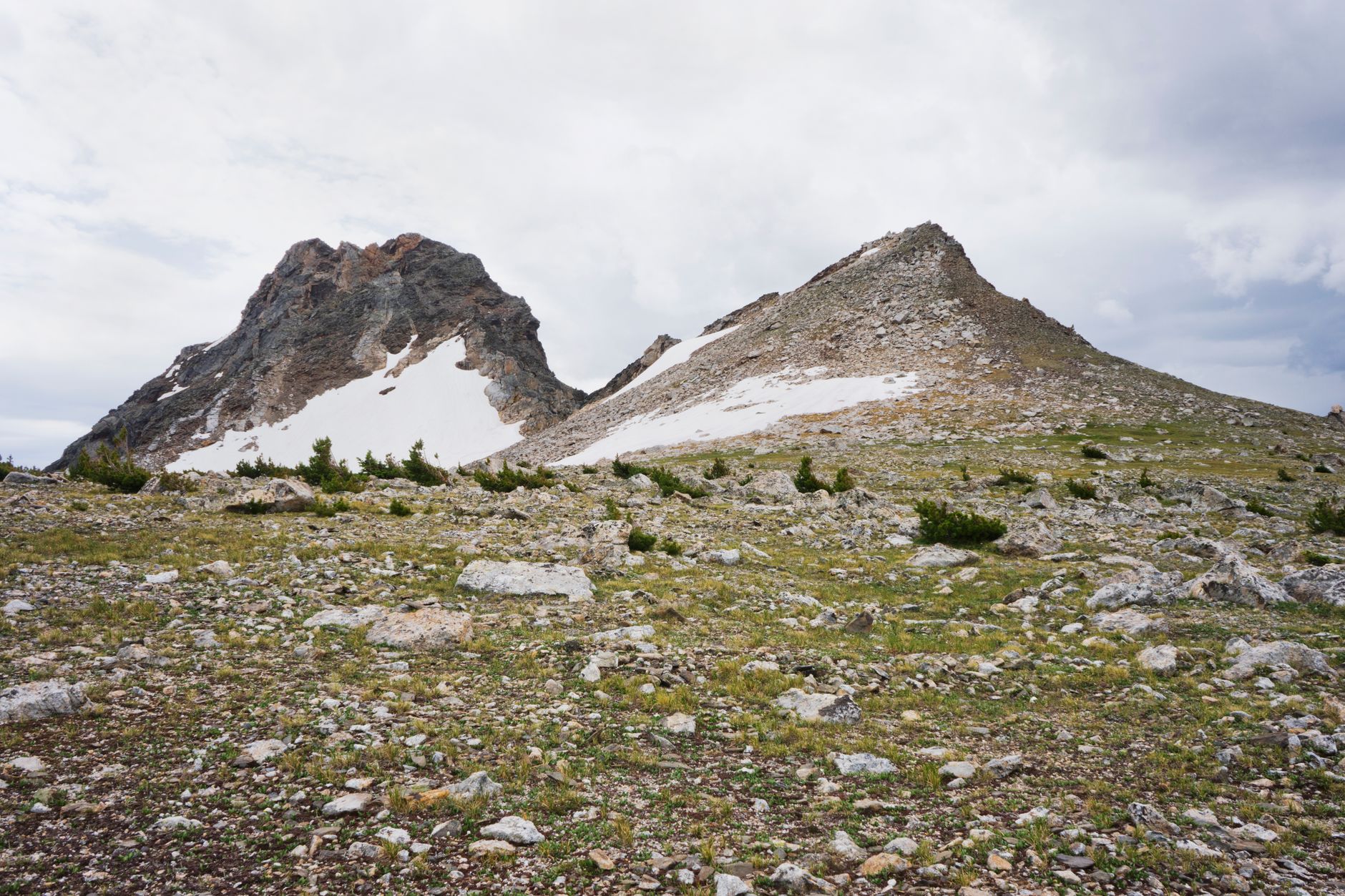
Tigray requires more preparation. Road conditions between towns vary, and some routes that were reliable before 2020 are still being assessed for safety. Travel advisories from multiple governments remain in place for parts of the region, and independent travelers should check current guidance before booking anything. The guesthouse network in towns like Hawzen and Adigrat is functional but limited. That said, local operators who specialize in Tigray church circuits have re-established and are actively guiding foreign visitors again – the logistics are manageable, not prohibitive.
The Age Argument
The churches of Tigray predate Lalibela by as much as seven centuries in some cases. The Aksumite kingdom – the ancient empire centered in what is now Tigray – was one of the world’s earliest states to adopt Christianity as an official religion, doing so in the 4th century CE under King Ezana. The rock-hewn churches that followed were built within that kingdom’s spiritual and political context, which makes them artifacts of a civilization that was already deeply established when Lalibela’s builders began their work. To visit Tigray’s churches in sequence is to trace a longer arc of Christian history in the Horn of Africa than Lalibela alone can provide.
The Nine Saints, venerated in those murals at Abuna Yemata Guh, are credited with translating the Bible into Ge’ez, the liturgical language still used in the Ethiopian Orthodox Church. Their influence shaped not just Tigray’s spiritual geography but the entire religious tradition that eventually produced Lalibela’s builders. The original sites of that influence – the cave monasteries and cliff sanctuaries associated with the Nine Saints – are concentrated in Tigray, not in the Amhara highlands where Lalibela sits.
That historical depth changes the texture of a visit. At Lalibela, the narrative is relatively contained: a king receives a vision, orders a set of churches to be built, and the result stands as a completed monument. In Tigray, the story is messier and longer. Churches were built, abandoned, rediscovered, maintained by single priests in remote locations, and are still being catalogued. The sense that the full picture is not yet known adds something that finished heritage sites cannot replicate.
Hawzen, the small town that serves as the most practical base for Gheralta, sits in a valley surrounded by flat-topped mountains that make the landscape feel lunar in the dry season. The market on Saturdays draws traders from surrounding villages, and the food – injera with spiced lentils, honey wine in smaller quantities than in the south – is specific to this corner of the country. The tourism infrastructure is not sophisticated enough yet to have smoothed over the local texture. Whether that window stays open, or closes as visitor numbers grow and the town adapts accordingly, is the more relevant question for anyone thinking about when to go.