
Ethiopia’s Hidden Sacred Landscape
Lalibela draws the crowds, the documentaries, and the bucket-list checkmarks. But two hundred kilometers to the north, Tigray’s rock-hewn churches sit in near-total silence – clinging to cliff faces, buried inside boulders, and scattered across a highland plateau that most international travelers never reach.
What Makes Tigray Different
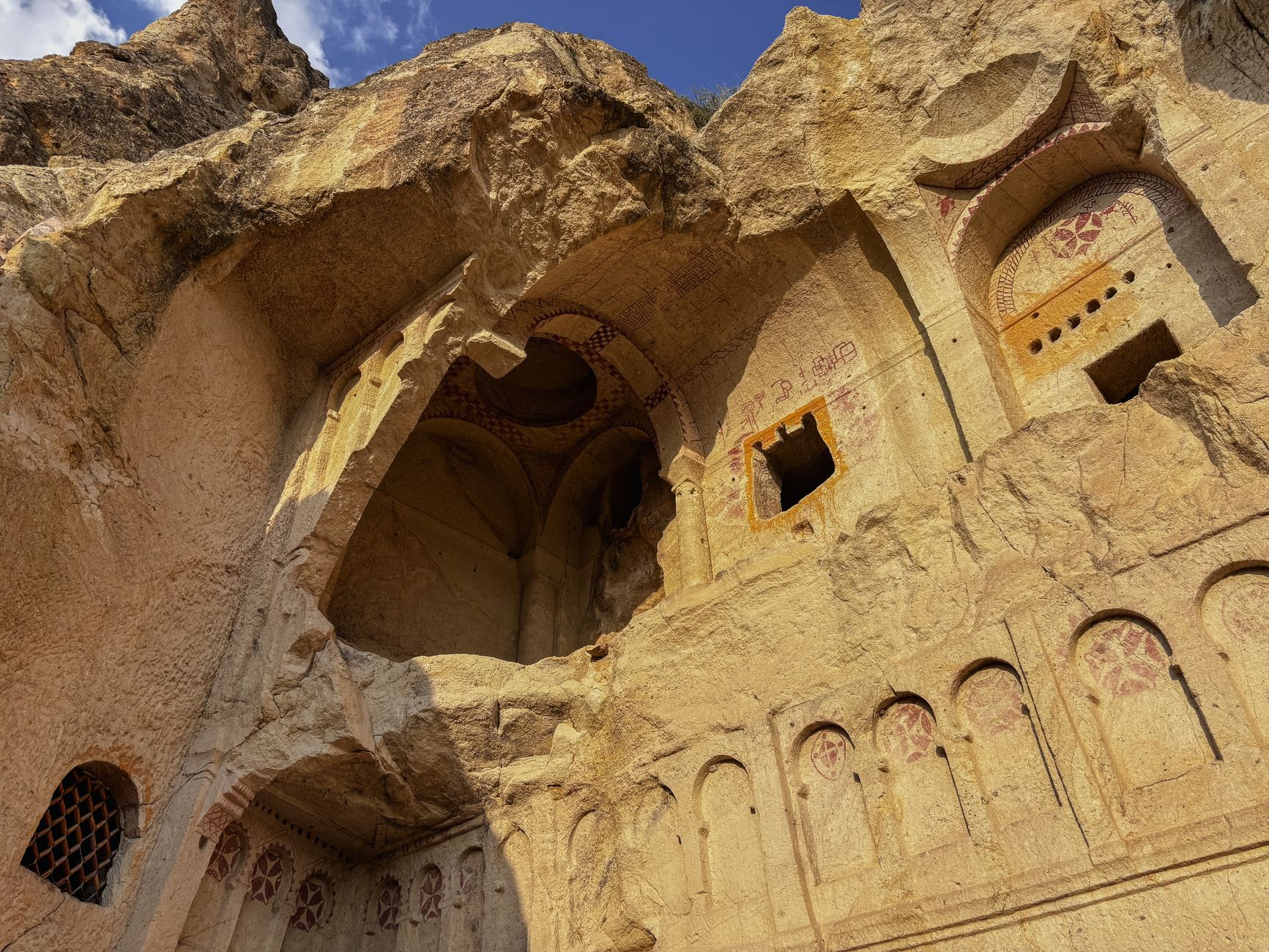
The churches of Tigray number somewhere between 120 and 200, depending on how loosely you define “accessible” – a word that means something very different here than it does in a Lalibela tour brochure. Some require a rope and a local guide willing to haul you up a sheer sandstone face. Others sit at the end of unmarked trails where the only signage is a faded hand-painted cross on a rock. This is not curated heritage tourism. It is something closer to archaeological excavation done on foot.
The architecture itself predates many assumptions about Ethiopian Christian history. Several Tigray churches are believed to have been carved between the 4th and 7th centuries, placing them among the oldest surviving Christian places of worship anywhere in the world. Abuna Yemata Guh, perched on a pinnacle in the Gheralta cluster, requires a vertical climb without safety equipment and rewards visitors with intact 5th-century frescoes – still vivid in ochre, white, and black – that have survived inside the rock without temperature control, tourism infrastructure, or restoration work. The paintings simply endured.
What separates the Tigray experience from Lalibela is not quality but context. Lalibela’s churches are managed, fenced, and staffed with ticket collectors. Priests at many Tigray sites are also the custodians, the tour guides, and often the only people you will see for hours. At some churches, the priest lives in a small stone room adjacent to the sanctuary, keeping the same schedule his predecessors kept centuries ago. Visiting feels less like tourism and more like interrupting a practice that never stopped.
The Gheralta cluster in the central Tigray highlands is the most visited concentration of cliff churches, though “most visited” is relative – on a quiet weekday, you might share the approach trail with no one. Other notable clusters include Atsbi-Wenberta and the Tembien highlands, where churches like Abraha we Atsbeha – one of the few accessible by road – house stunning collections of illuminated manuscripts and gold processional crosses that priests will unwrap and display with quiet pride if you arrive respectfully and on time for morning liturgy.
Getting There and Getting Around
Mekelle, Tigray’s regional capital, is the logistical base for most visits. Ethiopian Airlines connects Addis Ababa to Mekelle with daily flights, and the journey takes under two hours. From Mekelle, the practical reality is that independent travel to the rock churches requires either a 4×4 rental with a driver who knows the roads – many of which are unpaved gravel tracks that deteriorate in the rainy season – or a local tour operator willing to customize an itinerary. The region’s roads were significantly damaged during the conflict that ended in 2022, and while reconstruction has progressed steadily, some routes remain slower than maps suggest.
Travel advisories for Ethiopia, including Tigray, shifted considerably through 2023 and into 2024 as the ceasefire held and regional stability returned. The UK, US, and EU governments have progressively updated their guidance, though travelers should check current advisories before booking. A growing number of small tour operators based in Mekelle now cater specifically to church-circuit itineraries, and their local knowledge – about road conditions, priest schedules, and which sites require advance permission from regional church authorities – makes the difference between a confusing day trip and a trip that actually works.
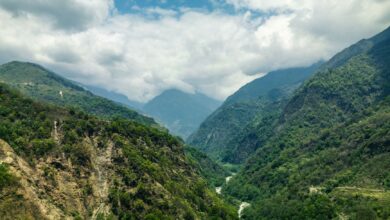
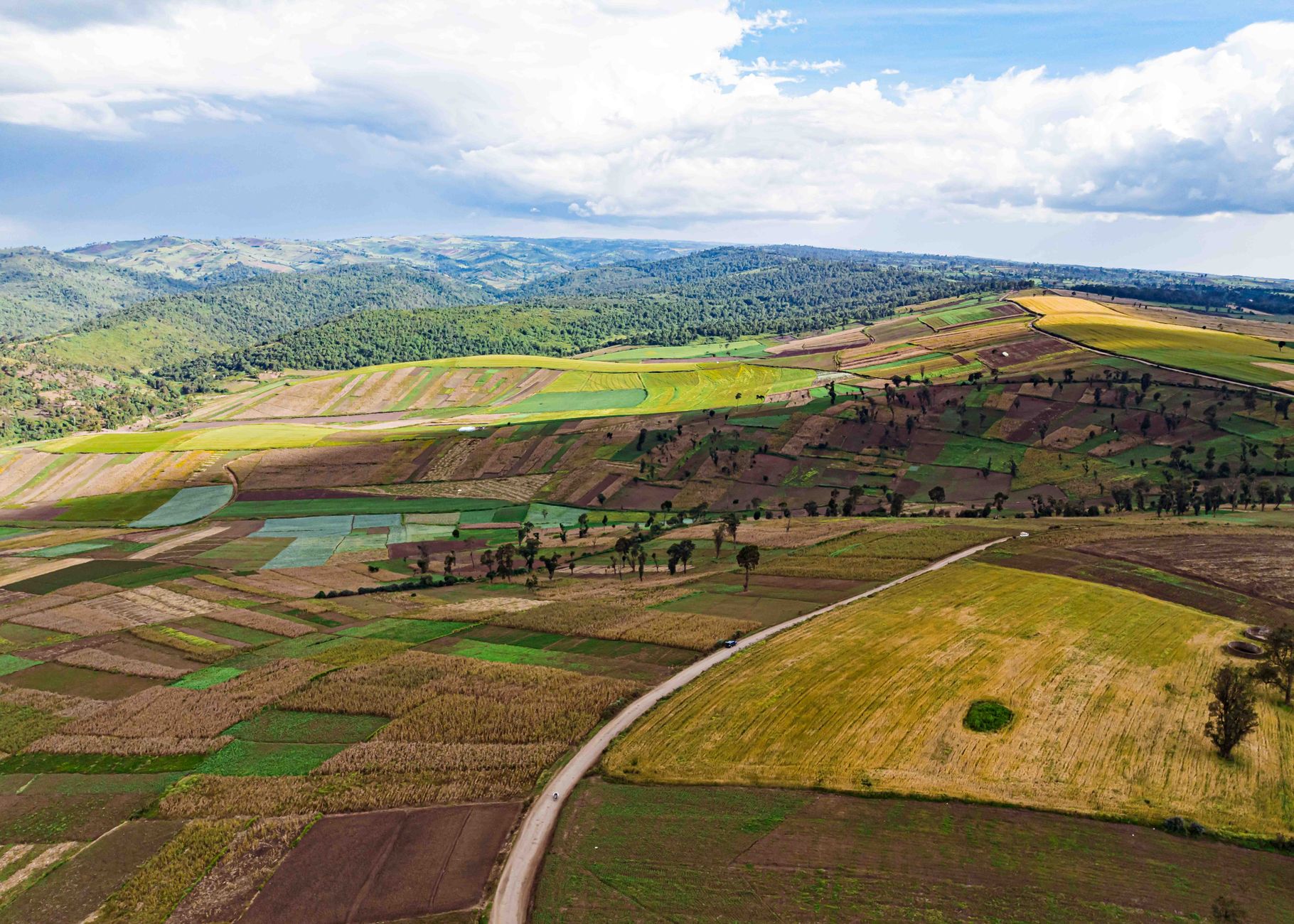
The best window for visiting is October through March, after the rainy season ends and before the heat of the dry months peaks. During this period, the plateau grasses are still green from the rains, temperatures in the highlands stay manageable, and the morning light across the sandstone massifs of Gheralta turns the landscape a shade of amber that photographers work hard to describe and usually fail. Bring serious walking shoes. The approaches to cliff churches involve loose scree, exposed ledges, and altitude – Gheralta sits above 2,000 meters.
Accommodation in the region has improved steadily. Hawzen, the small market town nearest to the Gheralta cluster, has several guesthouses that are clean and functional. The Gheralta Lodge, set into the rock landscape itself, offers a more structured base for those who want comfort between demanding hikes. Meals across the region lean heavily on injera with various tigrayan stews – notably different in spice profile from Addis Ababa cuisine – and tej, the honey wine that priests and farmers alike pour from clay pots at every social occasion.
For travelers already exploring Africa’s less-visited sacred landscapes – the same instinct that drives people toward Algeria’s Hoggar Mountains rather than the obvious Saharan circuit – Tigray operates on a similar principle: the effort required is real, but it directly determines what you find at the end of the trail.
The Question of Timing and Responsibility
Visiting Tigray now carries a layer of responsibility that most destinations do not demand. The region is still rebuilding – schools, roads, markets, and civic institutions disrupted by the 2020-2022 conflict. Tourism revenue flows directly to local guides, guesthouse owners, and the church communities that maintain these sites with minimal outside funding. Spending money here is not neutral; it is, in a specific and traceable way, useful.
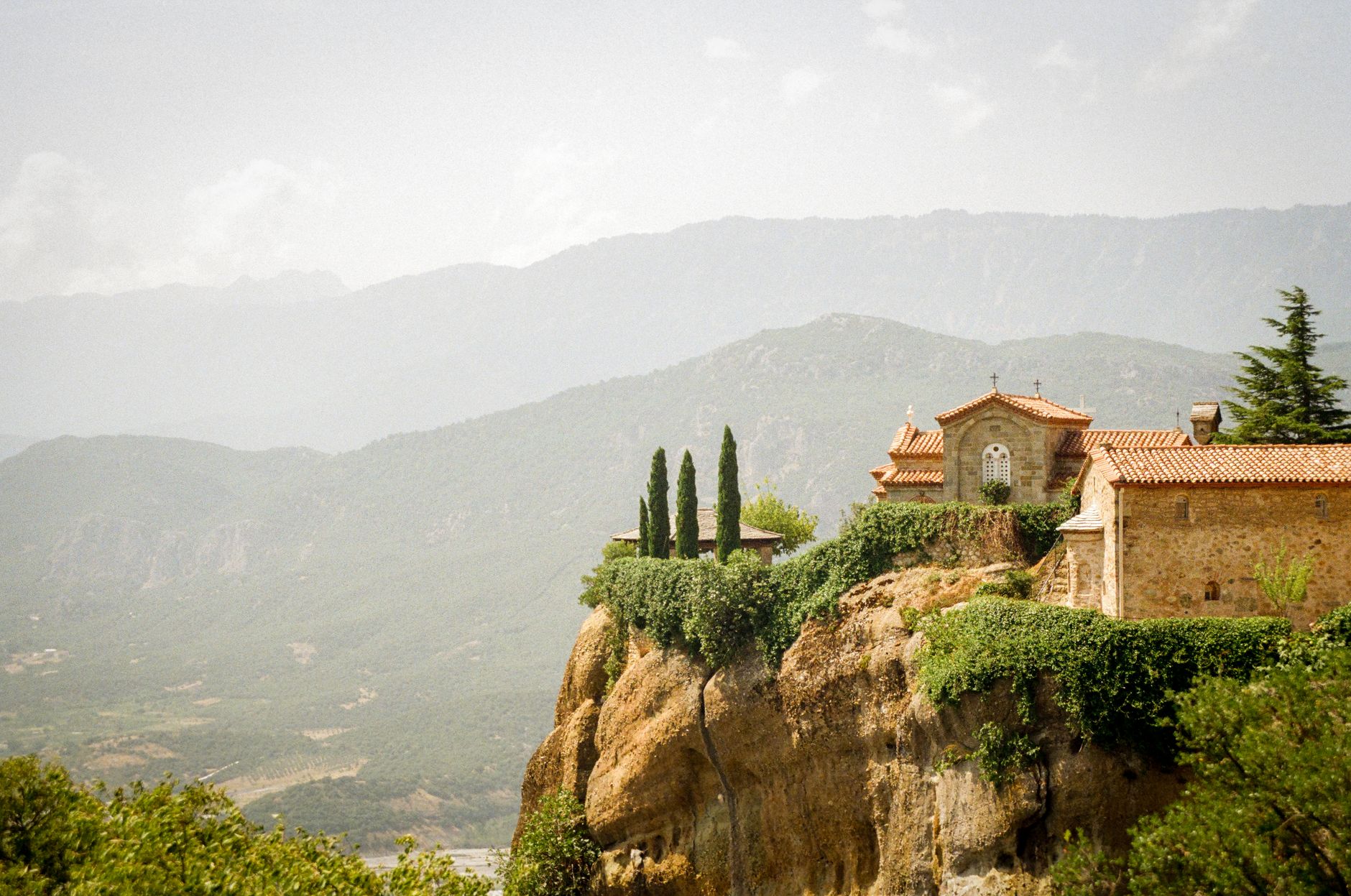
The priests who guard these churches are aging. At several sites, the current custodian is the last of his line with the knowledge to maintain the manuscripts, identify the iconography, and conduct the liturgy that has kept these spaces alive as functioning places of worship rather than museums. Whether the next generation of Tigrayan youth – many of whom lost years of schooling to displacement – will return to these remote highlands and continue that chain of custody is not a question tourism can answer. But arriving while those priests are still there, while the frescoes are still unrestored and unguarded, while the climb to Abuna Yemata Guh still ends in genuine solitude, is a window that history does not guarantee will stay open.