Faroe Islands’ Sørvágsvatn Quietly Rivals Iceland for Optical Illusion Wanderers

The Lake That Shouldn’t Exist – And Why That’s the Point
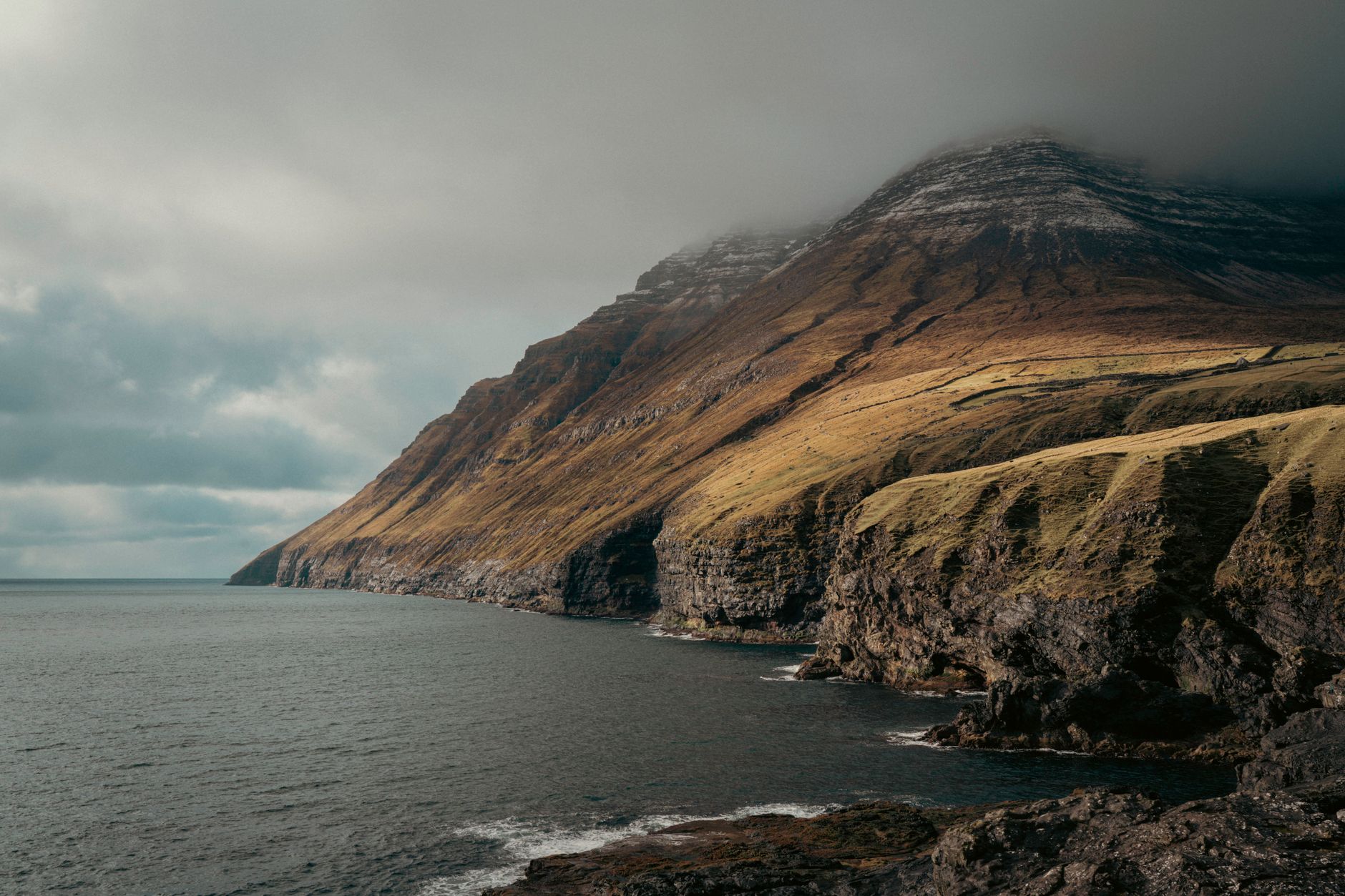
Sørvágsvatn sits on the western edge of Vagar Island in the Faroe Islands, a body of fresh water so visually disorienting that first-time visitors routinely stop walking mid-trail to question what they’re actually seeing. From certain viewpoints along the cliff path, the lake appears to float hundreds of feet above the Atlantic Ocean, suspended impossibly in mid-air like a liquid shelf nailed to the sky. The phenomenon draws a specific kind of traveler – not the resort-bound tourist, not the city-hopper, but the person who specifically seeks out places that challenge the brain’s ability to process physical reality.
Iceland has long dominated this corner of travel – geysers, black sand beaches, Northern Lights, and waterfalls that appear to defy gravity. But Sørvágsvatn quietly offers something Iceland can’t: a single, fixed optical illusion of extraordinary power, accessible via a walk that feels earned but not punishing, in a country so small and uncommercial that the whole experience retains a rawness that larger Scandinavian destinations have largely traded away.
How the Illusion Actually Works
The lake sits at roughly 30 meters above sea level – not particularly high by any geographic standard. The illusion comes from the geometry of the surrounding cliffs, which drop steeply to the ocean on one side while the lake’s far shore aligns with the cliff edge from the perspective of the hiking trail. Standing at the right angle, the visual information your brain receives is that the lake occupies a position well above the water below, because the cliffs beneath are hidden from view. Your eye reads the lake’s surface and the ocean’s surface as two separate horizontal planes at wildly different altitudes, even though the actual difference is modest.
The effect is strongest in overcast light, which is fortunate given the Faroe Islands’ near-permanent cloud cover. When harsh direct sunlight is present, shadows and texture reveal the cliff structure below and partially break the illusion. Flat, diffused Nordic light – the kind that arrives on grey Atlantic mornings between April and September – smooths out depth cues and lets the visual trick run at full strength. Photographers chasing the shot specifically avoid booking trips during the brief summer windows when the islands see consistent sun.
There’s a second illusion layered on top of the first. The lake’s outlet waterfall, which drops directly into the ocean at Bøsdalafossur, appears from certain angles to be falling upward. It’s a consequence of the same geometric trick: because the lake reads as high and the ocean reads as even higher in some compositions, the cascade connecting them seems to defy the direction of gravity. Few single locations on Earth offer two simultaneous optical illusions, and that stacking effect is what separates Sørvágsvatn from other photogenic destinations that traffic in dramatic scenery without the cognitive dissonance.
Getting There Without a Guide
Access to the lake’s most famous viewpoint requires a paid guided hike operated through a local outfit based in Mikladalur. The Faroese government introduced the requirement partly to manage trail erosion and partly to prevent the kind of dangerous cliff-edge behavior that social media-driven destinations tend to attract. The walk itself covers roughly 5 kilometers round trip and takes between two and three hours depending on pace and how long visitors linger at the overlook.
Vagar Island is accessible by direct ferry from the capital Torshavn on Streymoy, or by the undersea tunnel that connects several of the islands. Flying into Vagar Airport – the Faroe Islands’ only commercial airport – and driving directly to the trailhead takes less than 20 minutes. The compressed geography means visitors can experience the lake, a traditional Faroese village, and the dramatic coastal cliffs of Gasadalur in a single day without any sense of rushing.
What Iceland Can’t Replicate
Iceland’s photogenic power is real, but it operates at scale. The Golden Circle routes move thousands of visitors through their sequences of geysers and waterfalls daily, and even the more remote highland tracks have seen trail traffic multiply substantially over the past decade. The infrastructure around the major sites – the parking lots, the visitor centers, the surrounding clusters of tourism-facing businesses – creates a context that, however tastefully managed, softens the sense of isolation that makes a landscape feel genuinely foreign.
The Faroe Islands have a total population under 55,000. Vagar Island, where Sørvágsvatn sits, houses only a fraction of that. There are no souvenir districts around the lake trailhead, no branded experience centers, no shuttle buses running loop routes from a hotel strip. The logistical simplicity forces a different relationship with the landscape – you arrange your own transport, read your own weather window, and time your own arrival. That self-directed quality is something a certain category of traveler finds increasingly hard to replicate in Iceland outside of genuinely remote interior routes that require significant expedition planning.
The comparison to Iceland isn’t about one destination being superior – it’s about what each one delivers. Iceland offers breadth: multiple geological spectacles distributed across a large island, with supporting infrastructure to match. The Faroe Islands offer density: a small archipelago where dramatic landscapes are compressed so tightly that every 20-minute drive produces something visually arresting, without the organizational scaffolding of a mature tourism economy around it. Sørvágsvatn is the clearest expression of that density – a single location that delivers a specific, unrepeatable visual experience, surrounded by a country that hasn’t yet figured out how to package itself.
That packaging question is where the tension lives. Faroese tourism authorities have been carefully managing visitor numbers, aware that the islands’ appeal is directly tied to their resistance to over-commercialization. The guided hike requirement at Sørvágsvatn is a deliberately light intervention – enough to protect the trail, not enough to industrialize the experience. Whether that balance holds as the lake’s reputation spreads further through travel photography communities, where the floating lake image now circulates widely enough to constitute a genuine visual meme, is a question the islands haven’t had to fully answer yet. The moment the infrastructure catches up to the demand may be exactly the moment that makes it worth comparing to Iceland – and exactly the moment the comparison starts to matter less.