
The Reef That the Maldives Crowd Never Found
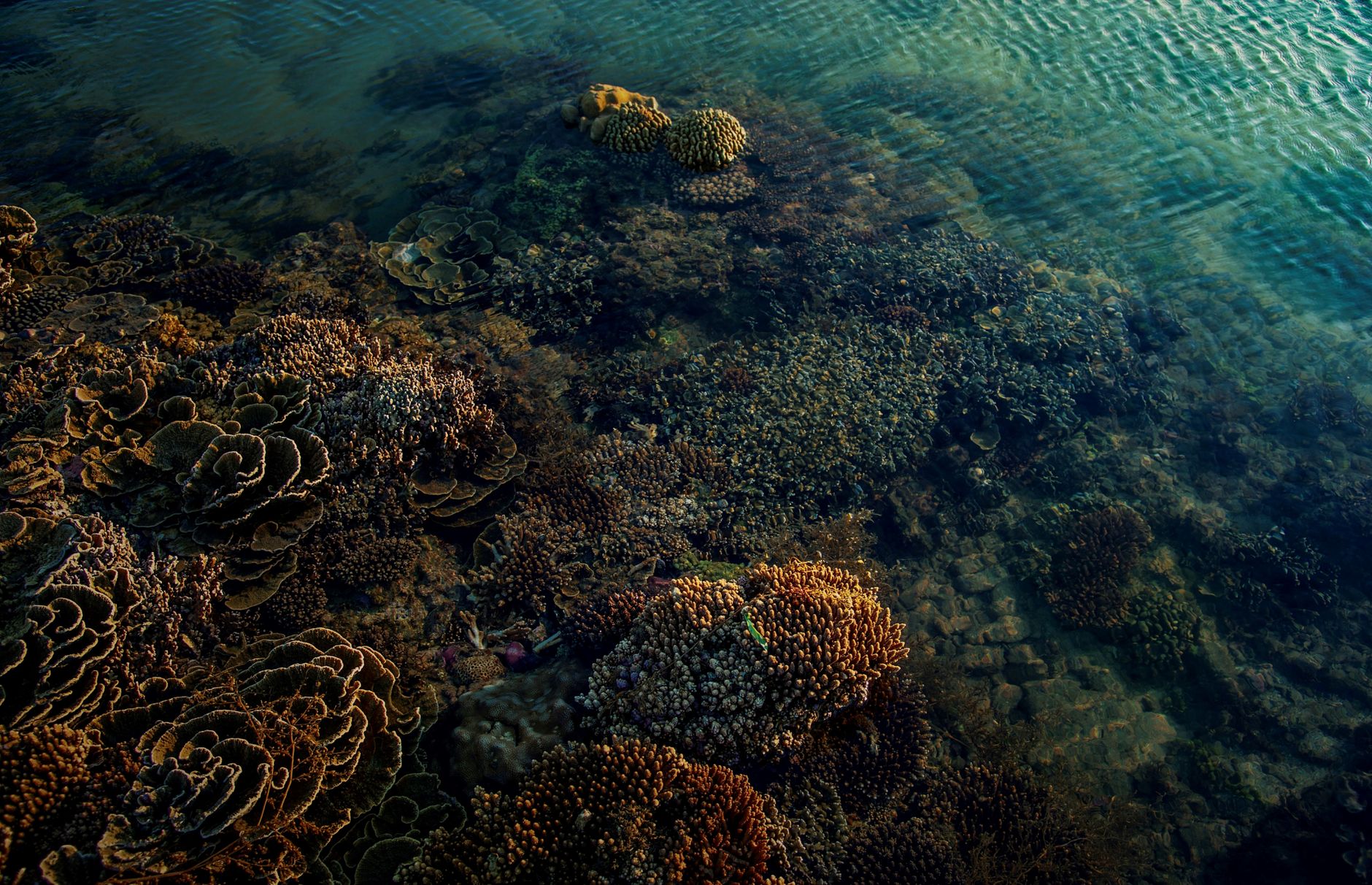
Kadavu Island sits about 100 kilometers south of Fiji’s main island of Viti Levu, connected to the outside world by a small propeller plane or a slow overnight ferry. There are no five-star resorts here, no infinity pools photographed ten thousand times on Instagram, and no celebrity-endorsed dive packages. What Kadavu does have is the Great Astrolabe Reef – the fourth-largest barrier reef system on the planet – wrapping around the island’s southern coastline in a near-unbroken arc of coral that most reef divers have never heard of.
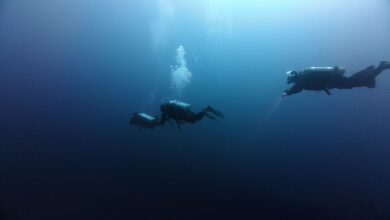
That obscurity is the whole point. While the Maldives has spent decades building a global brand around underwater beauty, Kadavu has stayed exactly as it was: rural, uncrowded, and alive in ways that heavily trafficked dive destinations increasingly are not. The reef here shows minimal bleaching damage compared to many Indo-Pacific sites. Visibility regularly exceeds 30 meters. And on most dive days, a diver might share a site with no one at all.
What the Great Astrolabe Reef Actually Offers
The Astrolabe is not a single dive site but a sprawling network of channels, walls, bommies, and passes that rewards multiple visits across different tidal conditions. The most famous entry points – sites like Naingoro Pass and the various named channels along the reef’s outer edge – funnel strong currents that attract schooling fish in numbers that can feel genuinely disorienting. Barracuda, trevally, and grey reef sharks move through these passes in coordinated masses, while soft corals along the walls bloom in the current like an underwater field.
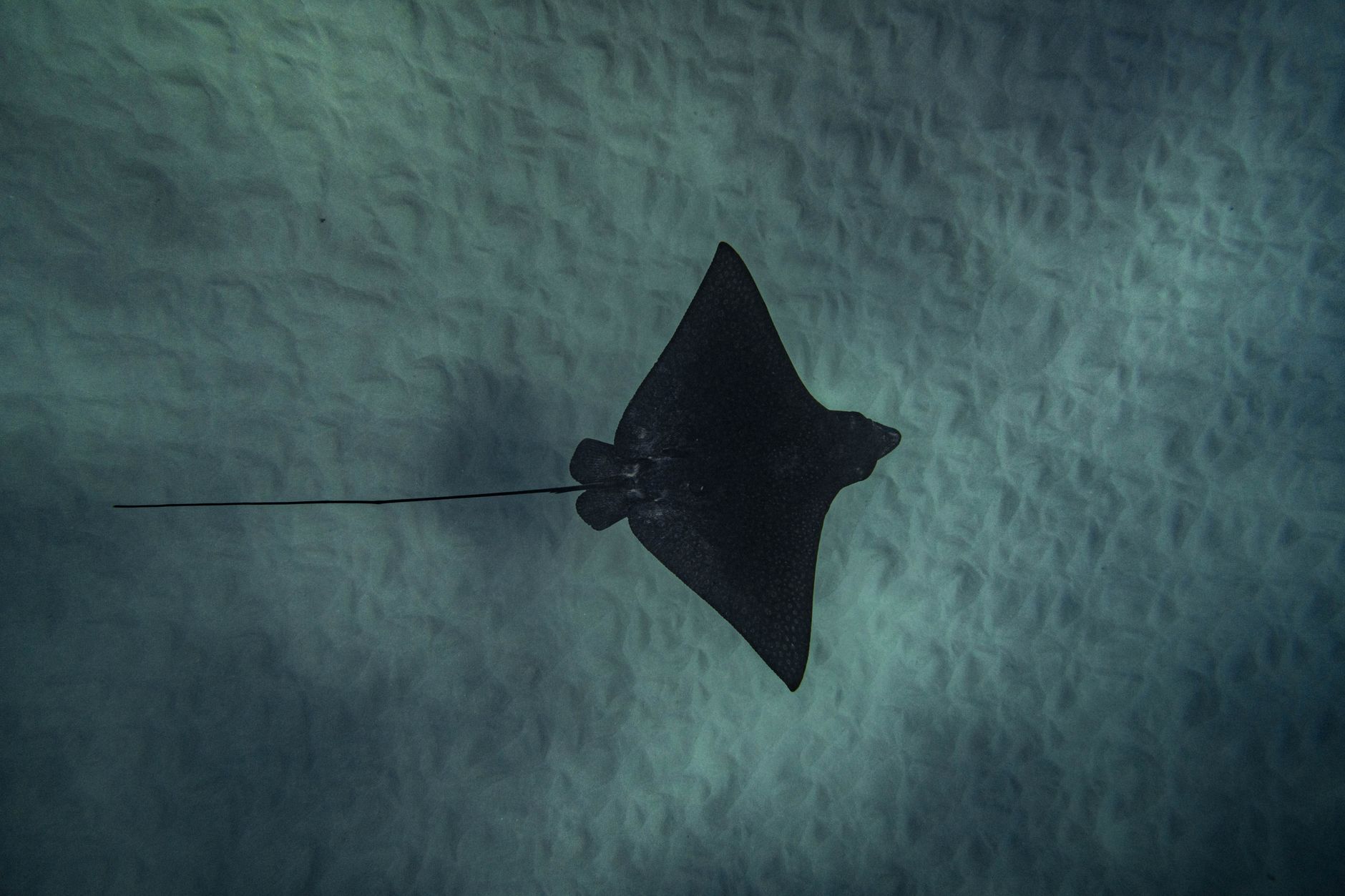
Manta rays are a consistent draw along Kadavu’s outer reef, particularly between May and October when cooler water temps push feeding aggregations close to the surface near cleaning stations. Unlike some destinations where manta sightings are a lottery, Kadavu’s resident population returns to predictable sites with enough regularity that small lodges track individual animals by their spot patterns. It is the kind of marine wildlife encounter that depends entirely on low boat traffic and undisturbed habitat – two things Kadavu has by circumstance rather than design.
The Logistics Honest Divers Should Know
Getting to Kadavu is not complicated, but it requires accepting that convenience is not part of the deal. Flights from Nadi on Fiji’s main island take about 45 minutes on a light aircraft, landing at a small airstrip where the “terminal” is a covered outdoor platform. The ferry alternative is an overnight journey that most divers skip unless they enjoy that kind of travel. Either way, the journey signals clearly what the island is: remote, and intending to stay that way.
Accommodation options are almost entirely small dive lodges and locally owned resorts, most of which hold between six and twenty guests. Rooms are comfortable rather than luxurious – fans over air conditioning in most cases, solar power, and meals built around whatever was caught or grown that day. The trade-off is direct access to dive boats that leave the dock within minutes, no scheduling around large resort groups, and staff who know specific reef sections in the kind of detail that only comes from years of daily diving in one place.
Dive conditions favor intermediate to experienced divers during tidal exchanges at the passes, where current management becomes essential. The calmer bommie sites inside the lagoon are genuinely accessible to beginners, and several lodges offer open-water certification courses in sheltered water before introducing new divers to the outer reef. The honest answer is that Kadavu’s best diving – the wall dives, the shark passes, the manta stations – rewards divers who arrive with some experience and physical comfort in open water.
Budget expectations should be set carefully. Kadavu is not cheap despite its rustic reputation. Remote logistics, boat fuel costs, and small-scale operations mean that all-inclusive dive packages at reputable lodges typically run from around $250 to $450 USD per person per night. That is broadly comparable to mid-range Maldives live-aboards, with the key difference being that Kadavu’s cost reflects operational reality rather than brand premium. Divers who arrive expecting budget travel will be surprised; those who compare the number of dives included against resort prices elsewhere will often find the value reasonable.
Why the Maldives Comparison Holds Up
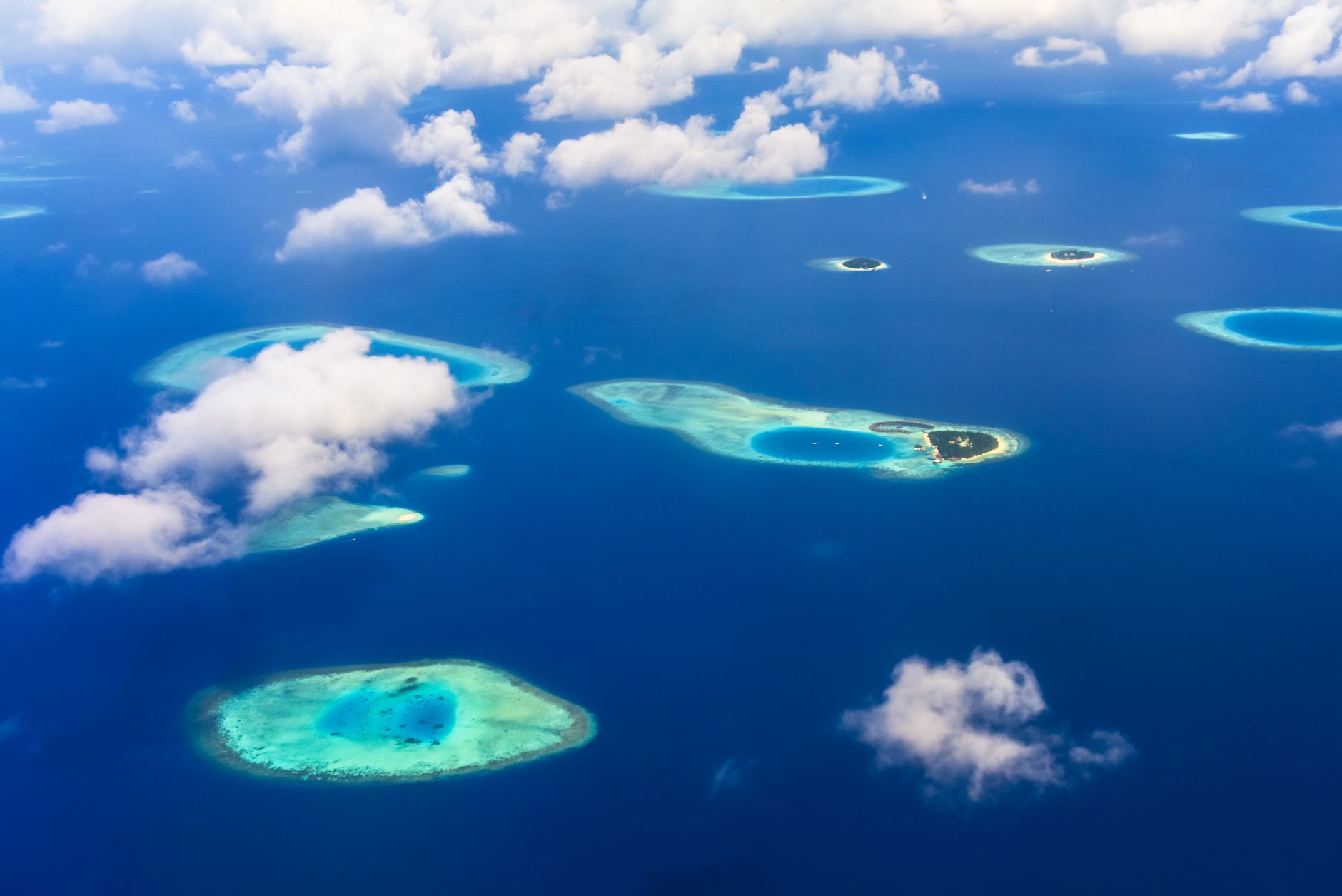
The Maldives comparison is not made carelessly. Both destinations offer atoll-style reef structure, pelagic species encounters, and the kind of marine density that separates them from typical tropical diving. What separates them is saturation. The Maldives’ most celebrated atolls now handle thousands of divers annually across dozens of live-aboards and resort house reefs. Kadavu, by contrast, sees a fraction of that traffic – not because the diving is lesser, but because Fiji as a whole is marketed toward resort experiences on its northern islands, leaving Kadavu to be discovered primarily by word-of-mouth among serious divers.
There is also a coral health argument that matters beyond marketing. The Astrolabe’s hard coral coverage, particularly along its deeper walls and in the current-flushed passes, remains dense in areas where comparable reefs in more trafficked regions have declined over the past decade. This is not a guarantee – reef systems globally face pressures that no single location fully escapes – but the reduced anchor damage, the near-absence of sunscreen runoff from large resort populations, and the limited dive traffic contribute to conditions that experienced divers notice immediately.
The Window That May Not Stay Open Indefinitely
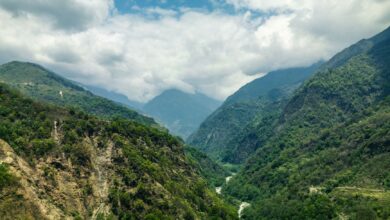
Kadavu is not a secret in any absolute sense – dedicated dive travel forums have discussed it for years, and a small number of international dive publications have covered it in passing. But mass attention has not arrived, and the island’s infrastructure has not expanded to accommodate it. There are no plans for a large resort development that anyone has publicly announced, and the island’s geography – heavily forested, with limited flat coastal land – makes rapid development unlikely in the near term.
What that means practically is that Kadavu sits in the category of destinations where the gap between what it offers and how many people know about it remains genuinely wide. The divers who show up now get undivided guide attention, dive sites with no mooring ball queues, and a reef that has not yet been loved to exhaustion. Whether that holds for five more years or fifteen depends on factors the island itself cannot control – flight connectivity, Fiji’s broader tourism marketing, and the speed at which underwater photography continues to circulate images that make obscure reefs suddenly famous. The Great Astrolabe has already appeared in enough competition-winning dive photographs that the question is less whether attention is coming, and more when.