
Where the Road Ends and the Real Georgia Begins
Kazbegi has the Instagram feed, the glossy travel supplements, and the queue of four-wheel drives idling outside guesthouses in Stepantsminda. Tusheti has something harder to photograph: the feeling that you arrived somewhere people did not expect you, and that the landscape has not yet adjusted its behavior for visitors. That distinction matters more than any trail rating or altitude statistic.
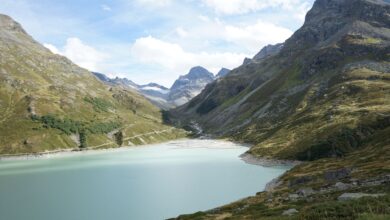
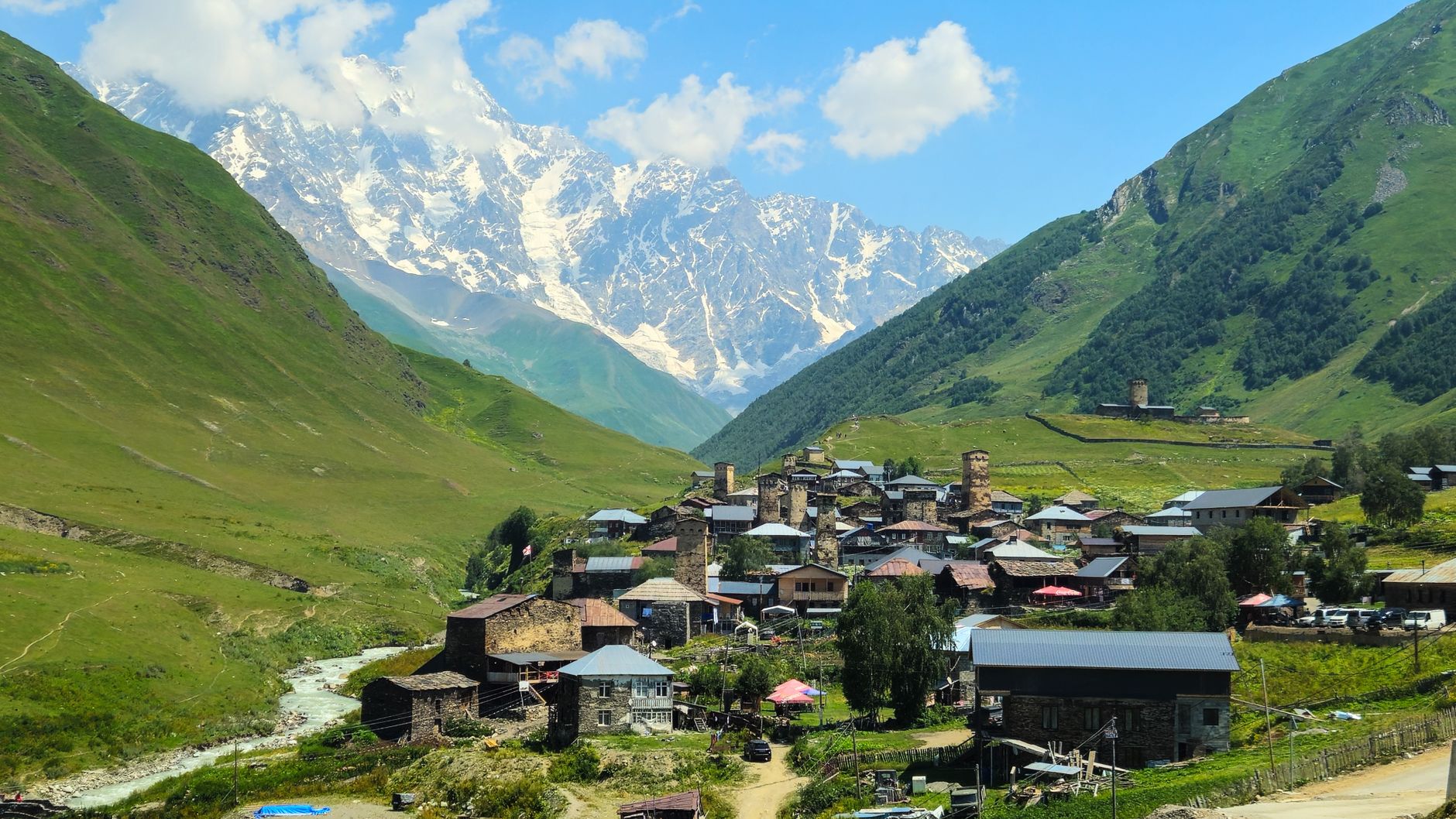
Tucked into Georgia’s northeastern corner along the border with Dagestan, the Tusheti region sits at elevations that make Kazbegi feel like a warm-up. Its medieval stone towers, high-pasture villages, and near-vertical access road have kept it off the mainstream circuit for years – not because it lacks beauty, but because reaching it demands a level of commitment that filters the crowd before it even forms.
The filtering is part of the point.
The Road Over Abano Pass
Getting to Tusheti means crossing the Abano Pass, a dirt track that climbs to roughly 2,850 meters and earns its reputation through hairpin bends, sheer drops, and sections wide enough for one vehicle if neither driver blinks. Most rental car agreements in Tbilisi specifically prohibit this road, which tells you everything about its condition and nothing about why thousands of people attempt it each summer anyway. The answer is simple: there is no other way in, and the reward on the far side makes the knuckle-whitening ascent feel like fair payment.
The pass is only open from roughly late June through September, depending on snow conditions. That three-month window concentrates the entire visitor season into a narrow corridor of warm weather, which means the villages of Omalo, Dartlo, and Shenako experience something between quiet activity and genuine remoteness for the other nine months of the year. During winter, most Tushetian families descend to the lowland village of Alvani, leaving the highland settlements to snowfall and silence. The seasonal abandonment gives Tusheti a character that permanently occupied tourist destinations simply cannot replicate – the sense that you are a guest in a place that exists for reasons other than your arrival.
Omalo, the administrative center of the region, splits into upper and lower sections. Upper Omalo holds a cluster of medieval defensive towers in various stages of preservation, commanding views across the Alazani River gorge that no lodge terrace or observation deck could improve upon. These towers were not built for aesthetics – they were watchtowers and refuges in a landscape where conflicts with neighboring clans were a recurring fact of life. Standing inside one, with the wind pulling at the walls and the valley dropping away below, the design logic is immediate and visceral.
Villages, Trails, and the Logic of Slow Travel
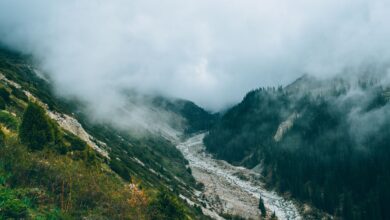
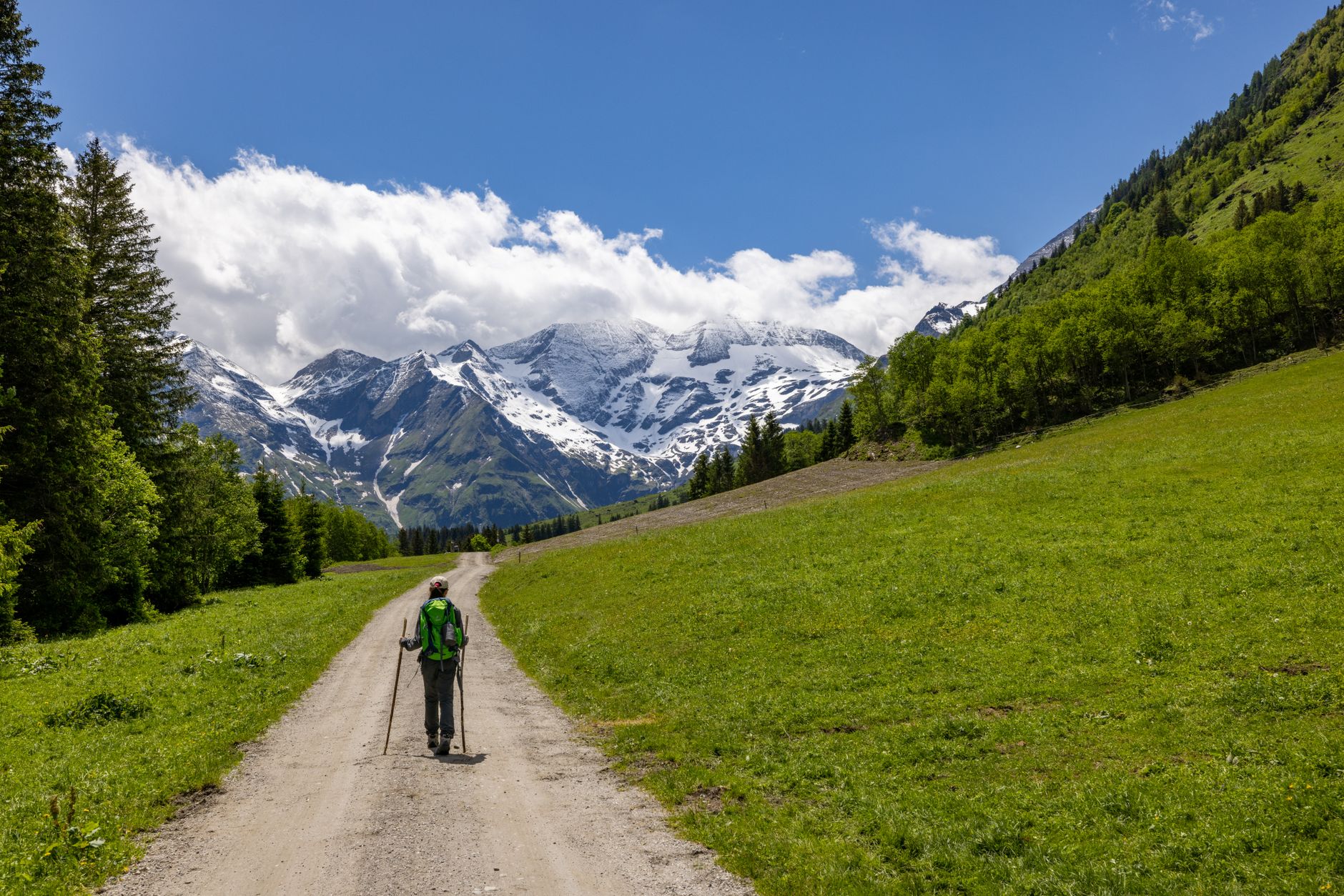
The multi-day trek connecting Omalo, Dartlo, and Parsma runs through high-alpine terrain that shifts character every few hours – open meadow giving way to narrow gorge, then sudden ridge lines with views into Russia’s North Caucasus. Unlike the well-marked trail corridors of Kazbegi, Tusheti’s hiking routes remain loosely signposted at best. This is not a failure of infrastructure; it is a consequence of a place where the assumption is that walkers come prepared, or come with someone who knows the way. Local guides from Omalo and Dartlo operate small trekking outfits, and hiring one changes the experience from navigation exercise to cultural conversation. These guides tend to be Tushetians who split their year between highland summers and lowland winters, carrying a practical knowledge of the terrain that no printed map translates.
Dartlo deserves more attention than it typically receives. The village sits at the end of a side valley, accessible by a rough track from the main Tusheti road, and its stone houses and towers are among the best-preserved in the region. A handful of family guesthouses operate here during summer, offering meals built around local cheese, dried meats, and the corn bread called mchadi – food that arrives without ceremony and tastes better for it. The guesthouses are basic, the beds functional, the electricity intermittent. Travelers who treat that as a drawback are probably better off in Stepantsminda, where the new boutique lodges have excellent Wi-Fi and mountain views through floor-to-ceiling glass.
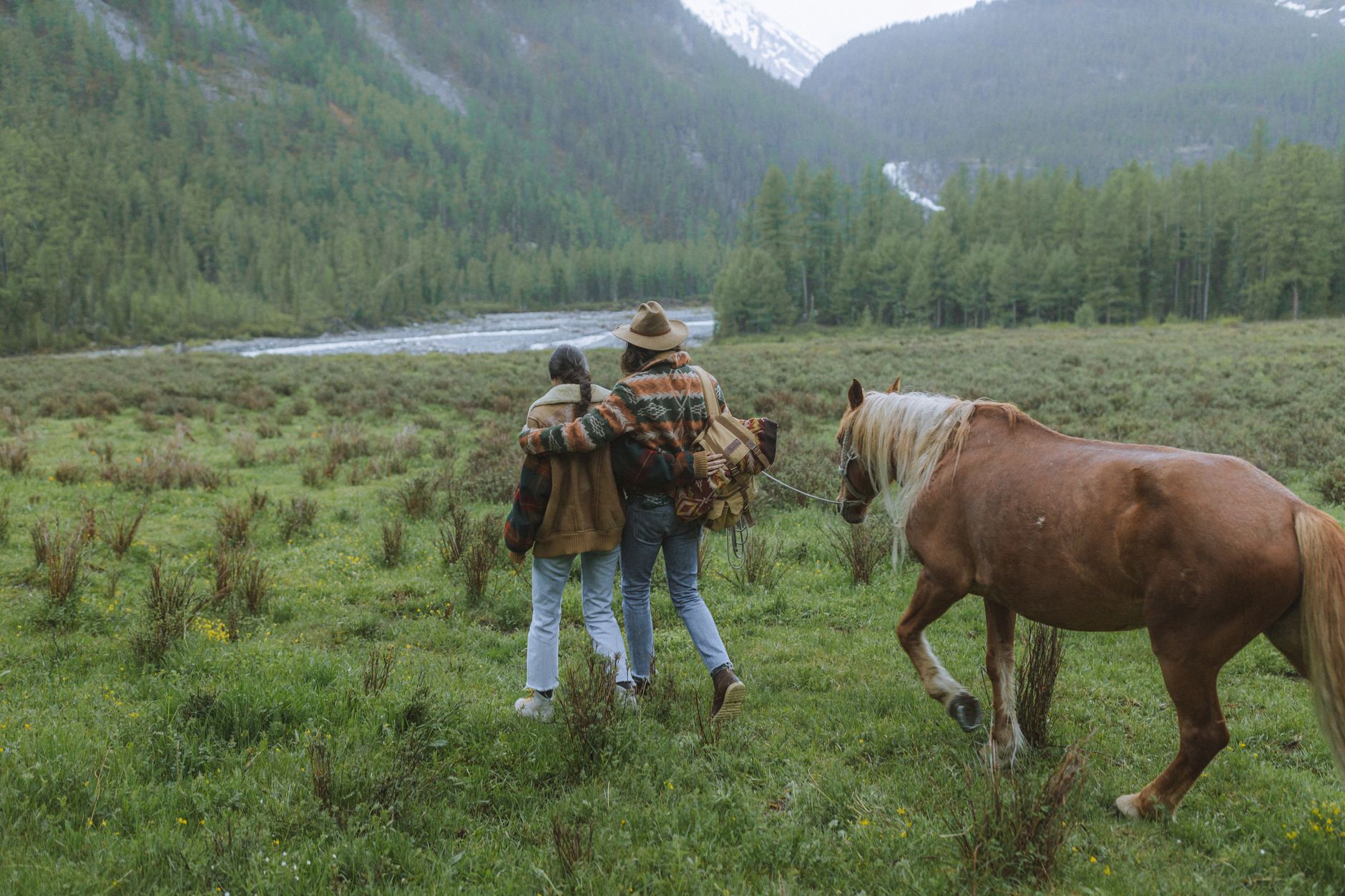
For those who have already explored Lesotho’s Sani Pass and developed a taste for high-altitude roads that reward patience over speed, Tusheti operates on recognizable logic: the access barrier creates the experience, and the experience is inseparable from the effort. Horseback riding remains a practical transport option between villages, and renting a horse for a day or multi-day journey through the high pastures is neither a novelty activity nor a tourist performance – it is how people in this landscape have moved for centuries, and the horses know the trails better than most GPS units would.
Why Tusheti Will Not Stay Quiet Forever
Georgian tourism authorities have begun paying closer attention to Tusheti, and the infrastructure, however slowly, is shifting – new signage, improved campsite facilities, a growing number of English-speaking guides operating out of Tbilisi-based adventure companies. The Abano Pass road itself has been the subject of improvement discussions for years, with periodic work on drainage and surface stability. None of this has yet produced the kind of accessible ease that drives mass visitation, but the direction of travel is clear: what takes genuine planning today may require only moderate effort within a decade, and the crowd that Kazbegi now carries will need somewhere to go next.