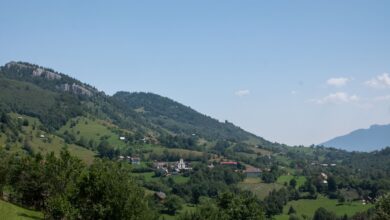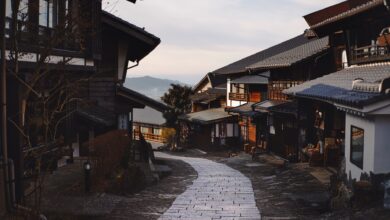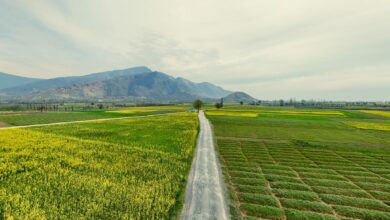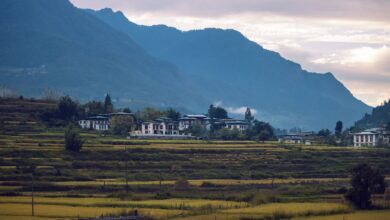

Kazbegi gets the Instagram posts, the tour buses, and the Gergeti Trinity Church silhouetted against Mount Kazbek on a thousand travel feeds. But serious hikers who have pushed deeper into the Caucasus are starting to talk about Tusheti – a remote northeastern region of Georgia that sits above 1,500 meters and stays cut off from the rest of the country for nearly half the year.
A Region That Does Not Make Getting There Easy
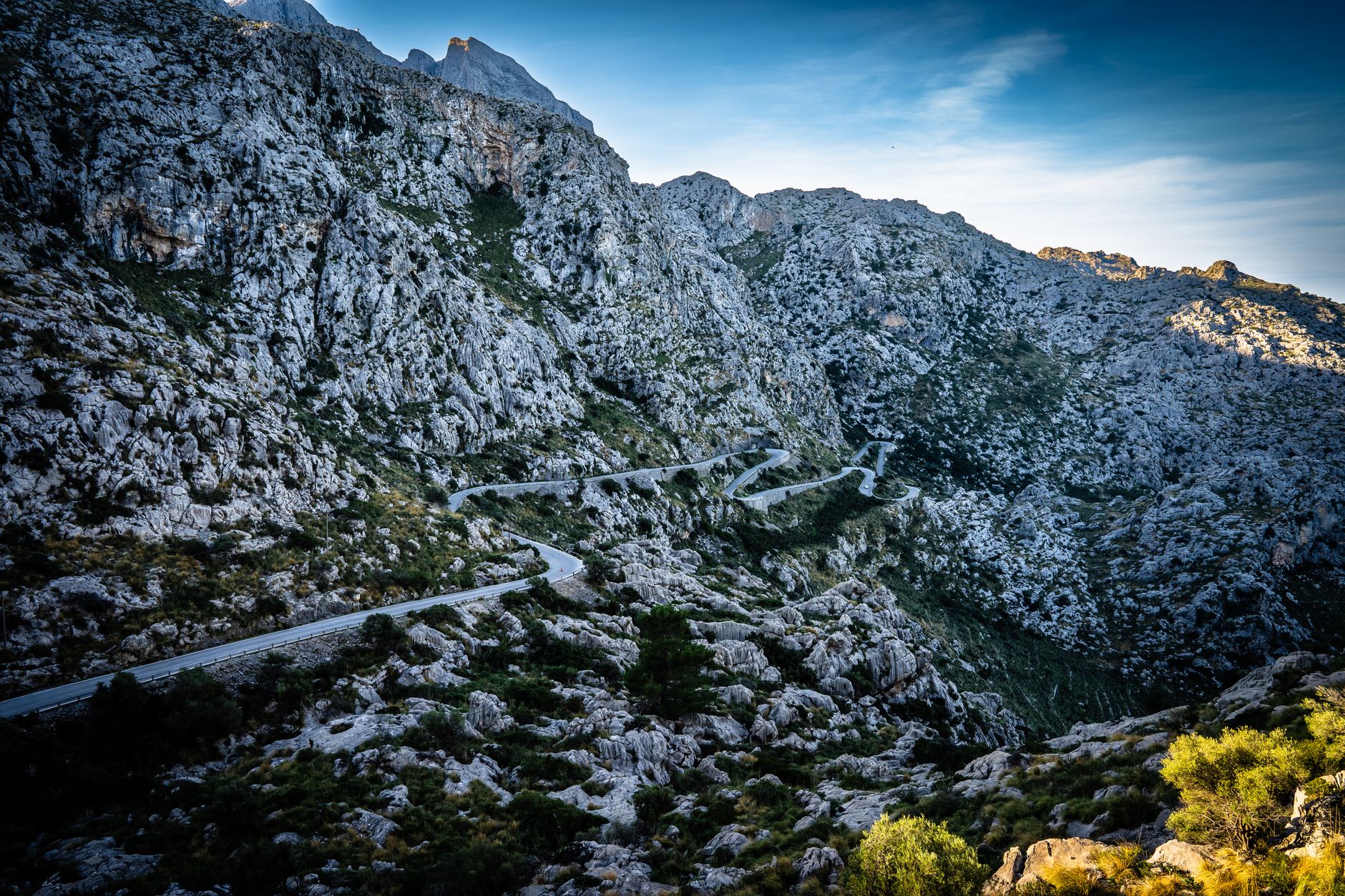
The only road into Tusheti – the Abano Pass – climbs to 2,926 meters and ranks among the most dangerous mountain roads in the world. Unpaved, narrow, and sheer-dropped, it typically opens in late May or early June and closes again with the first heavy snowfall of autumn. This is not a destination that tolerates casual drop-ins. You commit to it before you arrive.
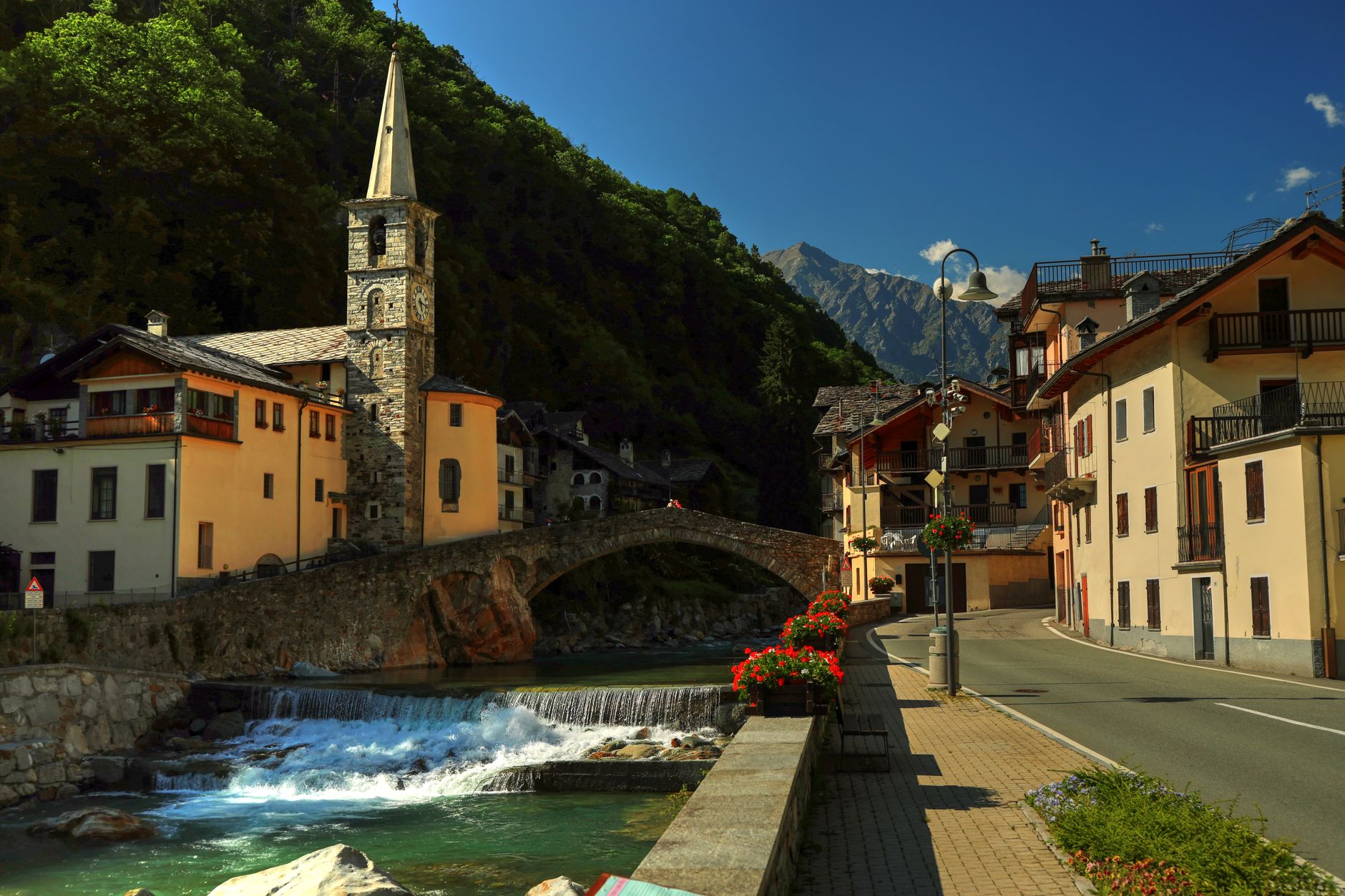
That barrier is precisely what has preserved it. The villages of Tusheti – Omalo, Dartlo, Shenako, Diklo – have stone towers dating back centuries, built by Tushetian clans for defense against northern raids. Many of these towers still stand without restoration work, leaning slightly under their own age, which is a very different experience from visiting a heritage site that has been cleaned up for visitor comfort. Walking through Dartlo feels less like tourism and more like trespassing on a place that forgot to invite anyone.
The permanent population of the region drops dramatically in winter when most Tushetians descend to the lowlands, a seasonal migration pattern they have maintained for generations. In summer, guesthouses open, shepherds bring flocks up to high pastures, and the villages briefly animate. The rhythm is entirely agricultural and climatic, not driven by tourist seasons in any conventional sense.
Omalo, the administrative center of the region, sits at roughly 1,800 meters and serves as the main base for most trekkers. From here, trails branch out toward the Greater Caucasus ridge, into side valleys where rivers run turquoise from glacial melt, and along ridgelines that on clear days reveal uninterrupted mountain panoramas reaching into Russia and Chechnya to the north.
What the Trails Actually Offer
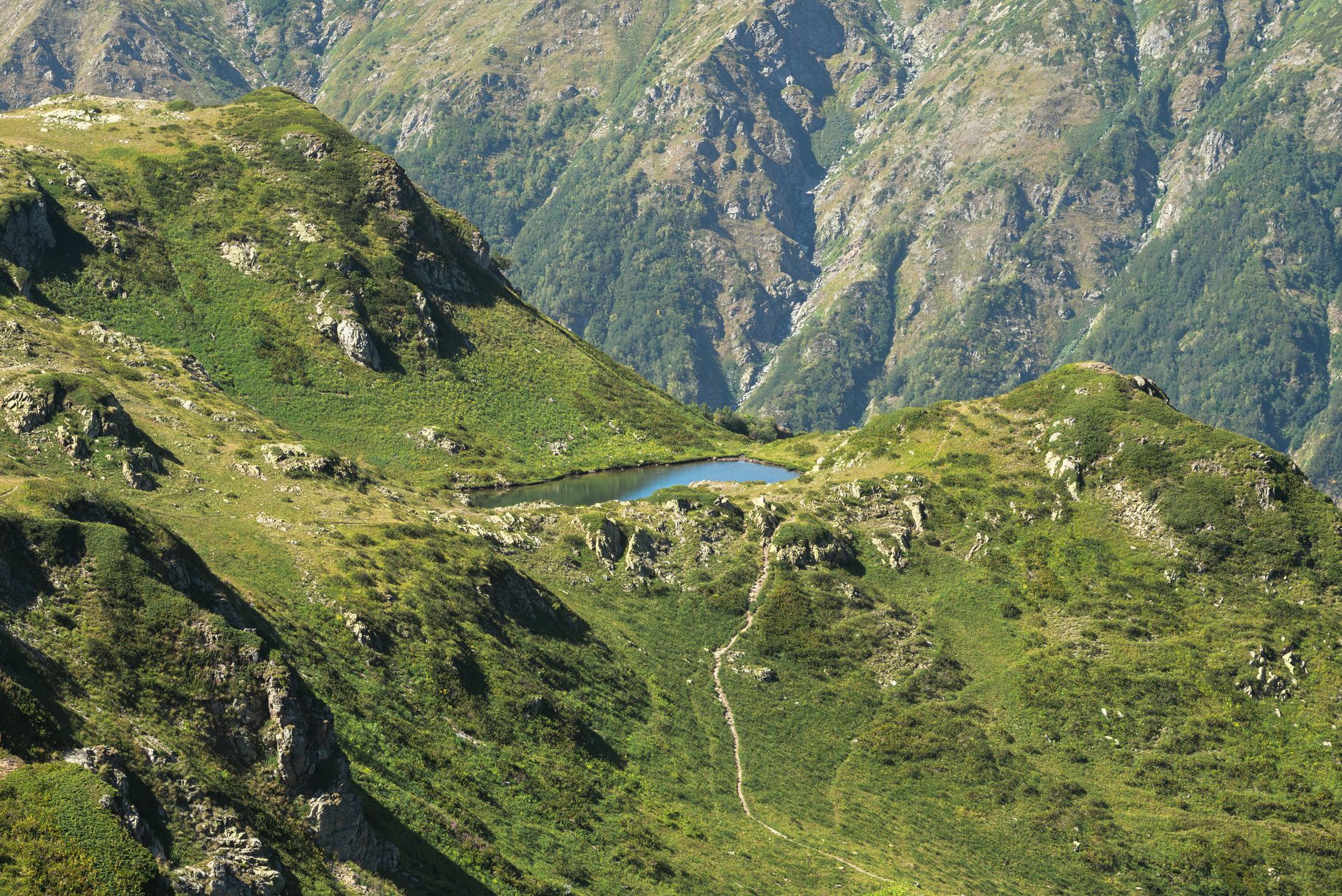
The Tusheti-Khevsureti traverse is the route that gets mentioned most often among long-distance hikers. It connects two of Georgia’s remote highland regions across a high alpine pass, typically taking four to six days depending on pace and weather. The path crosses through terrain that includes alpine meadows, glacial moraines, and dense pine forest at lower elevations – all without a single cable car, marked resort trail, or rescue helicopter on standby. Preparation and self-sufficiency are not optional extras here.
Shorter loops out of Omalo are more accessible but still demanding. The trail to Diklo, a village perched close to the Russian border, crosses open ridgelines where the wind comes in hard and the path occasionally disappears under late-season snow patches well into July. The reward is a village so remote that reaching it by any means other than foot or four-wheel drive is not realistic. Diklo’s towers are older and less visited than Dartlo’s, and on a quiet afternoon the place has a quality that is genuinely hard to name – not quite solitude, because the mountains are too present, too loud with wind and water.
Wildlife in Tusheti is not guaranteed viewing, but the region is home to Caucasian tur, a wild goat species endemic to the Greater Caucasus, along with brown bears and wolves. The Tusheti Protected Areas designation covers a significant portion of the region and limits certain development activities. Trekkers occasionally spot tur on high rocky slopes at dawn, and evidence of bear activity – overturned stones, scratched bark – appears regularly along forest trails without the bears themselves showing up to confirm it.
Guesthouses in Omalo and a few other villages offer bed-and-breakfast style accommodation that keeps costs low and contact with locals high. The food runs heavily to cheese, flatbread, and grilled meat, all of it local. Tushetian cheese – a sharp, crumbly variety aged in brine – is a specific regional product worth seeking out. Meals happen communally, chacha (Georgian grape spirit) appears with minimal prompting, and conversation about weather, wolves, and road conditions is essentially guaranteed.
The Alazani River, which begins its long descent through the Alazani Valley from Tusheti’s high terrain, provides a physical and conceptual anchor to the region. Following it upstream from where it runs clear and fast near Omalo gives a sense of how this landscape feeds into the lowland Georgia that most visitors know – the vineyards of Kakheti, the broad valley floor, the road to Tbilisi. Up here, none of that feels close.
How Tusheti Compares to Kazbegi
Kazbegi – officially renamed Stepantsminda – is not a bad destination. Mount Kazbek at 5,047 meters is a genuine high-alpine objective, and the Gergeti Trinity Church is one of the most photographed sites in the Caucasus for reasons that become obvious in person. But Kazbegi now runs shuttle buses from Tbilisi, hosts boutique hotels charging European prices, and sees enough daily visitors in summer that trail erosion around Gergeti has become a management concern. The infrastructure has grown to match the demand, which changes the character of the place.
Tusheti has no shuttle bus. The road in requires either a high-clearance four-wheel-drive vehicle with a driver experienced on mountain terrain, or the kind of nerve that comes with accepting you are not entirely in control. Guesthouses book out in peak season – late June through August – but the scale of tourism remains small enough that arriving in Dartlo on a Tuesday afternoon still feels like arriving somewhere that was not expecting you. For travelers who find that quality worth a difficult approach, the comparison with Kazbegi becomes less about scenery and more about what kind of solitude is still available at a reasonable distance from a major European capital.
Tbilisi is roughly five hours from Omalo under good road conditions, which means Tusheti sits within range of a week-long trip without dominating it. The question for any serious alpine traveler is whether they want to spend that week where the infrastructure already exists to support them, or where it barely does. Tusheti does not meet you halfway – and that is exactly why people who go there keep going back.