Georgia’s Tusheti Region Quietly Rivals Kazbegi for Tower Village Wanderers

The Road Less Taken in the Greater Caucasus
Kazbegi gets the postcards. Tusheti gets the towers.
Why Tusheti Stays Off the Radar
The Abano Pass is the main reason Tusheti remains a place that most travelers hear about but never actually visit. At roughly 2,850 meters, it ranks among the highest and most technically demanding mountain roads in the Caucasus, and it is only open from late June through October when weather and snowmelt permit. Four-wheel drive is not optional – it is the baseline requirement. Even seasoned off-road drivers have turned around midway through the 70-kilometer ascent from the Alazani Valley floor. The pass is unpaved, heavily eroded, and lined with sheer drops that are not for the vertigo-prone.
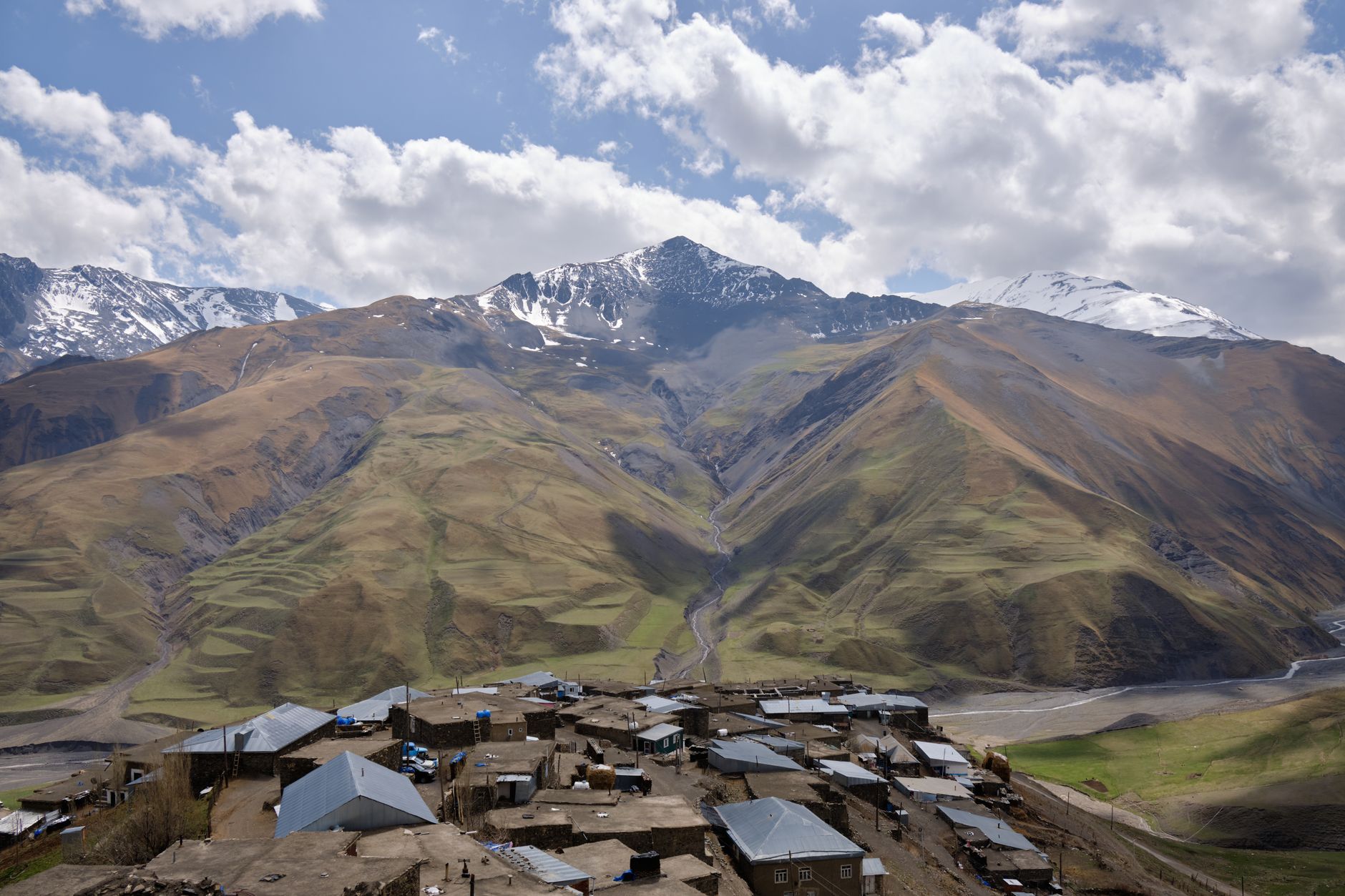
That access barrier has, paradoxically, preserved exactly what draws people to mountain Georgia in the first place. The villages of Omalo, Dartlo, Shenako, and Diklo sit largely intact, their medieval defensive towers rising from ridgelines as they have for centuries. Unlike Kazbegi, where the town of Stepantsminda has grown into a structured tourist hub with hotels, restaurants, and shuttle vans running continuously to the Gergeti Trinity Church, Tusheti’s infrastructure is minimal by design and by default. Guesthouses are family-run, meals are communal, and electricity sometimes runs on generators.
The Tushetians themselves spend only the summer months in these highlands. By October, before the pass closes, families descend to their winter villages in the Kakheti lowlands, leaving the stone settlements empty for eight to nine months of the year. This seasonal rhythm means visitors are essentially guests in a living cultural migration – one that has continued for generations without interruption and without much outside interference.
Kazbegi, by contrast, operates year-round. The Georgian Military Highway connecting Tbilisi to Stepantsminda is paved, well-maintained, and passes through the Dariali Gorge with dramatic scenery that has made it a staple day-trip from the capital. Hundreds of visitors arrive daily in peak summer. The comparative solitude of Tusheti, which might see a fraction of that footfall across an entire week, is not incidental. It is structural.
The Tower Villages Up Close
Dartlo is the village that photographers and architecture enthusiasts tend to fixate on first. Its cluster of towers and stone dwellings sits at the edge of a forested gorge, with the Pirikiti Alazani River running below and pine-covered slopes rising sharply behind. The towers here were built primarily between the 13th and 17th centuries, constructed as both watchtowers against raiders from Dagestan and as status markers within Tush clan society. The taller your tower, the more prominent your family. Some reach five or six stories, tapering slightly as they climb, built from dry-stacked schist with almost no mortar.
Omalo, divided into Lower and Upper sections, serves as the administrative and logistical center of the region. Upper Omalo’s fortress complex sits on a hill overlooking the valley and is the most visited site in Tusheti – though “most visited” is relative language here. Shenako, a few kilometers further east, is quieter still and often described by repeat visitors as the village that feels most frozen in time. Diklo, near the Dagestani border, requires additional travel beyond the already arduous approach and sees very few outsiders at all.
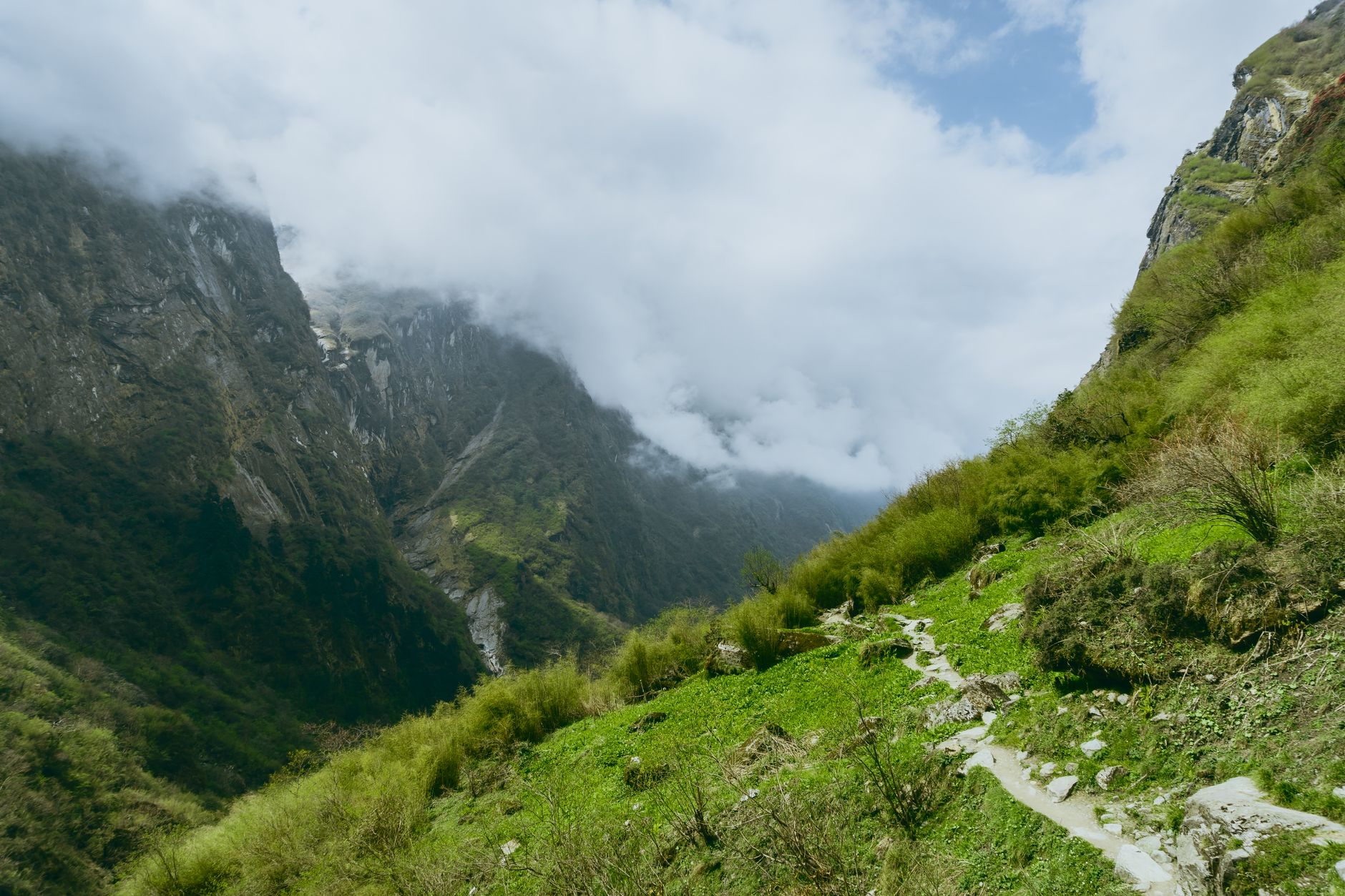
Hiking between villages is where Tusheti distinguishes itself most clearly from Kazbegi. The Kazbegi trails, particularly around Gergeti and the Truso Valley, are well-marked and increasingly crowded during July and August. Tusheti’s trails are longer, less marked, and cross high passes that demand full-day commitment. The route connecting Omalo to Shenako to Diklo takes multiple days if done properly, with altitude gains that push beyond 3,000 meters on certain sections. Guides are available through local guesthouses and are worth considering not just for navigation but for context – the landscape holds layers of Tush history that are not visible in signage.
Wildlife sightings are more common in Tusheti than most visitors expect. The region sits within Tusheti National Park and the adjacent protected areas, and the combination of low human traffic and dense forest cover makes chance encounters with Caucasian roe deer, chamois, and occasionally brown bear a real part of the experience rather than an optimistic footnote in a brochure. Birding is also strong, with raptors riding thermals above the ridgelines throughout summer.
Food in Tusheti follows the same logic as everything else here – functional, local, and made without concession to tourist preference. Khinkali (the Georgian soup dumpling) appears at most guesthouse tables, but the Tush version is often stuffed with wild herbs or lamb from local flocks. Tenili, a distinctive pulled-cheese from the region, is produced by local families and bears little resemblance to the milder versions sold in Tbilisi markets. Guesthouses typically charge an all-inclusive daily rate covering accommodation, dinner, and breakfast, which is the most practical arrangement given that there are no standalone restaurants in the remote villages.
Practical Realities for the Committed Traveler
Getting to Tusheti without a 4×4 vehicle is possible but requires arranging transport from Telavi or Alvani, the nearest lowland towns with reliable services. Marshrutkas – shared minivans – run to Omalo during the open season, but schedules are irregular and seats fill quickly on weekends when Georgian domestic travelers make up a significant portion of the visitors. Booking guesthouse accommodation in advance through Georgian travel forums or regional tourism platforms is strongly advised, particularly for July, when demand outpaces the limited bed count. There is no cell service along much of the Abano Pass and service in the villages themselves is patchy at best, so downloaded offline maps and pre-arranged contact with your guesthouse before departure are not optional courtesies – they are basic logistics.

The honest comparison with Kazbegi is not that one region is better than the other. Kazbegi is spectacular, and its accessibility makes that spectacle available to a much wider range of travelers. Tusheti operates on different terms entirely. It asks more – more preparation, more physical effort, more tolerance for uncertainty – and what it returns is a version of mountain Georgia that has not yet adjusted itself to the expectations of the visitor. Whether that changes as Georgian tourism continues to grow is an open question that the Tush families descending the Abano Pass each October probably think about more than anyone.