
Where the Towers Still Stand
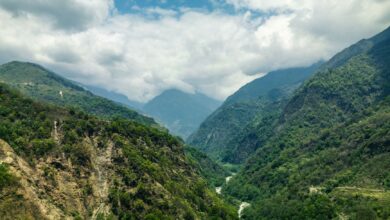
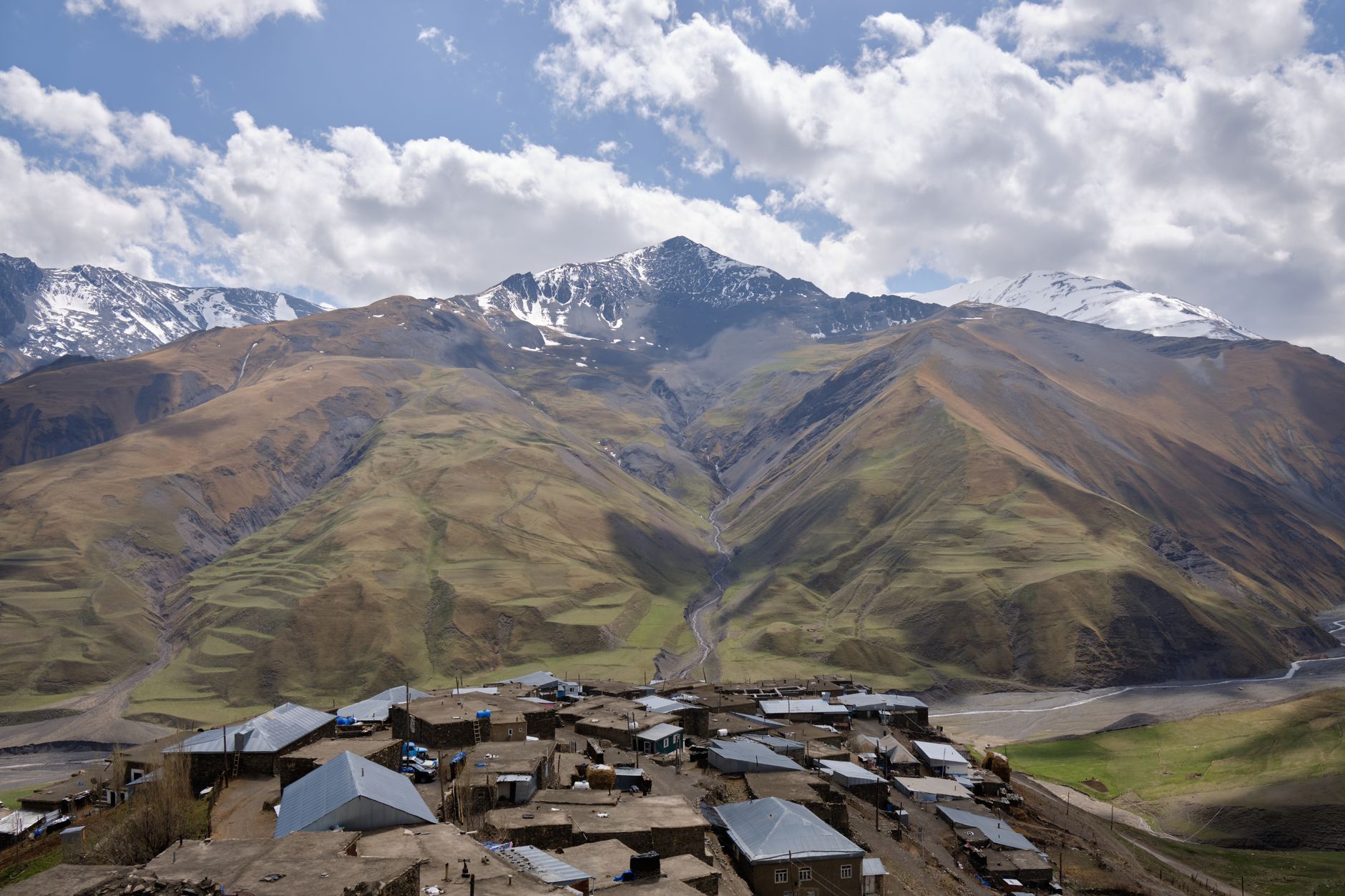
Tucked into the northeastern corner of Georgia, the Tusheti region sits at elevations that make most mountain destinations feel modest by comparison. Villages here perch above 2,000 meters, accessible for only a few months each year via one of the most vertigo-inducing roads in the Caucasus – a gravel track over the Abano Pass that has no guardrails and no apologies. The reward for surviving it is a landscape that looks genuinely untouched: stone towers rising from ridge lines, ancient churches locked in silence, and a pastoral way of life that has resisted outside influence for centuries.
The Caucasus circuit for most travelers runs through Tbilisi, Kazbegi, maybe a swing through Kakheti for wine. Tusheti sits further east, harder to reach, and almost entirely off the mainstream radar. That obscurity is exactly what makes it worth the trouble – and increasingly, a small but serious community of travelers is starting to notice.
The Architecture That Defines the Region
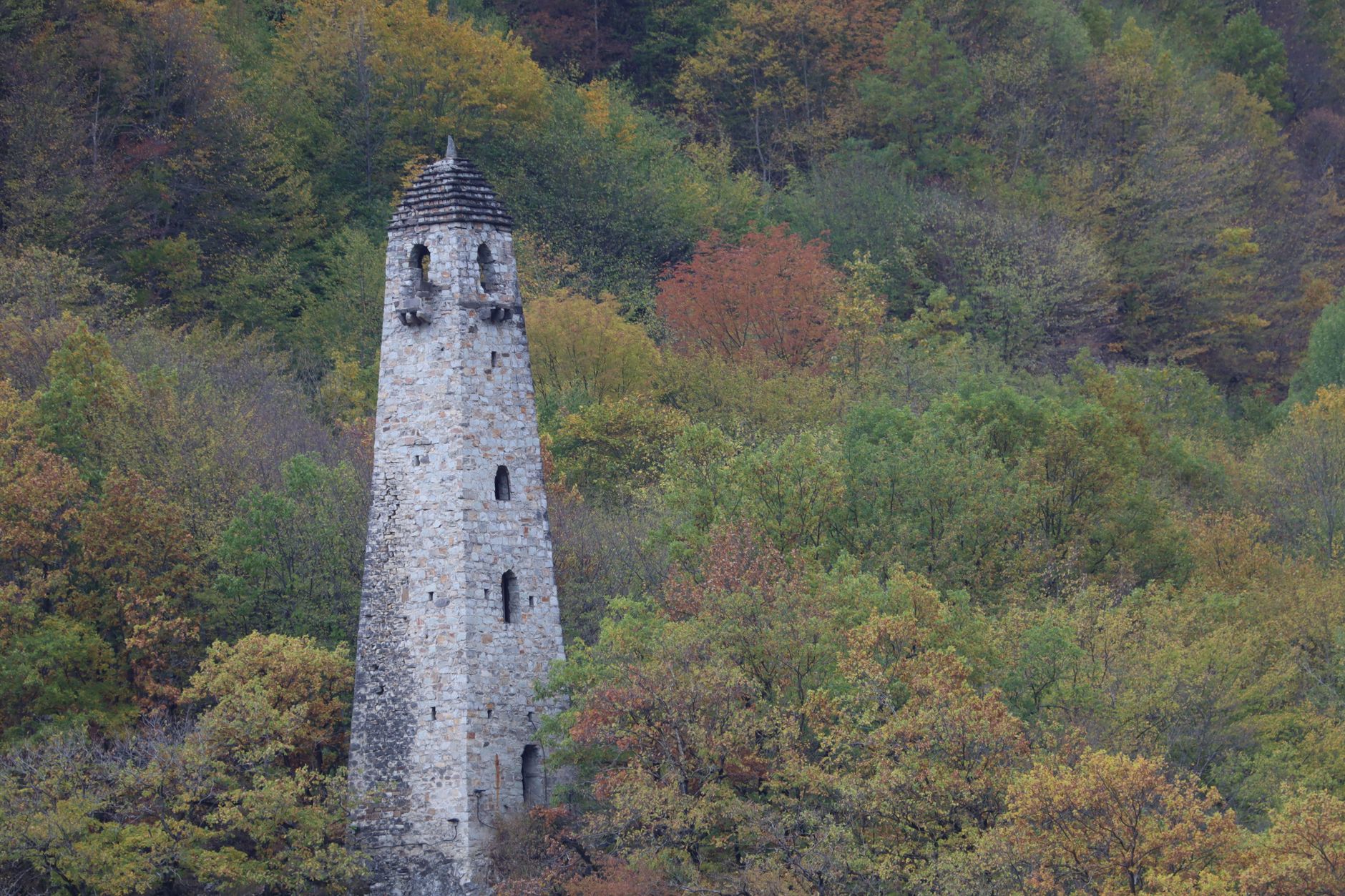
Tusheti’s most immediately striking feature is its towers. Built from local stone without mortar in some of the older examples, these defensive structures were constructed by Tushetian communities over centuries as protection against raid and war. The village of Omalo – Tusheti’s administrative center, which is a generous term for a cluster of buildings at high altitude – has towers visible from multiple approach angles, standing intact against a backdrop of glaciated peaks. Shuakhevi, Dartlo, and Chesho each have their own configurations of towers and stone houses, each slightly different in character.
Dartlo in particular draws comparison to the fortified hill villages of the Italian Apennines or the perched settlements of southern France, except that Dartlo has far fewer visitors and no gift shops. The stone architecture blends into the terrain so completely that from a distance the village looks like a natural geological feature. Walking through it, the scale becomes clear – these are multi-story structures built for survival, not ornament, and the engineering required to erect them at this altitude without modern equipment is still visible in every carefully placed stone.
For travelers who follow stone architecture the way others follow wine regions – much as Armenia’s Debed Canyon draws monastery wanderers – Tusheti occupies a category of its own. The towers are not museum pieces. Some remain in use as storage. Others are structurally sound enough to climb if you know who to ask. The living relationship between the Tushetian people and their built environment is something no reconstruction project can replicate.
Getting There and Staying Alive Doing It
The Abano Pass road opens roughly from late May through October, depending on snowpack. It gains over 2,800 meters of elevation and takes somewhere between two and four hours to traverse in a capable 4×4, though “capable” is doing a lot of work in that sentence. Local marshrutka drivers who know the road run scheduled trips from Telavi, the regional center in Kakheti, and hiring one of them is a considerably better idea than attempting the pass in an unfamiliar rental vehicle.
Accommodation in Tusheti is primarily guesthouses run by local families, which means the experience is genuinely immersive rather than hotel-standard. Electricity can be intermittent. Hot water is not guaranteed. Meals are typically what the household produces or sources locally – bread, cheese, meat, and the grape-based spirits that appear at every Caucasian table whether you asked for them or not. The lack of infrastructure is not a bug in the Tusheti experience. It is the main feature.
Why This Region Rewards Patience
Tusheti’s appeal is not the kind that photographs easily. The towers look extraordinary in images, but the experience of being in the region is cumulative and slow. It builds over days of walking trails between villages, watching shepherds move flocks across ridges, and sitting in guesthouses where the conversation – even across a language barrier – has more texture than most hotel lobbies can offer in a week.
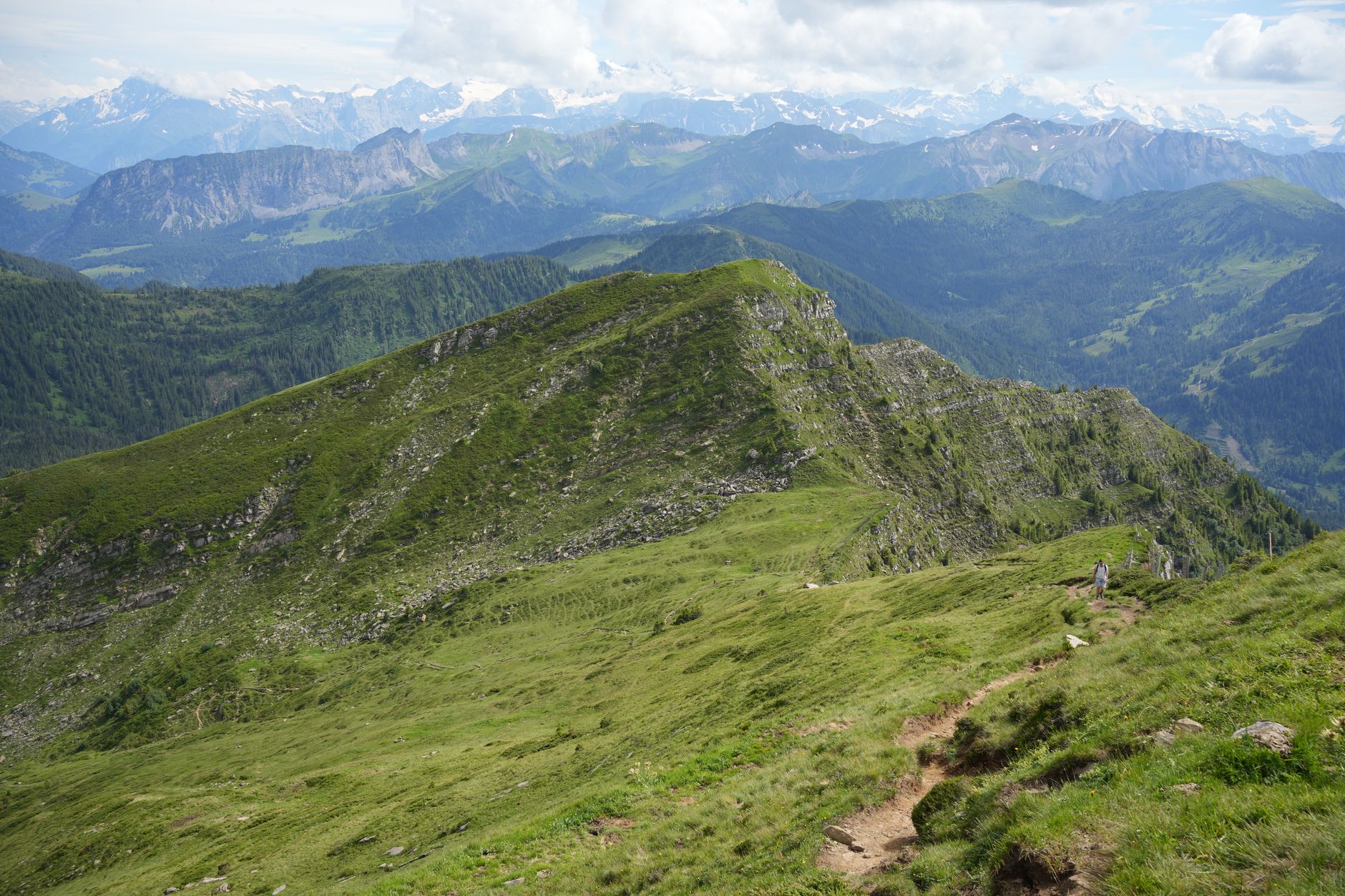
The trekking network connecting Tusheti’s villages is serious mountain walking, not groomed trail hiking. The Tusheti Protected Area covers over 83,000 hectares and includes routes that cross into the neighboring Khevsureti region through high passes. These crossings are only possible in summer and require fitness, proper gear, and ideally a local guide. The guides available through guesthouses in Omalo typically know the routes at a level no printed map can match – including which passes are still icy in June and which stream crossings are dangerous after rainfall.
What separates Tusheti from the more accessible Caucasus destinations – Kazbegi, for instance, which now sees enough visitors to have developed a minor infrastructure industry – is the absence of any tourism machinery. There are no visitor centers, no multilingual signage, no curated “authentic experience” packages. The authenticity is just there, not packaged. A traveler who shows up expecting Kazbegi’s level of convenience will have a difficult time. A traveler who shows up expecting very little and wanting to walk for several days between villages that have barely changed in a century will have something harder to explain to people who didn’t make the trip.
The Tushetian people themselves are semi-nomadic by tradition – many families descend to lower elevations for the winter and return each spring, a pattern that has shaped the region’s identity around seasonal movement and the natural rhythms of altitude. That migration cycle is still active, which means the villages in summer are genuinely inhabited rather than preserved for visitors. That distinction matters more than it might seem. A living village and a heritage site look similar from a distance. Up close, they feel entirely different.
The window to visit is short, the road in is genuinely dangerous, and the infrastructure asks more of you than it provides. Those are not small obstacles. But Tusheti is one of those places where the difficulty of arrival seems deliberately calibrated to filter for the kind of traveler who will actually appreciate what’s there – and the towers of Dartlo have been standing long enough that they can afford to wait for the right audience.