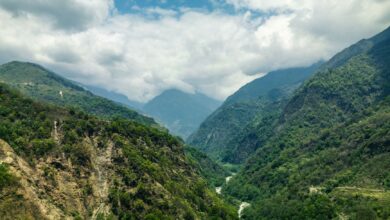

Scoresby Sund sits on Greenland’s northeastern coast like a geographic secret that cartographers kept to themselves. It is the world’s largest fjord system, stretching more than 350 kilometers inland from the Greenland Sea, and it sees a fraction of the visitor traffic that Iceland’s Westfjords or Sognefjord in Norway attract each season. That gap is closing, slowly, as a particular kind of traveler starts asking what lies beyond the postcard destinations.
The Scale That Changes Everything
Iceland’s fjords are genuinely beautiful, and there is no argument to be made against them. The question is one of proportion. Scoresby Sund operates at a scale that makes Iceland’s most dramatic inlets feel like rehearsals. The fjord branches into a network of arms, channels, and subsidiary inlets that could absorb entire European countries. Standing at the water’s edge near the small settlement of Ittoqqortoormiit, the far wall of the fjord is so distant it registers as weather rather than geology.
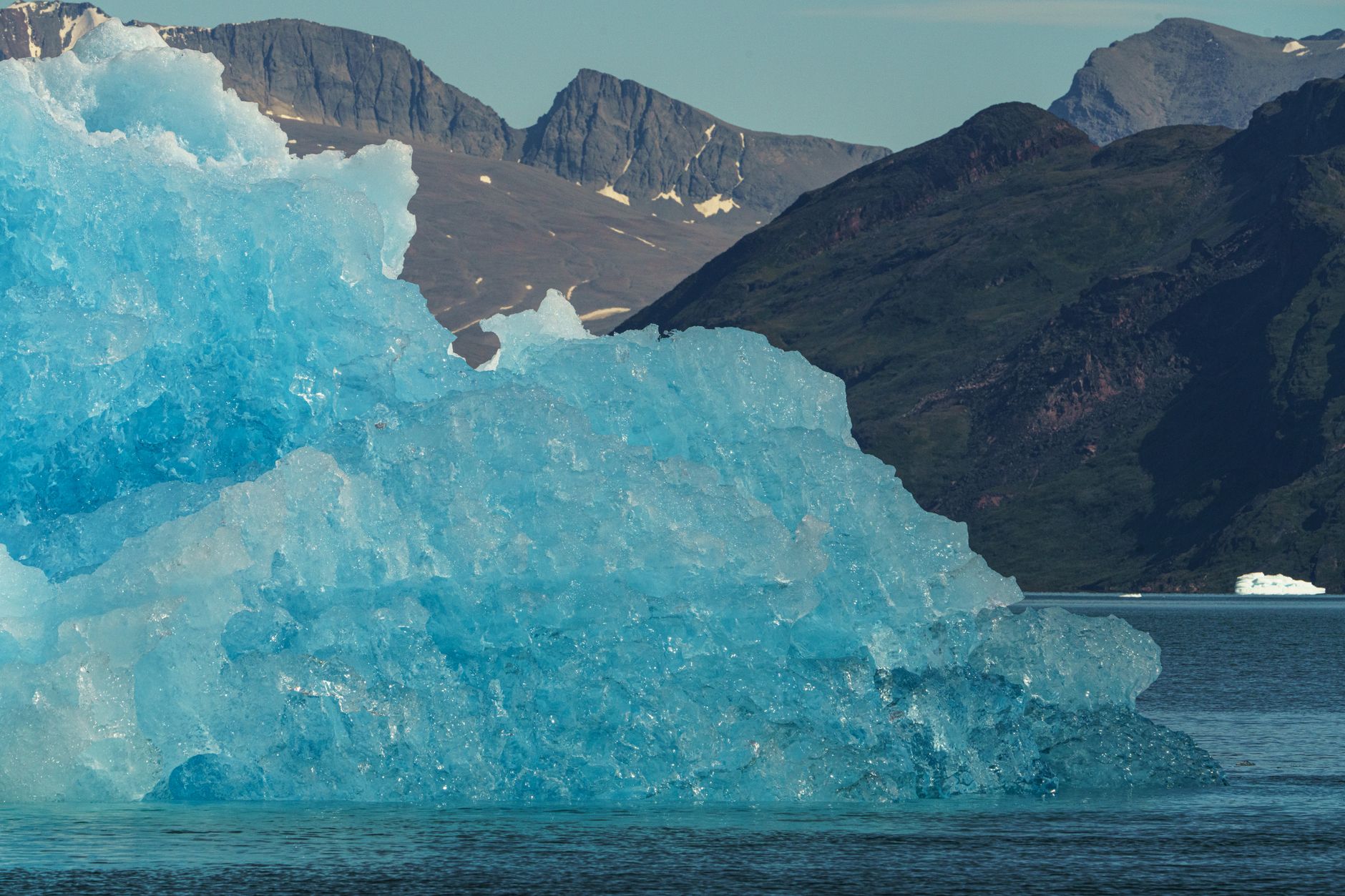
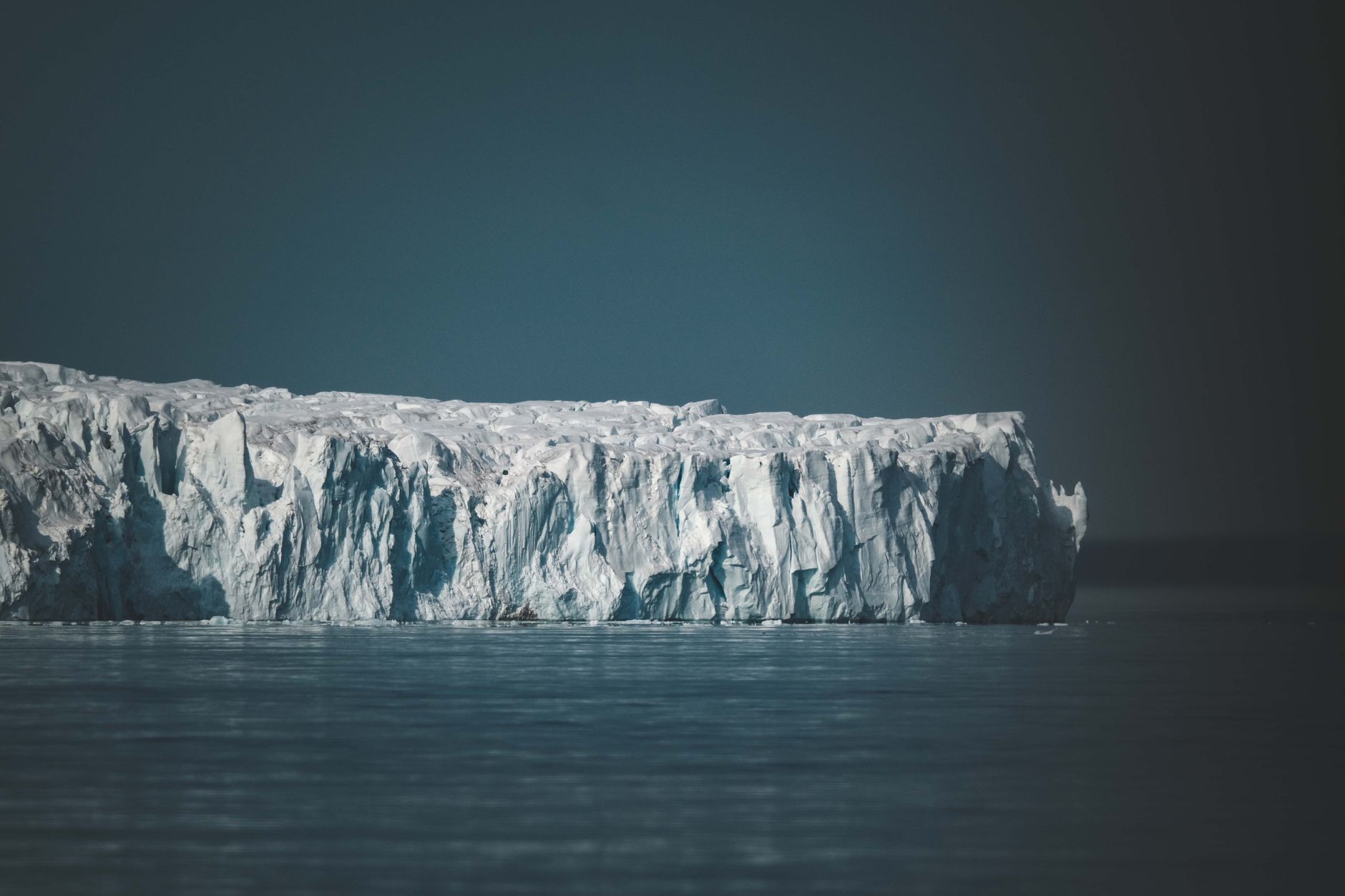
The icebergs are the detail that photographs struggle to communicate accurately. In Iceland, you encounter glacial lagoons where icebergs drift at a manageable, comprehensible size. In Scoresby Sund, tabular bergs the size of city blocks ground themselves in shallow water and simply stay there for weeks, blue-white and indifferent, reshaping the visual horizon every morning depending on where the wind moved them overnight. Calving events from the Daugaard-Jensen Glacier, which feeds the system, produce walls of ice that generate their own waves.
The wildlife density around the fjord also runs ahead of what most Arctic travelers expect. Musk oxen graze on the tundra above the waterline in summer. Polar bears work the sea ice in spring. Arctic foxes in their white winter coats shift to brown-grey as the season turns, and the transition happens quickly enough that a two-week stay might show you both phases. Walrus haul-out sites along certain shorelines produce a smell that arrives before the animals come into view.
Ittoqqortoormiit, with a population of roughly 400 people, is one of the most remote permanently inhabited settlements on Earth. It has no road connections to anywhere. You arrive by helicopter from Constable Point airstrip or by ship, and those are the options. The settlement’s isolation is not a flaw in the itinerary – it is the itinerary. The community relies heavily on subsistence hunting, and the relationship between the Greenlandic people and the land around the fjord is not decorative. It is functional, daily, and visible.
How Travelers Are Actually Getting There
Small expedition cruise ships have been running routes through Scoresby Sund for years, but the vessels have gotten smaller and the departures more specialized. Operators working out of Iceland – specifically Akureyri and Reykjavik – now run direct crossings of the Denmark Strait that position Scoresby Sund as the centerpiece rather than a bonus stop on a broader Arctic circuit. Crossing time runs roughly 48 hours depending on sea conditions, and those two days on open water are themselves part of the experience: cetacean sightings are common, and the light at 70 degrees north does things that passengers with cameras tend to find disorienting in a productive way.
Fly-in options exist for travelers who cannot commit to a sea crossing. Constable Point airstrip, designated IATA code CNP, receives charter and scheduled service from Reykjavik’s Keflavik airport, and from there helicopter transfers reach Ittoqqortoormiit. The logistics require coordination and the schedules are weather-dependent in ways that budget travelers find frustrating and expedition travelers find clarifying. You need flexibility built into your departure window, ideally three to five days of buffer at the Reykjavik end.
The travel season runs from late July through early September with the strongest conditions. July brings 24-hour daylight and the highest probability of navigable water in the inner fjord branches. August balances light and the first suggestions of autumn color on the tundra. September introduces the possibility of the northern lights and dramatically moody skies, but also the first serious risk of early ice and weather delays that can cascade through the rest of your schedule.
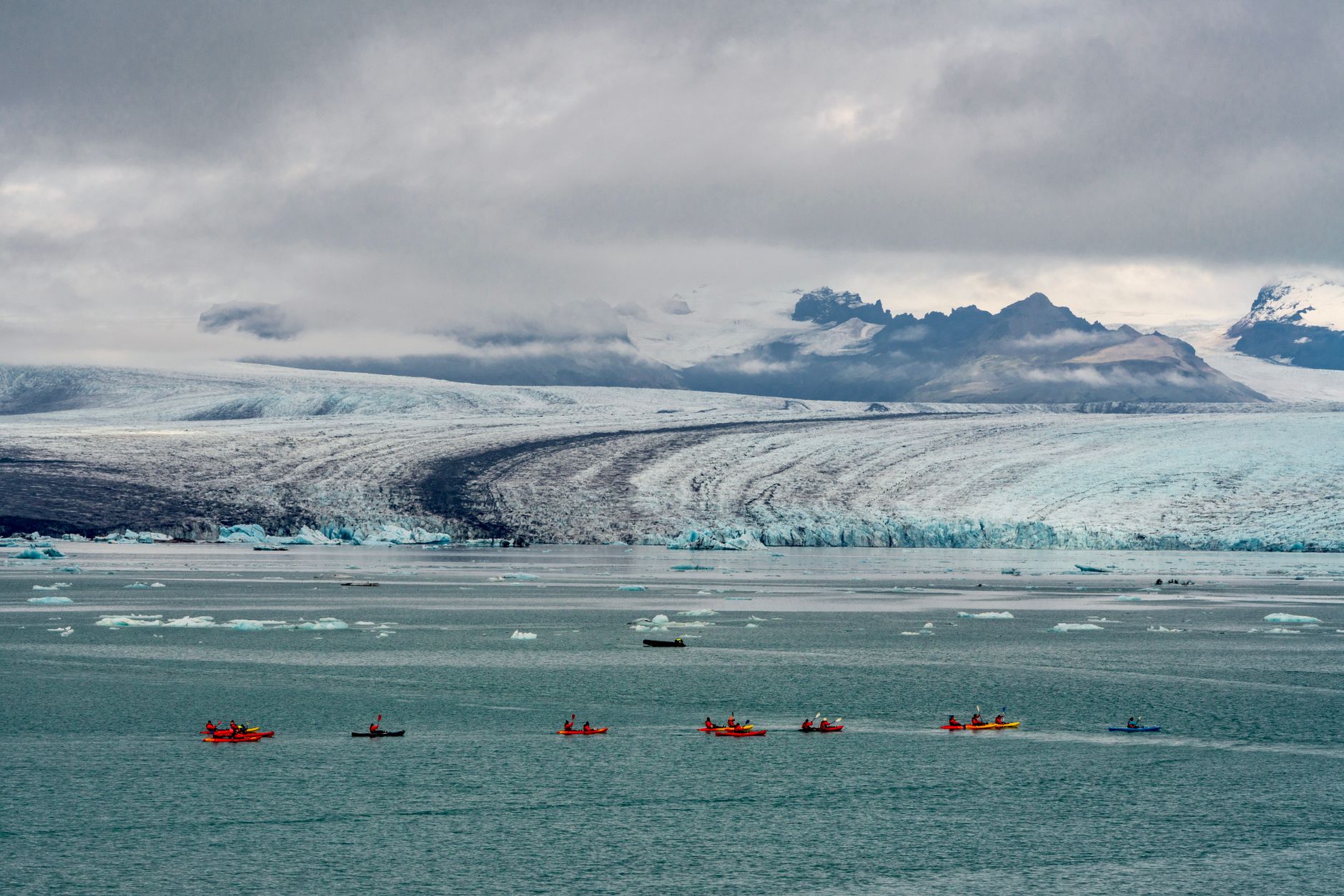
Accommodation in Ittoqqortoormiit runs to guesthouses and locally arranged stays rather than hotel infrastructure. There is no five-star option, and travelers who need that should look elsewhere without embarrassment. What the guesthouses offer is proximity to people whose grandparents lived in the same place by the same methods, and conversations that tend to run long after dinner because there is no particular reason to stop them. A growing number of operators now arrange guided kayak expeditions into the fjord arms, which puts you at water level among icebergs in a way that changes your spatial understanding of the place permanently.
Cost is the honest friction point. Greenland is expensive to reach and expensive to move around once you arrive. Iceland’s fjords, by comparison, are accessible by rental car from Reykjavik. A week in Scoresby Sund, when you factor in charter flights or expedition cruise passage, guesthouse stays, guided excursions, and the logistical buffer days, runs well ahead of an equivalent stay in the Westfjords. The counterargument is that you share Scoresby Sund with very few other people, which in peak season at Iceland’s most photographed spots has become its own kind of cost.
What the Quietness Actually Means
There are no tour buses at Scoresby Sund. There are no queues at viewpoints, no selfie crowds at the glacier face, no branded coffee cups in the parking lot because there is no parking lot. The absence of that infrastructure is sometimes romanticized in travel writing in ways that obscure the practical reality: you are responsible for your own navigation, safety decisions, and emergency preparedness at a level that most domestic or European travel never demands. The remoteness is real, not atmospheric.
Iceland built its tourism identity on accessibility, and that accessibility is genuinely valuable for millions of travelers every year. But for the subset of travelers who find that the presence of a well-marked trail and a visitor center actually reduces what they came to find, Scoresby Sund offers the specific condition they are looking for – scale, silence, and the sustained sensation of being somewhere that has not been optimized for their arrival. The question worth sitting with before booking is whether you want a place that welcomes you or a place that simply allows you to be there.