
The Valley That Wildflower Travelers Keep Missing
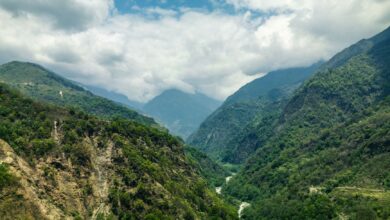
Meghalaya gets the press. Its living root bridges, misty hills, and reputation as one of the wettest places on earth have made it a fixture on every responsible traveler’s northeast India itinerary. But a few hundred kilometers to the east, straddling the border of Nagaland and Manipur, Dzukou Valley sits at roughly 2,400 meters above sea level and offers something Meghalaya rarely delivers in one concentrated burst: a high-altitude meadow that erupts in seasonal wildflower color with almost no foot traffic to speak of.
The name “Dzukou” translates loosely to “cold water” in local Naga dialects, which tells you something about the valley’s temperament. It is not a soft destination.
Getting there requires a trek – typically a two-to-three-hour climb from either the Viswema or Zakhama base villages on the Nagaland side, or a longer, steeper approach from Manipur’s Senapati district. The reward is an open, rolling meadow landscape that looks borrowed from somewhere in the Scottish Highlands, except for the specific flora that has made botanists and serious wildflower travelers quietly obsessed with it for years.
What Grows Here and Why It Matters
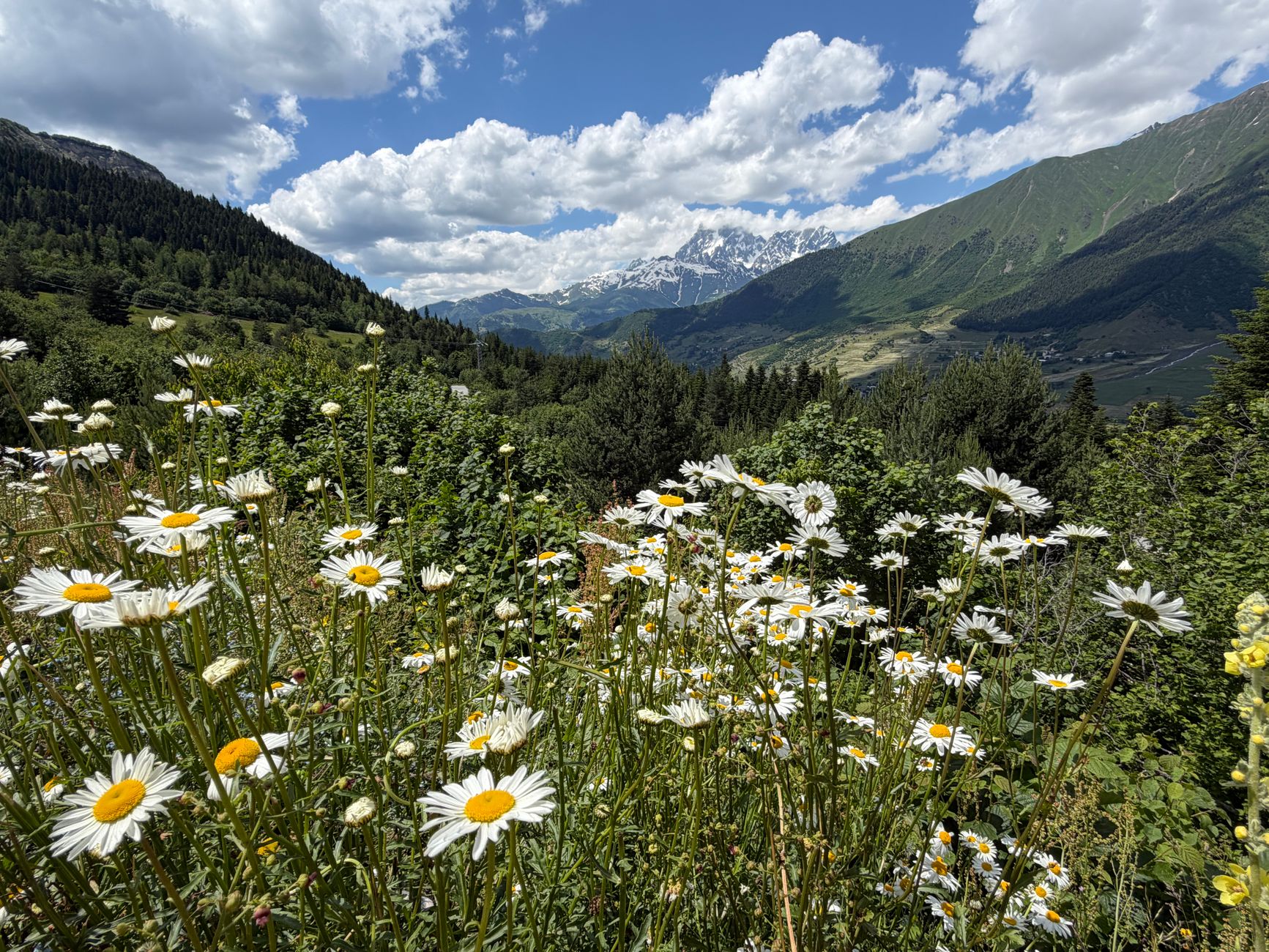
The valley’s signature plant is Lilium mackliniae, commonly called the Shirui lily, a delicate pink-mauve bloom that was first documented here and in the Shirui hills in the 1940s and later named after Jean Macklin, the wife of the botanist Frank Kingdon-Ward. It grows wild across the valley floor between June and September, joined by dozens of other species including various rhododendrons, Arisaema cobra lilies, and ground-hugging primulas that carpet the wetter sections of the trail near the stream systems running through the valley’s lower reaches.
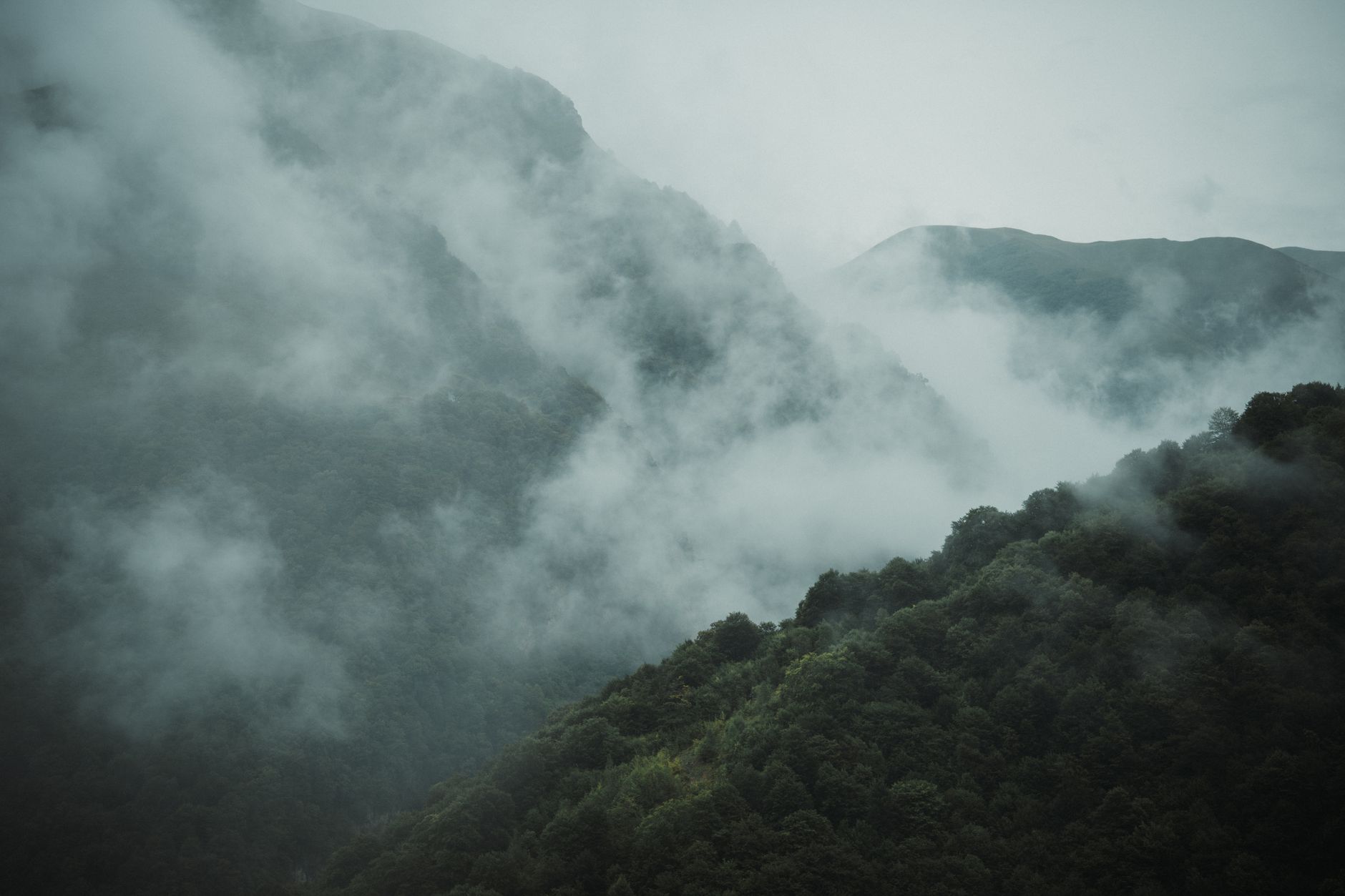
The blooming calendar is layered. Rhododendrons typically peak in early spring, around March and April, painting the ridge trails in red and pink before the main wildflower season begins. By July the meadow itself shifts into its most spectacular phase, with the lilies dominant and the grasses still short enough that the flowers are visible from a distance. August brings late-season species and a different kind of drama: the monsoon deepens the greens, low clouds move through the valley floor, and the whole landscape takes on a quality that is harder to photograph but arguably more memorable in person.
What keeps the valley ecologically intact is partly geography and partly a level of protection that has real teeth. The Dzukou Valley falls within the protected zone near Japfu Peak, Nagaland’s second-highest summit, and local Naga village councils have historically maintained strict rules around camping, fire use, and foraging. Plastic bans on the trail have been enforced through community-led checkpoints rather than government signage, which makes them considerably more effective.
Planning a Trek Without the Tourist Infrastructure
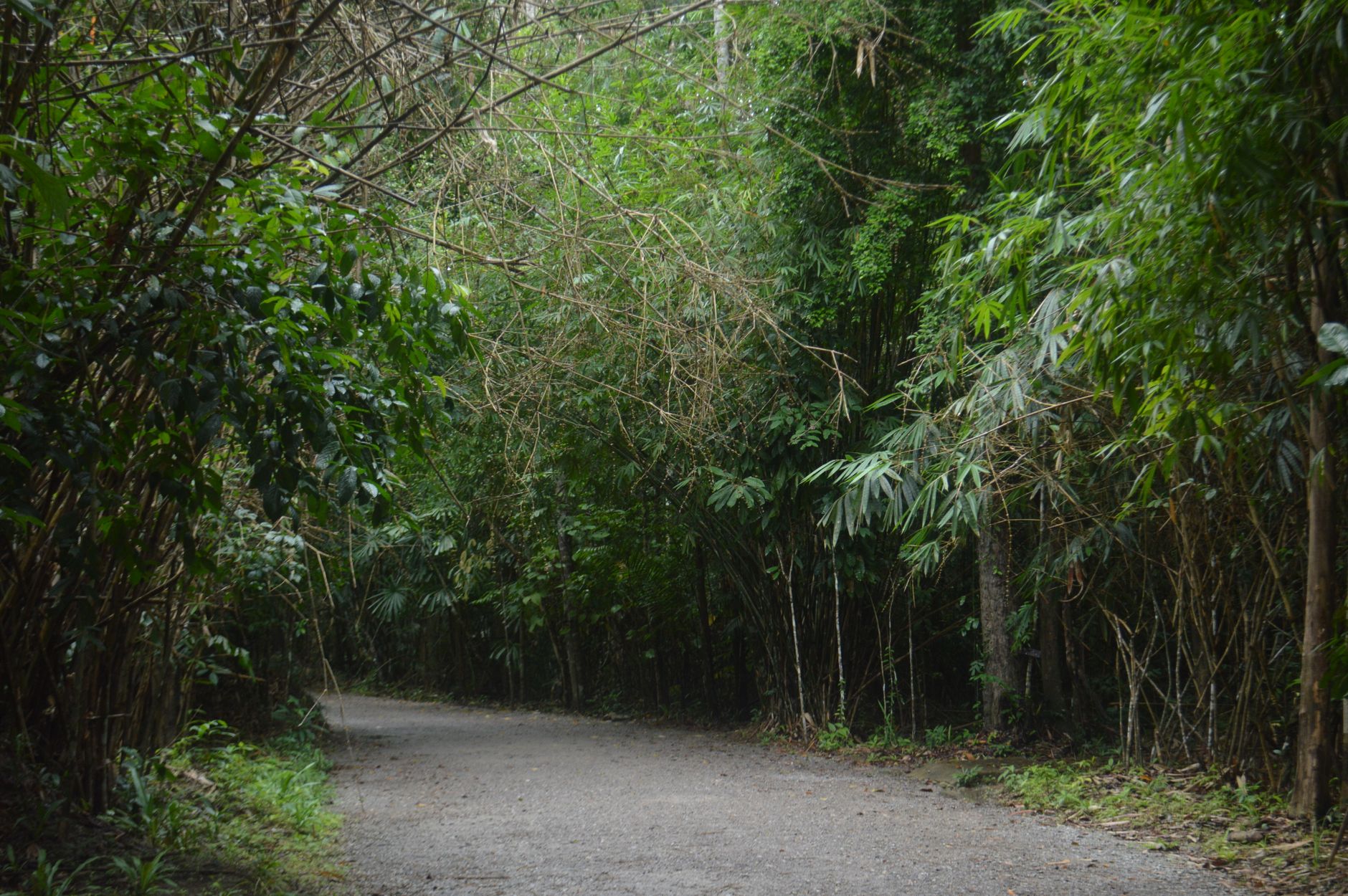
Dzukou does not have the developed trekking infrastructure that drives traffic to Meghalaya’s marquee routes. There are basic bamboo shelters and a forest rest house inside the valley that require advance coordination, and the logistics of food, water treatment, and sleeping arrangements are largely the traveler’s responsibility. This is precisely why it appeals to a specific kind of wildflower wanderer – someone who has done Cherrapunji twice and wants something that demands more planning in exchange for something closer to genuine solitude.
Kohima, Nagaland’s capital, is the practical base. It sits about 25 kilometers from the Viswema trailhead and has a growing collection of locally-run guesthouses that cater to trekkers. Inner Line Permits, required for foreign nationals visiting Nagaland, can be obtained on arrival at Dimapur airport or in advance through Indian missions abroad. The permit process is administratively straightforward and rarely takes more than a few hours. Domestic Indian travelers need no special permit for Nagaland but should check current regulations before visiting the Manipur side, where permit requirements can shift.
The most practical window is July through mid-September for wildflower density, though October offers clear skies and the satisfaction of watching the valley transition to its autumn palette of russets and yellows. Going in June is possible but carries a higher rain risk; January and February bring frost and occasionally snow at the rim, which makes the valley accessible only to trekkers with cold-weather gear and a real reason to go. Most guides operating out of Kohima will recommend July without hesitation, and they are not wrong.
A Place Still Running on Its Own Terms
Dzukou Valley has not been packaged yet. There are no curated glamping tents, no QR codes at the trailhead linking to a Spotify-approved hiking playlist, no influencer-facing viewpoint platforms with built-in golden-hour framing. The shelters inside the valley are functional in the most literal sense of the word, and the silence on a weekday in August – broken only by wind, the distant stream, and whatever bird species is auditing the meadow that afternoon – is the kind that travelers increasingly pay significant money to find and rarely do.