
The Valley That Altitude Seekers Keep Finding
Spiti Valley sits in the cold desert of Himachal Pradesh, wedged between Tibet and the rest of India at elevations that regularly exceed 4,000 meters. It shares the same raw, bone-dry terrain as Ladakh – the wind-scoured ridgelines, the turquoise rivers cutting through ochre canyon walls, the Buddhist monasteries perched on cliffs like they were placed there by someone who had no fear of heights. But where Ladakh now draws charter flights and pre-booked luxury camps, Spiti is still largely reached by a two-lane mountain road that closes for five months every winter.
That road is not incidental. It is the filter.
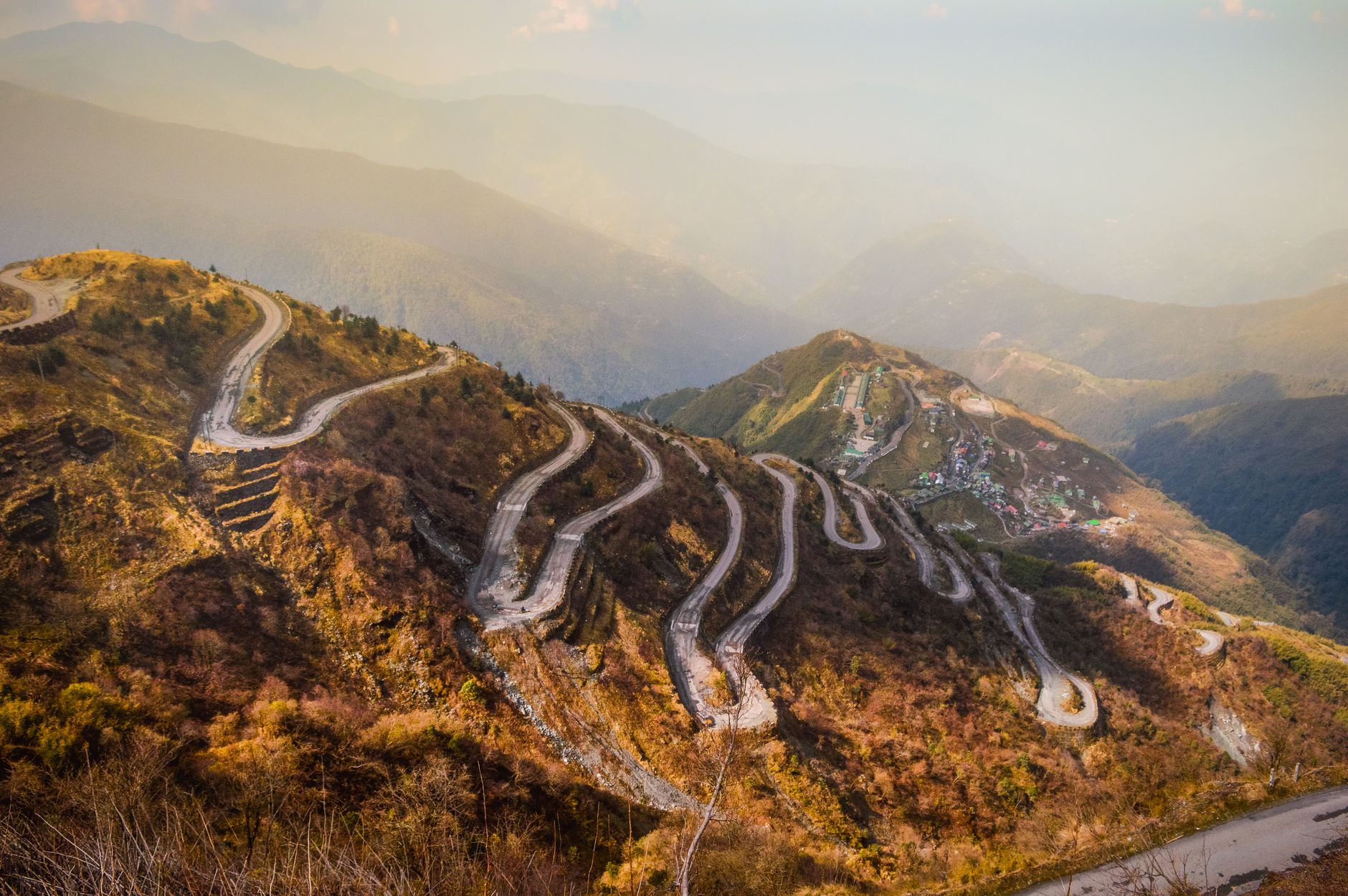
The Manali-Kaza highway – one of the two routes into the valley – passes through some of the most exposed terrain in the Indian Himalayas, including the Kunzum Pass at roughly 4,590 meters, which can be blocked by snow as late as June and as early as September. The other route, through Shimla and Kinnaur, is longer and no less dramatic. Getting to Spiti requires planning, patience, and a willingness to sit in a bus for fourteen hours without complaint. The travelers who make it tend to be the kind who prefer that arrangement over a pre-packaged itinerary.
What the Valley Actually Looks Like
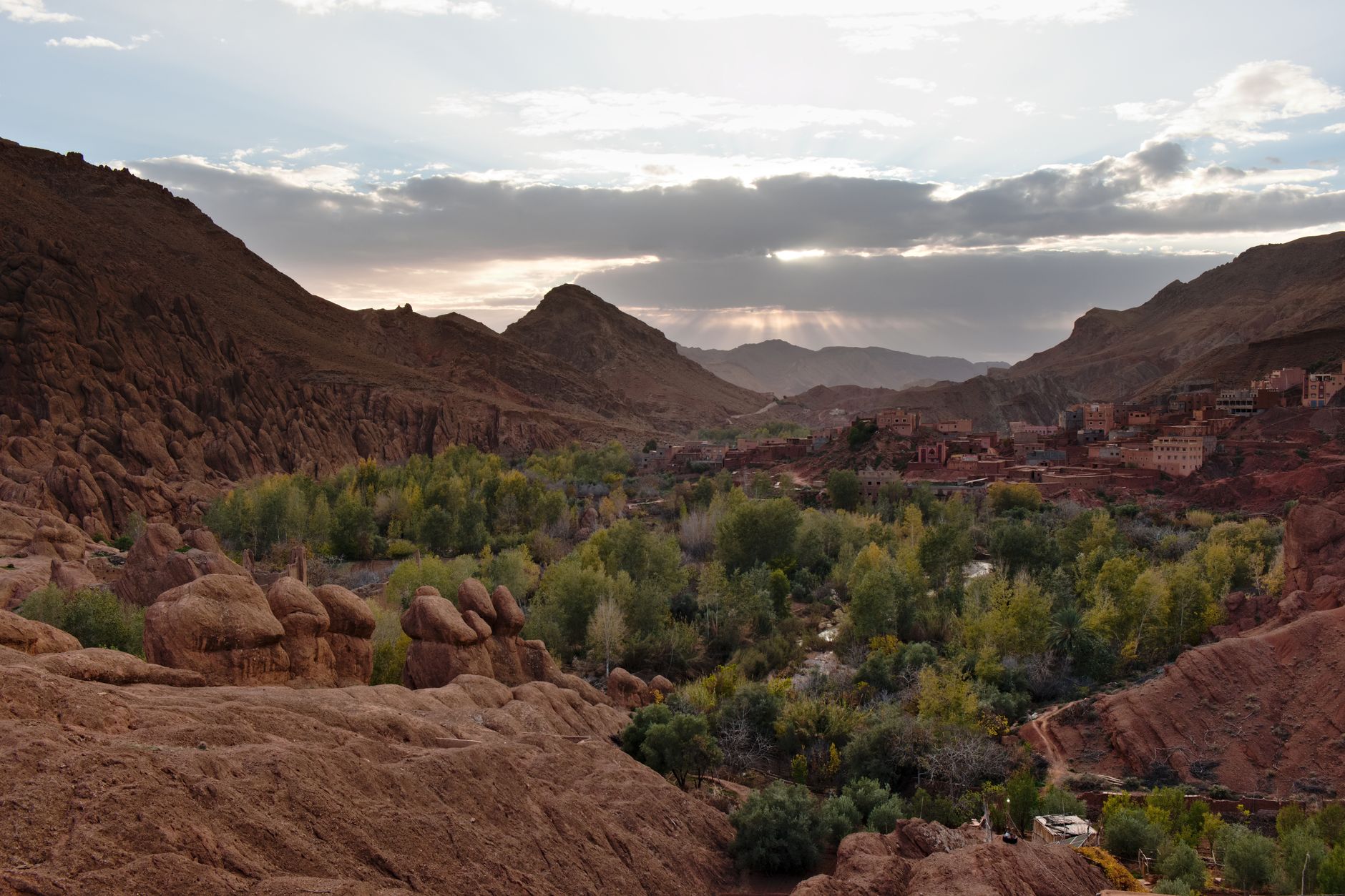
The landscape of Spiti is austere in a way that takes time to appreciate. There are no forests. The slopes are bare and layered with geological strata that look almost painted – bands of rust, sand, violet, and grey stacked up against a sky that sits impossibly blue at altitude. The Spiti River runs through the center of the valley, and the villages along it – Kaza, Tabo, Dhankar, Pin – each have a distinct character shaped by centuries of near-isolation. Kaza functions as the administrative and commercial hub, which in Spiti’s terms means a cluster of guesthouses, a few cafes with slow Wi-Fi, and a market that sells everything from yak wool to instant noodles.
Tabo is the one that stops most travelers cold. Its monastery, founded in 996 CE, contains clay sculptures and murals that art historians consider among the finest surviving examples of Tabo-style Buddhist art anywhere in the world. The complex sits low and unassuming in the middle of the village, made of mud brick, looking like it grew out of the ground rather than being built on it. There are no velvet ropes or ticketing queues. Monks still live and practice there. Visitors walk through at their own pace, often in near silence.
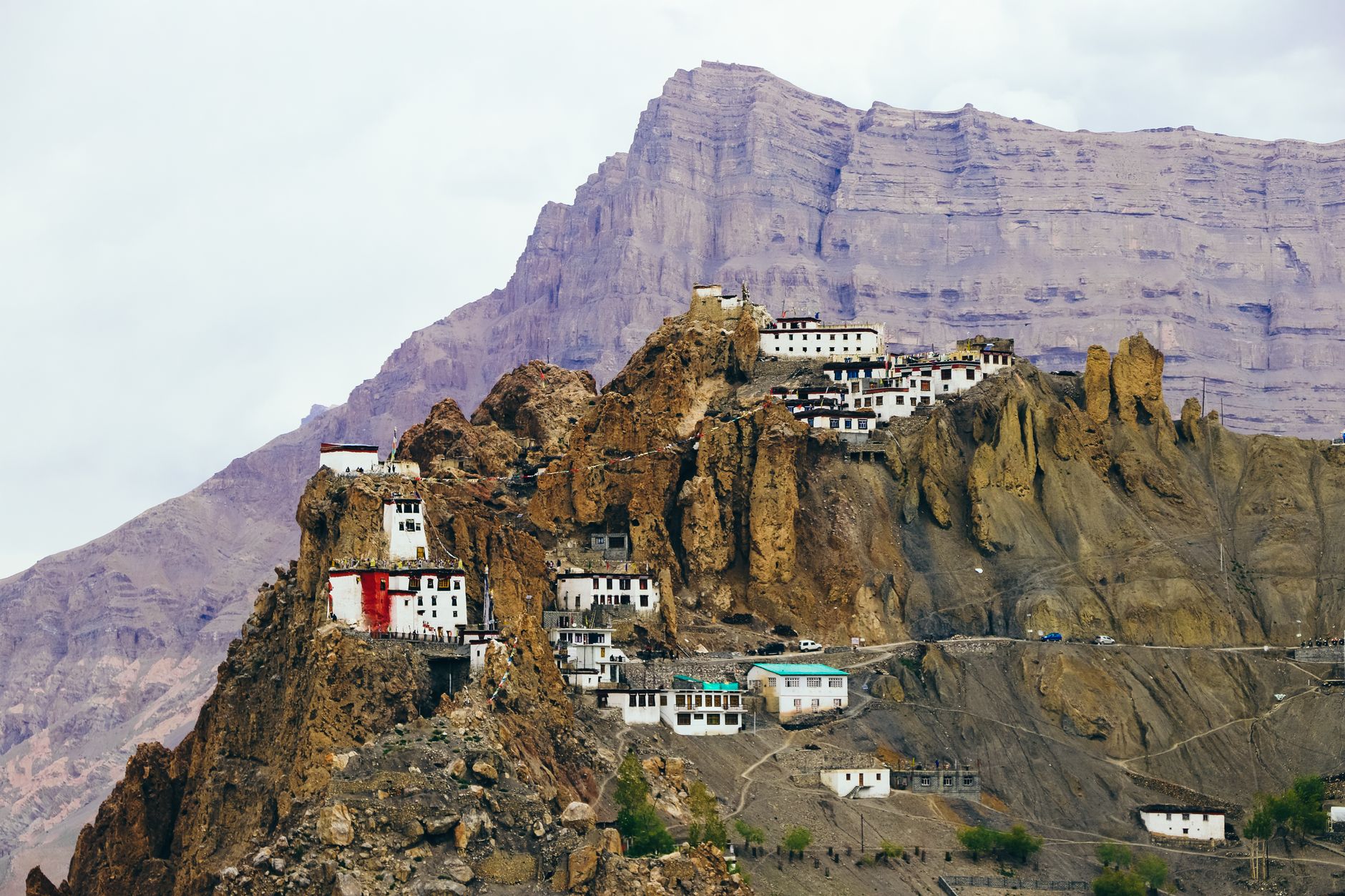
Key Monastery, visible from kilometers away on a rocky outcrop above Kaza, draws the most photographs – and for good reason. The structure is a stack of whitewashed buildings clinging to a spire of eroded rock, with prayer flags running in every direction and the valley spreading out far below. But the interior is where the real draw lies: a library of thangka paintings, brass statues, and manuscripts that have survived earthquakes, invasions, and eight months of winter every single year.
How Spiti Compares to Ladakh Without the Crowds
Leh, Ladakh’s capital, now has a functioning airport, multiple five-star properties, and a tourism infrastructure that can absorb thousands of visitors per week during peak season. That accessibility has made it one of the most recognizable high-altitude destinations in Asia. Spiti has none of that scaffolding. There is no airport. The internet is patchy. Power cuts are routine. Accommodations range from basic guesthouses to homestays where you eat with the family and sleep under thick quilts in unheated rooms. For certain travelers, that is not a compromise – it is the point.
Spiti also holds its own on adventure. The Hampta Pass trek crosses from the lush Kullu Valley into the cold desert terrain of Spiti, offering a single-trek contrast that is genuinely hard to match elsewhere in India. The Pin Valley National Park, which branches off the main valley, protects habitat for snow leopards and Himalayan ibex, and winter wildlife tours there have developed a quiet following among serious wildlife photographers. The Pin-Parvati Pass route, connecting Spiti to Kullu’s Parvati Valley, is considered one of the most technically demanding high-altitude crossings in the Indian Himalayas.
The human geography of the valley is just as textured. The Spitian people are predominantly Buddhist, and the culture bears more resemblance to Tibet than to the plains of India. Polyandry was historically practiced here, and traces of that social structure still appear in how land and households are organized. Festivals like Losar (the Tibetan New Year) and the annual Spiti festival bring the villages together with masked dances, ceremonial music, and rituals that have not been staged for tourists – they simply happen, and visitors who time it right can watch.
Travelers drawn to Pakistan’s Hunza Valley for its altitude and Buddhist-influenced culture along remote mountain roads will recognize something familiar in Spiti’s rhythm – the same slow pace, the same sense that the landscape demands attention rather than entertainment.
The Window Is Narrow, and That Will Not Change
The road conditions, the altitude, the extreme winter closure, and the absence of any serious tourism infrastructure mean Spiti is unlikely to absorb the kind of visitor volume that has reshaped Ladakh over the past decade. The valley gets a season of roughly four to five months – July through October being the most accessible window – and within that window, the roads can still wash out, fuel can run short, and cell service disappears entirely once you leave Kaza. Whether that is a warning or a selling point depends entirely on who is reading it.
Frequently Asked Questions
When is the best time to visit Spiti Valley?
July through October is the most accessible window. The Kunzum Pass typically opens in late June and closes again by October or November due to snowfall.
Is Spiti Valley suitable for first-time high-altitude travelers?
It can be, but the altitude (frequently above 4,000 meters) requires acclimatization. Traveling via the Shimla-Kinnaur route allows a more gradual ascent than the Manali highway.