
Where the Coral Grows Thicker and the Boats Stay Away
Raja Ampat gets the headlines, the Instagram tags, and the waiting lists at overwater bungalows. It deserves most of that attention – the marine biodiversity there is genuinely staggering. But tucked inside the Gulf of Tomini in Central Sulawesi, the Togean Islands have been quietly doing something Raja Ampat struggles with more each season: staying wild. The archipelago spans roughly 66 kilometers of volcanic islands, mangrove channels, and barrier reefs that see a fraction of the dive traffic that now defines Raja Ampat’s peak months.
The Togeans sit inside a national park that was formally established in 2004, but the infrastructure around it has never caught up to its status. That is not a flaw. It is the mechanism by which the reefs have remained largely intact, the dugongs still surface near the mangroves, and a diver can spend an entire morning on a site without seeing another group.
This is not a hidden gem in the overused sense. It is simply a place that asks more of visitors and, in return, gives something harder and harder to find elsewhere in Indonesian waters.
What the Reefs Actually Offer
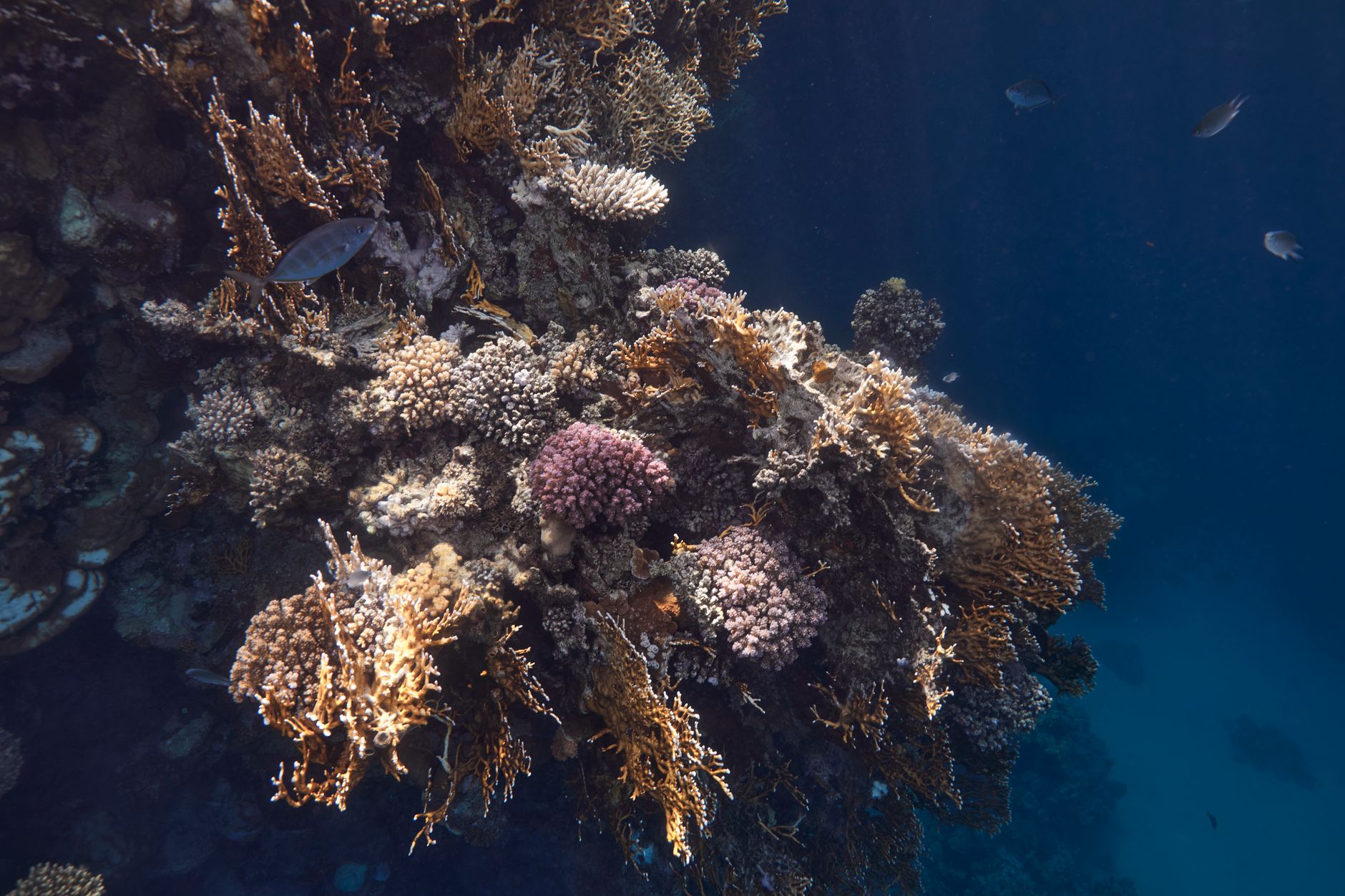
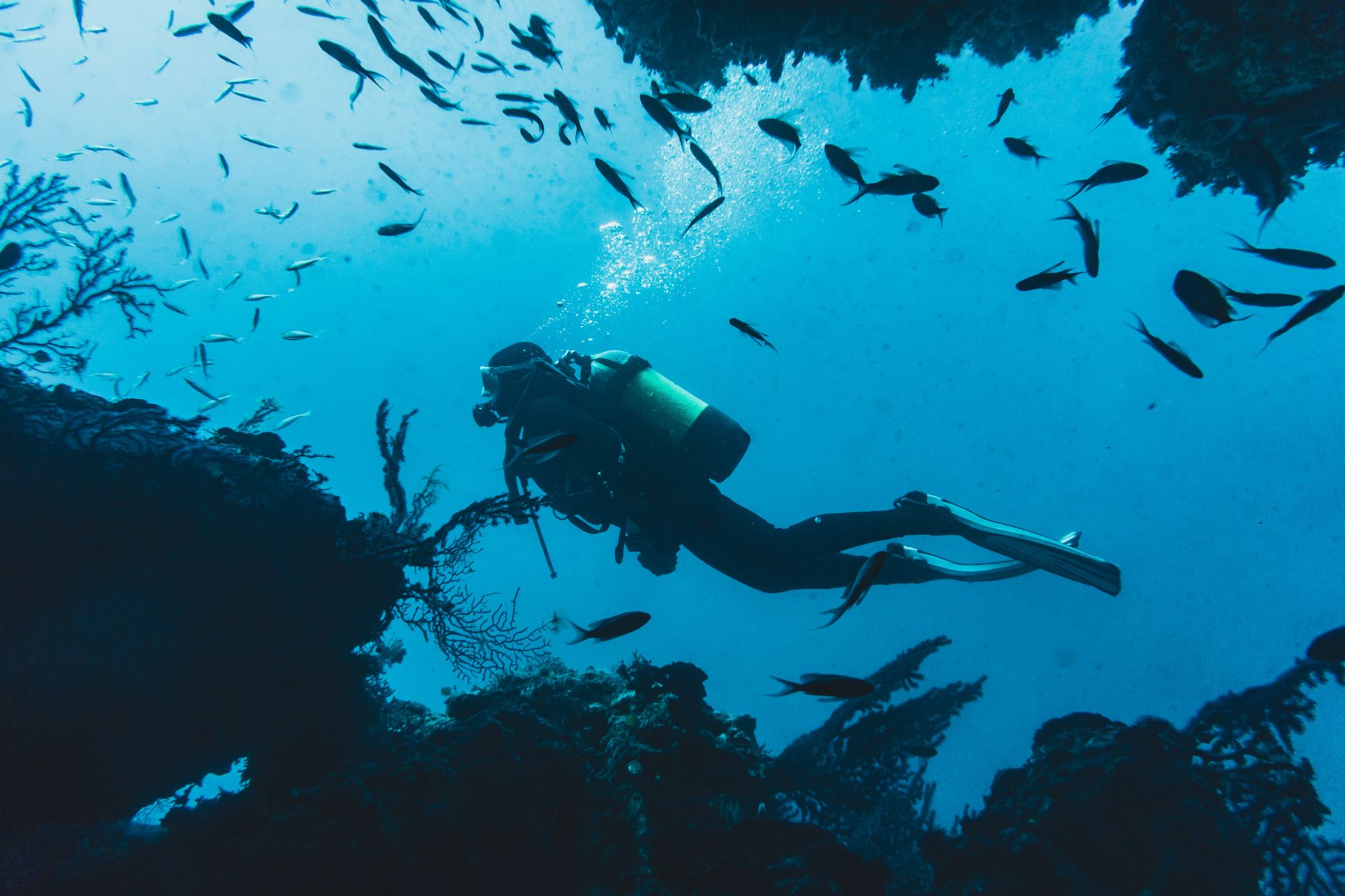
The Togean Islands sit at the intersection of three major reef systems – fringing reefs, barrier reefs, and the rare atoll formations that appear at Kadidiri and Una Una. That geological variety produces dive environments that shift dramatically within short boat distances. A morning session on a wall dive near Una Una, where an active volcano rises directly from the sea, gives way by afternoon to a shallow coral garden that reads more like an aquarium than an open ocean site.
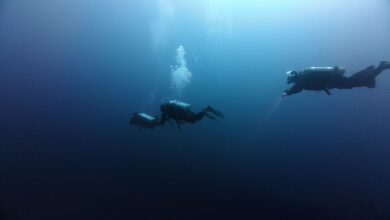
The biodiversity holds up against any destination in the Coral Triangle. Pygmy seahorses cling to sea fans in the shallower reaches. Bumphead parrotfish move in schools large enough to hear before you see them. Hammerhead sightings are reported consistently around the deeper seamount sites, though nothing in the Togeans is guaranteed – which is exactly how serious divers prefer it. The reefs here are not managed for spectacle. They exist on their own schedule, which sometimes means a quiet dive and sometimes means something extraordinary.
Snorkelers are not sidelined. The shallow reef systems around Kadidiri and Wakai are dense enough that surface swimming puts you directly over hard coral structures teeming with reef fish. The visibility on calm days stretches past twenty meters in places, and the water temperature stays warm enough year-round that wetsuits are optional for most visitors.
Getting There and What to Expect on the Ground
Reaching the Togeans is the part that filters the crowd. The standard route runs through Ampana, a small port town on Sulawesi’s northern coast, accessed by flying into Luwuk or Poso and then connecting by road or ferry. The ferry from Ampana to Wakai, the main hub in the islands, takes several hours depending on the service. Some travelers route through Gorontalo in the north and arrive by boat from a different angle. Neither option is difficult, exactly, but neither is frictionless in the way that Bali or even Komodo now feels to most visitors.
Accommodation runs toward simple guesthouses and small dive resorts built on stilts above the water. The electricity situation varies by island, and connectivity is limited. A few well-regarded operators run liveaboard trips through the islands, which solve the logistics problem and allow divers to cover far more ground than land-based options permit. For anyone already comfortable with the pace of remote Indonesian travel – the kind of traveler who has done a liveaboard through the Banda Sea or spent time on Kei Island – the Togeans will feel immediately familiar and manageable.
The best diving months fall between April and November, when seas are calmer and visibility peaks. August and September are widely considered the sweet spot. The wet season, from December through March, brings rougher crossings and reduced visibility, though even then the islands see almost no dive tourism, and a handful of operators stay open for travelers willing to accept the trade-off.
The Comparison That Actually Holds
Calling the Togeans a rival to Raja Ampat works if the word “rival” is understood properly. Raja Ampat still holds the edge in sheer species count – the research there has been more extensive, and the numbers remain staggering. What the Togeans rival is the experience Raja Ampat offered fifteen years ago: uncrowded sites, reefs that have not been stressed by heavy anchor traffic, and a travel pace that forces you to slow down before you even enter the water. The comparison isn’t about which destination wins on a scorecard. It is about what kind of diver you are and what you are actually looking for when you book the trip.
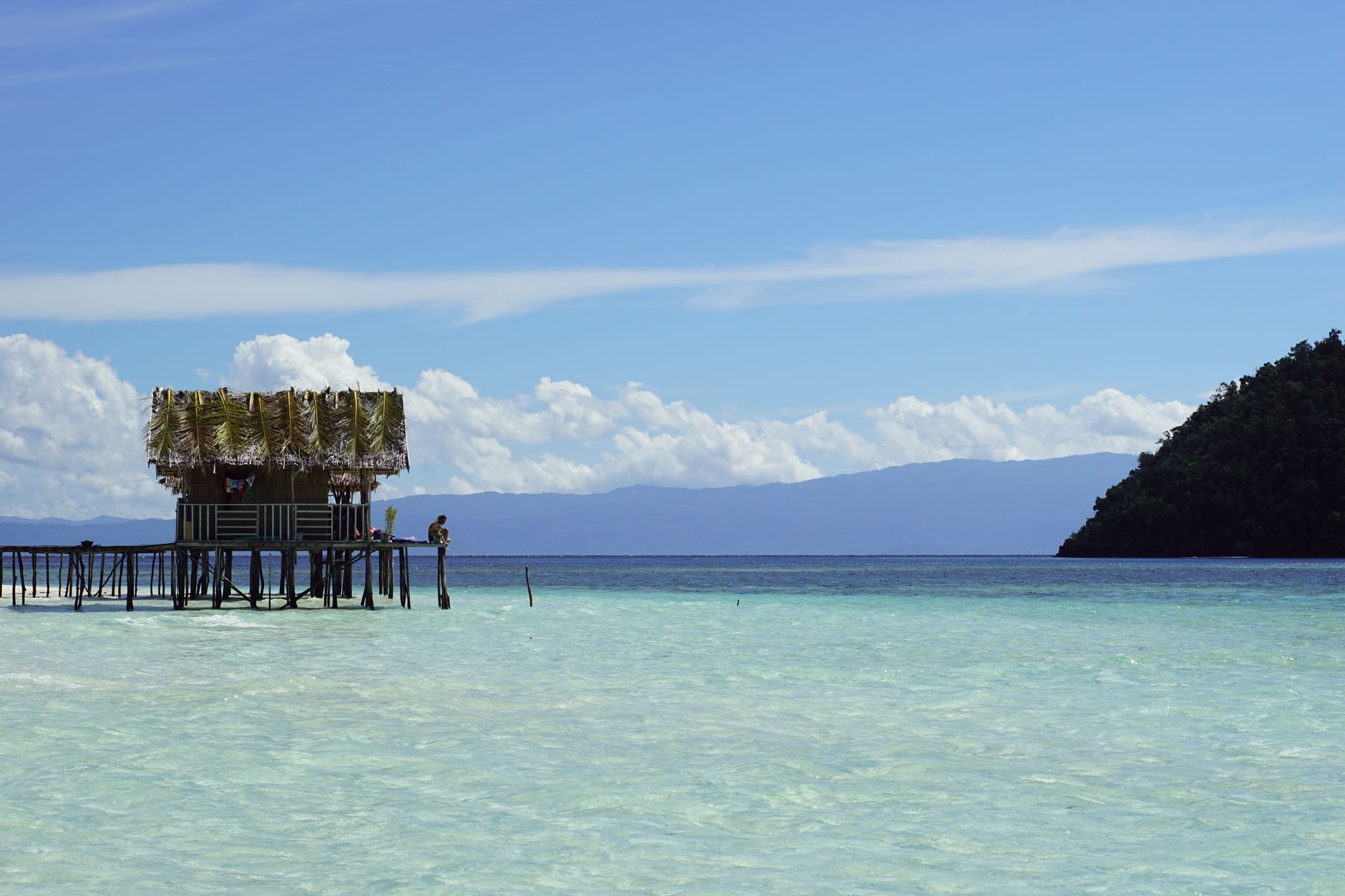
The Togeans will not stay this way indefinitely. Improving road access to Ampana, growing interest from dive operators, and the general pressure of Indonesian tourism expansion all point toward a future where the islands are easier to reach and more heavily visited. The window for experiencing them at their current baseline of quiet is real, and it is narrowing – not dramatically yet, but noticeably enough that the divers who know the archipelago are no longer keeping it entirely to themselves.
Frequently Asked Questions
Are the Togean Islands good for beginner divers?
Yes. The shallow reef systems around Kadidiri are suitable for beginners, with warm water, good visibility, and dense coral gardens accessible from the surface.
How do I get to the Togean Islands from Bali?
The standard route involves flying to Luwuk or Poso, then traveling by road to Ampana and taking a ferry to Wakai. It typically takes a full day of travel each way.
When is the best time to dive the Togean Islands?
April through November offers the calmest seas and best visibility. August and September are considered peak months for dive conditions.