
The Reef That Tourism Forgot
Somewhere between Sulawesi’s northern peninsula and the remote arc of the Banggai Islands, a cluster of volcanic outcrops sits in water so clear it reads turquoise from a cruising altitude of 10,000 feet. The Togean Islands – formally part of Tomini Bay – hold some of the most biologically dense coral ecosystems in Southeast Asia, yet they rarely appear on the dive circuits that route thousands of travelers through Raja Ampat each season. That invisibility is not an accident of geography. It is a product of access, infrastructure, and the self-reinforcing momentum of popular destinations.
Raja Ampat deserves its reputation. Nobody is arguing otherwise.
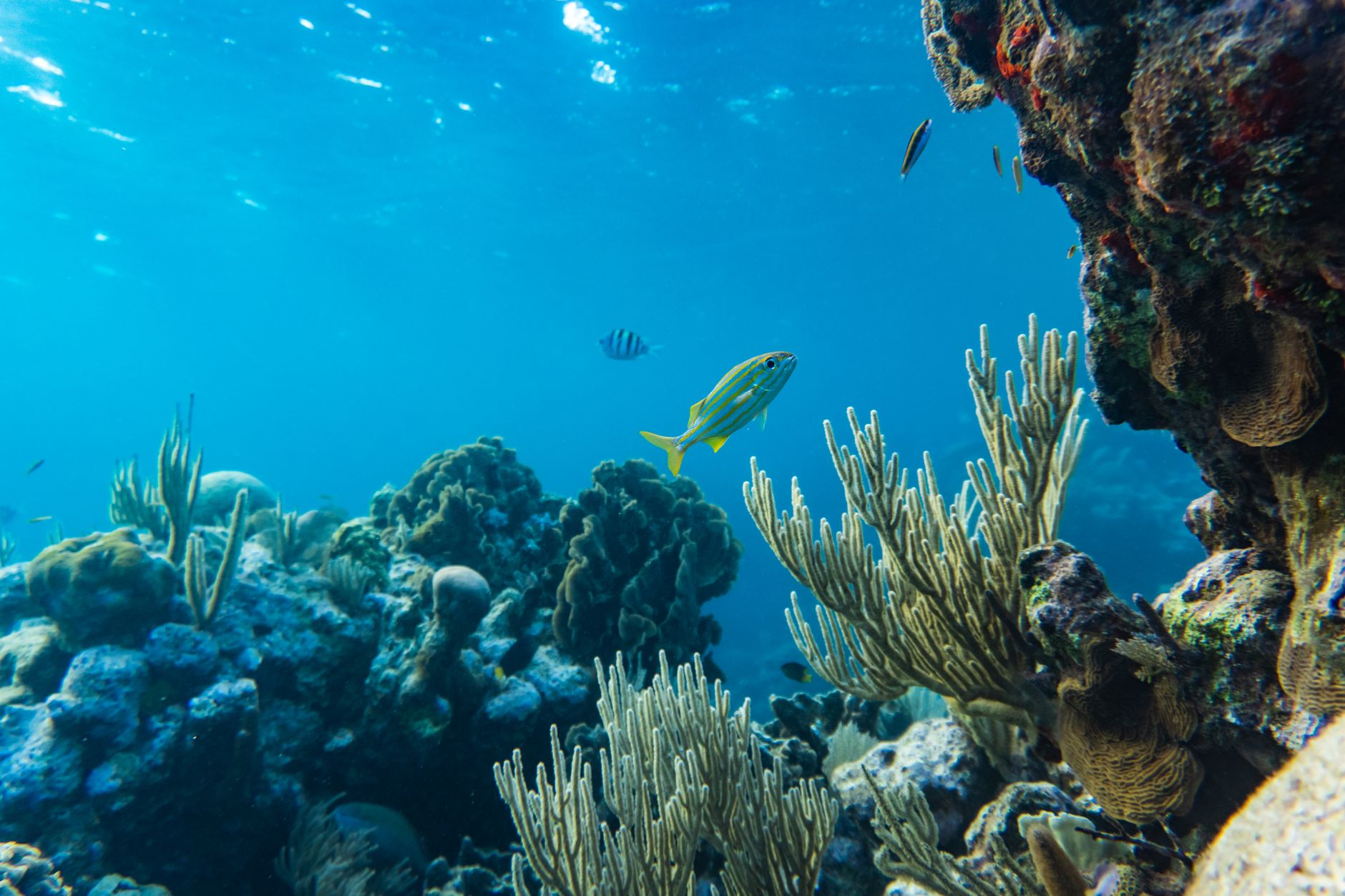
What the Togeans offer is something different: three reef environments stacked within the same body of water. Barrier reefs, fringing reefs, and atoll reefs coexist here in an arrangement that marine scientists call exceptionally rare for a single contiguous marine zone. The result is a diversity of fish species, coral genera, and pelagic activity that can shift completely within a thirty-minute boat ride – something Raja Ampat’s geography, for all its grandeur, does not replicate in quite the same way.
What the Water Actually Holds
The Togean Islands sit inside the Coral Triangle, the same region that encompasses Raja Ampat, the Philippines, and parts of Papua New Guinea – widely recognized as the global center of marine biodiversity. Within that triangle, Tomini Bay functions as a semi-enclosed sea, which moderates temperature and current in ways that benefit coral growth and fish aggregation year-round. Bleaching events that have damaged reefs elsewhere in Indonesia have left portions of the Togeans comparatively intact, partly because of that thermal buffering and partly because low visitor numbers mean less physical reef damage from anchoring, finning, and sediment disturbance.
Cromwell Island’s outer walls drop sharply into blue water where barracuda move in slow, wheeling schools. Una Una’s volcanic seamount – the island itself erupted as recently as 1983 – creates upwelling conditions that attract manta rays and occasional thresher sharks at cleaning stations. Kadidiri and Pulau Bomba offer shallower, reef-flat diving more suited to photographers chasing macro subjects: pygmy seahorses, ghost pipefish, and the kind of nudibranchs that require a reference guide to name properly. For divers who measure a trip by species count rather than Instagram backdrop, the Togeans regularly outperform expectations in ways that Raja Ampat’s more theatrical scenery can overshadow.
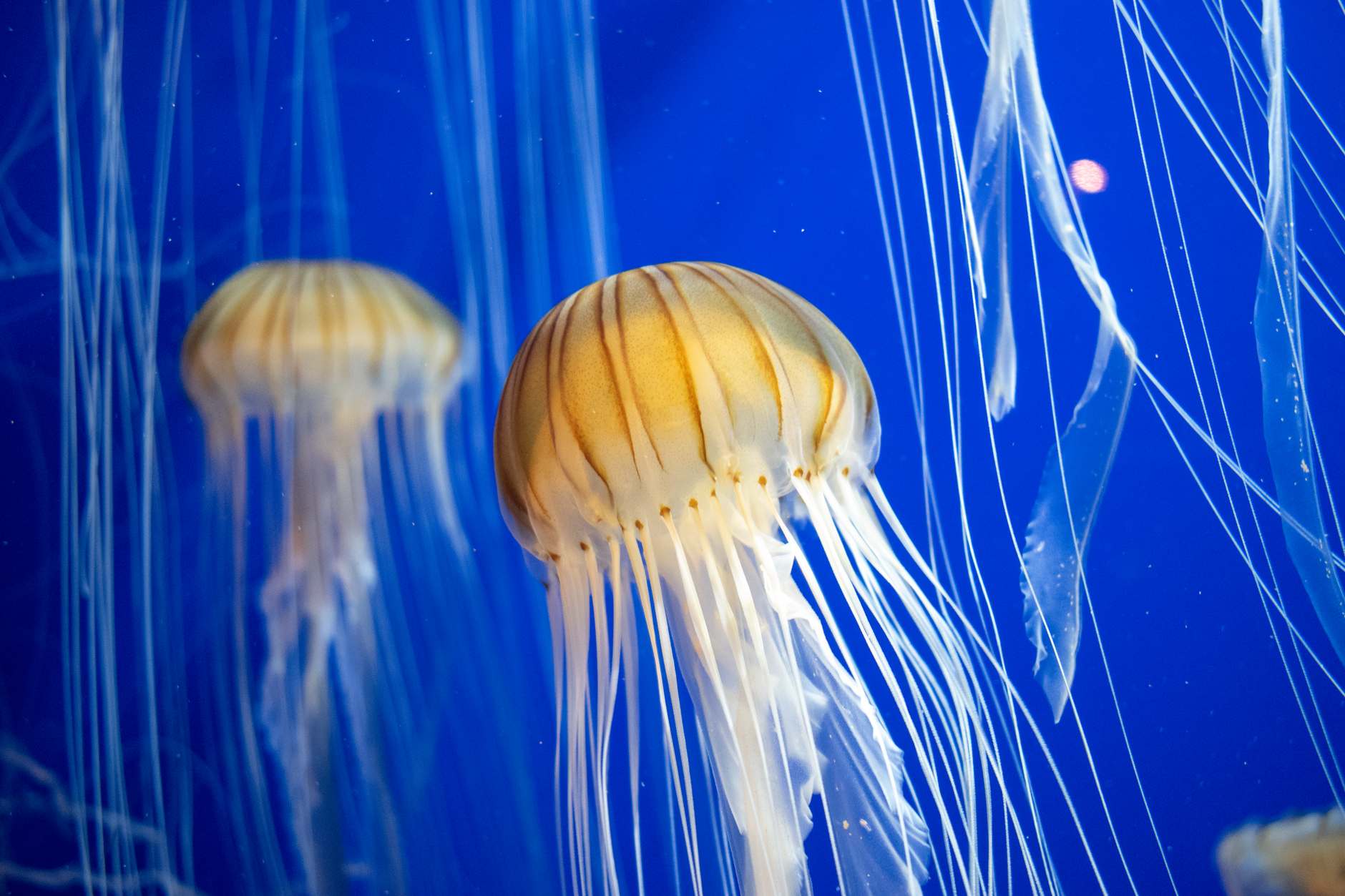
There is also the matter of the jellyfish lake on Pulau Togean itself – a landlocked marine lake where stingless jellyfish have evolved in isolation, creating a snorkeling experience that feels more surreal than aquatic. It shares a general profile with Palau’s famous jellyfish lake but receives a fraction of the attention. Visitors who have done both tend to describe the Togean version as quieter and more disorienting, in the best possible sense.
Getting There Is the Real Conversation
The honest case against the Togeans has always been logistics. There is no direct flight to the islands. The standard approach involves flying into Ampana on Sulawesi’s central coast – typically via Palu or Makassar – then taking a public ferry that runs on a schedule best described as approximate. The crossing takes between four and six hours depending on the vessel, the sea state, and stops along the route. Speedboat charters cut that time significantly but add cost. For travelers accustomed to the relatively organized tourism infrastructure of Lombok or Labuan Bajo, the Togeans require a recalibration of expectations around punctuality and planning.
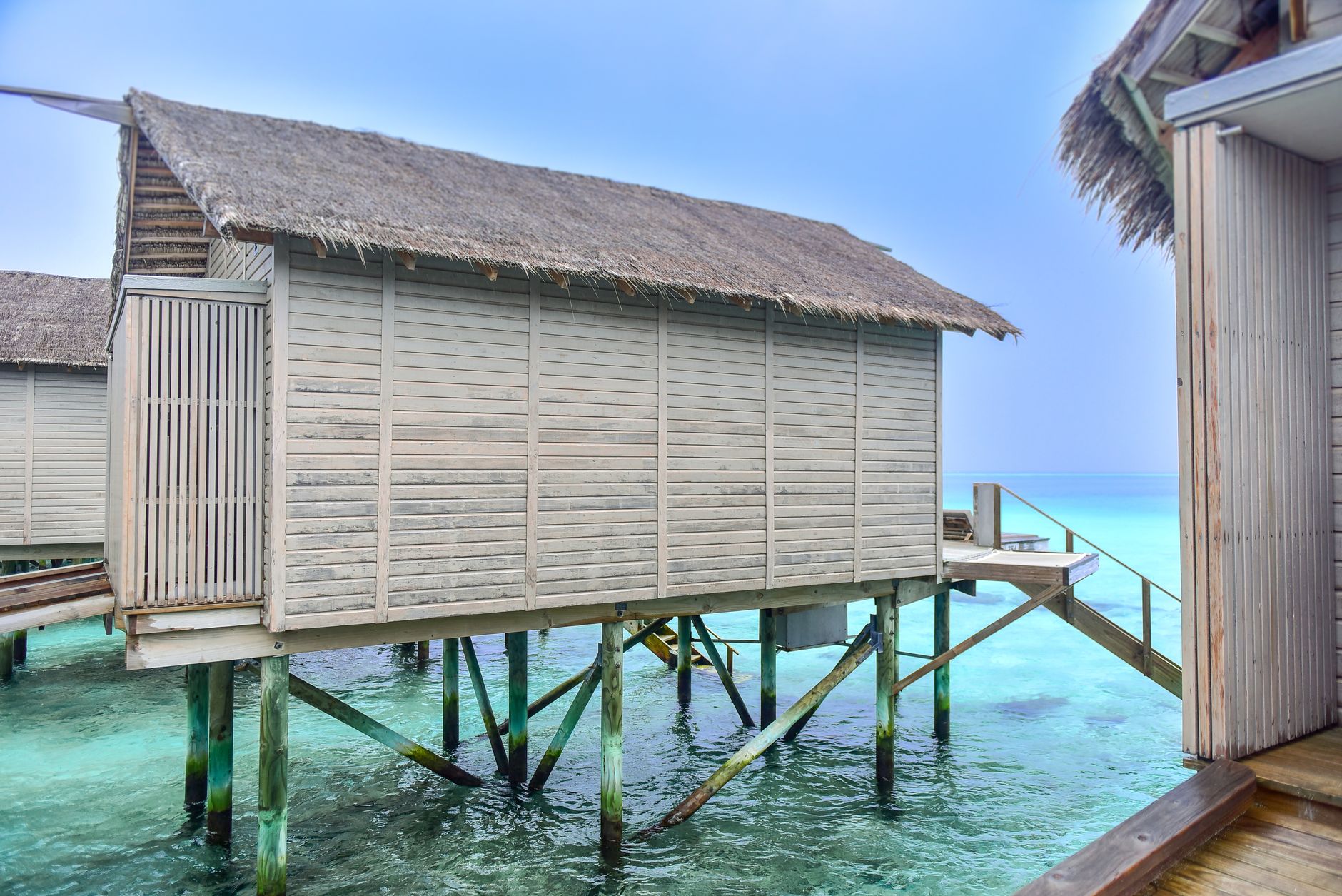
Accommodation on the islands runs almost entirely to simple wooden bungalows built on stilts over the water. A handful of dive resorts operate out of Kadidiri and Wakai, offering basic but functional setups – boat dives, equipment rental, and meals from a short menu. Air conditioning is not universal. Hot water is not guaranteed. The trade-off is that a week in the Togeans costs a fraction of a comparable week in Raja Ampat, where liveaboard prices and resort fees have climbed steadily as demand has pushed against limited bed supply. For reef wanderers willing to carry a headlamp and embrace a slower pace, the economics are quietly compelling in a way that changes the trip’s entire emotional register.
It’s worth drawing a direct comparison to what’s happening with dive tourism in other overlooked marine zones – Eritrea’s Dahlak Archipelago faces a near-identical pattern, where raw underwater quality goes unrecognized simply because the path to get there demands more effort than most divers are willing to give. The Togeans sit in the same category: not undiscovered, but deliberately avoided by the mainstream circuit, which creates an opening for travelers who research past the obvious choices.
The Window That Won’t Stay Open
The Togean Islands National Park was formally established in 2004, but enforcement of protected zone boundaries has been inconsistent, and small-scale fishing pressure on certain reef areas remains an ongoing tension between conservation goals and local livelihoods. Tourism, paradoxically, tends to improve reef protection in areas like this – visitor fees fund park management, and the economic value of healthy reefs shifts community incentives away from extraction. The irony is that the very low-key quality that makes the Togeans worth visiting now is, in part, a fragile condition. Arrive before the boutique resort developers do, or arrive after and find something considerably less interesting than what the water still holds today.
Frequently Asked Questions
Are the Togean Islands good for beginner divers?
Yes – sites around Kadidiri and Pulau Bomba offer shallow reef flats suitable for beginners, while deeper walls and seamounts cater to experienced divers.
What is the best time of year to visit the Togean Islands?
April through November offers the calmest seas and best visibility. December through March can bring rougher crossings from Ampana, making dive conditions less predictable.