
Where Assassins Once Ruled and Castle Hunters Now Wander
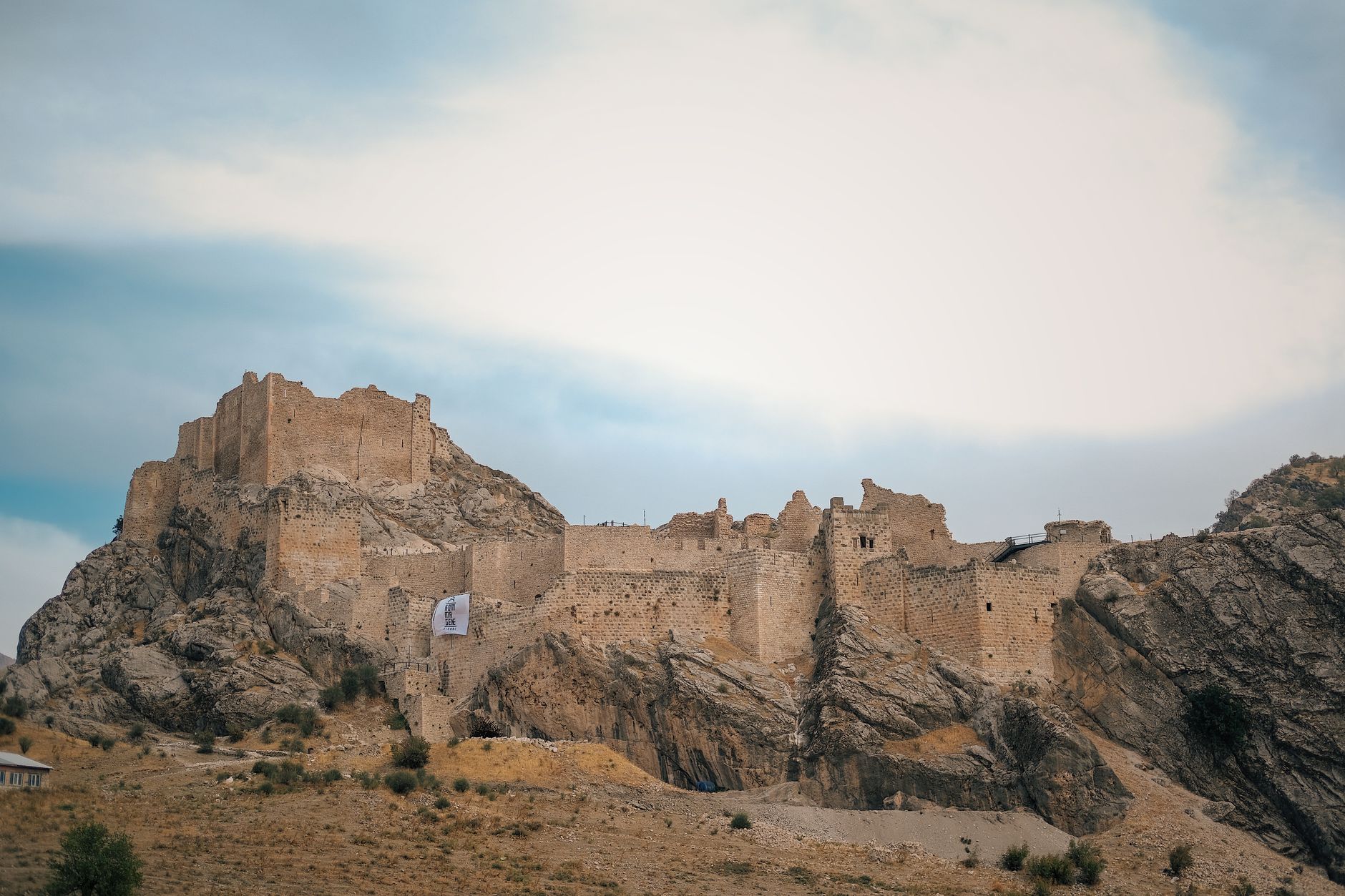
Tucked into the Alborz Mountains of northern Iran, the Alamut Valley carries a history so dramatic it reads like myth. This narrow corridor of terraced villages, walnut orchards, and near-vertical rock faces was once the stronghold of the Nizari Ismaili order – the group European crusaders called the Assassins. Their leader, Hassan-i Sabbah, built a network of mountain fortresses here in the 11th century that proved nearly impenetrable for nearly two hundred years. What those fortresses left behind, scattered across ridgelines and clifftops throughout a single valley, is a destination that serious castle travelers are only beginning to treat with the attention it deserves.
The comparison to Cappadocia is not a stretch. Turkey’s famous cave region draws millions of visitors annually for its volcanic landscape and Byzantine cave churches. Alamut offers something structurally similar – a concentrated geographic zone where dramatic geology and layered medieval history converge – but without the tour buses, the balloon queues, or the boutique hotel markups. Visitation is low enough that arriving at Alamut Castle on a weekday morning can mean having the summit entirely to yourself, wind included.
The Fortresses Themselves
Alamut Castle, known locally as Qal’eh Alamut or Eagle’s Nest, sits on a narrow rock spine at roughly 2,100 meters. The climb from the base village of Gazorkhan takes between one and two hours depending on fitness and how often you stop to photograph the valley dropping away below you. What waits at the top is not a restored showpiece – the Mongols saw to that in 1256, when Hulagu Khan’s forces dismantled much of what Hassan-i Sabbah’s successors had built. What remains are foundation walls, cistern systems cut directly into the rock, and enough structural evidence to understand how someone fortified this particular column of stone well enough to hold off sieges for generations.
The valley holds more than one fortress. Lambsar Castle, about 30 kilometers west of Alamut, sits in an even more remote position and sees far fewer visitors. Maymun Diz, another Ismaili stronghold in the broader region, requires more planning to reach but rewards the effort with near-total solitude. The pattern across all of them is consistent: ruins that are genuinely ruined, trails that require some navigational confidence, and landscapes that justify the effort regardless of whether you care about medieval military architecture. The castles are the destination, but the valley is the experience.
Getting There and Getting Around
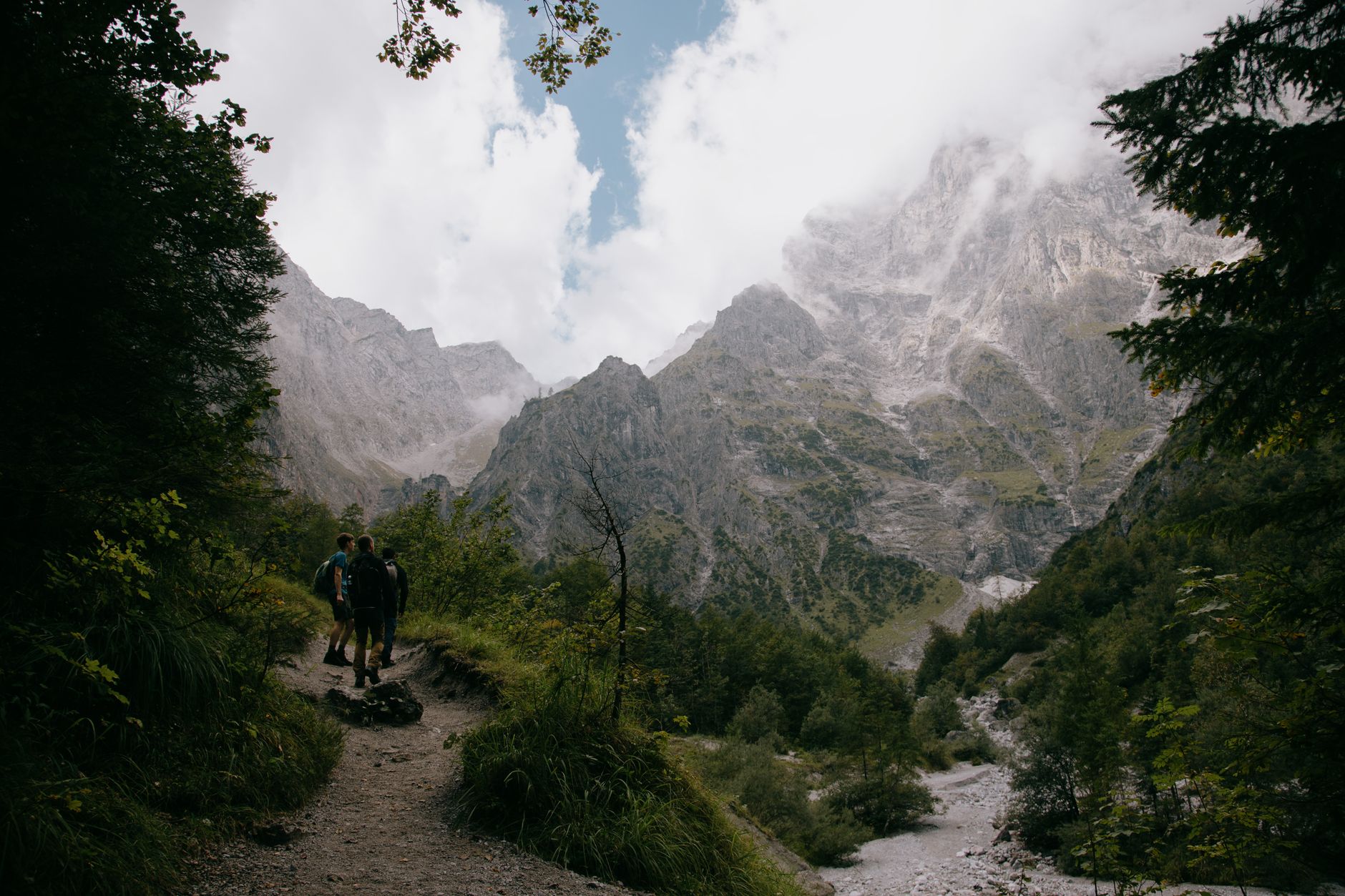
The standard approach runs from Tehran, roughly four hours by road northwest through Qazvin. Qazvin itself is worth a half-day – it served as the Safavid capital for a period and has a covered bazaar and Ali Qapu Gate that most visitors skip entirely. From Qazvin, shared taxis and private transfers reach Gazorkhan, the main village beneath Alamut Castle, in under two hours along roads that become progressively more scenic and narrow as the mountains close in.
Accommodation in the valley runs almost entirely through local guesthouses, called ecotourism residences in the regional tourism terminology. These are family-run operations where meals are included, sleeping arrangements are simple, and the interaction with hosts is often the most memorable part of the stay. Farsi is the working language; some younger hosts in Gazorkhan speak basic English, but arriving with a translation app and some patience goes further than assuming.
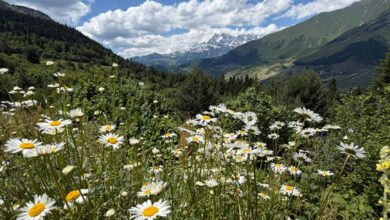
The best season runs from late April through early October. Spring brings snowmelt wildflowers on the approach trails and cool summit temperatures. Summer mornings are ideal for climbing before afternoon heat builds, though the valley elevation keeps conditions manageable compared to lowland Iran. By October, the walnut trees turn gold against the grey rock faces and the light becomes the kind that photographers specifically plan trips around.
There is no internal flight option and no rail connection to this specific area – Alamut Valley is accessible only by road. That barrier is part of why it remains quiet. Travelers who end up here have, by definition, made a deliberate effort to reach it.
The Practical Realities of Traveling in Iran
Western travelers to Iran face a set of logistical realities that differ from most destinations. Citizens of several countries, including the United States, Canada, and the United Kingdom, currently cannot obtain tourist visas independently and must travel with a licensed Iranian guide for their entire trip. This constraint actually works in favor of a place like Alamut, where a knowledgeable local guide provides navigational value beyond the regulatory requirement – unmarked trail junctions and limited signage make independent navigation genuinely difficult on the approaches to lesser-known castles like Lambsar.
Currency exchange operates outside international banking systems, meaning cash in euros or dollars must be brought and exchanged in-country through licensed exchange offices. This is not as complicated in practice as it sounds in theory, but it requires planning before departure. Travel insurance coverage for Iran also requires specific policy language – standard policies from major providers typically exclude it, requiring travelers to seek specialist brokers.
Why Castle Travelers Are Starting to Pay Attention
The appeal of Alamut for a certain kind of traveler is easy to articulate: the history is specific, verifiable, and strange enough to sustain genuine fascination. The Nizari Ismaili order that built these fortresses was not simply a military faction – it was a religious and intellectual movement that maintained a library at Alamut Castle that reportedly rivaled major centers of learning elsewhere in the Islamic world. That library was destroyed with the fortress. The knowledge of what was in it is gone. Standing on the castle rock, that particular loss becomes oddly present.
Cappadocia’s infrastructure has been built out to the point where the experience is largely managed for you – tours are organized, viewpoints are labeled, hotels offer rooftop breakfast with balloon views on schedule. Alamut offers none of that infrastructure, which is exactly the condition that draws travelers who feel Cappadocia now delivers tourism rather than travel. The Alborz ridgeline does not care whether you are comfortable with ambiguity. The trails to Lambsar do not have safety railings. The guesthouse host may or may not speak a word you recognize. That friction is the attraction for people who have already done the easy version of this kind of trip.
What Alamut asks of visitors is proportional to what it offers. The fortresses are not presented, interpreted, or packaged. They sit on their rocks the way they have for centuries, half-demolished and entirely serious, waiting for whoever makes the climb. The question for castle wanderers who have ticked Cappadocia, Carcassonne, and the Crusader castles of Jordan is simply whether they are ready to travel somewhere that will not meet them halfway.