Iran’s Makran Coast Quietly Rivals the Persian Gulf for Untouched Wanderers

Where the Arabian Sea Meets the Edge of the Known
The Persian Gulf gets the headlines, the luxury hotels, and the Instagram reels. But stretch Iran’s coastline eastward past Bandar Abbas, past the salt flats and port towns, and something entirely different opens up: the Makran Coast, a 1,000-kilometer stretch of shoreline running from the Strait of Hormuz toward the Pakistani border that most travelers have never heard of – and that locals would prefer stayed that way. This is desert meeting sea at its most dramatic, a landscape of eroded mud volcanoes, natural rock arches, wild beaches, and fishing villages where the catch is still sorted by hand on the shore at dawn.
Iran is not an easy destination to reach for many Western travelers, and that friction is precisely why the Makran remains largely unaltered by tourism infrastructure. Those who do make it here – mostly Iranian domestic travelers, a handful of adventure tourists, and the occasional documentary crew – describe a coastline that feels decades behind the over-developed Gulf resorts in the best possible sense. The water is warm, the beaches are wide, and the hospitality in the fishing communities of Sistan-Baluchestan province is the kind that hasn’t been scripted for tourism brochures.
The Landscape Looks Like Another Planet
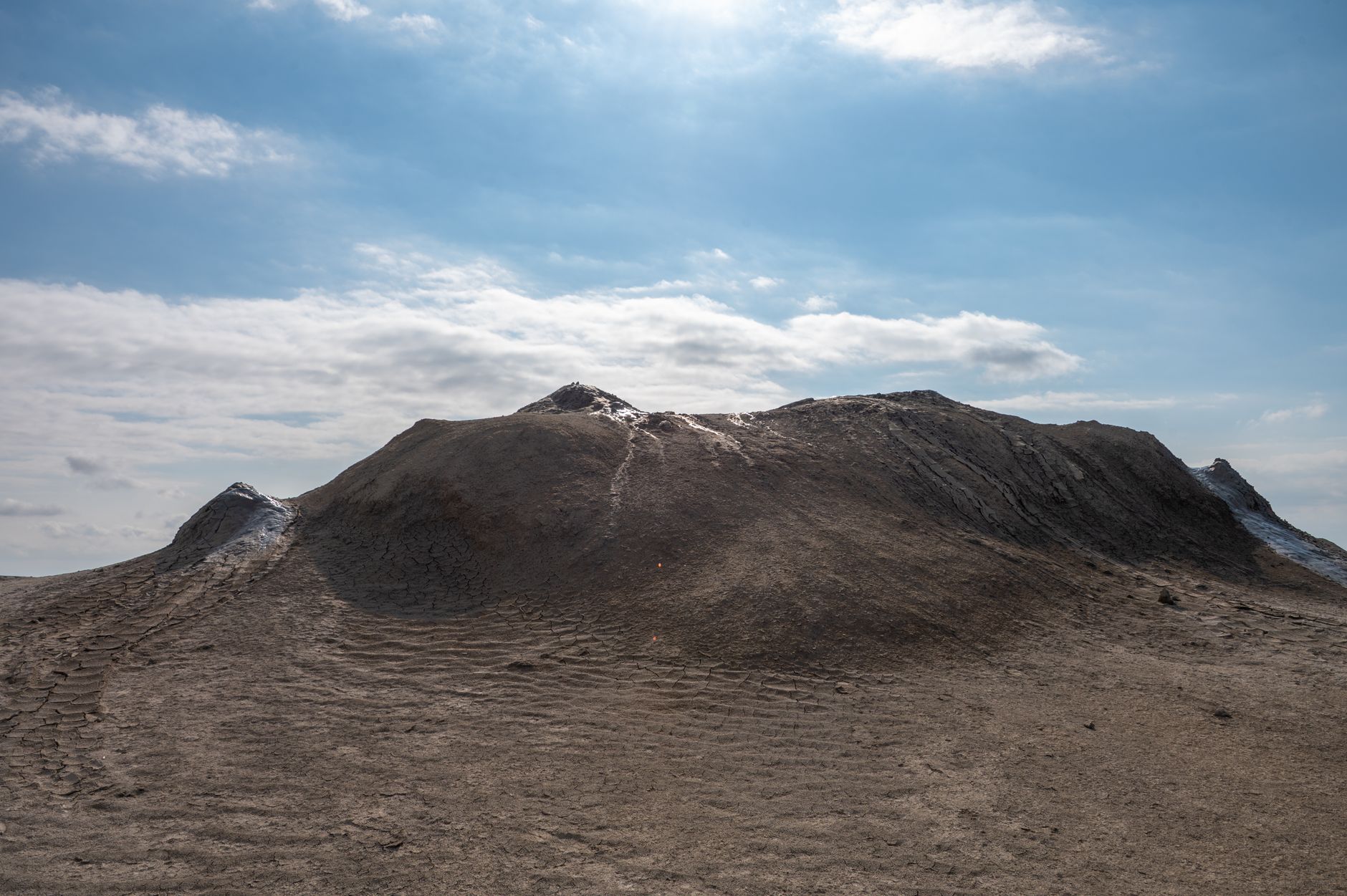
The most talked-about feature of the Makran Coast is one that requires almost no effort to find: the mud volcanoes scattered across the region near Chabahar. These low-lying conical formations bubble cold, gray mud continuously from underground, a geological curiosity driven by natural gas pressure rather than heat. They’re strange enough to stop anyone mid-sentence. Standing next to one, watching it exhale slowly, the surrounding desert flats stretching out in every direction, it reads like something from a science fiction set – except the smell is real, the mud is cold, and there’s no one else around.
Beyond the volcanoes, the coastline itself is carved into shapes that reward slow travel. The Martian-red cliffs near Ramin village have been sculpted by wind and saltwater into layered formations that glow orange at sunset. The natural rock arch at Римd – which locals call Darak – juts into the sea with enough drama to justify the rough road it takes to reach it. These are not sights with parking lots and information boards. Getting there requires either a local guide or a vehicle with decent clearance and a driver who knows which dirt track not to take.
The port city of Chabahar is the region’s main hub and the only place along this stretch with anything approaching tourist infrastructure: a few guesthouses, some basic restaurants serving fresh seafood, and a growing community of Iranian backpackers who use it as a base. The city has a free trade zone status, which means it operates with slightly different rules than the rest of Iran and attracts a mix of traders, fishermen, and travelers who know how to find their way around bureaucratic friction. It’s functional rather than charming, but the fish market at sunrise is worth waking up early for.
The beaches between Chabahar and the smaller coastal settlements are where the Makran’s character becomes most clear. At Lipar Lagoon, flamingos gather in numbers that seem improbable given how remote the location feels. The beach at Pasabandar runs long and flat with almost no foot traffic, the kind of shore where you can walk for an hour without retracing your steps or seeing another person. There are no beach clubs, no vendors, no organized water sports. The Arabian Sea just sits there, doing its thing.
The People of the Baluch Coast
The Makran’s human geography is as distinct as its physical one. The Baluch people, who populate much of Sistan-Baluchestan province, have a culture that spans the Iran-Pakistan border and predates both nations as political entities. Their embroidery, music, and seafaring traditions are deeply their own – not a regional variation of Persian culture but a separate lineage with its own literary history and oral traditions. For travelers who engage beyond the shoreline, this is where the Makran offers something that no Gulf resort can simulate.
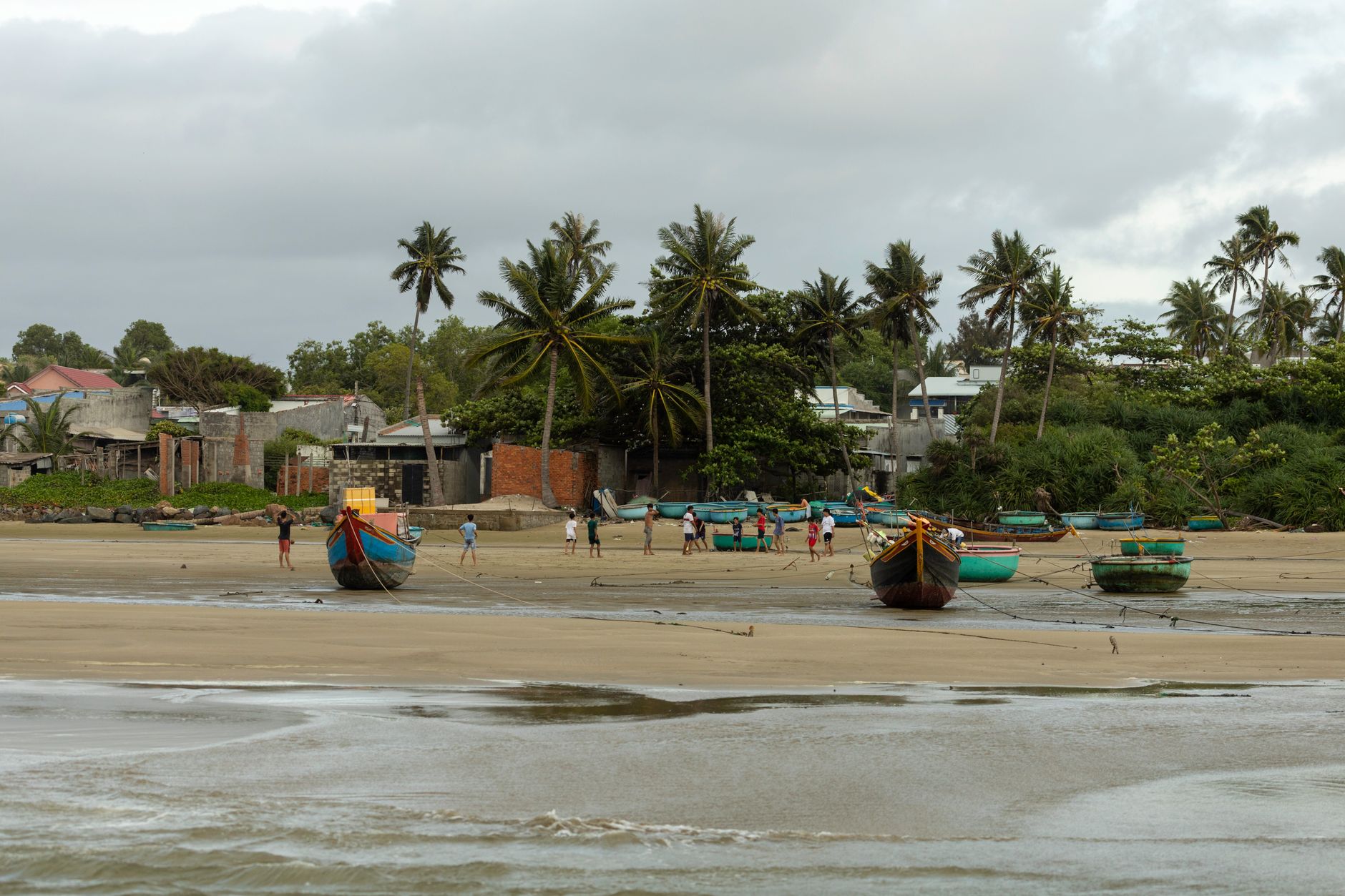
Fishing is the economic backbone of most coastal communities here, and the methods in use along smaller stretches of the Makran haven’t changed dramatically in generations. Wooden vessels called lanchis head out before dawn and return by mid-morning. The drying racks near village shores carry sardines and larger catches curing in the coastal air. Travelers willing to ask politely – ideally through a Farsi-speaking guide – can often join a morning departure, which is an experience that costs nothing to arrange and is impossible to replicate anywhere along the developed Gulf coast.
Practical Realities for the Committed Traveler
Getting to Chabahar means flying into the city from Tehran or Mashhad, as overland travel from most Iranian cities takes an impractical amount of time given the distances involved. Visas remain a real hurdle for many nationalities, particularly Americans, British, and Canadian passport holders, who face significant restrictions. Citizens of many European, Asian, and South American countries can obtain visas on arrival or e-visas, and a growing number of travelers are working through specialized Iran travel agencies that handle logistics for foreign visitors. The paperwork is real, but it’s manageable with preparation.
The best window to visit is October through early March, when temperatures along the coast are tolerable – the Makran sits at the edge of a hyper-arid zone, and summer heat in this region is not romantic or character-building; it’s simply dangerous. Women travelers are subject to Iran’s hijab requirements throughout the country, including on beaches. Solo female travelers do visit the Makran, though most report that traveling with at least one other person makes navigating remote areas more practical than ideological.
Accommodation outside Chabahar is mostly informal. Some villages have homestay arrangements that have developed quietly through word of mouth rather than any formal booking platform. Carrying enough cash – since international banking cards don’t work in Iran – is non-negotiable. The absence of ATM access for foreigners is the single most common logistical complaint from travelers who’ve made it this far, and it’s worth treating seriously before departure rather than as a footnote.
Why This Coastline Stays Quiet
The combination of visa friction, distance, limited infrastructure, and Iran’s complicated international standing keeps the Makran off most travel itineraries indefinitely. That friction operates as a natural filter, and the coastline benefits from it directly. There are no cruise ship docks here, no resort corridors, no overpriced beach bars. The mud volcanoes still bubble without a ticket booth in front of them. The fishing villages still operate on their own schedule, not one adjusted for tourism arrivals.
A growing number of adventure travel operators in Europe and Australia have begun offering small-group Iran itineraries that include the Makran as a southern leg, typically combined with cultural stops in Shiraz or Isfahan. The demand is real but the volume remains low enough that it hasn’t yet changed what the coastline is. Whether that holds depends less on any single trend and more on whether Iran’s geopolitical situation stabilizes enough to ease visa access for a broader range of travelers – a question with no clear answer right now, which might be exactly why the Makran is worth going to before there is one.
Frequently Asked Questions
Is the Makran Coast in Iran safe to visit?
Most travelers who visit report no major safety incidents, though the Sistan-Baluchestan province has historically had some border-area tensions. Staying near Chabahar and using a reputable local guide significantly reduces risk.
Do I need a visa to visit Chabahar, Iran?
Most nationalities require a visa, which is available on arrival or as an e-visa for many countries. American, British, and Canadian passport holders face significant restrictions and should check current entry rules carefully.
What is the best time of year to visit the Makran Coast?
October through early March offers the most tolerable temperatures. Summer heat in this region is extreme and can be hazardous for outdoor travel.