
The Island Most Travelers Skip Entirely
Qeshm Island sits in the Strait of Hormuz like a geographic afterthought – long and narrow, pressed between the Iranian mainland and the open Persian Gulf. Most visitors who reach this corner of the world set their sights on Hormuz Island, the smaller, more photogenic neighbor famous for its rust-red soil and rainbow cliffs. Qeshm, by contrast, gets filed under “logistics” – a ferry stop, a free trade zone, a place you pass through. That reputation does it a serious injustice.
What Qeshm actually holds is a geological record that reads like a compressed history of the Earth’s interior. The island stretches roughly 135 kilometers along its length, making it the largest island in Iran and the largest in the Persian Gulf. Beneath its surface, salt has been moving for millions of years – pushing upward, dissolving, collapsing, and carving landscapes that have no real equivalent anywhere else in the region. The result is a destination that rewards the patient, the curious, and the traveler who arrives without a fixed itinerary.
Hormuz gets the Instagram posts. Qeshm gets the geology.
What the Salt Has Built
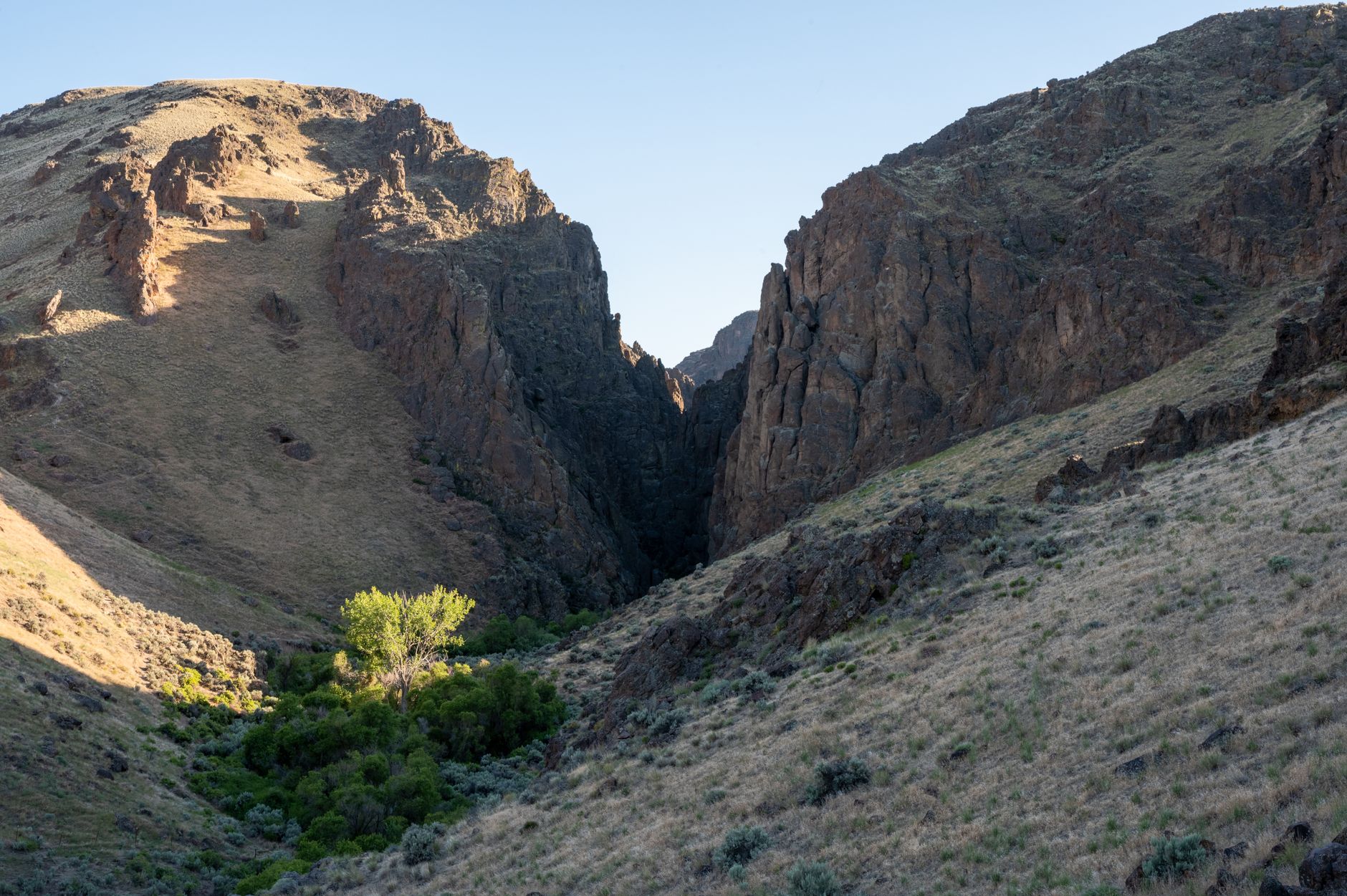
The most dramatic feature on Qeshm is the Chahkooh Valley, a canyon carved not by a river but by the slow dissolution of a salt dome over geological time. The walls of the canyon twist and fold like fabric, layered in shades of ochre, cream, and deep rust. Rainfall dissolves the salt-laced rock from above, while wind scours it from the sides, creating passages narrow enough to touch both walls simultaneously and open chambers that amplify sound in strange, unsettling ways. Locals have used the canyon for centuries – first as shelter, then as a landmark, and now as an attraction they quietly manage on their own terms.
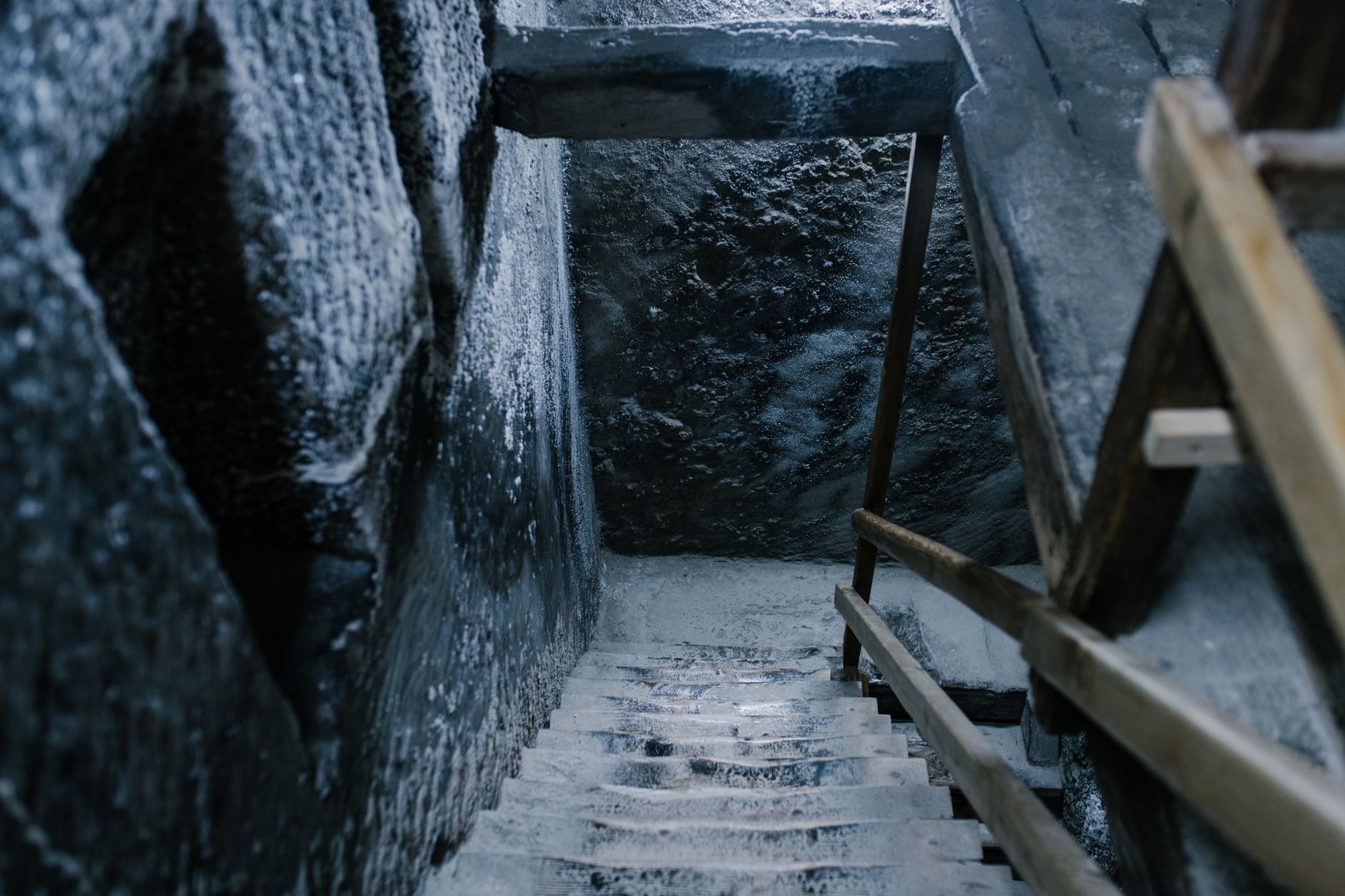
The Namakdan Salt Cave is a separate spectacle entirely. It runs for more than six kilometers underground, placing it among the longest salt caves in the world by documented measurement. The interior formations – salt stalactites, translucent walls, crystalline floors – behave differently from limestone caves because salt is hygroscopic, meaning it pulls moisture from the air and constantly reshapes itself. What visitors see in one season may look noticeably different a year later. The cave requires a guide and some willingness to crouch and scramble, and the experience of standing inside a living geological system is genuinely disorienting in the best way.
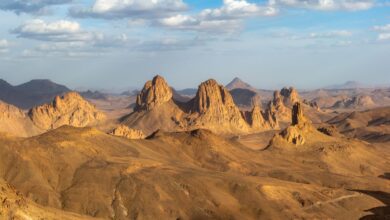
Scattered across the island’s interior are additional salt plugs, or diapirs, that have punched through the overlying rock layers and spread across the surface like slow-motion eruptions frozen in time. Geologists travel specifically to study them. The non-specialist traveler can simply walk among them and feel that particular sensation that good geology always produces – the understanding that human time and geological time are operating on entirely different scales, and that you have wandered into the latter.
Beyond the Rock: What Qeshm Holds at Its Edges
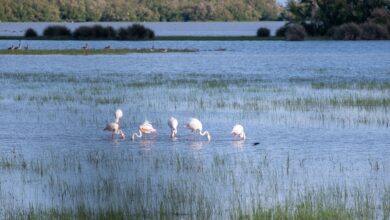
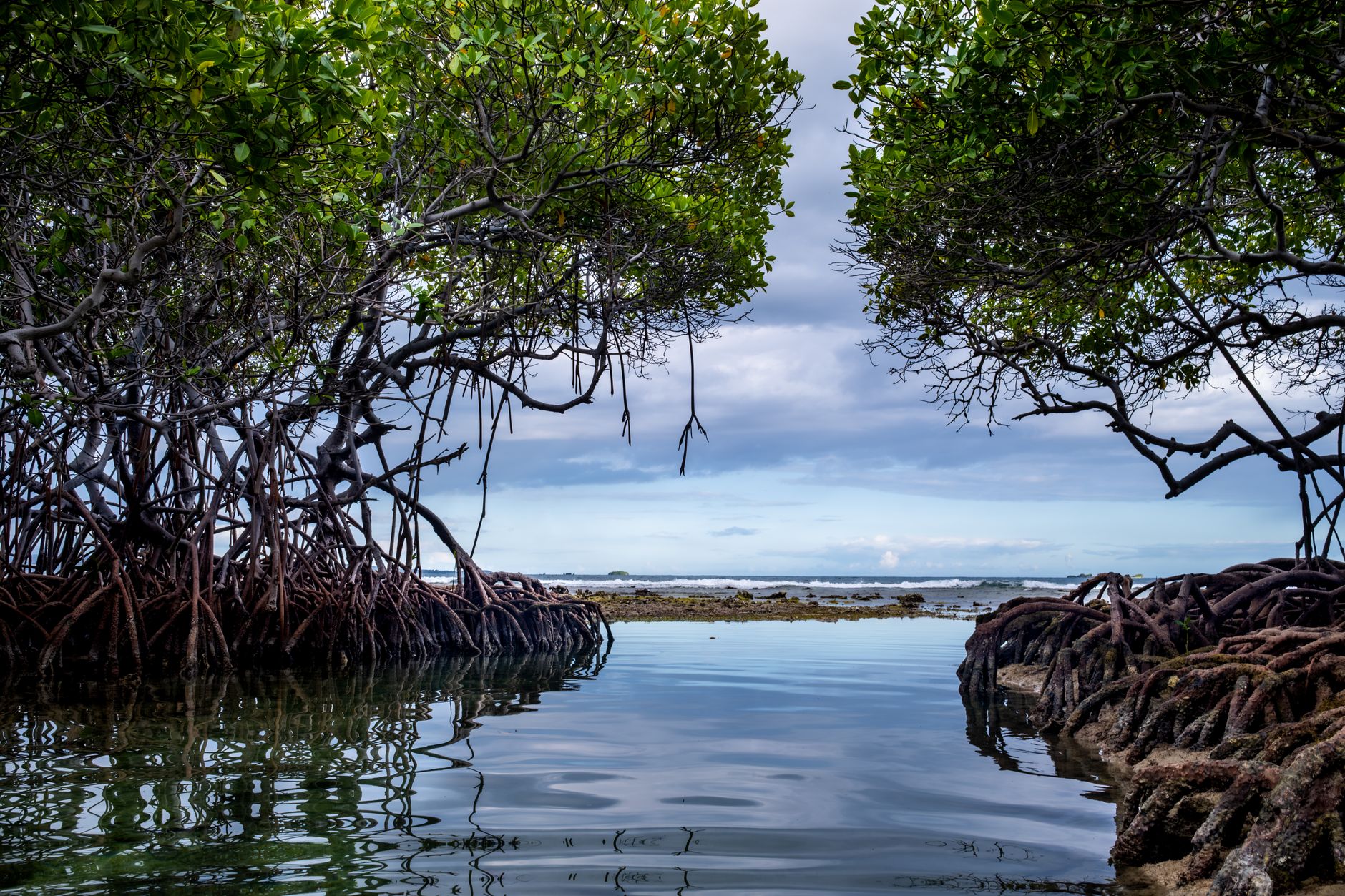
The Hara Forest mangrove reserve lines sections of the northern coastline and represents one of the more productive coastal ecosystems in the Persian Gulf. The forest floods at high tide and exposes its tangled root systems at low tide, creating two entirely different landscapes from the same place depending on when you visit. Herons, flamingos, and a rotating cast of migratory shorebirds use the mangroves as a feeding and staging ground. Boat tours move quietly through the channels, and the silence out there – away from the free trade zone traffic and the ferry terminal noise – is the kind that actually registers.
The island’s villages carry their own separate interest. Laft, a historic port settlement on the northwestern coast, still has its old wind towers standing – the traditional Persian cooling system that funneled sea breezes down into buildings before mechanical air conditioning existed. The towers at Laft are among the best-preserved examples in Iran, and the village’s waterfront dhows give the whole scene a texture that hasn’t been smoothed away for tourism. The fishing culture on Qeshm runs deep; the catch moves quickly from boats to local markets to tables, and the food is straightforwardly good because the supply chain is short.
Stars Valley – Darre-ye Setaregan in Farsi – offers a third geological environment, a landscape of eroded clay and salt formations that local legend attributes to a meteorite impact. The science doesn’t support the legend, but the landscape earns the name anyway. The formations come in shapes that resist easy description: pillars, arches, collapsed chambers, walls with windows worn through them by wind. Walking through it at dusk, when the light flattens and the color shifts toward purple, makes it easy to understand why the story of a fallen sky got attached to this place.
How to Actually Get There
Qeshm is accessible by ferry from Bandar Abbas on the Iranian mainland, and the crossing takes under an hour. International travelers typically arrive via Tehran or other major Iranian airports before connecting south, and entry requirements for foreign nationals vary significantly by nationality, so checking current visa conditions before planning is non-negotiable. The island operates a free trade zone that gives it a slightly different administrative status from the mainland, which historically made it more accessible for some international visitors. Accommodations range from basic guesthouses in the older village areas to a small number of mid-range hotels near Qeshm City. The geological sites require no specialized equipment beyond sturdy shoes and, for Namakdan, a headlamp – though the cave requires local guide hire, which is both mandatory and reasonable given how disorienting the interior can get without one. The traveler who arrives expecting Hormuz’s saturated visual drama will need to recalibrate: Qeshm operates at a slower frequency, one where the payoff accumulates across days rather than arriving in the first hour.
Frequently Asked Questions
Is Qeshm Island safe to visit for international travelers?
Safety conditions vary and depend heavily on nationality and current geopolitical context. Travelers should consult their government’s official travel advisory before planning a trip to Iran.
What is the best time of year to visit Qeshm Island?
November through March offers the most comfortable temperatures. Summer months bring intense heat that makes outdoor geological exploration difficult.
Do I need a guide to visit Namakdan Salt Cave?
Yes. Hiring a local guide is mandatory for the cave and is strongly advisable for Stars Valley. The cave interior is disorienting without navigation help.